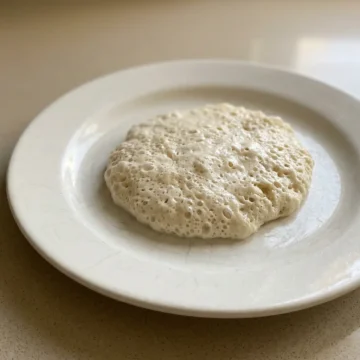
Bread is flour, water, salt and time, and time is the ingredient people cut. A dough that has not developed gluten tears instead of stretching; a dough that has overproofed collapses in the oven and bakes dense. The recipes here describe what the dough should feel like and how it should behave when poked, because those cues survive a different flour and a colder kitchen, and a stopwatch does not.Hydration is the other lever. A wetter dough gives an open crumb and sticks to everything; a drier one is easy to handle and tighter inside. Where a recipe asks for steam in the first minutes, that is what makes a crust crack and shine rather than set soft and pale.For sweet doughs that use the same proofing logic, see Donuts. For something to serve it with, Cozy Soups and Stews, and for the morning table, Easy Breakfast.
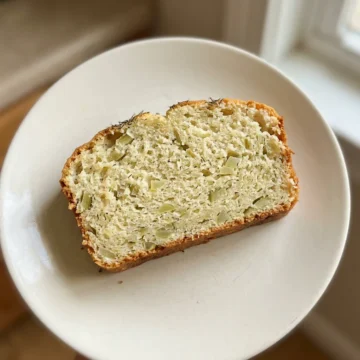
This isn’t a yeasted artisan loaf, it’s a tender, cake-like savory quick bread that leans on yogurt and milk for a moist…
[NOM DE L’AUTEUR]
[DEUX PHRASES SUR LA PERSONNE QUI SIGNE CE SITE. Ne pas affirmer que les recettes sont testees, cuisinees ou photographiees personnellement si ce n'est pas vrai.]