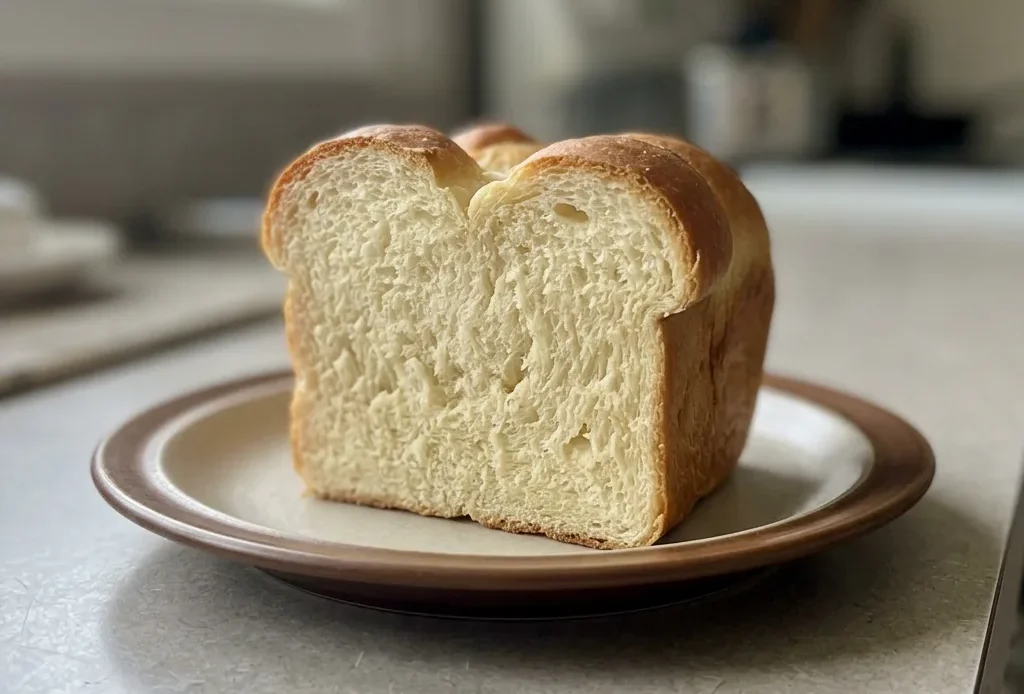
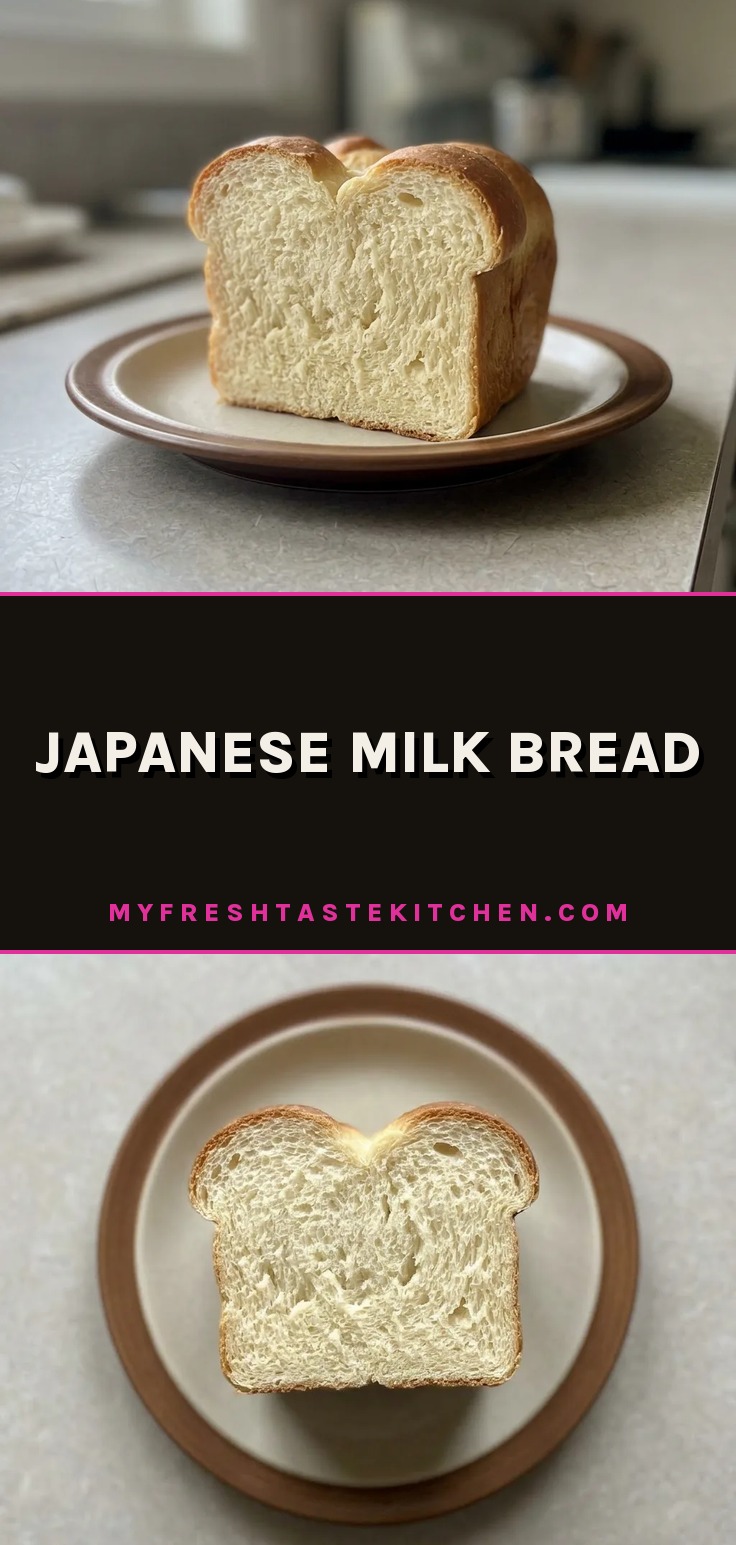
The most common mistake with Japanese milk bread is skipping the tangzhong or rushing through it. A proper cooked paste isn’t optional, it’s what keeps the crumb tender and moist for days instead of drying out by the second day. The technique matters more than the ingredients, and the margin for error is narrower than with a standard loaf.
Once you see that silky dough pass the windowpane test, you’ll understand why this bread feels different from any other white loaf you’ve made.
Why the tangzhong works
Tangzhong is a cooked paste that pre-gelatinizes the starches in flour. When you whisk water, milk, and flour over heat, the starches swell and thicken into a pudding-like consistency, that’s the signal they’re ready. This paste holds onto moisture that would otherwise evaporate during baking.
Mixed into the dough, it lets you add more liquid without making the dough sticky or slack. The result is a crumb that stays soft and tender for days, not just the first few hours.
I’ve found that when I add the butter in 3-4 portions, mixing well after each, the dough stays silky and manageable because the tangzhong has already locked in hydration. That moisture retention is what gives this bread its signature fluff and a longer shelf life than standard yeast breads.
Two rises for structure and flavor
The dough rises twice for different reasons. The first rise, or bulk fermentation, happens after mixing.
During that hour or two, the yeast produces gas and the gluten network develops strength. You’ll see the dough double, that’s the gluten relaxing and trapping air.
That structure is what supports an open, even crumb. The second rise comes after shaping. Here you’re building final volume and a fine, airy texture.
If the dough over-proofs, it collapses; if under-proofed, the crumb is dense. An optional cold retardation slows fermentation overnight, letting enzymes work longer for deeper flavor. The dough becomes firmer too, which makes shaping easier.
Either way, the two-stage process gives you control over both taste and texture.
Shaping controls crumb and rise
How you divide and shape the dough directly affects the final structure. For a loaf, splitting into four equal pieces creates distinct layers that stack evenly as they bake.
That layering gives a uniform crumb from crust to crust. For rolls, dividing into nine pieces and rolling them into tight balls builds surface tension. That tension forces the dough to dome upward during proofing and baking, giving each roll a rounded top and a light, airy interior.
The pan choice matters too: a loaf pan concentrates the crumb inward for slicing, while a square pan exposes more surface area to heat, creating a higher crust-to-crumb ratio. That difference suits rolls for pulling apart and loaf for sandwiches.
Shaping isn’t just about looks, it sets the physical limits of how the bread expands.
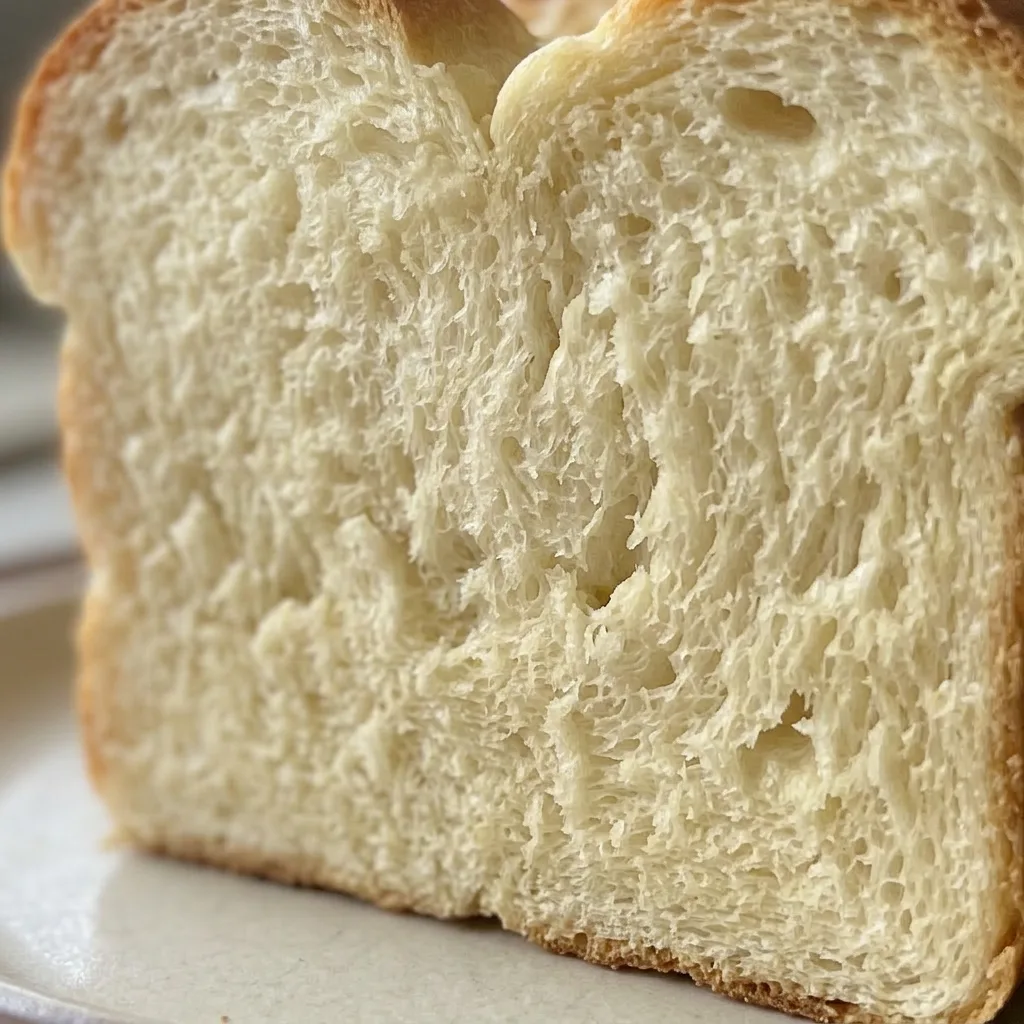
Prep: 45 min · Cook: 40 min · Total: 5 hr 25 min · Servings: 18 · Calories: 120 kcal
Ingredients that matter for this silky crumb
Bread flour: Use 350 g weighed, not scooped. Spoon into the cup and level for accuracy.
Active dry yeast: Check it’s fresh. If the milk-sugar mixture doesn’t foam after 20 minutes, start over.
Unsalted butter: Soften 58 g (4 tbsp) to room temperature. Cold butter won’t incorporate properly.
Milk: Use whole milk for the tangzhong and dough. Lower fat affects the crumb’s tenderness.
Work the dough until it’s silky, not just smooth
Make the tangzhong
Whisk water, milk, and flour in a saucepan over medium heat until the mixture thickens to a pudding-like consistency. Stop when you see streaks left by the whisk that hold for a second.
Activate the yeast
Stir lukewarm milk with a teaspoon of sugar, then sprinkle yeast on top. Wait 10 to 20 minutes.
When the yeast is foamy and smells bready, it’s ready. If nothing happens, start over with fresh yeast.
Mix the dough
Add remaining sugar, dry milk, tangzhong, egg, flour, and salt to the yeast mixture. Stir until a shaggy dough forms, no dry flour patches. Let it rest 5 minutes; it’ll hydrate and become less sticky.
Knead and add butter
Knead on low speed for 5 minutes. The dough will be sticky but cohesive. Add softened butter in 3, 4 additions, mixing 20 seconds between each.
After the last addition, increase speed to medium and knead 5 to 7 minutes.
Check for windowpane
The dough should be smooth, silky, and pull away from the bowl. Tear off a small piece and stretch it gently; if it forms a thin membrane without tearing, it’s done. If it tears, knead 2 minutes more.
First rise
Shape the dough into a ball and place in a greased bowl, turning once to coat. Cover and let rise in a warm spot until doubled, 1 to 2 hours. Test by poking gently; if the indent holds, it’s ready.
If it springs back, let it rise longer.
Shape the loaf
Punch down the dough and divide into 4 equal pieces. Roll each into a 6-inch square, fold corners to center, then roll tightly and pinch seams.
Place seam-side down in a buttered loaf pan. Cover and let rise until just below the rim, 1 to 2 hours.
Shape the rolls
Divide the dough into 9 equal pieces. Roll each into a tight ball and place in a buttered square pan, ¼, ½ inch apart. Cover and let rise until doubled, 1 to 2 hours.
The balls should touch after proofing.
Bake
Preheat oven to 350°F. Brush with milk for a matte crust or egg wash for glossy.
Bake loaf 30 to 35 minutes, rolls 20 to 30 minutes. If browning too fast, tent with foil.
Internal temp should hit 190, 205°F.
Cool completely
Let bread cool in the pan a few minutes, then turn out onto a wire rack. Cool completely before slicing, warm bread will compress and tear. The crumb sets as it cools, giving clean slices.
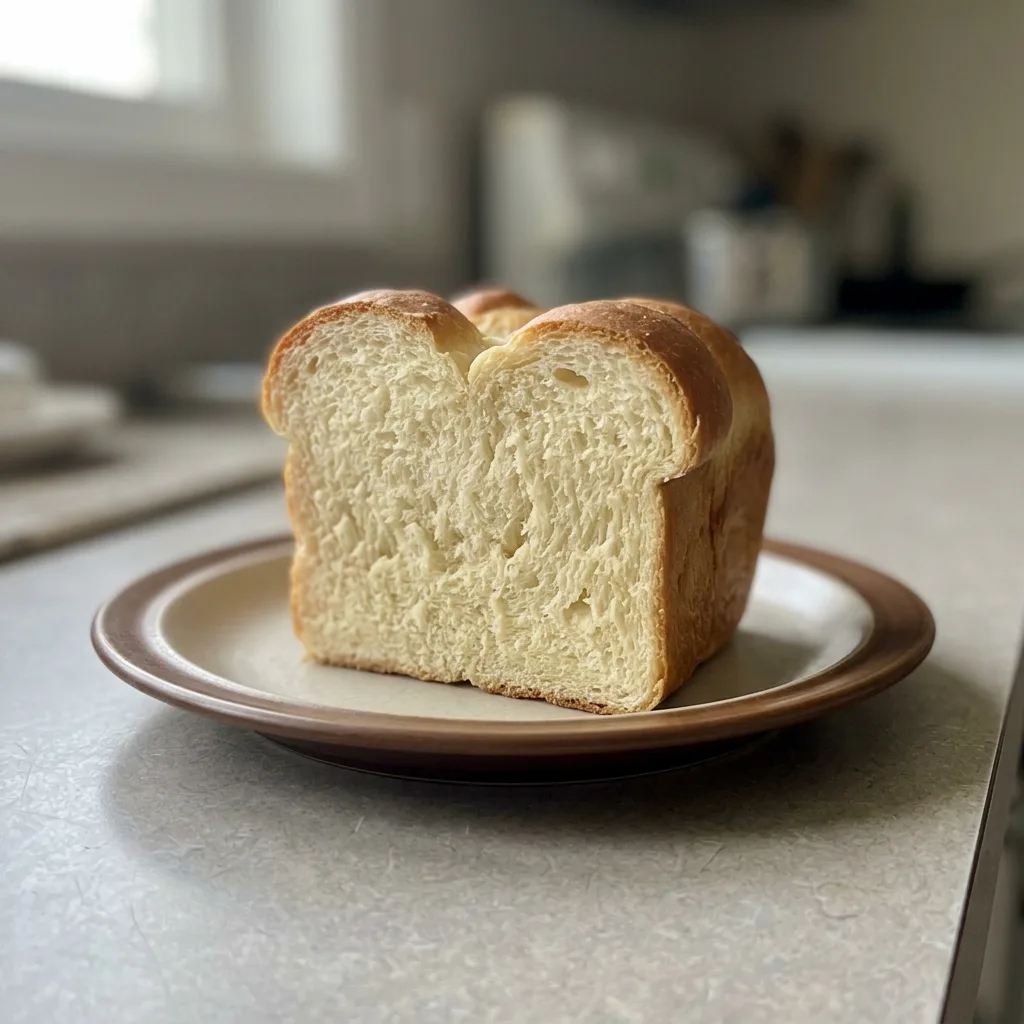
Japanese Milk Bread
Ingredients
Method
Whisk Tangzhong Base:
In a small saucepan, combine the water and bread flour, whisking until no lumps remain. Pour in the remaining milk and whisk again.Cook Tangzhong:
Set the saucepan over medium heat and whisk continuously until the mixture thickens to a pudding-like consistency.Cool Tangzhong:
Transfer the mixture to a bowl, press plastic wrap directly onto the surface to prevent a skin, and let it cool to room temperature.
Activate Yeast:
In the mixing bowl, stir together the lukewarm milk and about 1 tsp of sugar until dissolved. Sprinkle the yeast over the milk and stir gently; let stand for 10-20 minutes until bubbly and frothy.Mix Dough Ingredients:
After the yeast activates, add the remaining sugar, dry milk powder, tangzhong, egg, flour, and salt. Stir with a spatula until a shaggy dough forms.Knead Dough Initially:
Using the dough hook on low speed (2-3), knead for 5 minutes. The dough will be very sticky but will come together.Incorporate Butter:
Add the softened butter in 3-4 portions, mixing for about 20 seconds between each addition. Scrape down the bowl as needed.Knead Until Smooth:
Once the butter is fully incorporated, increase the speed to medium (4-5) and knead for 5-7 minutes, scraping the bowl once or twice, until the dough is smooth, silky, and pulls away from the sides.First Rise:
Turn the dough out onto a lightly floured surface, shape into a ball, and return it to the bowl. Cover with plastic wrap and let rise in a warm spot until doubled, about 1-2 hours.Optional Refrigeration:
Optional: Refrigerate the dough for a couple of hours for easier handling, or slow-proof in the fridge for about 12 hours.Prepare Pans:
Butter a 4.5×8.5-inch loaf pan and dust with flour. For dinner rolls, butter a 9- or 8-inch square cake pan and dust with flour. Set aside.Degas Dough:
Turn the proofed dough onto a lightly floured surface and press to release all gas.
Shape Loaf Rolls:
For the loaf: Weigh the dough and divide into 4 equal portions. Roll each into a 6-inch square. Fold opposite corners toward the center, then roll up tightly from the pointed end, pinching the seam to seal. Place seam-side down in the loaf pan (4 rolls per pan). Cover with plastic wrap and let proof in a warm place until doubled and just below the pan rim, about 1-2 hours.
Shape Dinner Rolls:
For rolls: Divide the dough into 9 equal pieces. Roll each into a smooth ball and place in the square pan, spacing ¼-½ inch apart. Cover with plastic wrap and let proof in a warm place until doubled, about 1-2 hours.
Bake Bread:
Preheat oven to 350°F (175°C). Brush the proofed bread with milk wash (matte crust) or egg wash (glossy crust). Bake loaf for 30-35 minutes, rolls for 20-30 minutes. If browning too quickly, tent with foil. Internal temperature should reach 190-205°F (88-96°C).Cool Bread:
Remove from oven and let cool in the pan for a few minutes, then turn out onto a wire rack to cool completely. Bread is easier to slice at room temperature but can be enjoyed warm.
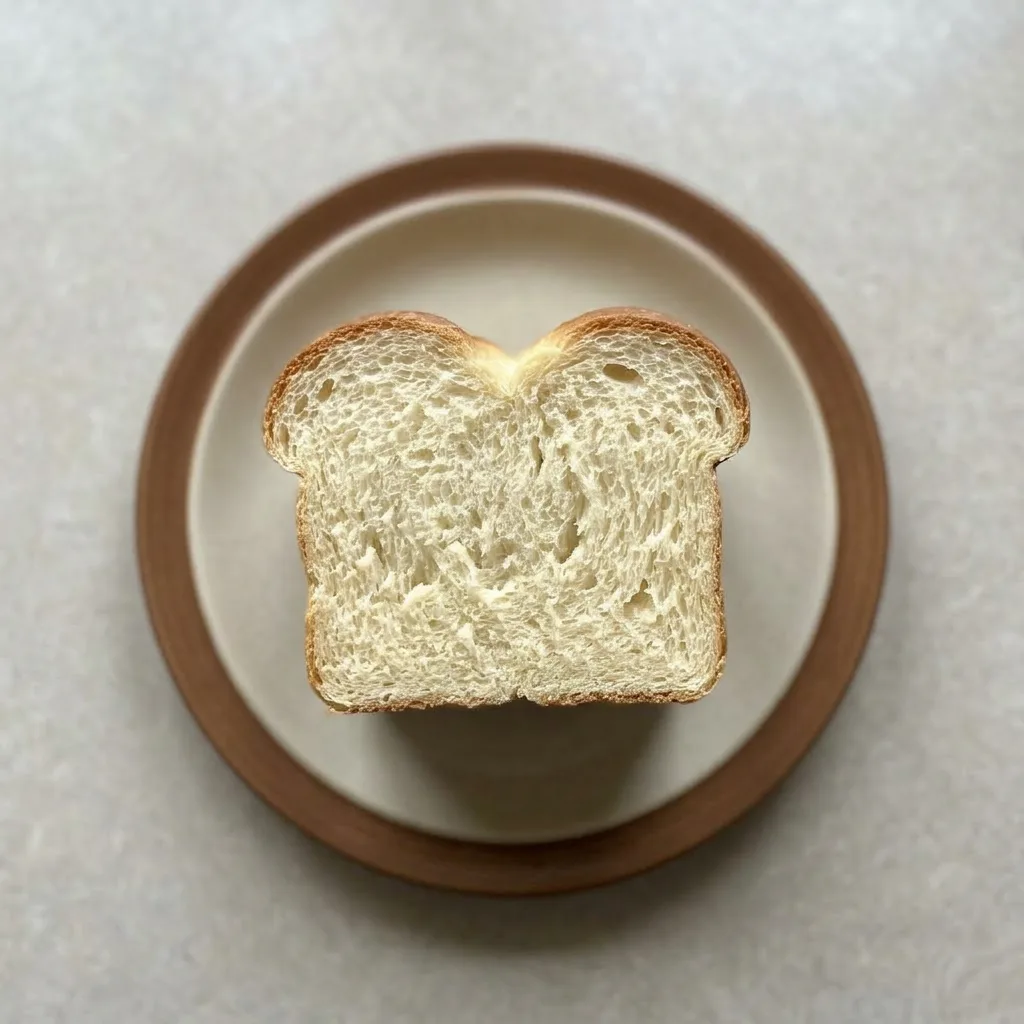
Three swaps that change how this bread behaves
Active dry yeast: Instant yeast: use the same weight (7 g). No need to proof in milk, add it directly to the flour.
Skip the 10 to 20 minute waiting step. Rise times may shorten slightly.
The final texture and flavor are nearly identical. If you proof instant yeast, it still works but you’re wasting the convenience.
Oatly). Use the same volume. Avoid watery plant milks, they’ll skimp on fat and protein.
The crumb will be less tender and slightly drier because whole milk’s fat and solids contribute to softness. Oat milk’s extra sugar can make the crust brown faster, check at 25 minutes for the loaf.
Bread flour: All-purpose flour by weight (350 g). Do not substitute by volume, AP is denser, so 2 2/3 cups AP would be too much. The crumb becomes less chewy and a bit more cakey.
The dough may feel slightly stickier during kneading. The loaf’s rise will be shorter (less gluten strength) and the slices won’t hold quite as tall. It’s still a soft, good bread, just not as toweringly fluffy.
How to store Japanese milk bread
This bread stays soft for three days at room temperature wrapped tightly in plastic or in a sealed bag. Beyond that, the crumb starts to stale. For longer storage, slice the bread and freeze it in a zip-top bag with the air pressed out.
It keeps for up to a month. Thaw slices at room temperature or pop them straight into a toaster. The crust re-crisps and the crumb stays moist.
Don’t refrigerate whole bread; the cold accelerates staling. If you made a loaf, slice only what you need and keep the rest whole until use. The serving window is tightest on day one, when the crumb is fluffiest, but it’s still great through day three.
For rolls, the same rules apply: freeze individually and reheat in a 350°F oven for 5 minutes. The tangzhong keeps the texture soft even after freezing, so you can bake ahead and enjoy it over a week.
Tips
- When making the tangzhong, drag a spatula through the paste; if the trail holds for a second without the paste flowing back, it’s ready. Overcooking can make it too thick and reduce moisture, so pull it off the heat as soon as you see that clean trail.
- For the windowpane test, wet your fingers slightly to prevent the dough from sticking when stretching. Dry fingers can tear the delicate gluten network, making you think the dough needs more kneading when it’s actually done.
Frequently Asked Questions
Can I make the dough the night before and bake the next day?
Yes, after the first rise you can refrigerate the dough for about 12 hours. The slow cold proof deepens flavor and firms the dough, making shaping easier. Next day, let it sit at room temperature 30 minutes before shaping, then proceed with the second rise and bake as directed.
Why did my bread turn out dense and not fluffy?
Most likely the dough didn’t develop enough gluten during kneading. You need that silky, windowpane-thin membrane before the first rise. Another common cause is under-proofing: the dough should double in each rise, and the loaf should proof until it’s just below the pan rim.
Check the internal temperature at 190, 205°F to confirm it’s baked through.
Can I freeze the baked bread or the unbaked dough?
You can freeze the baked bread after slicing, press out air in a zip-top bag and it keeps up to a month. Thaw slices at room temperature or toast. For unbaked dough, freeze it after shaping and before the second rise, then thaw overnight in the fridge and let it rise before baking.