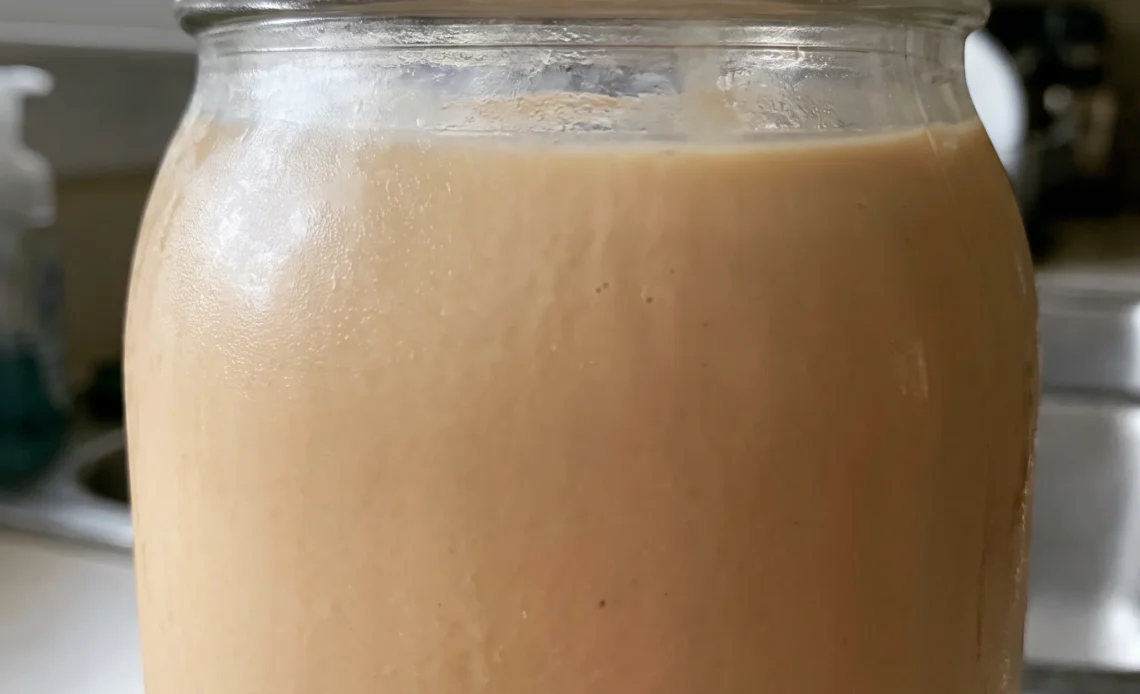
Come back to the jar after an hour and the drink tastes unfinished, thin in the middle and sharp at the edges, and that’s the honest difficulty with homemade irish cream liqueur: the mixing takes no time at all, the waiting is what you can’t rush or fake. Four things go in and nothing gets cooked, which sounds like an easy win until you taste it too early and wonder what went wrong. Nothing did.
The coffee hasn’t softened yet, the whiskey hasn’t settled into the cream, and the whole thing reads rough. Give it the cold and it turns even, thick enough to coat the glass.
The real risk isn’t the shake. It’s impatience.
Give It a Full Day in the Cold
Shaking the jar blends everything, but the drink needs a day in the fridge to become itself. Instant coffee granules won’t fully dissolve in cold liquid right away. They need hours to soften and spread through the mix.
If you pour a glass after an hour, you’ll feel tiny specks on your tongue, and they taste bitter. The whiskey is sharp at first, too.
Given time, that raw edge fades and the cream, coffee, and vanilla come forward. The whole mixture thickens slightly as it chills, so it coats your mouth instead of feeling thin. That body also helps it pour without separating.
A full 24 hours is the difference between a drink that tastes thrown together and one that tastes even. You can shake it again before serving if you like, but the long rest does the real work. Wait the full day.
The texture and flavor are worth it.
Pick a Whiskey You’d Sip, Not One That Fights
The whiskey you choose sets the whole tone. One cup to two cups of cream is a deliberate balance.
More whiskey and the alcohol takes over, numbing your tongue and hiding the coffee and vanilla. Less, and the drink turns thin and too sweet, more like melted ice cream than a liqueur. A smooth blended whiskey works because it steps back and lets the dairy and coffee speak.
Heavily peated bottles, like a smoky Islay, or cask-strength spirits push everything else aside. You’ll taste smoke and heat, not cream. The alcohol also keeps the mixture from spoiling and carries the coffee and vanilla through every sip.
Cut it too far and you lose both flavor and shelf life. So choose a bottle you’d happily drink on its own, nothing fancy required.
A straightforward Irish blend is a solid pick. The result is a liqueur where no single note shouts.
The Small Spoons That Do Heavy Lifting
A teaspoon each of instant coffee and vanilla looks like almost nothing, yet they shape the final taste. Instant coffee gives that roasted, slightly bitter depth you expect from Irish cream.
It does it without adding liquid or needing a brew step. The coffee flavor has to come through the cream and whiskey, and this is the simplest way. Vanilla works in the other direction.
It softens the sweetness of the condensed milk and makes the cream taste richer, more rounded. Both are strong, so a little goes far. Too much coffee and the liqueur turns bitter and dusty.
Too much vanilla and it tastes like candy, not cream. Measure them level, not heaped. When you shake the jar, they’ll disappear into the mix.
After the long chill, you won’t see them, but you’ll taste their effect in every sip. That balance is what makes the drink taste finished.
The Can That Holds Everything Together
Sweetened condensed milk isn’t just a sweetener here. It’s what keeps the cream and whiskey from splitting.
Its thickness and sugar content act like a stabilizer, holding the two liquids in a smooth blend. Without it, you’d need heat to dissolve sugar, and that would cook the cream, changing its fresh taste.
The can gives you body and sweetness straight from the shelf, so you can make the liqueur without turning on the stove. That means the cream stays raw and bright.
The condensed milk also adds a subtle cooked note that plays well with the coffee. When you shake everything together, the mixture looks uniform.
After chilling, it stays that way, no oily film on top, no separation at the bottom. If you’ve ever had a homemade cream liqueur turn grainy, this is the ingredient that prevents it. The result is a drink that pours clean and tastes smooth from the first glass to the last.
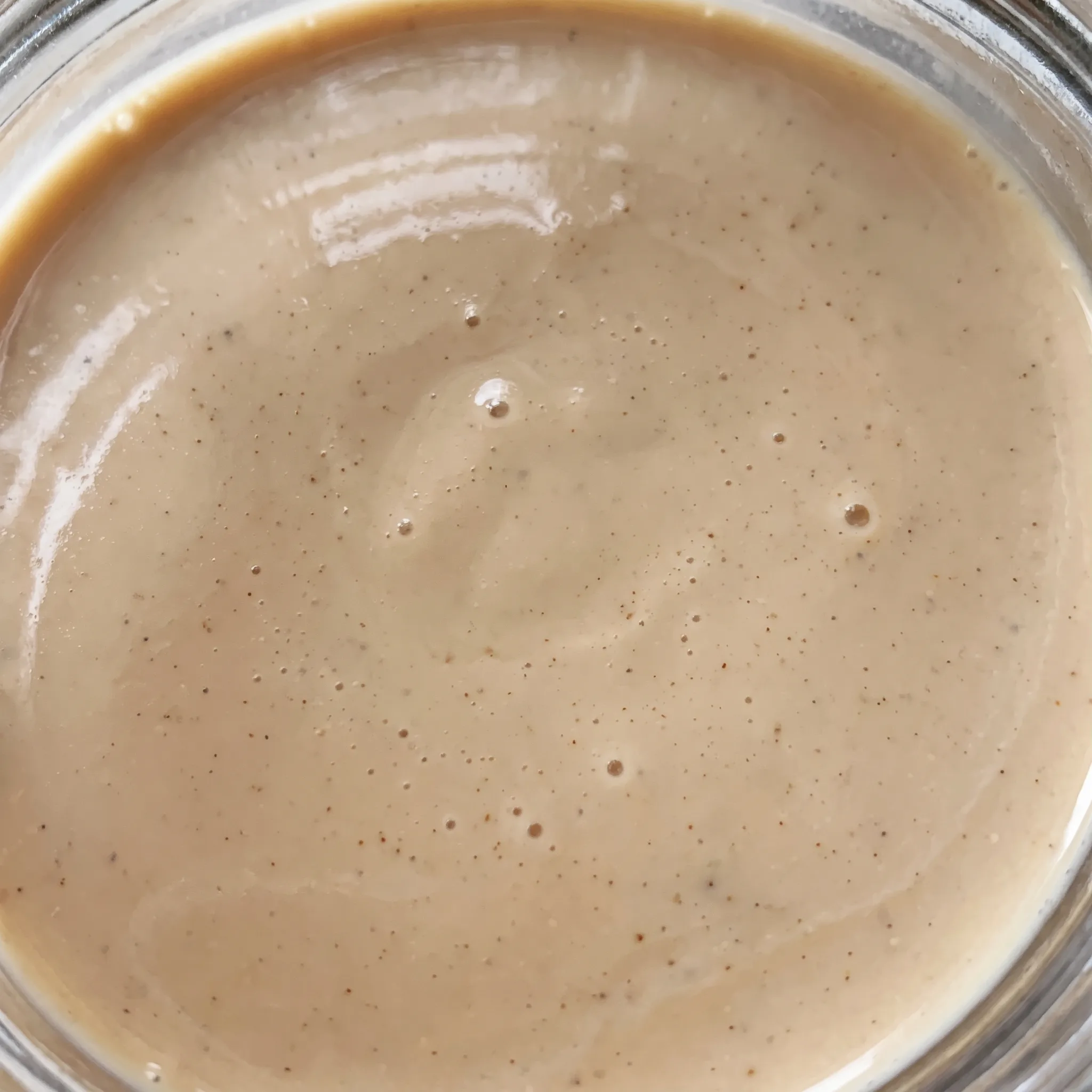
What to Look For Before You Shake
Sweetened condensed milk: A 14 oz can of sweetened condensed milk, not evaporated milk, gives the body that keeps cream and whiskey from splitting.
Light cream or half-and-half: Light cream or half-and-half brings richness without the heaviness of whipping cream, which can turn the drink too thick.
Whiskey: A smooth blended Irish whiskey, one you’d sip neat, blends in without smoky or harsh notes taking over.
Instant coffee: Instant coffee granules, not brewed coffee or espresso powder, dissolve into the mix and give that roasted depth without extra liquid.
Vanilla extract: Pure vanilla extract, not imitation, rounds out the sweetness and makes the cream taste richer.
How to Tell It’s Coming Together
Reading the Shake
After a good shake, the mixture should look uniform, with no streaks of condensed milk clinging to the sides or pooling at the bottom. If you see ribbons of white that won’t blend, keep shaking. The cream and whiskey are fighting, and the condensed milk hasn’t spread through yet.
A minute of hard shaking usually does it. Once it’s even, you’re done. Don’t overthink it; just make sure there are no lazy pockets left.
Spotting Separation After the Chill
After 24 hours in the fridge, the liqueur should be one smooth liquid. If you notice a thin, oily film on top or a watery layer at the bottom, it has separated.
That can happen if the condensed milk wasn’t fully incorporated or if the cream was too cold when you mixed. Shake it hard again; if it comes back together and stays that way for a minute, it’s fine.
If it splits again right away, the batch may be unstable, and the texture will be off.
Judging the Texture on the Tongue
Take a small sip after chilling. It should feel slightly thick, coating your mouth without being gloppy. If it’s watery, the cream might have been too light or the ratio off.
If it’s too thick, it’s likely still cold; let it sit for a minute. The body should be like heavy cream, not syrup.
That texture tells you the condensed milk did its job. If it’s thin, the drink will taste sharp and the whiskey will hit too hard.
Balancing the Bite of Alcohol
The whiskey shouldn’t burn or numb your tongue. If it does, either the whiskey is too strong or the mixture needs more time to settle.
After a full day, the alcohol should be present but mellow, letting the coffee and vanilla show. If it still tastes hot, you can stir in a tablespoon more cream, but that changes the balance. Better to wait another few hours.
The goal is a smooth sip where no single element shouts.
Checking the Coffee and Vanilla
You’re looking for a faint roasted note from the coffee and a soft vanilla backdrop. If the coffee tastes bitter or gritty, the granules didn’t dissolve fully. That means it needed more shaking or a longer rest.
If the vanilla dominates and makes it taste like candy, you used too much. Both should be subtle, supporting the cream and whiskey.
Adjust by adding a tiny pinch more coffee or a drop less vanilla, but only if it’s really off.
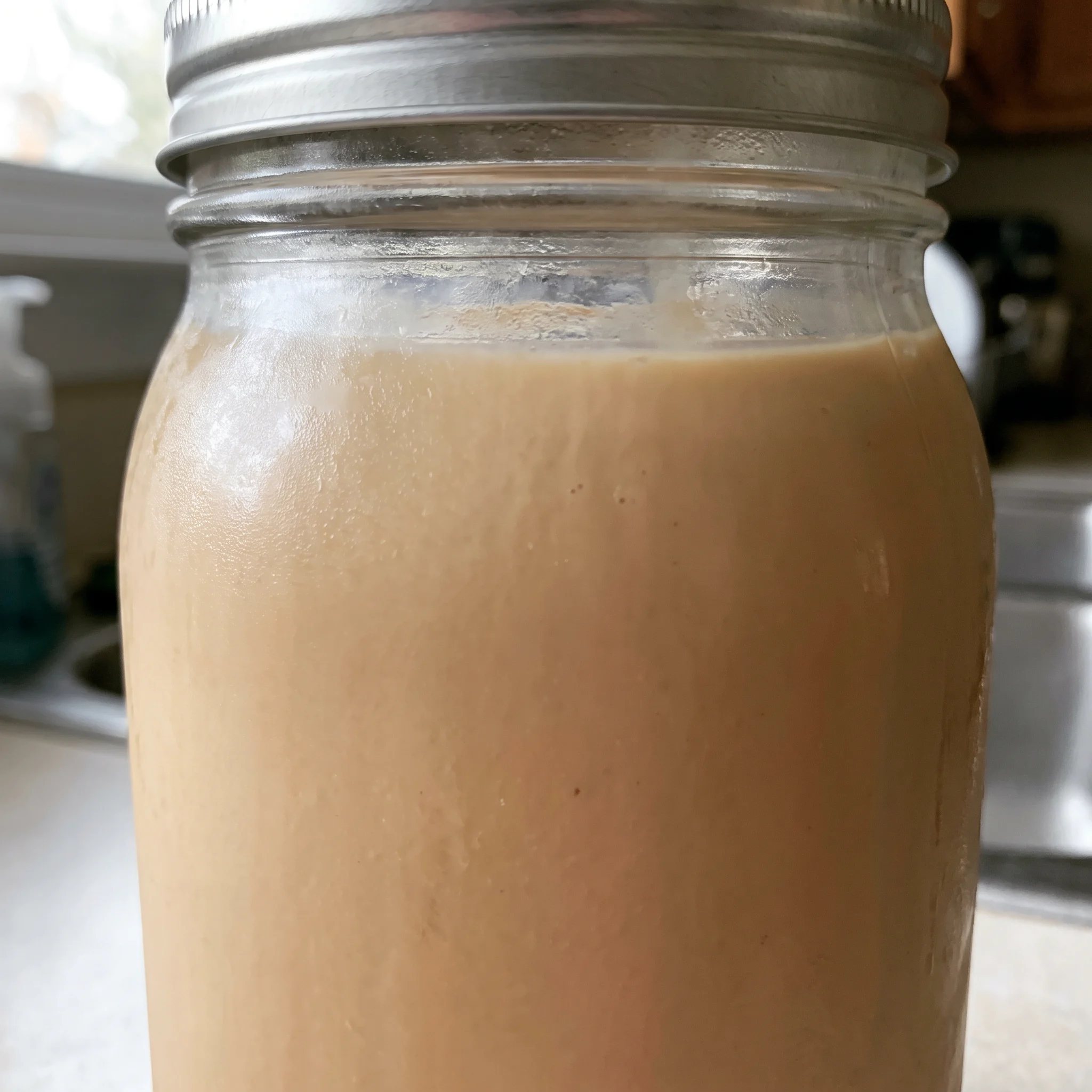
Homemade Irish Cream Liqueur with Whiskey
Ingredients
Method
- In a jar with a tight-fitting lid, combine all ingredients.
- Shake to mix well. Chill at least 24 hours before serving.
- Store in the refrigerator up to 2 weeks.
Where You Can Bend the Recipe and Where It Breaks
Light cream or half-and-half: Whole milk works if that’s what’s in the fridge, and it drops the fat considerably. The liqueur turns noticeably thinner, closer to spiked milk than to a cream liqueur.
It still tastes right, but it won’t coat your mouth the same way and the whiskey hits harder without the fat to cushion it. Heavy cream goes the other direction, and too far: the drink turns thick and slick, almost like a melted milkshake, and it can feel heavy on the tongue after a glass. Half-and-half sits in the middle and is the safest swap if light cream isn’t available.
Whiskey: Use the same one cup, no more, no less. A blended Irish whiskey is the baseline.
Bourbon brings sweetness and a little char, which reads well against the vanilla. Canadian whisky stays soft and light.
Rye adds a peppery edge that can fight the coffee. The ratio of one cup whiskey to two cups cream is fixed, so this is the one ingredient to treat conservatively. A single malt Scotch or anything heavily peated will bury the cream and coffee under smoke, and a cask-strength bottle pushes the alcohol forward enough to numb your tongue.
Cheap, harsh whiskey doesn’t mellow after a day in the cold. It just tastes like cheap, harsh whiskey with cream in it. Pick something you’d drink on its own and the rest follows.
Sweetened condensed milk: There’s no good dairy-free stand-in that behaves the same way. Coconut condensed milk is the closest option, but it carries a distinct coconut flavor that doesn’t hide behind the coffee and whiskey.
The condensed milk is doing two jobs: sweetening and holding the cream and whiskey in a stable blend. Swap it for a thinner sweetener, like maple syrup or plain sugar, and you lose that stability.
The mixture can separate in the fridge, leaving an oily film on top and a watery layer below. Coconut condensed milk will hold the blend together, but expect the coconut to come through in every sip, especially after the long chill.
If someone at the table can’t do dairy, this is a drink to skip rather than fake.
Instant coffee: Brewed espresso or strong coffee is the tempting substitute, and it’s the wrong move. Espresso powder is a better option than brewed coffee if instant granules aren’t on hand. Instant coffee is here because it dissolves into the mixture without adding liquid.
Brewed coffee adds water, which waters down the body and gives the whiskey more room to dominate. Espresso powder dissolves more readily than granules and delivers a deeper roast, so use a little less than the teaspoon called for and taste after the chill. If you only have brewed coffee, skip it rather than pour it in.
The drink will taste flatter, but it won’t be thin.
Storage and Serving: Drink It Within Two Weeks, Shake Every Time
Keep the liqueur in the jar you shook it in, lid tight, in the fridge. The card gives it 2 weeks there, and that span is real but uneven. The first three or four days are the peak: the whiskey has settled, the coffee has dissolved, and the texture is thick enough to coat a glass without feeling heavy.
Drink it inside that window if you can. Past a week, it’s still fine, but the cream thins out and the coffee turns faintly stale. By day 10 or 12, the whiskey reads sharper again because the dairy has lost some body, and you’ll notice a watery edge on the finish.
It never freezes well. Cream and condensed milk split when thawed, and you get a grainy, separated pour no amount of shaking fixes, so don’t bother.
Before every pour, shake the jar 10 to 15 seconds. The condensed milk sinks and the cream rises between servings, and a still jar pours thin on top and sweet at the bottom.
Serve it cold, straight, over ice if you like, in a small glass. This is a sipping liqueur at 220 calories per serving across 12 servings, so keep pours modest.
Use it in coffee or over vanilla ice cream the last few days, when the texture has slipped but the flavor is still good.
Tips
- Shake the jar with the lid on for a full minute before it goes into the fridge, not a quick five-second swirl. The condensed milk is dense and will sit at the bottom of the jar as a slug if you stop early; once it’s chilled, that slug stays put and you pour a first glass that tastes thin while the last glass tastes like syrup.
- If your jar has a metal lid, line the threads with a strip of plastic wrap before screwing it on. Whiskey and cream both creep into the threads, and after a day in the fridge the sugar in the condensed milk dries there and glues the lid shut, which is a real problem when you need to shake before every pour.
Instant coffee is designed to dissolve in hot water, so in a cold mixture of cream, condensed milk, and whiskey it stays as suspended specks unless given many hours to hydrate and distribute. At the same time, the whiskey’s ethanol initially sits as a sharp, separate layer because fat and alcohol do not spontaneously homogenize; the condensed milk’s sugar and thickness slow that integration, so the liqueur needs an extended chill for the alcohol bite to soften and the flavors to marry into one continuous liquid.
Frequently Asked Questions
Can I make this Irish cream liqueur ahead of time for a party?
Yes, and you should. The mixture needs 24 hours in the fridge before it tastes even, so build that into your party timeline rather than making it the same day. Count back from when you plan to serve: shake the jar, chill a full day, and you’re pouring at its best.
The first three or four days after that are the peak window, so a batch made midweek drinks well through the weekend. Keep it in the jar you shook it in, lid tight, and give it 10 to 15 seconds of shaking before each pour.
Why did my homemade Irish cream separate or curdle?
Most often the condensed milk didn’t get fully worked through the cream and whiskey, so the blend never came together in the first place. Check the jar right after shaking: any ribbons of white clinging to the sides or pooling at the bottom mean it needs more shaking, not more ingredients. A second cause is cold cream going in, which makes the fat seize before the condensed milk can spread through it.
If you spot a thin oily film on top or a watery layer below after the chill, shake hard again. When it comes back together and stays smooth for a minute, the batch is fine to drink; if it splits again right away, the texture will be off no matter how long you shake.
How does this homemade version compare to store-bought Baileys?
This one tastes fresher and less candy-sweet, because you’re controlling the whiskey and the condensed milk is doing the sweetening without anything else layered on top. The coffee note is fainter than the commercial bottle, more of a roasted backdrop than a distinct flavor, and the whole thing is a touch thinner than the shelf version unless you pour it straight from the cold fridge. What you gain is a whiskey you actually chose, so if you picked a smooth blend, that’s what comes through the cream.
The tradeoff is shelf life: this lives in the fridge for 2 weeks, and its best days are the first few.
How long does homemade Irish cream liqueur last in the fridge?
Two weeks, but the drinking window is uneven. The first three or four days are the peak, with the whiskey settled and the texture thick enough to coat a glass. Past a week it’s still fine, though the cream thins and the coffee goes faintly stale, and by day 10 or 12 the whiskey reads sharper again over a watery finish.
Don’t freeze it: cream and condensed milk split on thawing and no amount of shaking brings that back. When the texture slips in the last few days, it’s still worth pouring into coffee or over vanilla ice cream.
