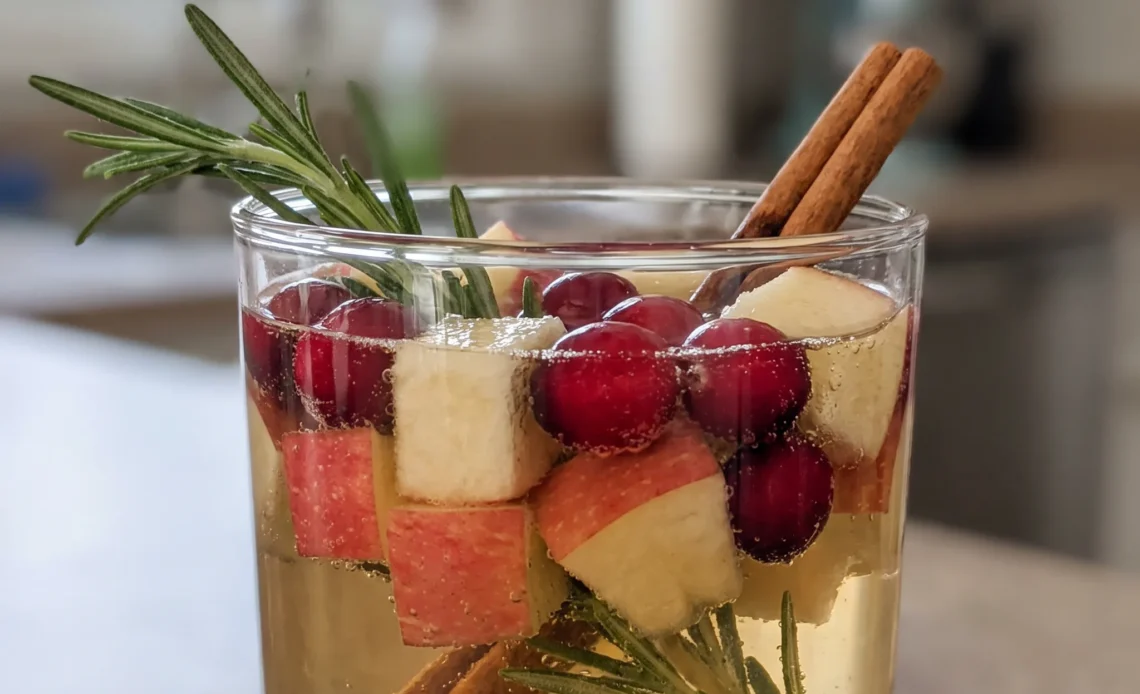
Pale as fresh snow in a glass, this white sangria pairs the crisp bite of white cranberry and apple with warm cinnamon, a combination that reads festive without the heaviness of red wine. The rosemary sprig on top is more than a garnish; it adds a piney note that somehow makes the whole drink feel like a winter walk. It’s a refreshing turn for holiday gatherings, where a cold, bright drink can cut through rich food better than another mulled wine.
Getting it right takes a little patience and a gentle hand with the fizz, but the reward is a pitcher that looks like winter and tastes like a cold, clear afternoon.
The 4-hour chilled infusion allows the fruit to release flavors into the wine, but if the fruit settles at the bottom, the top portion of the sangria may taste less infused. Stirring gently before serving helps redistribute the fruit, but the key is to ensure the infusion happens evenly, which is achieved by the long chill time and initial stirring.
Choose the Pale Base
A dry white wine like Sauvignon Blanc keeps this sangria light and crisp. White cranberry juice, instead of the red kind, keeps the color clear and the tartness gentle. The red apple and fresh cranberries add color without turning the pitcher murky.
That’s what makes it feel right for winter gatherings: it’s cold and bright, not heavy. The flavors stay clean, and the wine’s acidity carries through.
You end up with a drink that looks like snow and tastes like a cold afternoon.
Let the Chill Do the Work
Four hours in the fridge gives the fruit and cinnamon time to release their character into the wine. The apple softens slightly, the cranberries pop a little, and the cinnamon warms the background.
Skipping or cutting that wait leaves you with wine that tastes separate from the fruit. Chilling also brings the whole pitcher to the right temperature, so when you pour, it’s already cold and settled.
You want that patience: the difference shows in the first sip.
Add the Sparkle Last
The lemon-lime soda goes in right before serving. That’s what keeps the fizz alive. Pour it in and give the pitcher a gentle stir, or you’ll lose the bubbles.
The soda adds a bright, refreshing edge and a little sweetness that rounds out the wine’s dryness. It doesn’t cover up the fruit or the spice; it lifts them.
You taste the crispness at the end, which is exactly what a light sangria should have.
Picking the Right Bottle and Fruit
Sauvignon Blanc: Use a dry one you’d drink on its own. Chardonnay or pinot grigio work too.
Orange liqueur: Cointreau is smoother, triple sec is sweeter. Both are fine here.
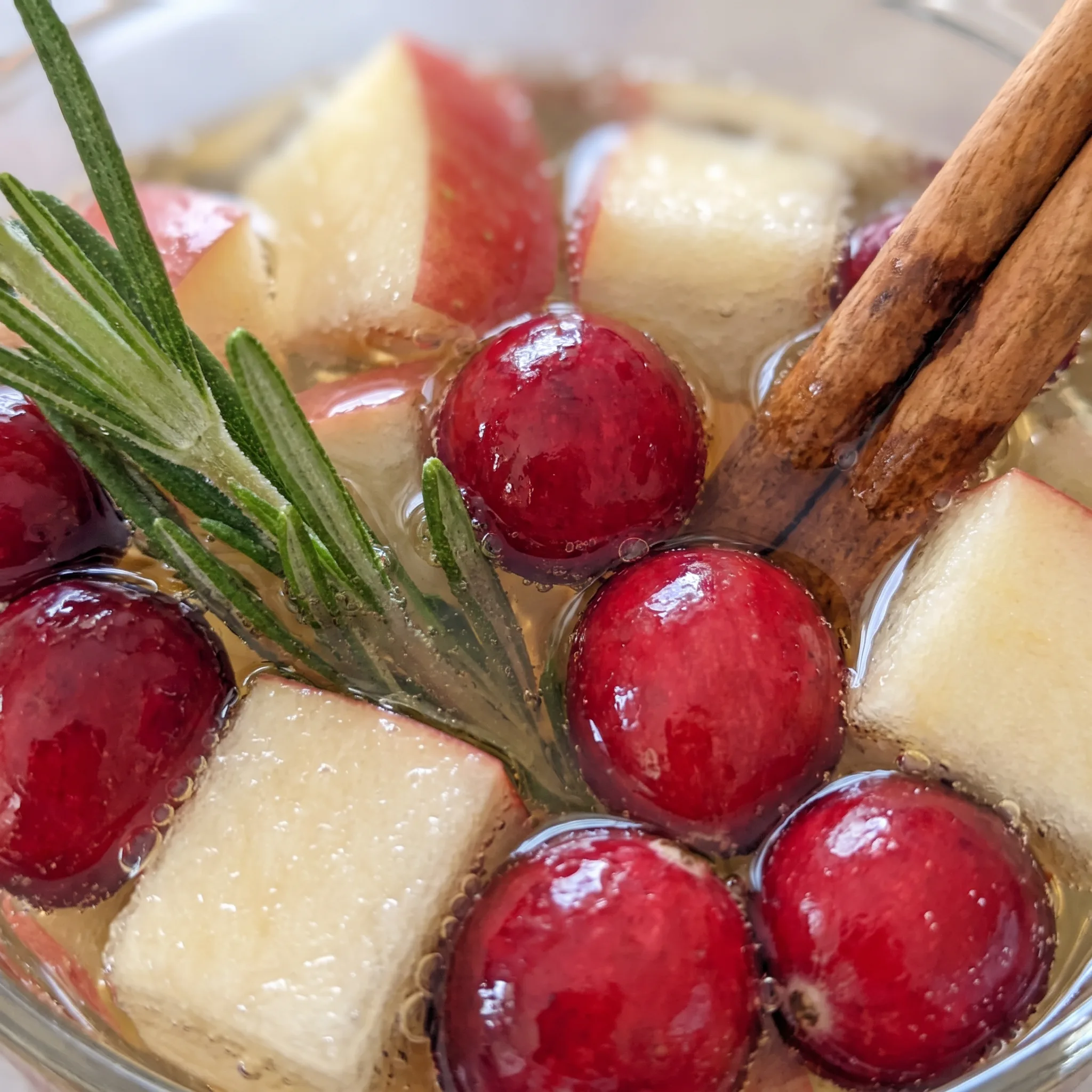
Red apple: Cut into 1-inch cubes so they hold up through the chill without turning soft.
Fresh cranberries: Keep them whole. They soften in the wine but stay intact if not sliced.
Lemon-lime soda: Add it cold, right before serving, so the fizz doesn’t die in the fridge.
Judging the Sangria as It Comes Together
Tasting for balance before the chill
Right after stirring, the wine’s acidity and the liqueur’s sweetness are still separate. Taste a spoonful. The cranberry juice should brighten, not dominate, and the lime should add a edge, not a pucker.
If it tastes sharp, a bit more liqueur balances it. If it’s syrupy, a splash of wine evens it out.
The chill will mute flavors slightly, so aim for a touch more assertive than you want the final glass.
Reading the fruit after the chill
After the 4-hour rest, the apple cubes should be slightly translucent at the edges, and the cranberries should look softened but intact. If the apple is still fully opaque, the wine hasn’t pulled enough flavor out.
Give it another hour, not more than two, or the fruit turns mushy. If cranberries have burst and clouded the pitcher, the chill ran long.
The sangria still tastes fine, but it will look less clear.
Adding the soda without killing the fizz
When you pour in the lemon-lime soda, watch how it settles. It should create a gentle swirl, not foam up violently. A hard pour or vigorous stir collapses the bubbles, leaving a flat, sweet wine.
Stir with a long spoon, two or three slow turns. You’ll see the soda’s fine bubbles rise through the liquid. That visual is your cue: it’s ready to pour.
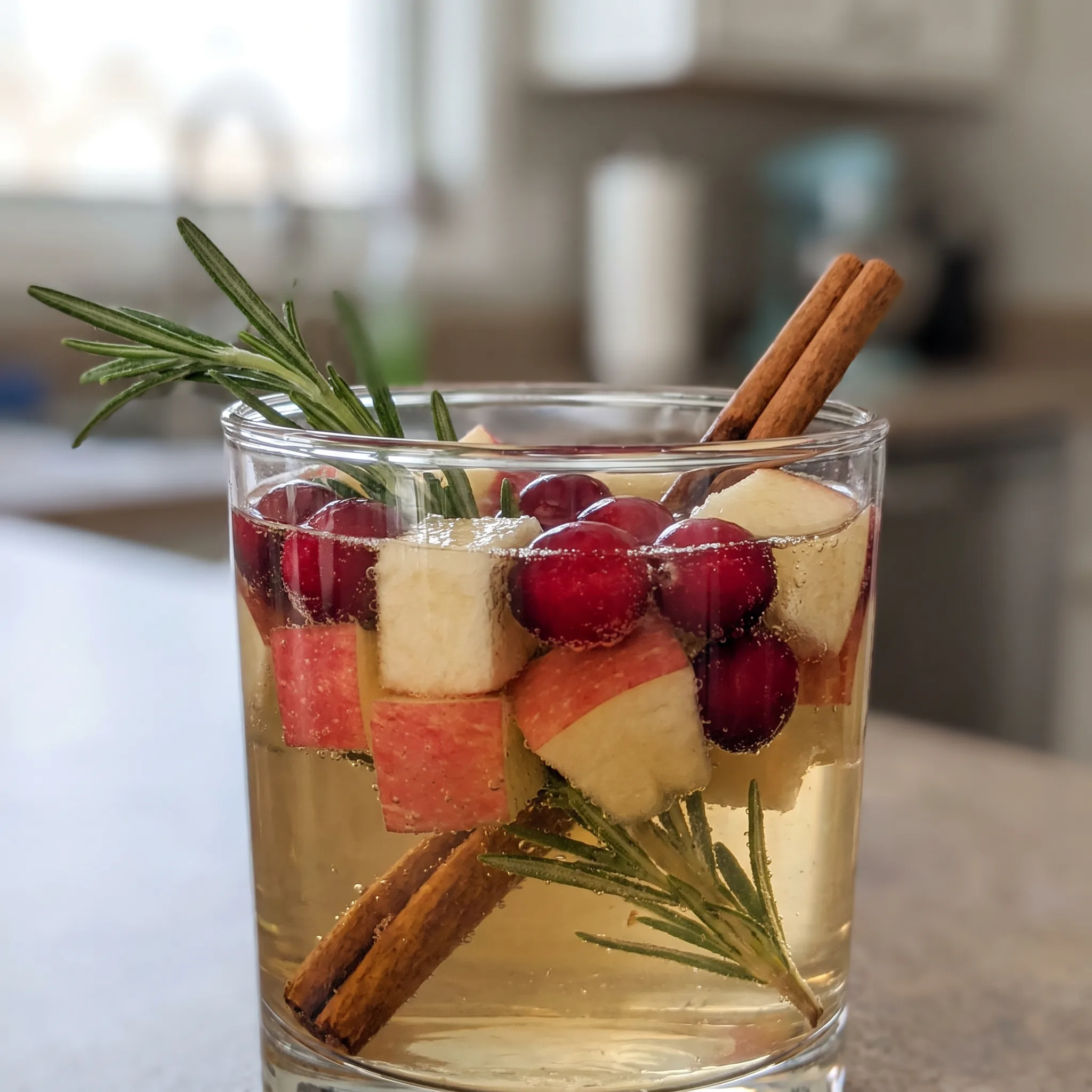
White Cranberry Apple Sangria
Ingredients
Method
- Place the cubed red apple, fresh cranberries, and cinnamon sticks into a large pitcher.
- Add the Sauvignon Blanc, orange liqueur, white cranberry juice, and lime juice, then stir thoroughly.
- Seal the pitcher with plastic wrap and chill for 4 hours so the flavors can combine.
- Right before serving, mix in the lemon-lime soda to keep its carbonation.
- Ladle the sangria into individual glasses, topping each with fruit from the pitcher, a cinnamon stick, and a rosemary sprig if you like.
Swap the Liqueur, Keep the Chill
Orange liqueur: Non-alcoholic orange extract or more white cranberry juice. For a no-alcohol version, replace the 1/3 cup liqueur with 1 teaspoon orange extract plus 1/3 cup white cranberry juice.
The extract gives the bright orange note without the sweetness or booze; the juice keeps the volume and adds a touch of tartness. If you skip the extract and just add more juice, expect a rounder, less zesty sangria.
White wine: Crisp non-alcoholic white wine or extra white cranberry juice. For a mocktail, swap the 750 ml wine for a non-alcoholic white wine that’s dry and crisp. If you use extra juice instead, the sangria turns sweeter and loses the wine’s acidity, so you might want to add a squeeze of lime to brighten it.
Start with the same amount the recipe calls for and taste before chilling.
Sauvignon Blanc: Dry Riesling or Albariño. Both keep the same crisp, light character. Avoid oaky chardonnay or anything sweet, because the cranberry juice and soda already bring enough sweetness; a heavy wine will make the pitcher taste flabby.
Lemon-lime soda: Club soda plus a pinch of sugar. If you want to cut the sweetness, use club soda and add a pinch of sugar to each glass.
You lose the citrus flavor, so add a twist of lemon peel to the pitcher. Keep the soda cold and add it right before serving, or the fizz dies.
Tips
- Taste the wine before adding it to the pitcher. If it tastes heavily oaked or buttery, choose a different bottle. Those flavors will dominate the sangria and clash with the tart cranberry and lime, making the final drink taste heavy and sweet rather than crisp.
- If you prefer a drier sangria, cut back the orange liqueur to 1/4 cup. The liqueur’s sweetness, combined with the cranberry juice and soda, can push the drink toward overly sweet, especially if the wine you use has any residual sugar.
Storage and Serving
This sangria tastes best within 24 hours of adding the soda. The fizz starts to fade after a few hours, so if you’re not serving it all at once, keep the soda separate and add it to each glass or the pitcher just before pouring. Leftovers without soda can be refrigerated for up to 2 days.
The fruit will continue to soften and absorb wine, so the texture shifts from crisp to more yielding. That’s not a flaw, but the apple loses its bite and the cranberries turn slightly jammy.
If you prefer a brighter fruit texture, strain out the fruit before storing and add fresh fruit when you serve again. The wine and juice mixture holds fine without the fruit.
Don’t freeze the assembled sangria; the wine’s structure breaks down and the fruit turns mushy. You can freeze the wine and juice base in an airtight container for up to a month, but add fresh fruit and soda after thawing.
For the best experience, pour the sangria within the first hour of adding the soda, while the bubbles still lift the wine’s acidity.
Frequently Asked Questions
Can I make this sangria ahead of time?
Yes, but wait on the soda. The wine, juice, liqueur, and fruit can sit in the fridge for up to 2 days without the soda, per the storage notes. Add the lemon-lime soda just before serving to keep the fizz.
If you’re holding it longer than a few hours after adding soda, expect the bubbles to fade.
How long should I chill the sangria?
The recipe calls for 4 hours in the fridge, and that’s the sweet spot. You’ll see the apple edges turn slightly translucent and the cranberries soften but stay intact.
If you’re short on time, even 2 hours will chill it, but the fruit won’t release as much flavor. Don’t go past 6 hours or the fruit starts to break down and cloud the pitcher.
What if I don’t have orange liqueur?
You can swap in orange extract and extra white cranberry juice, as the substitutions section explains. For a boozy version, try a splash of brandy or amaretto, but that changes the flavor profile. The key is keeping that bright orange note without overwhelming the wine’s crispness.
Can I use red wine instead of white?
You can, but it won’t be the same drink. Red wine brings tannins and deeper fruit, which will muddy the light, clear character this sangria is built around. Stick with a dry white like Sauvignon Blanc, or a dry Riesling or Albariño if you want to switch it up.
If you go red, expect a heavier, less refreshing result.
How do I keep the fizz from going flat?
Add the soda cold and right before serving, then stir gently with a few slow turns. The bubbles are fragile, so a hard pour or vigorous stir will knock them out.
If you’re not serving the whole pitcher at once, keep the soda separate and add it to each glass or the pitcher just before pouring. Leftovers with soda will go flat within a few hours.
