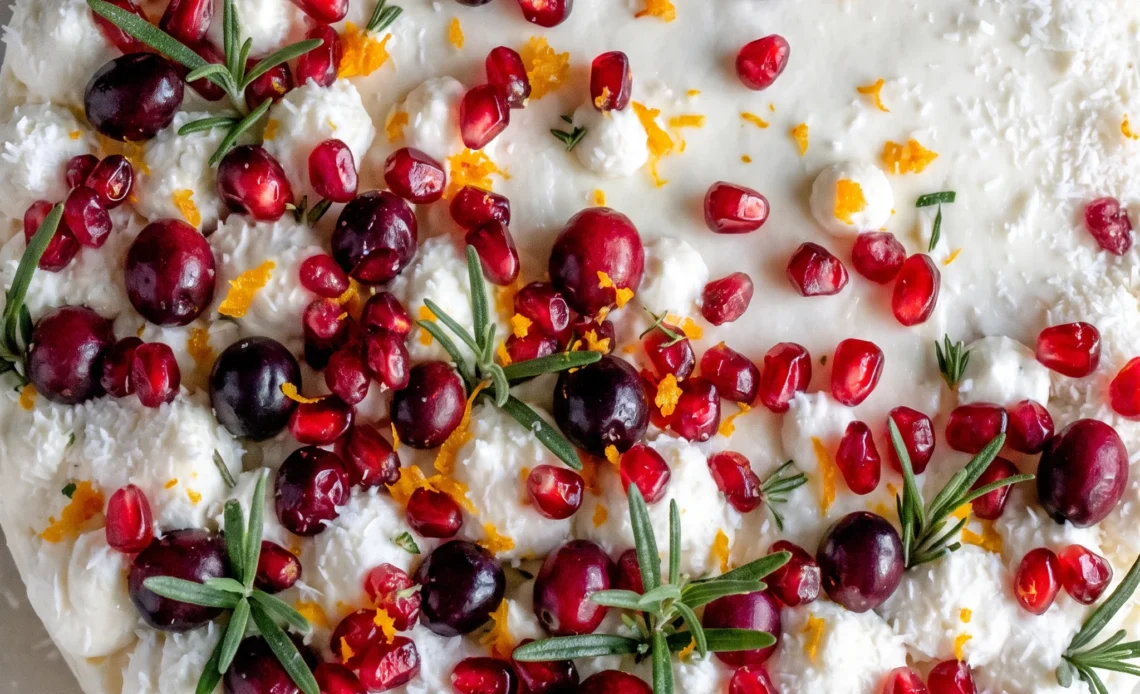
One forkful tells you what kind of cake this is. The crumb gives almost no resistance, soft and cool from the fridge, and orange oil rises off it before you taste anything. Then the cranberry hits, bright and sharp against all that sugar, and the cream cheese cuts through both.
None of those three parts is complicated on its own. The trouble starts where they meet: a filling that won’t sit still under frosting, a crumb that can go tight if you look at it wrong.
This orange layer cake has a narrow margin in a few places, and most of them show up before the cake ever goes in the oven. What follows is the version that holds together on the plate.
Why This Cake Uses Oil and Orange Juice
Butter brings flavor, but it also brings a crumb that firms up when cold. This cake leans on oil and a full cup of orange juice for a different result: a crumb that stays soft straight from the fridge, and a citrus note that runs through every bite instead of sitting on top.
That much liquid would turn a creamed-butter cake into a gummy slab, so the wet ingredients go in stages. Eggs and sugar get whipped until pale and thick, then oil, juice, zest, and vanilla go in before any flour.
Once the dry mixture hits the bowl, there’s no chance to overwork it. Sifting the flour and baking powder together does the work of breaking up lumps, so a few folds are enough to bring the batter together.
Divide it evenly between the two pans. When both layers bake at the same thickness, they stack level without a slant, and neither one dries out waiting for the other to catch up.
The Split Cranberry Filling
A good layer cake filling needs two things that pull against each other: enough body to stay put under frosting, and enough fresh tartness to cut the sweet crumb. Cranberries give you both if you treat them in two parts. One cup goes into the pan and cooks down until the skins pop and the mixture thickens into a loose jam.
The natural pectin in the fruit tightens it as it cools, so no cornstarch or gelatin is needed. The remaining half cup gets chopped and stirred in off the heat, still raw and firm, so the filling keeps a bright edge and a little texture instead of turning into a uniform paste.
Butter melts in at the end and softens the sharpness, while a teaspoon of orange zest ties the filling to the cake. That filling has to chill until it’s fully set. Spread it warm and it’ll bleed into the frosting and soak the layers.
Cream Cheese Frosting That Won’t Turn Soupy
Frosting fails when the dairy isn’t the same temperature. Cold cream cheese stays lumpy no matter how long you beat it, and soft butter next to it just sloshes around. Leave both on the counter until they give under a light press, no cool center.
Full-fat block cream cheese is the other half of the battle. The tub kind is whipped with extra water and stabilizers, so it never firms up enough to hold a swirl.
Powdered sugar should be sifted, not scooped straight from the bag, or you’ll chase stubborn lumps through the whole bowl. A pinch of salt and a teaspoon and a half of vanilla don’t make the frosting taste salty or vanilla-heavy. They sharpen the tang of the cream cheese and keep the powdered sugar from reading as flat sweetness.
The result should be thick enough that a spatula leaves a clean trail.
Stacking a Cake That Won’t Slide
A filled layer cake is a small structure, and the filling is the weak point. Cranberry filling that’s still warm or loose will push the top layer sideways and weep through the frosting within an hour.
It needs to be cold and set, thick enough that a spoon stands up in it. Cake domes are the other culprit.
Trim them flat so the layers sit flush; a domed top means the cake rocks and the filling squishes out the low side. If the filling is on the runny side, pipe a ring of frosting around the edge of the bottom layer first, then spoon the cranberry inside it.
That dam keeps everything contained. Once assembled, the whole cake goes into the fridge. Chilling firms the frosting and the filling together, so the first slice comes out clean instead of collapsing.
I’ve found that a cold cake cuts neater every time.
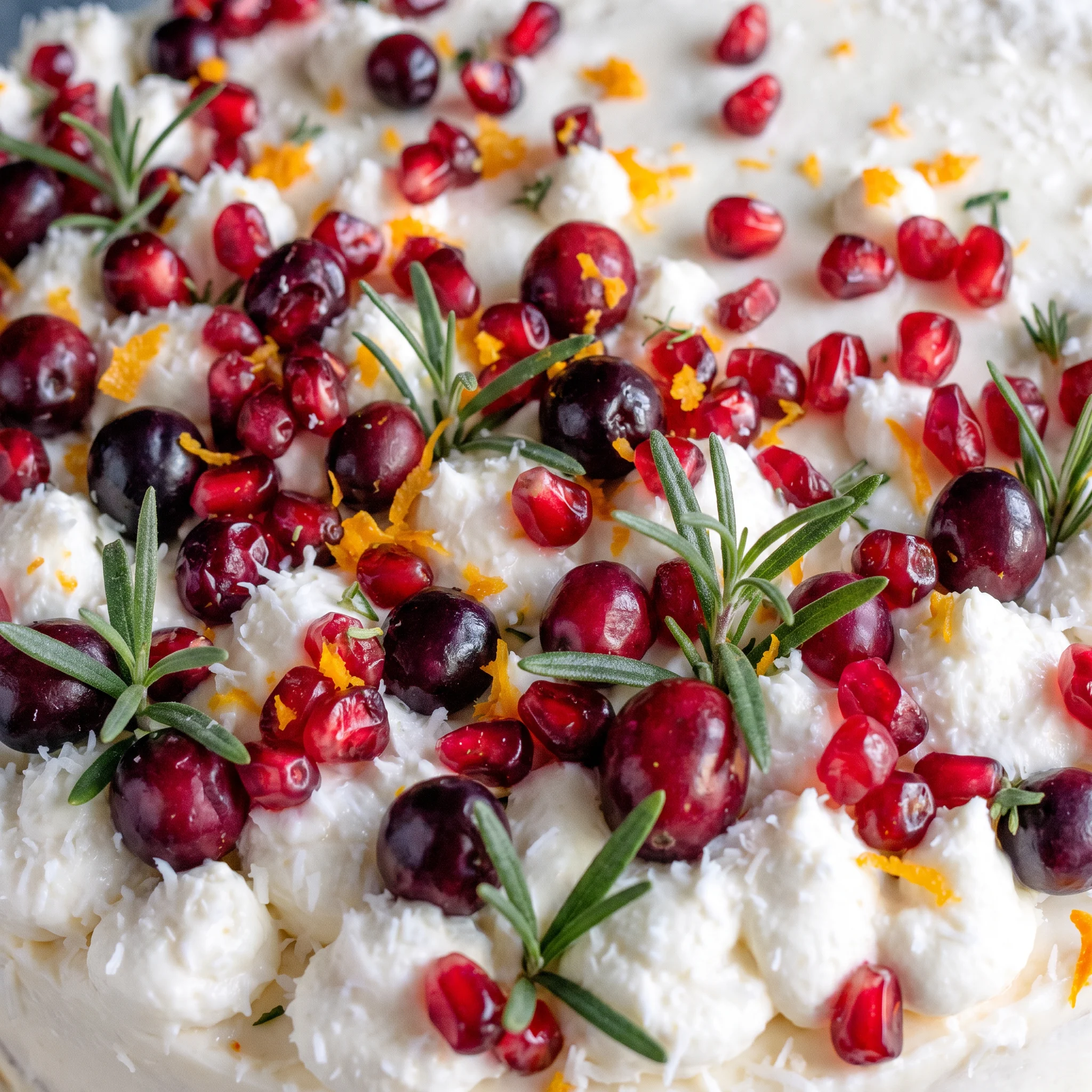
What to Reach For Before You Start Measuring
Orange juice: Squeeze it from the oranges you zested; bottled juice tastes flatter and carries less of the oils that perfume the crumb.
Canola or vegetable oil: Either works, but skip olive oil here since its flavor pushes against the orange and cranberry instead of backing them up.
Large eggs: Room temperature eggs whip into a thicker ribbon than cold ones, which is what keeps the oil suspended in the batter.
Fresh cranberries: Frozen berries work but throw off more water, so the filling takes longer to cook down to a set jam.
Full-fat block cream cheese: The tub kind is whipped with extra water and stabilizers, and it never firms up enough to hold a swirl.
Powdered sugar: Sift it before it goes near the bowl, or you’ll chase lumps through the frosting no matter how long you beat.
Cream cheese frosting is an emulsion of fat, water, and air. If the cream cheese is colder than the butter, the butterfat solidifies into tiny lumps that never blend smoothly, and the water phase separates, leaving a grainy, runny mixture. If either ingredient is too warm, the emulsion lacks structure and collapses into a soupy consistency.
Reading the Cake, the Filling, and the Frosting at the Moments They Can Still Be Saved
Judging the egg and sugar ribbon before the oil goes in
The mixture should fall from the whisk in a thick ribbon that holds its shape on the surface for a second or two before sinking. Underwhipped and it stays thin and yellow, and the oil won’t stay suspended; it’ll slick out and leave the baked crumb greasy and flat. Five minutes on high is the target.
If the ribbon disappears on contact, keep going.
Knowing when the baked layers are done versus browned
A toothpick is the only honest test here because the crust darkens well before the center sets. At 30 minutes, check the middle, not the edge. Wet crumbs mean another few minutes; a clean pull means out now.
If the top is browning hard before the center tests done, tent foil over it. Overbaked at this point means a dry, tight crumb that no amount of frosting rescues.
The moment the cranberry filling is thick enough to hold
After the berries pop, the simmer is what decides whether the filling stays put or bleeds through the frosting. Stir often and watch for the mixture to drag against the spoon and leave a brief trail across the pan bottom.
Five minutes of simmering past the first boil is the window. Pull it early and it’s loose; the chill won’t fix a runny filling, only a warm one.
Telling whether the frosting will hold a swirl or slide off
Smooth and fluffy isn’t the test. Dip a spatula and lift: the frosting should cling and hold a soft peak, and it should feel cool but not cold. If it slumps off the spatula, the butter or cream cheese was too warm, and no amount of beating will bring it back.
Chill the bowl and beaters for a few minutes, then try again.
Reading the crumb color and spring when you unmold
Let the cakes sit 10 to 15 minutes before inverting. Press the center lightly: it should spring back and feel set, not sponge-like or sunken.
Too soon and the layers tear; too long and the bottoms steam and stick. A pale, springy top and a clean release tell you the crumb is right before you ever frost.
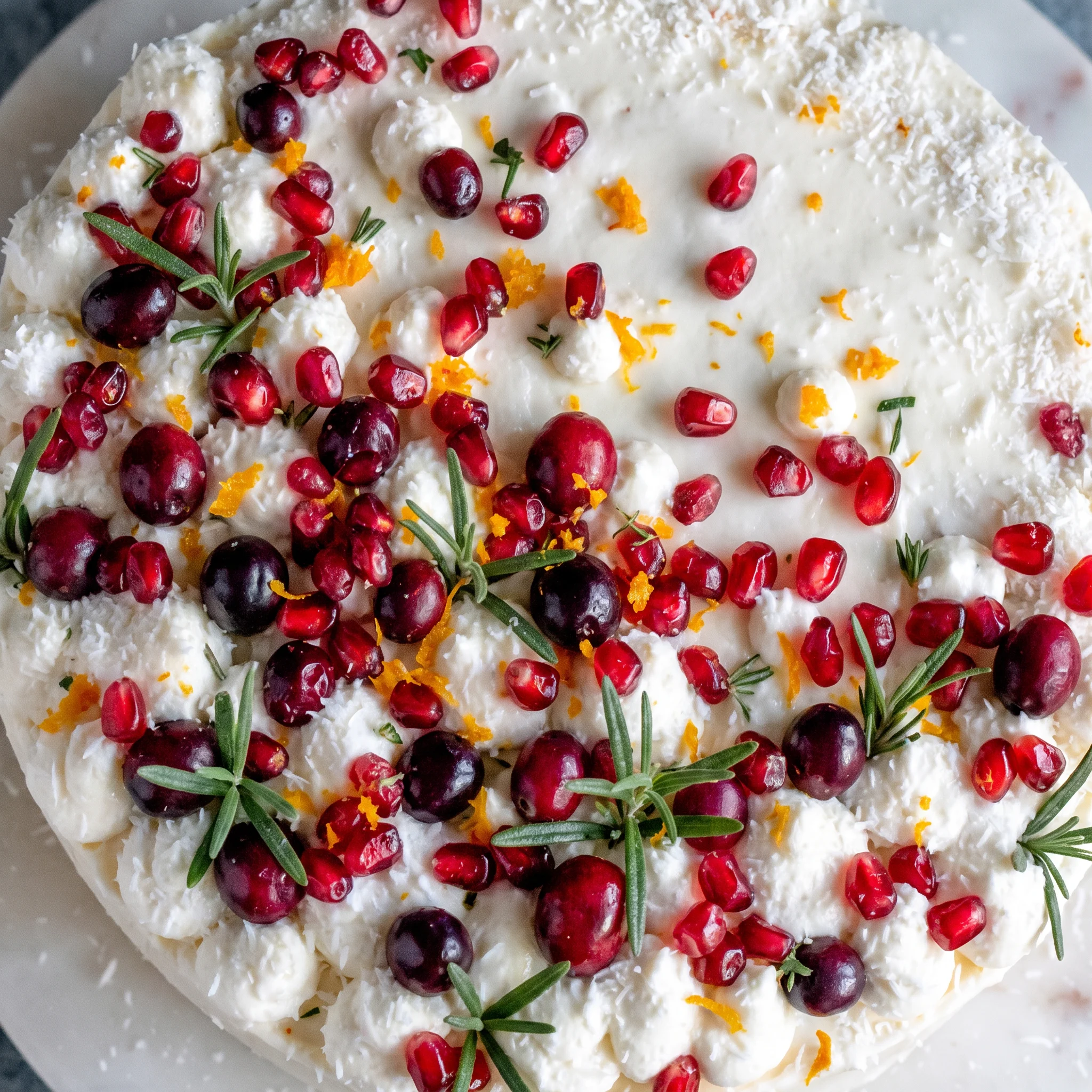
Orange Layer Cake with Cranberry Filling
Ingredients
Method
- Set oven to 350°F (175°C). Prepare two round cake pans (9 x 9 inch or 8 x 8 inch for taller cakes) by greasing or buttering and flouring them; set aside.
- Whisk flour and baking powder together in a medium bowl. Set aside.
- With an electric mixer using the whisk attachment or a handheld mixer, beat eggs and sugar on high speed until light and airy, about 5 minutes. While mixing on low speed, gradually incorporate oil until blended. Add orange juice, zest, and vanilla extract; continue whisking slowly until combined. Fold in flour mixture and whisk just until incorporated; avoid overmixing.
- Distribute batter evenly among prepared pans. Bake for 30-40 minutes until a toothpick inserted into the center comes out clean. If the top browns too quickly, cover loosely with aluminum foil. Let cakes cool in the pan for 10-15 minutes, then invert onto a wire rack to cool completely. Cakes are best made a day in advance from assembly.
- Keep cake in an airtight container in the refrigerator for up to 3 days. For the best moist texture, serve at room temperature. This cake freezes well before assembly; cover cake rounds well and freeze for up to 2 months, then thaw overnight in the fridge before needed.
- Prepare the cranberry filling while the cakes are baking. Cook 1 cup of cranberries over medium heat for 5-10 minutes. Cranberries will pop and mixture will start boiling. Using a potato masher, crush cranberries.
- Reduce heat to simmer for 5 minutes while stirring frequently. Remove from heat, stir in butter and remaining half cup of chopped cranberries.
- Place cranberry sauce in a bowl. Cover mixture with plastic wrap and place in the fridge for a minimum of one hour to set. Mine set in the fridge overnight. (Note: If using frozen cranberries, use more time to cook the cranberry sauce.)
- In the bowl of an electric mixer fitted with the paddle attachment (or with a handheld mixer), beat cream cheese and butter on medium speed until smooth and creamy, 1-2 minutes.
- Add powdered sugar, vanilla extract, and salt, and beat on low speed for 30 seconds, then on high speed for 1-2 minutes until smooth and fluffy. (Note: If you want a thicker frosting, feel free to add more powdered sugar.)
Which Swaps Keep the Orange Crumb and Which Wreck It
Fresh orange juice: Bottled orange juice, or a mix of bottled juice and water if you’re out of oranges. Bottled juice tastes flatter and carries less of the oils that perfume the crumb. The cake will still bake and hold together, but the orange note sits in the background instead of running through every bite.
If you do use bottled, start with the same 1 1/4 cups the recipe calls for and taste the batter; add a little extra zest if you have it. Don’t swap in another citrus juice without expecting a different cake: lemon juice alone makes the crumb tight and the flavor sharp.
Orange zest: Extra orange juice, or a teaspoon of orange extract. Zest is where most of the orange aroma lives, so leaving it out leaves the cake tasting sweet and flat.
If you add more juice to compensate, you’re adding liquid that makes the batter thinner and the crumb gummier. Orange extract can stand in, but start with 1/2 teaspoon and taste the batter, because it’s concentrated and can turn bitter.
Dried zest is a poor substitute here; it stays gritty and doesn’t release the same oils.
Canola or vegetable oil: Any neutral oil, or melted butter or coconut oil. A neutral oil like grapeseed or sunflower works the same way.
Melted butter brings flavor but firms up in the fridge, so the crumb goes tight and cold instead of staying soft. Coconut oil does the same and adds a flavor that fights the orange and cranberry. If you use either, expect a cake that’s better at room temperature and a little more fragile when cold.
Use the same 1 cup the recipe calls for.
All-purpose flour: A gluten-free all-purpose blend. Gluten-free blends absorb liquid differently, so the batter will be thicker and the baked layers can turn out dense or crumbly. If you swap, use a blend that includes xanthan gum and start with the same 2 1/2 cups, then add a splash more orange juice if the batter looks stiff.
The cake won’t have the same tender pull, but it will bake. Don’t swap in almond or coconut flour one-for-one; they need completely different liquid ratios and will wreck the structure.
Tips
- Zest the oranges before you juice them. Once the fruit is cut and squeezed, the peel is floppy and the pith comes up with the zest, which adds bitterness instead of oil. Four oranges give enough zest for the cake and about 1 1/4 cups of juice, but only if the fruit is heavy for its size and the skin smells sharp when you scratch it. A dull-smelling orange means the zest won’t carry through the batter.
- Taste the juice for sweetness before it goes in. Oranges vary a lot by variety and season, and juice that’s thin or sour won’t just taste flat in the batter, it will read as tart against the 1 1/2 cups of sugar and the cranberry filling. If the juice tastes weak, add a tablespoon of zest to the batter rather than more sugar, since extra sugar changes the crumb.
Storing and Serving the Orange Layer Cake
Eat this cake on the day you assemble it if you can. The crumb is at its softest and the cranberry filling still tastes bright.
The assembled cake keeps in the fridge for up to 3 days, covered so the cut edges don’t dry. Cold firms the frosting and tightens the crumb, so a slice straight from the fridge tastes dense. Cut what you need, then let it sit on the counter 20 to 30 minutes.
That’s the window where the frosting softens and the orange comes forward again. Past 3 days the filling starts weeping into the layers.
Freeze the unassembled cake rounds, well wrapped, for up to 2 months, and thaw overnight in the fridge. Don’t freeze the frosted cake; cream cheese breaks and weeps on thawing. Add any finishing touch, zest or a fresh cranberry, right before serving.
Frequently Asked Questions
Can I make the cranberry filling ahead of time and how long does it last?
Yes, and it’s better made ahead. The filling needs to set firm and cold, and it will keep in the fridge, covered, for as long as the cake itself lasts. The assembled cake is good for up to 3 days, and the filling is safe for that same stretch; beyond that, it starts to weep.
So if you’re making the cake today, you can make the filling yesterday or this morning and pull it out when you’re ready to stack. Just don’t let it sit at room temperature while you frost; cold is what keeps it from bleeding.
Why did my cream cheese frosting turn runny?
Usually the butter or cream cheese was too warm, or the cream cheese came from a tub instead of a block. Block cream cheese is firm enough to hold a swirl, while the tub kind is whipped with extra water and never sets up.
If both dairy items were soft but not melting, check whether you beat them long enough to smooth out every lump; undermixed frosting can look loose because the fat hasn’t fully emulsified with the sugar. A pinch of salt and the vanilla won’t fix a runny batch, but they do sharpen the tang so the frosting doesn’t taste flat once it’s thick enough. If it’s already soupy, chill the bowl and beaters for a few minutes and try again; if it still slumps off a spatula, the dairy was too warm to begin with.
How do I keep the cake layers from sliding when I stack them?
The filling has to be cold and set, thick enough that a spoon stands up in it. If it’s still warm or loose, it pushes the top layer sideways and weeps through the frosting within an hour. The other fix is trimming the domes flat so the layers sit flush; a domed top means the cake rocks and the filling squishes out the low side.
If your filling is on the runny side, pipe a ring of frosting around the edge of the bottom layer first, then spoon the cranberry inside it. That dam keeps everything contained.
Once assembled, the whole cake goes into the fridge, which firms the frosting and filling together so the first slice comes out clean.
What makes this orange layer cake different from a classic yellow cake?
A classic yellow cake gets its structure and flavor from butter and usually milk or buttermilk. This one uses oil and a full cup of orange juice, plus zest from four oranges, so the crumb stays soft straight from the fridge and the citrus runs through every bite instead of sitting on top. The mixing order is different too: eggs and sugar get whipped until pale and thick, then the oil, juice, zest, and vanilla go in before any flour.
That staging is what keeps all that liquid from turning the batter gummy. You end up with a cake that tastes like orange and cranberry rather than vanilla and butter, and it holds up better cold.
