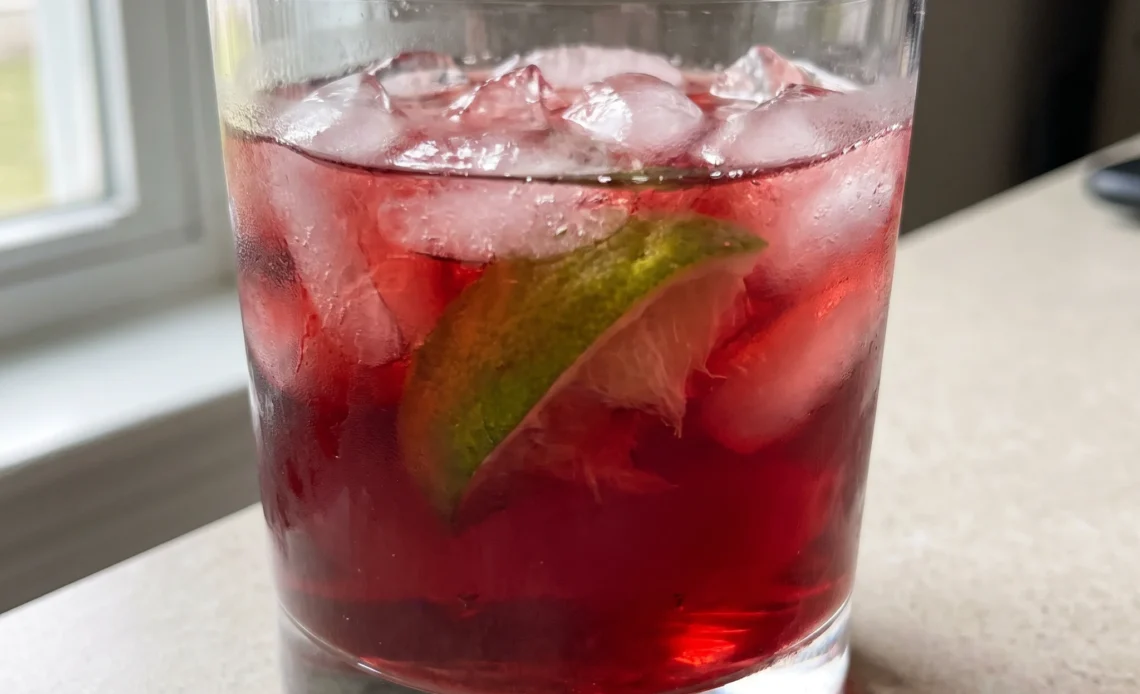
Most people pour a vodka cranberry cocktail with a heavy hand, then wonder why it tastes like medicine. The cranberry’s natural bite is meant to lead, with the vodka as a quiet backbone, not a shout.
That balance is the whole trick, and it’s easier to hit than you’d think. This is the kind of drink you can throw together without thinking, yet it still feels like a proper cocktail, not a juice glass with a kick. The tartness refreshes, the spirit warms, and a whisper of lime keeps it from being plain.
It’s a two-minute pour that works for a weeknight or a party, and once you know the ratio, you can riff on it endlessly. The vodka cranberry cocktail is simple on purpose, but that simplicity leaves room for you to make it yours.
The 4:1 Balance
Four ounces of cranberry juice against one ounce of vodka gives you a drink that’s tart first, with the alcohol playing backup. Why that ratio?
The juice’s sharpness is the front note, and vodka stays out of the way because it doesn’t bring its own flavor. You get a cocktail that sips easy, not a stiff pour that burns on the way down.
If the juice were less, the alcohol would dominate; if it were more, you’d lose the point of having vodka at all. This proportion keeps the cranberry’s natural bite clear, while the vodka just adds a clean warmth underneath.
You can taste both, but neither shouts over the other.
Lime’s Double Role
Squeezing that wedge ‘a bit’ releases oils and a few drops of juice, and that’s enough to lift the drink’s aroma. You get a citrus note that hits your nose before you sip, but it doesn’t shift the cranberry’s flavor. Dropping the wedge in afterward leaves you with a simple garnish that looks fine and serves as a visual cue.
The lime is a supporting player, not a lead. Its job is to freshen, not to add sourness or change the drink’s character.
Overdoing it would turn the cranberry’s sharpness into something muddled.
Ice, Two-Thirds Full
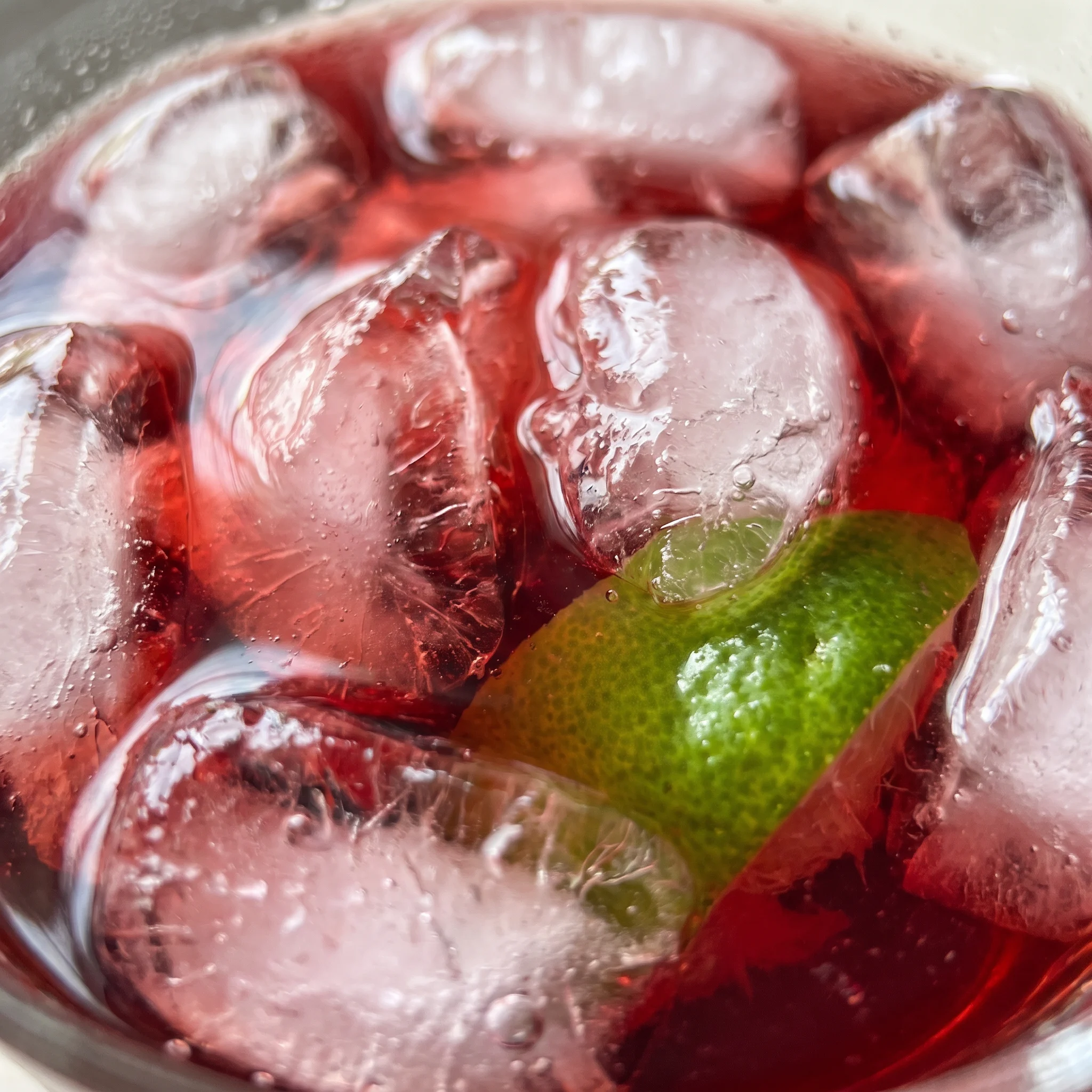
When the glass is two-thirds full of ice, you’ve got enough surface area to chill the drink fast, and the liquid sits above the cubes, not drowning in them. As you sip, the ice melts slowly, so each drink gets a touch of dilution that softens the alcohol’s edge and rounds out the cranberry’s zip. Too little ice and the drink warms up quickly, losing its crispness.
Too much, and you’re fishing for liquid past a wall of cubes, and the melt water thins the flavor faster. That level keeps the temperature sharp and the dilution even, so the last sip tastes as balanced as the first.
What to Know Before You Pour
Vodka: Use a mid-priced vodka. Cheap ones can taste harsh, but top-shelf doesn’t add much here.
Cranberry juice: Buy 100% cranberry juice, not a cocktail blend. The extra sugar in blends will mask the tart bite.
Lime: Choose a lime that feels heavy for its size. More juice means an easier squeeze, but you only need a few drops.
Simple syrup: Only grab this if the cranberry juice tastes too sharp for you. A little goes a long way.
Ice: Use large, solid cubes from a tray, not crushed or cloudy ice. They melt slower and keep the drink from watering down.
The recipe calls for a 4:1 ratio of cranberry juice to vodka, which balances the tartness of the cranberry with the neutrality of the vodka. If too much vodka is added, the alcohol overwhelms the palate; if too little cranberry juice is used, the drink becomes too tart. The correct ratio ensures neither component dominates.
Reading the Drink as You Build It
Judging the Ice Fill
Fill the glass so the cubes reach about two-thirds up the side. That leaves room for liquid above the ice, not buried in it.
With less ice, the drink warms fast and turns flat. With more, the pour sloshes over the cubes and dilutes quicker than you want. You’re aiming for a glass that looks full but not jammed, so the first sip is cold and the last still has some bite.
Mixing Until the Spirit Disappears
Stir or swirl the glass a few times until the vodka and cranberry juice look like one liquid. The drink should turn an even, clear red with no oily streaks or wobbly layers floating on top. If you see separation, you haven’t mixed enough, and you’ll get a sharp sip of alcohol at the start.
A quick stir fixes it before the first taste.
Squeezing the Lime Without Overdoing It
A quick twist of the wedge releases just a few drops and a hint of oil, enough to smell citrusy but not enough to taste sour. If the drink suddenly seems sharper or the cranberry’s tang turns harsh, you squeezed too hard. There’s no fixing that, so stop at a light press.
You want the lime to freshen the aroma, not change the flavor.
Tasting for the Balance
Take a sip and ask if the tart cranberry leads with a warm, neutral finish from the vodka. If the alcohol burns or tastes harsh, the pour was heavy or the mix uneven, stir more. If it tastes flat or syrupy, the juice is too dominant; a touch more vodka brings it back.
The drink should sip easy, with neither ingredient shouting.
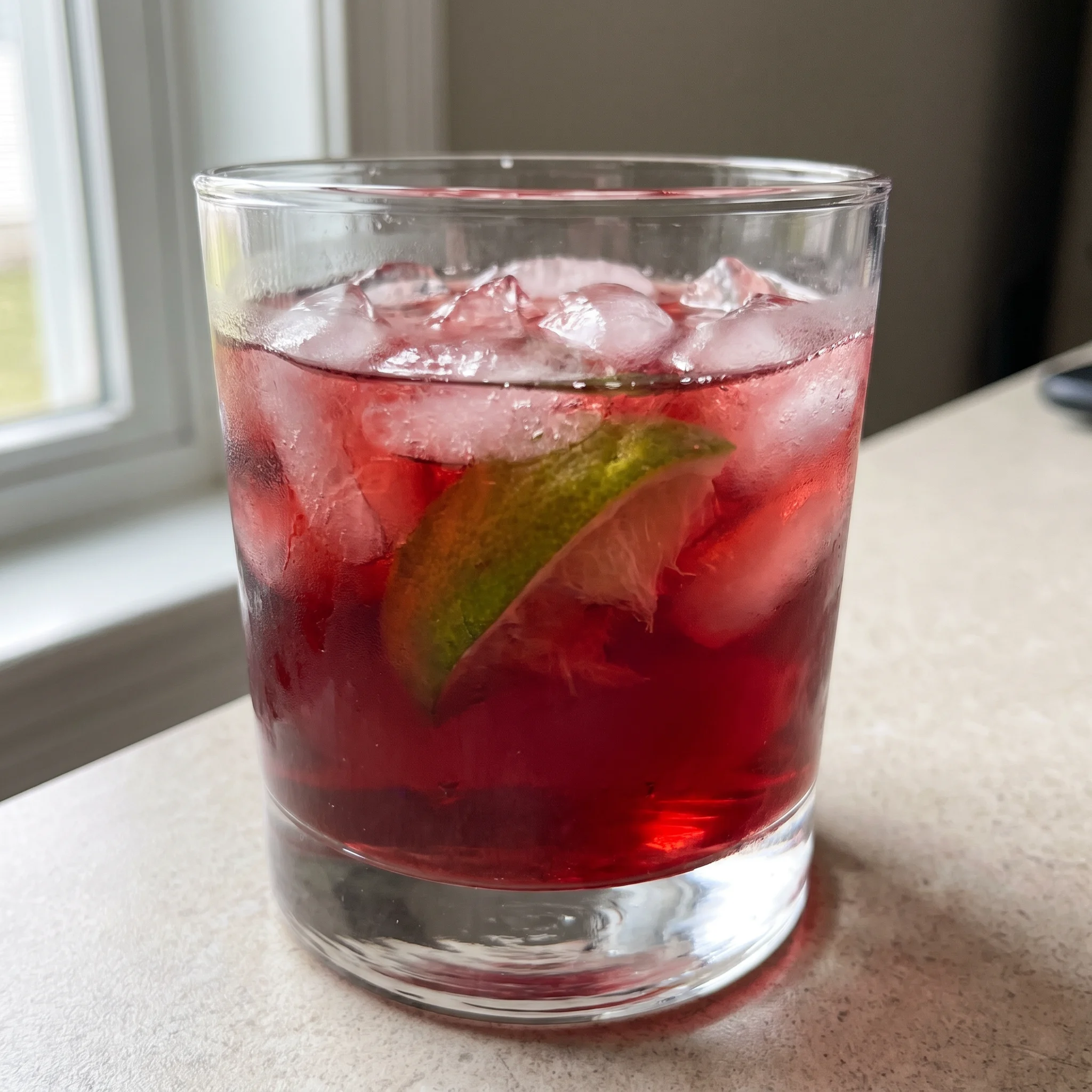
Vodka Cranberry Cocktail with Lime
Ingredients
Method
- Add ice to a glass until it is two-thirds full.
- Combine the vodka and cranberry juice in the glass, then mix well.
- Gently squeeze the lime wedge over the beverage, then add it to the glass as a garnish.
Swap the Spirit, Keep the Sour
Vodka: Gin, silver tequila, or white rum. The cranberry’s tartness holds up against these, but the character shifts.
Gin adds juniper and herbal bite; tequila brings earthy agave; rum goes lightly sweet. Start with the same 1 ounce, taste, and add a splash more if the spirit gets lost.
100% cranberry juice: Pomegranate juice or a tart cherry juice. You lose cranberry’s sharp, almost astringent edge.
Pomegranate is softer and sweeter, cherry is rounder with a mild tang. Either makes the drink less bracing, so skip the simple syrup or use less.
Keep the 4 ounces, then adjust after tasting.
Lime wedge: Lemon wedge. Lemon reads brighter and more floral, less bitter than lime. The few drops you squeeze still lift the aroma, but the drink’s finish turns slightly more citrusy.
Use the same wedge size, and don’t squeeze harder.
Simple syrup: Honey or agave nectar. Honey brings a floral weight that lingers; agave dissolves clean and neutral. Both are thicker, so stir longer to blend.
Start with a teaspoon, taste, and add more if the cranberry’s bite still feels too sharp.
Tips
- Chill the glass in the freezer for 10 minutes before building the drink. A cold glass slows ice melt, so the cranberry’s tartness stays sharp longer and the last sip isn’t watery.
Storage and Serving
This cocktail is a build-and-sip drink, not a keeper. Make it when you’re ready to drink it, and drink it within 15 to 20 minutes of mixing.
The ice melts as you sip, which slowly waters the drink down. That’s fine for the first few minutes, but after that the cranberry sharpness fades and the whole thing turns flat.
The lime wedge also loses its perk the longer it sits, so don’t squeeze it in ahead of time. Add it right before you take your first sip. If you have leftover juice and vodka, keep them separate.
Cranberry juice stays fine in the fridge for about a week once opened, but it can pick up fridge odors, so seal it tight. The vodka doesn’t need refrigeration. Don’t freeze the assembled drink, the ice will dilute it beyond saving as it thaws.
You can freeze leftover cranberry juice in an ice cube tray for a later batch, but that’s the only part worth saving. Mixing a fresh drink takes two minutes, and it always beats a stored one.
Frequently Asked Questions
Can I make this cocktail ahead of time?
No, this is a build-and-sip drink. The ice melts as it sits, watering it down and flattening the cranberry’s sharpness after 15 to 20 minutes. The lime wedge also loses its perk, so squeeze it in right before your first sip.
If you have leftovers, keep the vodka and juice separate. Cranberry juice stays fine in the fridge for about a week if sealed tight, and you can freeze it in an ice cube tray for later.
Why does my drink taste too strong or too tart?
A too-strong drink usually means the vodka and juice aren’t mixed evenly, stir until the liquid looks like one clear red, with no oily streaks. If it’s too tart, you likely squeezed the lime too hard; a light press should only release a few drops, not change the flavor.
Another culprit: using a cranberry cocktail blend with added sugar can mask the tartness, but the recipe calls for 100% juice, which is naturally sharp. If the bite still feels harsh, a touch of simple syrup can round it out, but start with a little.
What’s the difference between a Vodka Cranberry and a Cape Codder?
A Cape Codder is typically just vodka and cranberry juice over ice, often with a lime wedge, which is exactly what this recipe builds. The name ‘Vodka Cranberry’ is more of a generic call-out, while ‘Cape Codder’ ties the drink to its New England roots.
In practice, they’re the same cocktail, and the ratio here, 1 ounce vodka to 4 ounces juice, keeps it balanced. Some versions add a squeeze of lime, but this one does too, so you’re getting the classic either way.
Should I use sweetened or unsweetened cranberry juice?
Use 100% cranberry juice, which is unsweetened. Sweetened blends or cocktail mixes add sugar that masks the cranberry’s natural bite, throwing off the 4:1 balance.
The recipe’s tartness comes from that pure juice, and if it feels too sharp for you, add the optional simple syrup to taste. That way you control the sweetness instead of letting a blend decide for you.
