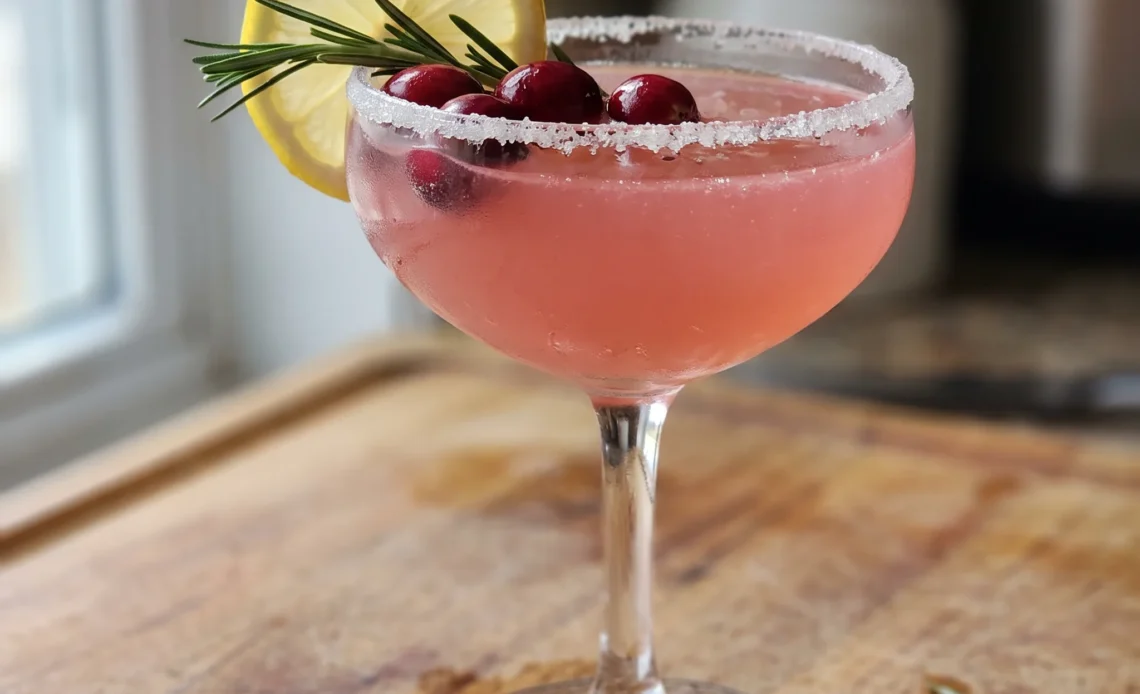
A cranberry rosemary lemon drop looks like something you’d order at a bar with a menu of twelve-dollar drinks, but the whole thing comes together in the time it takes to chill a glass. That gap between how it looks and how fast it builds is the real trick here, and it’s a narrow one. The balance between lemon and syrup has almost no room for a heavy hand, and the frothy texture you get from a hard shake fades within a minute of pouring, so the drink is at its best the second it hits the glass.
Batch the liquids for a crowd and you keep the speed without losing the payoff. Get the ratio right once and the rosemary does the rest.
Why the Sugar Rim Works
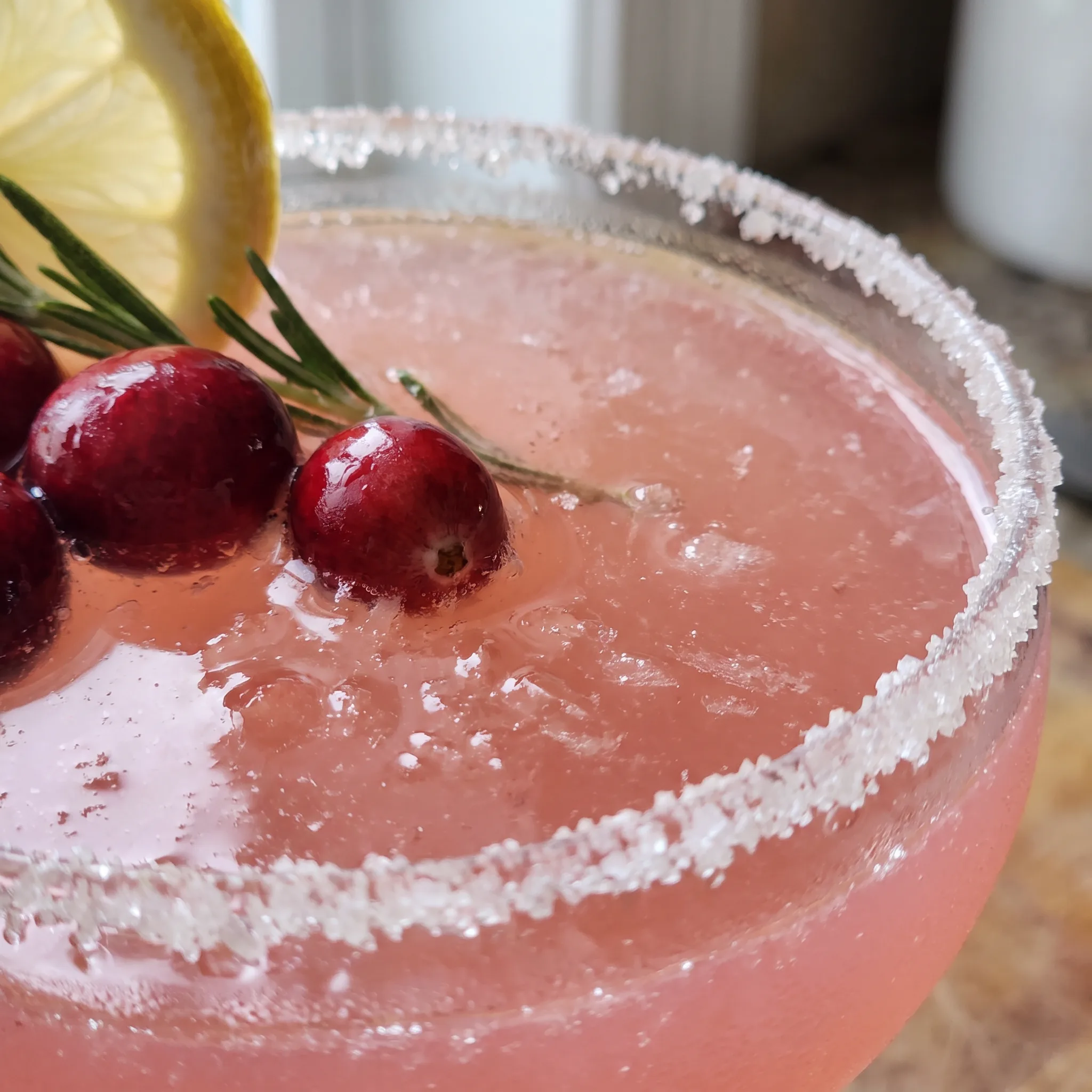
You know the first sip of a lemon drop can make you pucker. The sugar rim fixes that before the liquid even hits your tongue. It’s a sweet, crunchy buffer against the sour lemon and tart cranberry, so the sharpness lands as bright instead of bracing.
Rubbing the rim with a lemon half does two things: the juice gives the sugar something to cling to, and the oil from the peel leaves a faint citrus perfume right where you’ll drink. That aroma hits before the taste, and it primes you for the cocktail’s citrus. Chilling the rimmed glass in the freezer isn’t just about temperature.
A cold rim keeps the sugar from dissolving the instant the drink hits it, so you get that crunch all the way down instead of a sticky puddle. The glass stays frosty, too, which keeps the drink colder longer.
It’s a small step that pays off in texture and balance.
Does Shaking with Ice Really Matter That Much?
Yes, and here’s why. When you shake a cocktail with ice, you’re not just chilling it. You’re adding water, which sounds like a bad thing but isn’t.
Vodka is strong and lean, and without dilution it can taste hot and sharp. The ice melts just enough to soften that edge, letting the lemon and cranberry come forward. At the same time, shaking hard aerates the drink.
That’s what gives it a slightly frothy, almost creamy texture on the first sip, and it drops the temperature fast so the drink feels bracing and clean. If you stirred instead, you’d get a colder drink with no texture and less dilution, which makes for a boozier, flatter sip.
Straining matters too. You want the liquid, not shards of ice that keep watering down the drink as you nurse it. A fine strainer catches the tiny chips, so every sip stays consistent from first to last.
The Ratio Behind the Drink
Vodka is the quiet backbone here. It doesn’t bring much flavor of its own, which is exactly why it works: it lets the lemon and cranberry do the talking without competing. Lemon juice is the bright note, the one that wakes up your palate.
Cranberry juice adds a tartness that’s deeper and more festive than lemon alone, plus that ruby color that makes the drink look like the holidays. Simple syrup is the peacekeeper.
Without it, the lemon and cranberry would gang up and leave you wincing. With it, the edges round off and the drink tastes balanced, not sweet. The amounts are deliberate: enough vodka to feel like a cocktail, enough citrus to keep it lively, and just a touch of syrup to bring it together.
You’re not looking for a sugar bomb. You want a drink that’s tart and bright but still smooth enough to sip. That’s what this ratio delivers.
The Garnish Does More Than Look Pretty
A rosemary sprig isn’t just a pretty green stick. Bruise it lightly and you’ll release a piney, resinous aroma that cuts through the sweet-tart smell of the drink. That scent reaches your nose before the first sip, and it makes the cranberry and lemon taste even more vivid.
The cranberries add a similar trick. They’re tart and firm, so if you eat one after a sip, it resets your palate with a little burst of acidity. Drop a few in the glass and they’ll slowly tint the drink as you finish it, giving you a subtle shift from start to end.
Together, the garnish signals that this isn’t just any cocktail; it’s a holiday drink, meant to be noticed. It makes the whole thing feel intentional, like you thought about more than just what’s in the shaker. And that’s what turns a good drink into one that feels special.
The Few Ingredients That Make or Break This Drink
Vodka: A clean, neutral vodka keeps the lemon and cranberry in front instead of adding its own burn.
Lemon juice: Squeeze it fresh; bottled juice tastes flat and dulls the bright edge you want.
Cranberry juice: Get the 100% juice kind, not a sweetened cocktail blend, or the drink turns syrupy.
Simple syrup: Homemade or store-bought both work, but it should be fully liquid, not crystallized.
Rosemary sprig: A fresh, flexible sprig releases more aroma than a dry, brittle one.
Cranberries: Use fresh or frozen whole berries; dried ones are too chewy and sweet for garnish.
The rim’s sugar coating begins to dissolve as soon as it contacts the cocktail or airborne moisture. A warm glass accelerates this because condensation forms quickly on its surface, and the sugar syrup that results drips down the glass. The earliest sign is a glossy, wet sheen on the rim instead of a dry, sparkling crust.
How to Know the Drink Is Right While You’re Making It
When the rim stops taking sugar evenly
Rub the lemon half around the rim and you’ll feel it go from dry glass to slick. That slickness is what grabs the sugar.
Press the rim into the plate and lift. If patches of glass show through, the juice didn’t cover evenly.
Press those spots back into the sugar. A thin or broken rim means some sips hit tart and some hit sweet, so the drink never tastes balanced.
The shaker going quiet instead of loud
Shake hard and you’ll hear a loud, rattling clatter as the ice knocks around. That noise means the drink is still warming the ice, not the other way around.
Around 10 to 15 seconds, the sound changes to a softer, wetter slosh. Frost creeps up the outside of the shaker. Stop there.
Shake longer and you’re just adding water, which flattens the lemon and cranberry.
Tasting for the pucker before you pour
Stick a clean spoon into the shaker before straining. A tiny sip should hit bright and tart first, then fade into a soft sweetness. If your mouth pinches and stays pinched, the lemon is running the show.
Add a splash more simple syrup, shake two seconds, taste again. If it tastes flat and sweet, you’ve gone too far the other way.
Another squeeze of lemon brings it back.
Straining so the last sip matches the first
Pour through a strainer and watch what’s left behind. You want the liquid only, no shards slipping through. Small chips melt in the glass and water down the drink as you sip, so the bottom tastes thinner than the top.
If you see ice specks in the glass, they came through the strainer. A finer mesh next time, or hold the strainer tighter against the shaker.
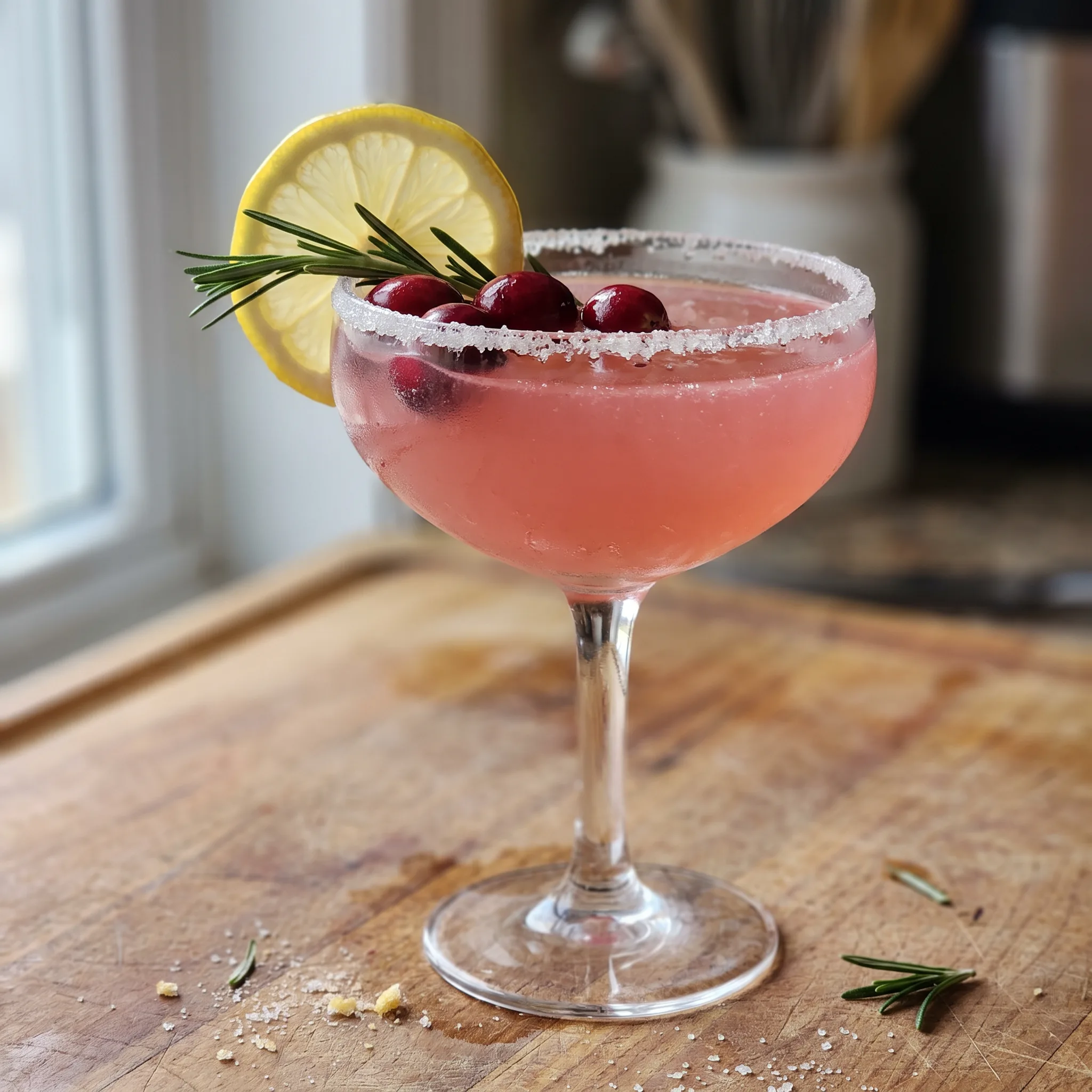
Cranberry Rosemary Lemon Drop Cocktail
Ingredients
Method
- Take a lemon half and rub its cut face around the glass’s rim. Then press the rim into a plate of sugar so it’s fully coated. Put the glass into the freezer to chill as you make the drink.
- In a shaker, mix vodka, lemon juice, cranberry juice, and simple syrup. Put in ice and shake hard until very cold, roughly 10–15 seconds.
- Pour the mixture through a strainer into the chilled glass.
- Garnish with a rosemary sprig and a few cranberries for a holiday look. Serve right away and savor!
Storage and Serving: Drink It Now, Batch It Later
This cocktail has no holding window. Once shaken and poured, the sugar rim starts dissolving on contact, the frothy texture from aeration collapses within a minute or two, and the drink warms fast in a freezer-chilled glass. Serve it the moment it’s strained.
If you want to sip slowly, expect the last third to taste flatter and thinner than the first, because the ice shards you strained out still melt and dilute what’s in the glass. For a party, batch the liquids instead. Combine the vodka, lemon juice, cranberry juice, and simple syrup in a jar and refrigerate up to 3 days; the citrus stays bright and nothing separates.
Keep the sugar rim, rosemary, and cranberries out of the jar until you’re ready to build each drink. Rim the glass and freeze it while you shake the pre-mixed liquid with ice, then garnish.
Don’t freeze the mixed liquid; dilution and texture depend on shaking fresh ice each time. Leftover shaken cocktail doesn’t keep. Pour it out.
Swap the Spirit or Sweetener, Not the Cranberry or Rosemary
Vodka: Gin or white rum, same 2 fl oz. Gin brings a piney, botanical edge that stacks against the rosemary instead of staying out of its way, so the drink reads more herbal and less clean. White rum goes the other direction: a faint grassy sweetness that makes the whole thing taste lighter and more tropical, and the cranberry fades a bit behind it.
Either works as a one-for-one pour, no adjustment needed.
Lemon juice: Fresh-squeezed instead of bottled. Bottled juice has a flat, cooked quality that sits dull against the cranberry, and the bright top note you’re relying on to cut the syrup just isn’t there.
Squeeze to the same 1 fl oz. A lemon gives you roughly that much, so one fruit covers it.
5 fl oz to start. Honey syrup is thicker and tastes sweeter than plain simple syrup, so it can push the drink past balanced even at the same measure.
Mix it thinner than you would for other uses, taste after shaking, and dial back if the tartness disappears. Expect a faint floral note riding under the citrus.
Cranberry juice and rosemary: Leave these as written. The cranberry is what makes this a cranberry cocktail, and a sweetened cocktail blend instead of 100% juice turns it syrupy and coats your mouth. Rosemary is doing the aromatic work before the first sip; dried needles go dusty and bitter, and swapping in another herb loses the piney hit that ties the drink together.
Tips
- Measure all four liquids into the shaker before you touch the ice. With only 4.25 fl oz total, the pour takes seconds, and having the jigger done ahead means the rimmed glass goes from freezer to filled in one motion instead of sitting on the counter sweating while you count out cranberry juice.
- Set the sugar plate and lemon half out next to the shaker before you rim the glass. The rim takes under a minute, and having everything within arm’s reach means the glass spends its freezer time actually chilling rather than waiting on you to find the rosemary.
Frequently Asked Questions
Can I make this cranberry rosemary lemon drop cocktail ahead of time?
Not as a finished drink. The sugar rim starts dissolving the second the liquid touches it, the froth from shaking collapses fast, and a freezer-chilled glass only buys you a couple of minutes before the drink warms.
What you can do is batch the liquids: combine the vodka, lemon juice, cranberry juice, and simple syrup in a jar, refrigerate up to 3 days, then rim the glass, freeze it, and shake the pre-mixed liquid with fresh ice when you’re ready to pour. Keep the sugar, rosemary, and cranberries separate until you build each drink. Don’t freeze the mixed liquid; you need fresh ice in the shaker for the texture to come out right.
Why did my cocktail turn out too sour or too sweet?
Nine times out of ten it’s the syrup measure. 5 fl oz is a narrow window; eyeballing it past that tips the drink sweet and flat, while shorting it lets the lemon and cranberry gang up and leave you wincing. Taste from the shaker before you strain: a small sip should hit bright and tart first, then fade into soft sweetness.
If your mouth pinches and stays pinched, add a splash more syrup and shake again. If it tastes flat, another squeeze of lemon brings it back. The other culprit is the cranberry juice itself, since a sweetened cocktail blend instead of 100% juice turns the whole drink syrupy.
How do I keep the sugar rim from dissolving before serving?
Get the rimmed glass into the freezer while you build the drink, and pour as soon as the liquid is strained. A cold rim slows the sugar from melting on contact, so you keep the crunch instead of a sticky puddle at the bottom of the glass.
If you’re making several, rim and freeze each glass first, then shake and pour one at a time rather than lining up finished drinks on the counter. The rim will always soften eventually; the freezer is what buys you the window.
What’s the difference between this cocktail and a classic lemon drop martini?
75 fl oz, and it does more than color. It adds a deeper, more festive tartness than lemon alone and gives the drink that ruby look. The rosemary sprig changes it too: bruise it lightly and the piney aroma reaches your nose before the first sip, which makes the citrus taste more vivid.
A classic lemon drop leans entirely on lemon and sugar, so it reads sharper and simpler. This version sits somewhere more herbal and holiday-leaning, and the cranberries in the glass tint the drink as you finish it, so it shifts from start to end.
Can I use frozen cranberries for the garnish?
Yes, whole frozen berries work fine. They’re firm and tart, so eating one after a sip resets your palate with a burst of acidity, and dropped in the glass they’ll tint the drink slowly the same way fresh ones do. What you don’t want is dried cranberries, which are chewy and sweet and don’t belong in the glass.
If you’re using frozen, drop them in straight from the freezer; they’ll thaw in the drink and hold their shape long enough to serve their purpose.
