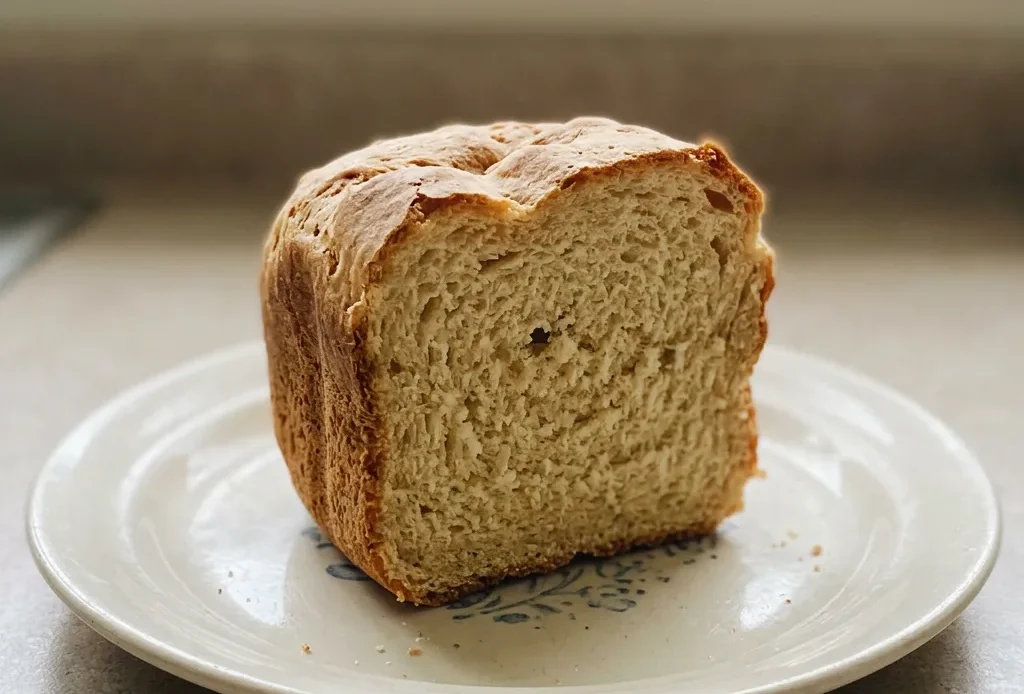
Your bread machine does the heavy lifting, but ingredient order is where most home bakers trip up. Get it wrong and the loaf turns out dense or flat, not because the machine failed, but because the yeast never got a fair start.
These west bend bread machine recipes work because they respect that sequence: liquids first, then dry, yeast last. The margin for error is narrow, salt touching yeast early kills it silently, but once you see how the dough comes together into a smooth ball during the first knead, you’ll understand why the order matters more than the recipe name.
The rest is just choosing a program and waiting.
Ingredient order controls yeast activation
Bread machines rely on a specific order to keep yeast from activating too soon. Liquids go in first, water or milk at room temperature, then dry ingredients, with salt and yeast separated until the last moment.
This prevents salt from directly contacting yeast, which would kill it, and keeps yeast dry until mixing begins. You’ll see the yeast stay on top of the flour, untouched, until the machine stirs.
Room temperature liquids (around 70°F) help the yeast wake up gradually. If you dump everything in at once or use hot water, the loaf can turn out dense or fail to rise.
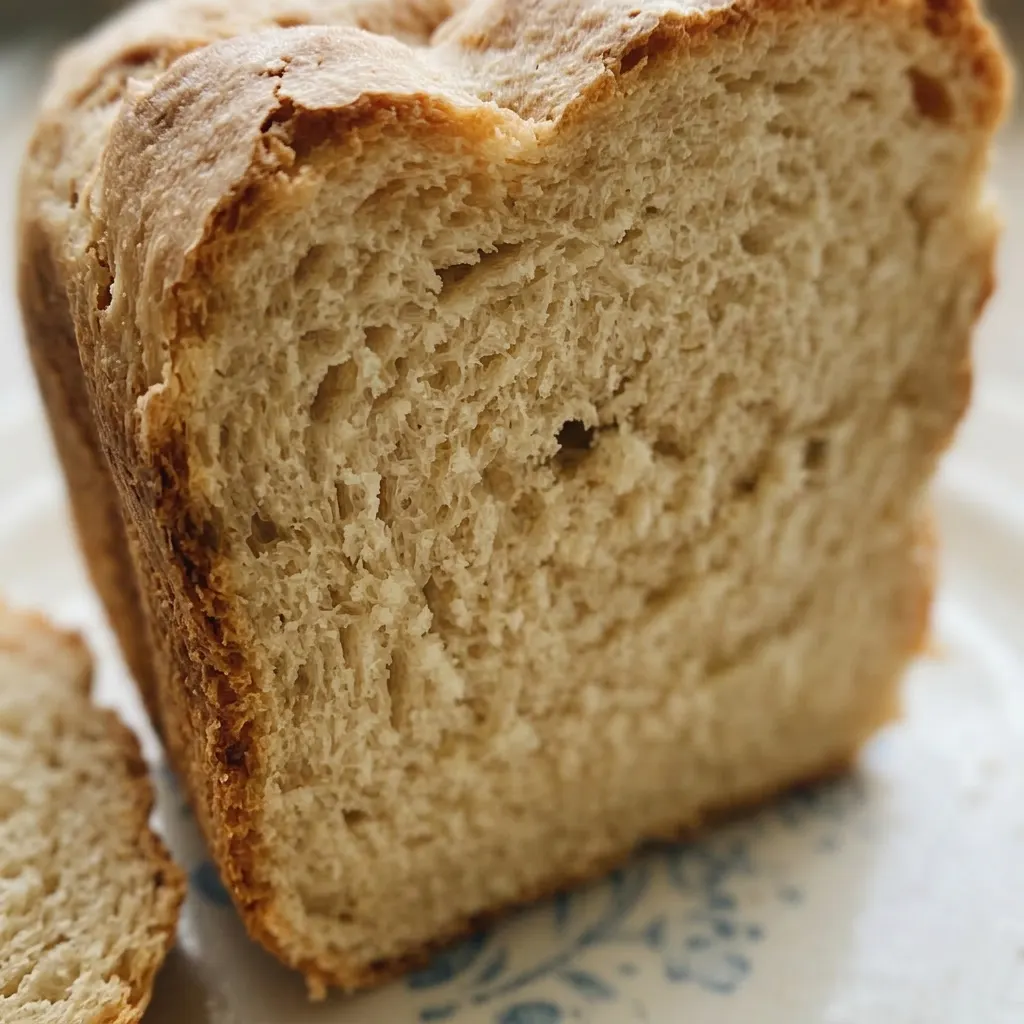
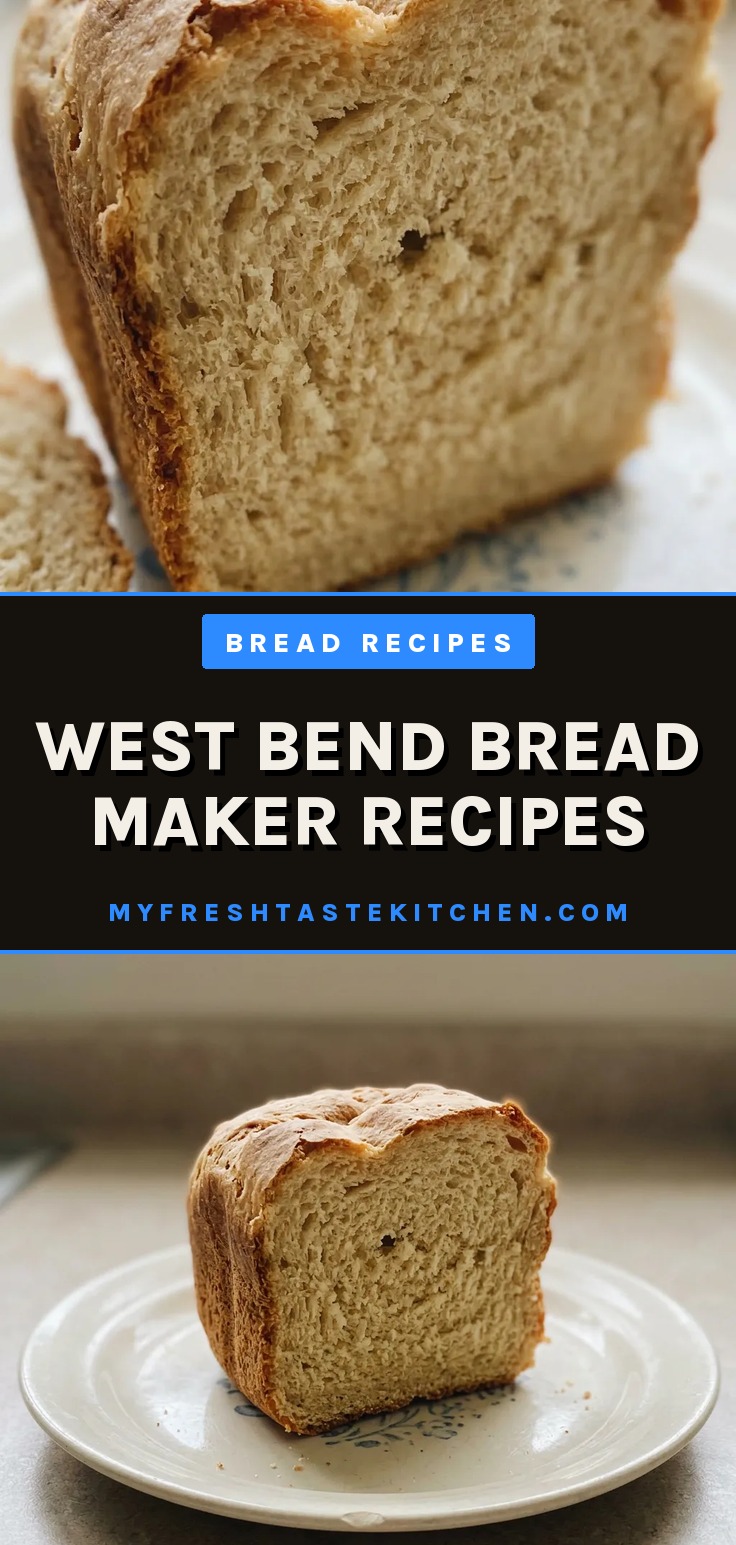
The method ensures even hydration and a strong gluten network, so the final bread has an open crumb and good volume. For basic white bread, this order works every time.
Matching program and crust to your loaf
Each bread machine program adjusts kneading time, rising pauses, and bake temperature differently. A basic white bread calls for the standard white or basic program, these cycles are shorter than whole wheat or sweet programs because white flour develops gluten faster. The crust darkness setting controls how long the loaf bakes after rising.
Lighter means a soft, pale exterior; darker gives a thicker, crunchier crust with more browning. For this recipe, choose the basic program and a medium crust for a balanced result.
The wrong program might over-knead the dough or underbake it, leaving a dense or gummy center. The best bread machine recipes match the program to the flour type, white flour needs less time than whole grain.
Cooling is not optional for good texture
When the loaf comes out of the machine, it’s still steaming inside. Cooling on a wire rack lets that steam redistribute evenly through the crumb. If you slice while warm, the knife compresses the soft interior and releases steam too fast, making the bread gummy or dry the next day.
You’ll feel the difference: a cooled loaf slices cleanly, holds its shape, and has a springy crumb. The bottom stays crisp because air circulates under the rack.
Homemade bread recipes often skip this advice, but it’s the difference between a bakery-quality slice and a dense, sticky one. Let it cool completely, about 1 to 2 hours, before cutting. That patience pays off in every bite.
Prep: 30 min · Cook: 2 hr · Total: 2 hr 30 min · Servings: 4 · Calories: 180 kcal
Flour type and yeast freshness matter
Flour: Use all purpose or bread flour. Bread flour has more protein for a chewier crumb and better rise.
Yeast: Active dry or instant works. Check the expiration date; old yeast won’t produce enough gas for a good loaf.
Load the pan in the right order
Add liquids first
Pour in room-temperature water or milk. If the liquid feels hot to your wrist, it’s too warm, yeast will die and the loaf won’t rise.
Layer dry ingredients
Add flour, then sugar and salt on one side. Make a shallow well in the flour and tuck the yeast in the opposite side. If yeast touches salt before mixing, you’ll see no bubbles later.
Select program and crust
Choose the basic or white bread program and medium crust. Press start. The machine will knead for about 20 minutes, listen for a steady thump; if it sounds sluggish, add a teaspoon of water.
Check dough consistency
During the first knead, peek inside. The dough should form a smooth ball, tacky but not sticky. If it’s dry and crumbly, add water a teaspoon at a time until it comes together.
Let the cycle finish
Leave the machine alone until it beeps. The loaf will bake for about 45 to 60 minutes; you’ll smell toasted bread near the end. Don’t open the lid during baking, it collapses the dome.
Remove and cool completely
Using oven mitts, lift the pan out and turn the loaf onto a wire rack. Tap the bottom, if it sounds hollow, it’s done. Cool for at least 1 hour; slicing warm makes the crumb gummy.
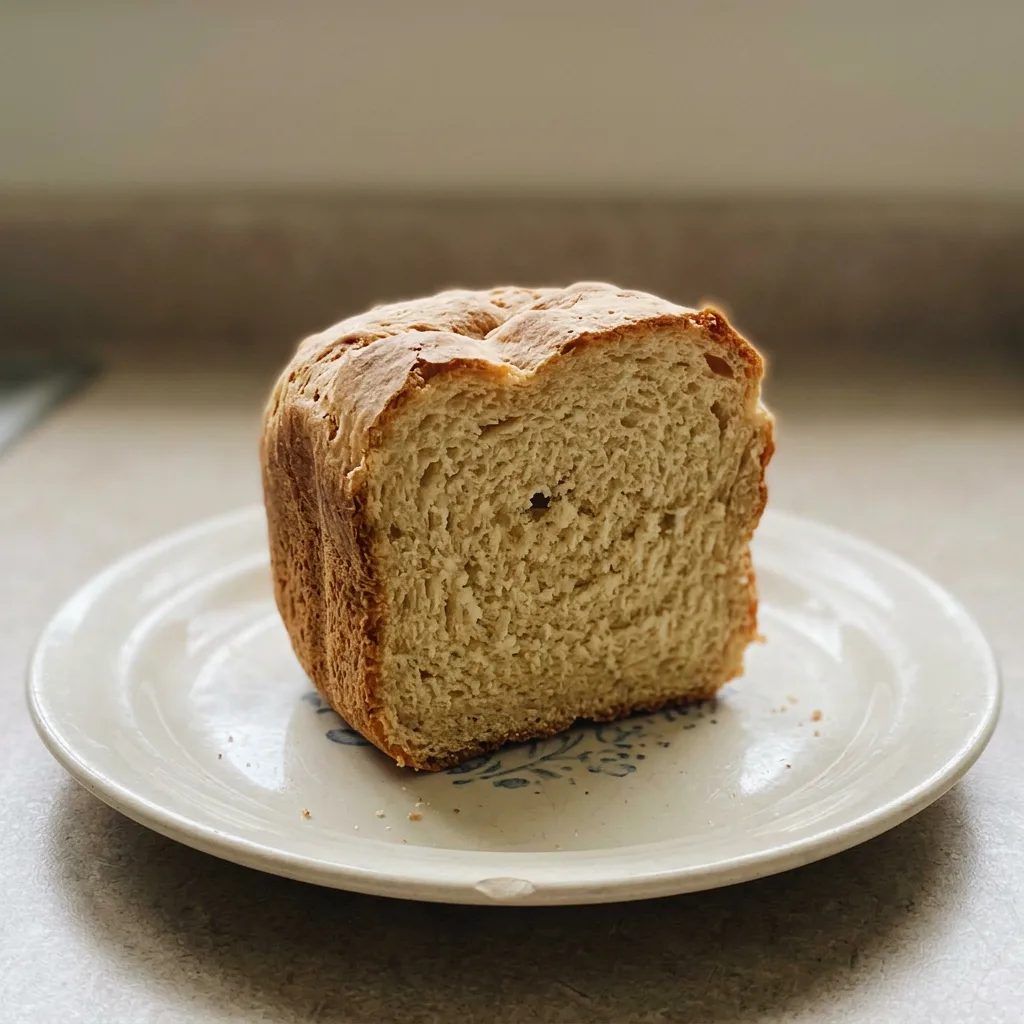
West Bend Bread Machine Recipes
Ingredients
Method
Add ingredients to pan:
Place ingredients into the bread maker pan following the recipe’s order.Select program and crust:
Pick the preferred bread program and crust darkness.Start baking process:
Activate the machine and let it finish the entire baking process.Remove and cool loaf:
Take out the finished loaf from the pan, allow it to cool, then serve.
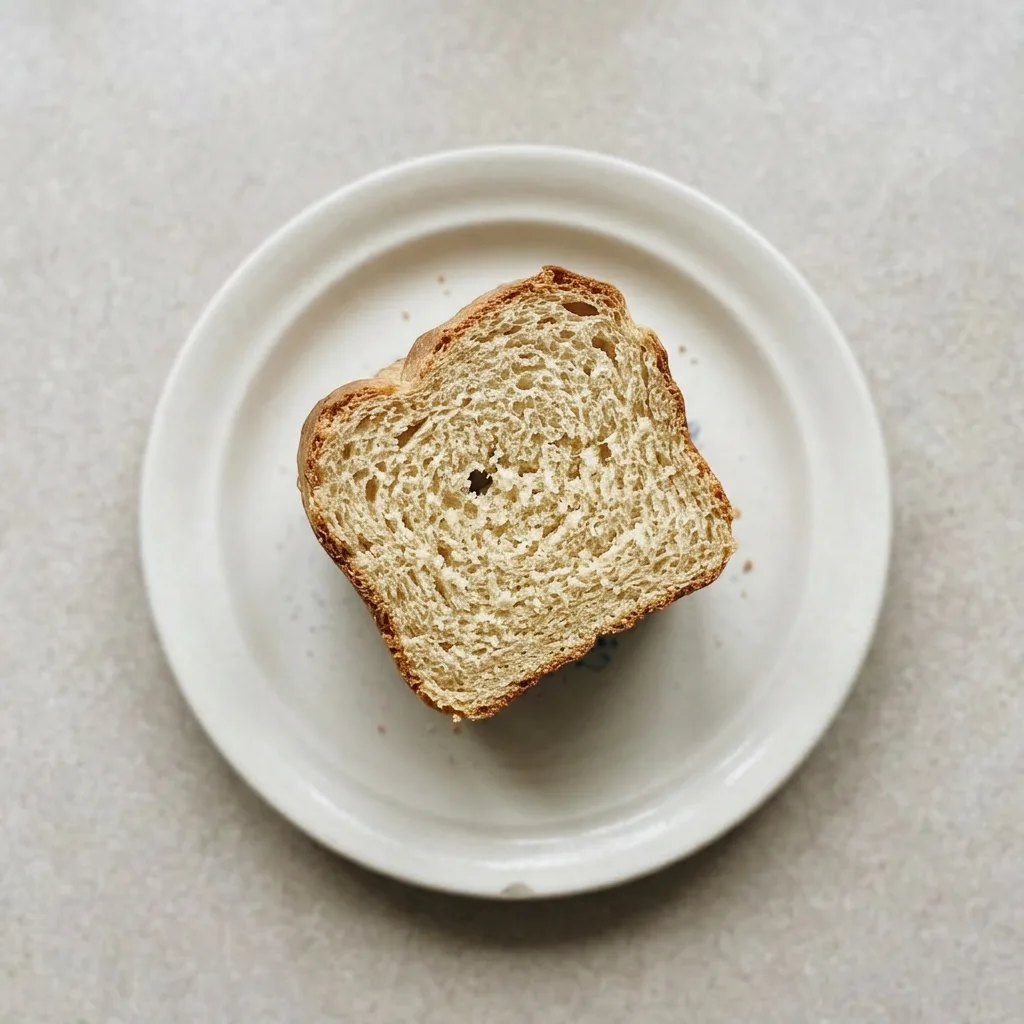
Swap flour or sweetener, but keep the yeast order
Flour: Bread flour for all-purpose. Chewier crumb and slightly higher rise. Use the same volume, but expect a denser texture if you swap all-purpose for bread flour.
Sugar: Honey or maple syrup for granulated sugar. Sweeter, darker crust, and softer crumb. Reduce liquid by 1 tablespoon per 1/4 cup of syrup.
The dough may feel stickier initially but will bake fine.
Yeast: Instant yeast for active dry. No proofing needed. , 1 teaspoon instant instead of 1 1/4 teaspoons active dry).
The rise starts faster, so the machine’s timing still works.
Tips
- If your yeast doesn’t foam after 5 minutes in warm water with sugar, it’s dead; start with fresh yeast to avoid a dense loaf.
Storage and Serving
Store the cooled loaf in a paper bag at room temperature for up to 3 days. Paper lets the crust stay crisp; plastic traps moisture and softens it.
For longer storage, wrap the cooled loaf tightly in plastic wrap, then foil, and freeze for up to 3 months. Thaw at room temperature, still wrapped, to avoid condensation.
To refresh, reheat slices in a 350°F oven for 5 minutes or toast. Serve the same day for the best texture, ideally within 4 hours of baking. If you add any finishing butter or oil, do it just before serving, not during storage, so the crust doesn’t soften.
Frequently Asked Questions
Can I use active dry yeast instead of bread machine yeast?
Yes, active dry yeast works fine. Use the same amount called for in the recipe. No need to proof it first, just add it dry to the flour well.
The bread machine’s kneading cycle will hydrate it. If your loaf doesn’t rise as high, the yeast may be old; check the expiration date.
Why did my bread collapse in the middle after baking?
Most likely the dough over-proofed, meaning it rose too long and the gluten structure weakened. This can happen if the yeast is very active or the room was warm. Next time, check the dough during the second rise, if it doubles in size before the machine starts baking, it’s over-proofed.
Also avoid opening the lid during baking, as that can cause a sudden temperature drop and collapse.
Can I open the lid during the cycle to check the dough?
You can open the lid during the kneading or first rise phases to check dough consistency, but never open it during the bake cycle. The heat loss can cause the loaf to sink in the middle.
If you peek during kneading, the dough should form a smooth, tacky ball. Add water only if it’s dry and crumbly.
How do I make the crust softer or harder?
Set the crust darkness control to light for a softer crust, or dark for a harder, crunchier one. If you want an even softer crust, brush the hot loaf with butter immediately after baking. For a harder crust, leave the loaf in the turned-off machine with the lid ajar for 5 minutes after the cycle ends, then cool completely on a wire rack.
Can I double the recipe in a standard bread machine?
No, doubling the recipe will exceed the pan capacity and likely overflow during kneading or rising. The dough needs room to expand.
Stick to the recipe as written for your machine’s max flour amount, usually around 4 cups. If you need more bread, bake two separate loaves.
