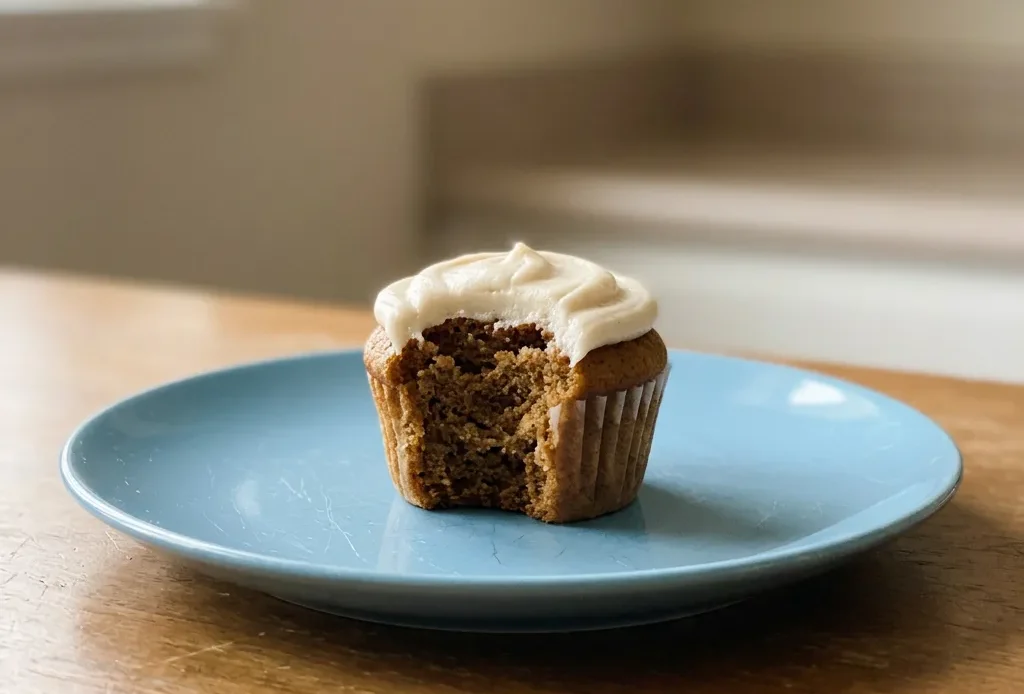
A full cupcake recipe assumes a dozen or more. Scaling it down to four is less about dividing ingredients and more about managing a tighter margin for error, every gram, every stir counts. With alternative flours and fats in play, the usual tricks don’t always translate.
This is a small-batch method that works when others fall apart, built for the cook who wants a handful of cupcakes, not a whole tray. Small-batch cupcakes done right.
Leavening balance in a small batch
Baking powder works fast. In a small batch of cupcakes, the batter goes into the oven quickly, so the ratio of leavening to flour matters more than in a full recipe. Too much powder, and the muffin tops dome then collapse; too little, and they come out dense as hockey pucks.
Overmixing the batter develops gluten, which toughens the crumb, but undermixing leaves dry flour pockets. The egg is your main structure builder; a large egg is standard, but if yours is jumbo, it adds extra moisture that can throw off the texture. With only four liners, uneven batter distribution leads to one cupcake baking faster than the others.
Even scoops mean each cupcake rises at the same rate.
Fat and sugar for a tender crumb
Creaming softened margarine with sugar traps air bubbles that expand in the oven, giving lift. This is especially important when using alternative flours that lack gluten’s stretch. The type of fat changes the result: margarine creates a traditional, slightly fluffy crumb, while oil yields a denser, moister cupcake that spreads more.
Coconut sugar’s larger crystals don’t dissolve as readily as white sugar, so they can leave a speckled look and a slightly coarser texture. Because the batch is small, the total fat is low, only a few tablespoons, so proper blending with the egg is crucial.
If the emulsion breaks, the batter seems greasy and the cupcakes bake up with a slick, heavy bottom.
Why alternative flours need extra care
Gluten-free flour blends soak up liquid more than wheat flour does. In a small batch, that difference is magnified: the batter can look at first but turn stiff after a minute.
Letting it rest five minutes before scooping gives the flour time to hydrate, preventing dry, crumbly cupcakes. Almond milk and oat milk bring their own quirks, almond milk is thin and can make the batter slack, while oat milk adds sugars that brown the tops faster. The small volume means you’re only adding a few tablespoons of liquid, so a splash too many turns the batter runny.
Aim for a thick batter that drops off the spatula in a slow ribbon. Overmixing in a small bowl is tempting, but stir just until the flour disappears.
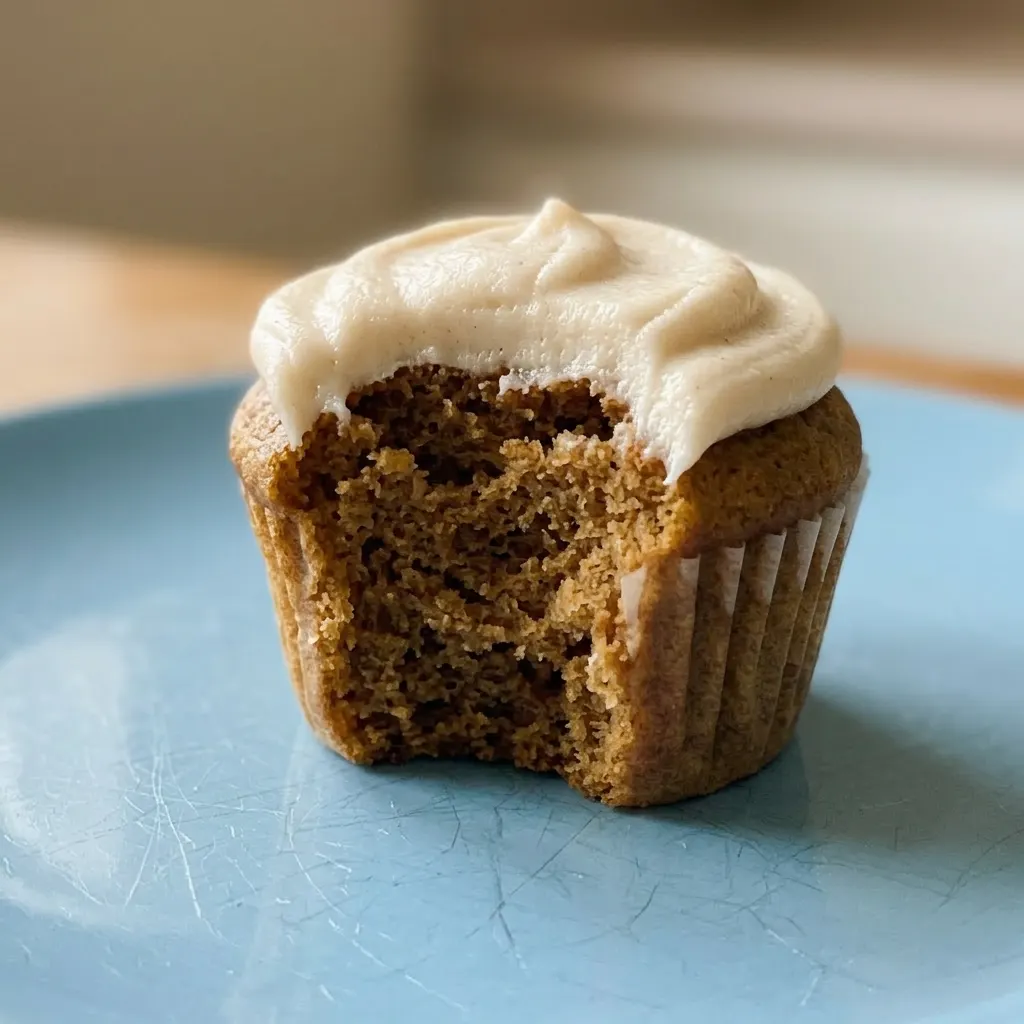
Prep: 10 min · Cook: 20 min · Total: 30 min · Servings: 4
Ingredient picks for a small batch
Butter alternative: Creaming traps air for lift, so use room-temperature margarine, not cold or melted.
Milk substitute: Almond milk is thin; oat milk adds sugars that brown tops faster.
Flour swap: Gluten free blends soak more liquid; let batter rest 5 minutes before scooping.
Sugar replacement: Coconut sugar’s larger crystals leave a speckled look and coarser texture.
Creaming and mixing for a small batch
Prep the pans and oven
Heat the oven to 350°F. Line four muffin cups with liners. The batter will be ready fast, so having the pan ready prevents waiting while the baking powder activates.
Cream the fat and sugar
Beat the softened margarine and coconut sugar until light and airy, about 2 minutes. With a small batch, you’ll see the mixture pale and thicken, stop when it looks fluffy, not greasy.
Add the egg and vanilla
Add the egg and vanilla, mixing thoroughly. The batter should look smooth and emulsified. If it looks curdled or separate, your margarine was too cold; it will still bake fine but may be denser.
Combine dry and wet
Whisk the flour, baking powder, and salt in a separate bowl. Add half the dry mix to the wet, stir a few times, then add half the milk.
Repeat with remaining dry and milk. Stir just until no flour streaks remain.
The batter should drop off the spatula in a thick ribbon.
Fill and bake
Divide batter evenly among the liners, each should be about two-thirds full. Bake 18 to 20 minutes.
A toothpick inserted in the center should come out clean, and the tops spring back when touched. The centers should not jiggle.
Small-Batch Cupcakes
Ingredients
- Butter alternative Employ softened margarine or a light vegetable oil for a dairy-free version.
- Milk substitute Exchange whole milk with almond milk or oat milk to create a dairy-free or lighter result.
- Flour swap Opt for a gluten-free all-purpose flour blend for gluten sensitivities, modifying baking powder as needed.
- Sugar replacement Use coconut sugar instead of granulated sugar for a richer taste and less processed alternative.
Instructions
Preheat oven and liners:
Heat oven to 350°F (175°C) and place 4 cupcake liners into a muffin tin.Cream butter and sugar:
In a medium bowl, beat the softened butter and sugar together until the mixture is light and airy.Add egg and vanilla:
Add the egg and vanilla extract, mixing thoroughly until well incorporated.Mix dry with wet:
In another bowl, combine flour, baking powder, and salt with a whisk. Slowly add the dry mixture to the wet one, alternating with milk, and stir just until blended.Bake cupcakes until done:
Distribute the batter evenly among the liners. Bake for 18 to 20 minutes or until a toothpick inserted in the center emerges clean. Let cool before frosting or serving.
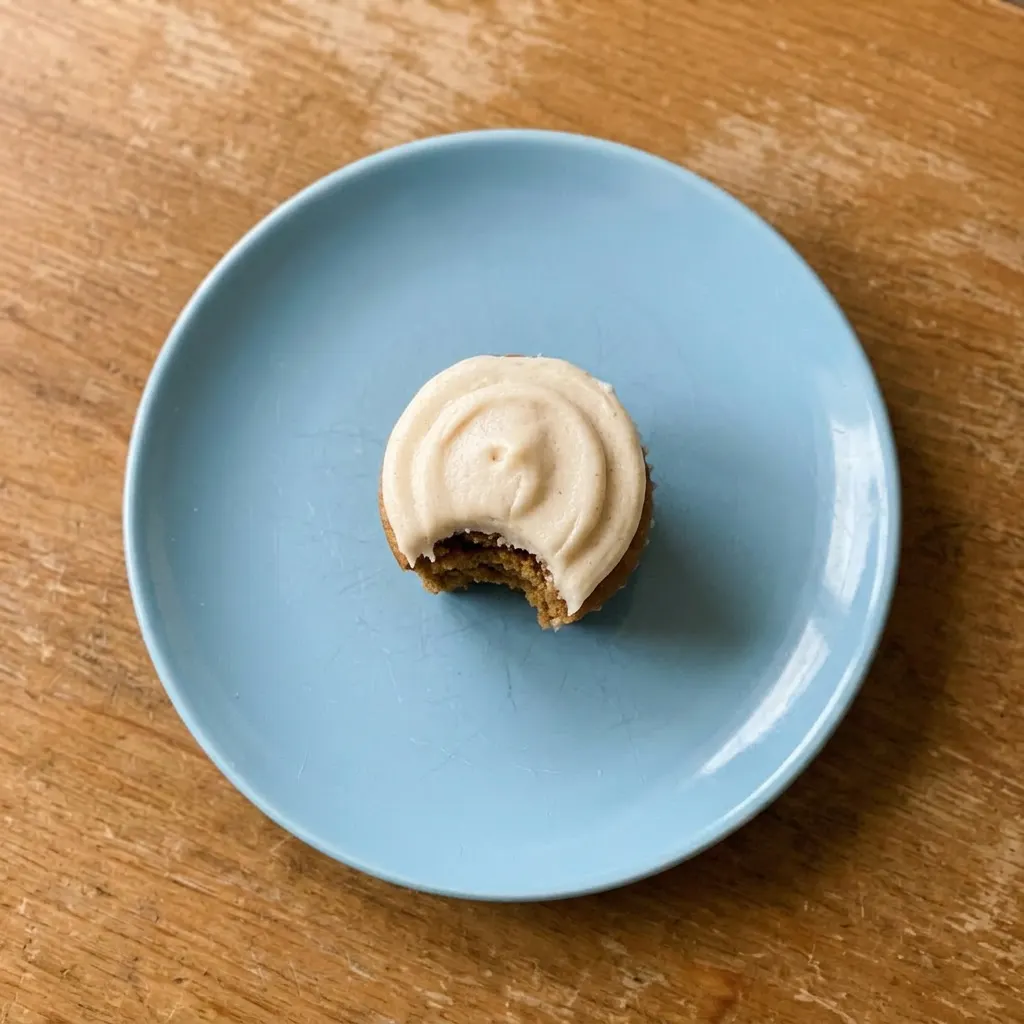
Why fat and flour swaps demand attention here
Butter alternative: Use the same amount of softened margarine or light vegetable oil as the butter called for. Margarine creams similarly, giving a fluffy crumb. Oil yields a denser, moister cupcake that spreads more, no creaming step needed, just stir it in.
If the margarine is too cold, the batter may look curdled; it still bakes fine but the crumb turns denser.
Milk substitute: Swap whole milk with the same volume of almond milk or oat milk. Almond milk is thin and can make the batter slack, so your cupcakes may spread more and dome less.
Oat milk adds sugars that brown the tops faster, watch the bake time. For a thick batter that drops in a ribbon, reduce liquid by a teaspoon if the batter seems runny.
Flour swap: Use a gluten-free all-purpose flour blend (measure by weight if possible; if by volume, spoon and level). Gluten-free blends absorb more liquid than wheat flour.
In a batch this small, the batter can stiffen quickly. Let it rest 5 minutes after mixing, then check consistency, add a splash of milk if it’s too thick. The crumb will be tender but less springy; tops may not dome as high.
Mini cupcake pans work, but reduce bake time to 12 to 14 minutes.
Tips
- Let eggs and milk substitute sit out for 30 minutes before mixing; cold ingredients can cause the margarine to seize, making the batter lumpy and the crumb dense.
- If your milk substitute is almond milk, add 1/2 teaspoon of apple cider vinegar to it and let sit 5 minutes; this mimics buttermilk’s acidity, helping the baking powder react more evenly for better rise.
Storage and Serving
These small-batch cupcakes stay moist for up to 2 days at room temperature in an airtight container. Refrigeration dries them out faster, so only chill if you must (like for a cream cheese frosting), then bring to room temp before serving.
For best texture, eat within 24 hours. After that, the crumb gradually firms.
To revive a stored cupcake, microwave 5 to 8 seconds. If you add frosting, do it just before serving. Unfrosted cupcakes freeze well for up to 1 month; wrap individually in plastic then foil.
Thaw at room temp, still wrapped, then frost after unwrapping. Frosted cupcakes don’t freeze well because the frosting’s texture suffers.
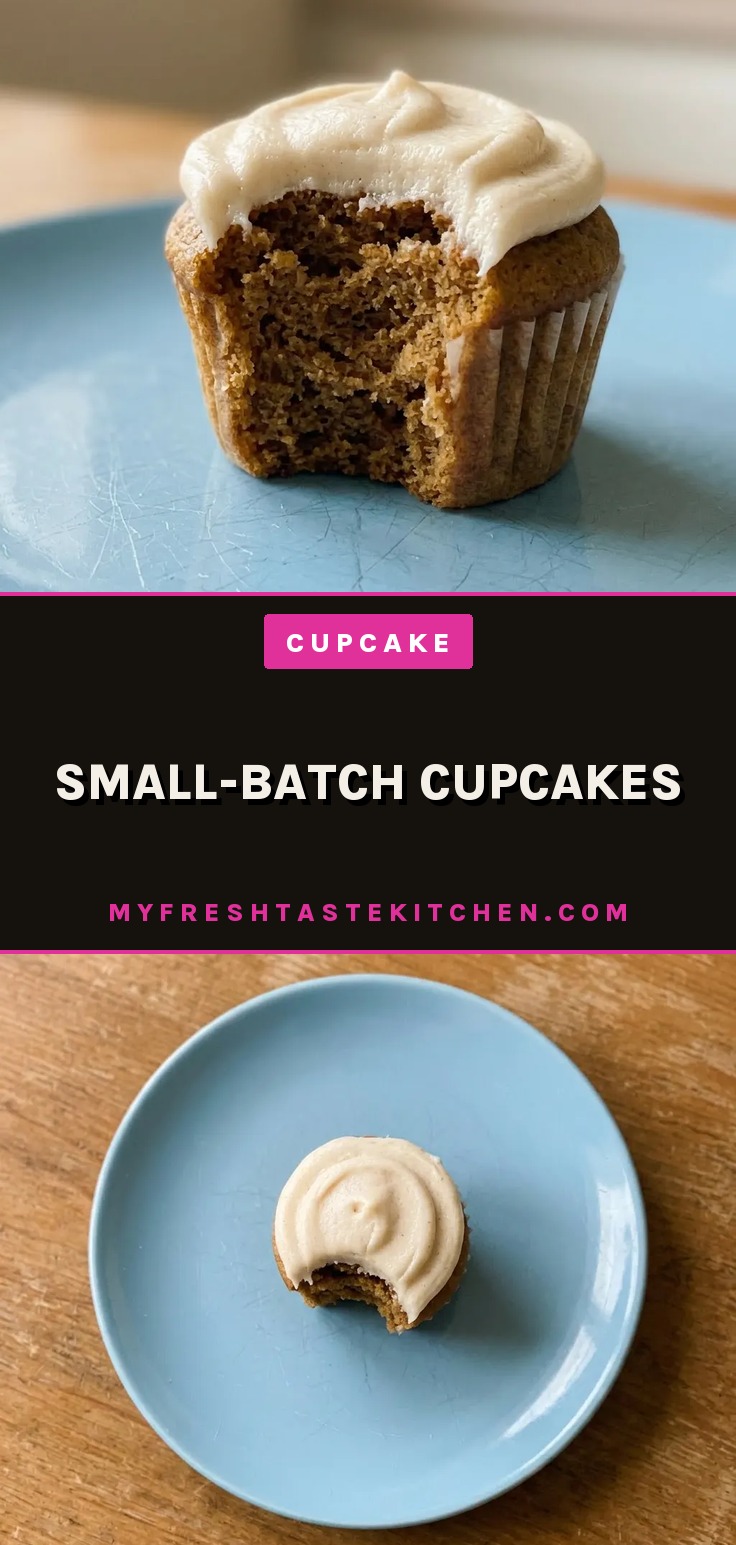
I tried whisking by hand vs. using a spatula fold; the whisk overmixed and gave me tough cupcakes, while the gentle spatula fold kept them tender.
Frequently Asked Questions
Can I make these cupcakes ahead of time and freeze them?
Yes, freeze unfrosted cupcakes for up to one month. Wrap each individually in plastic then foil. Thaw still wrapped at room temp, then frost after unwrapping.
Frosted cupcakes don’t freeze well, the frosting texture suffers.
Why did my cupcakes turn out dense and not fluffy?
Most likely overmixing developed too much gluten, or the margarine wasn’t creamed long enough to trap air. The batter should drop off the spatula in a thick ribbon, if it was stiff or you stirred until smooth, you went too far. Also check that your baking powder is fresh; old leavener won’t lift four cupcakes properly.
How do these small-batch cupcakes differ from a standard full-size recipe?
The small volume makes leavening and moisture balance more delicate, a few extra seconds of mixing or a splash too much milk changes the crumb noticeably. You’ll also see coconut sugar’s larger crystals create a speckled look and coarser texture that’s more pronounced than in a full batch. The bake time is short, so the window between done and dry is narrower.