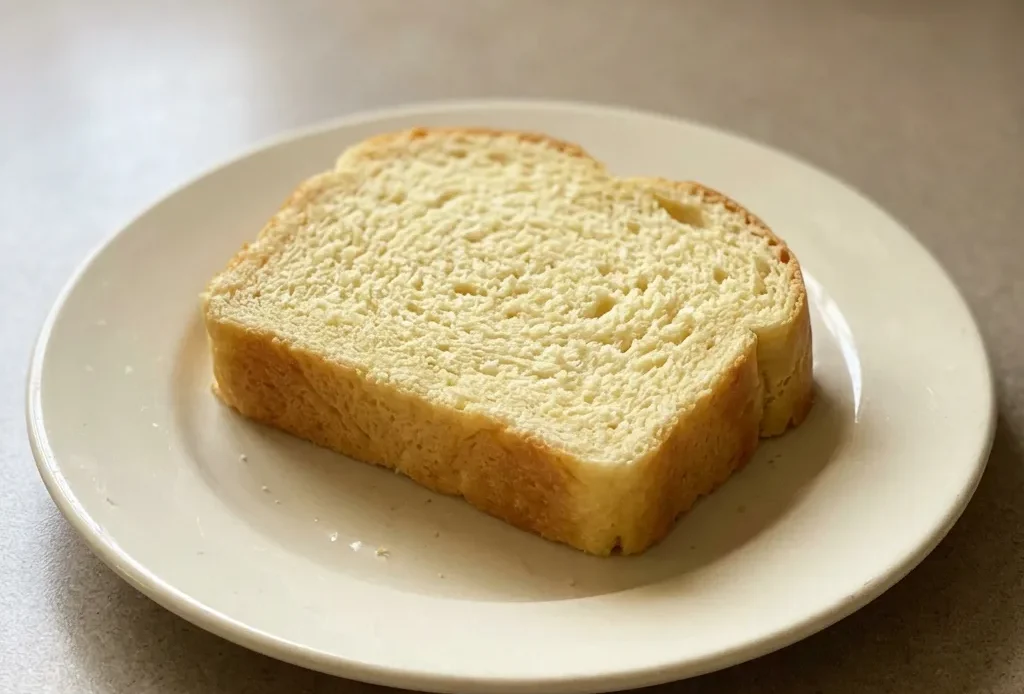
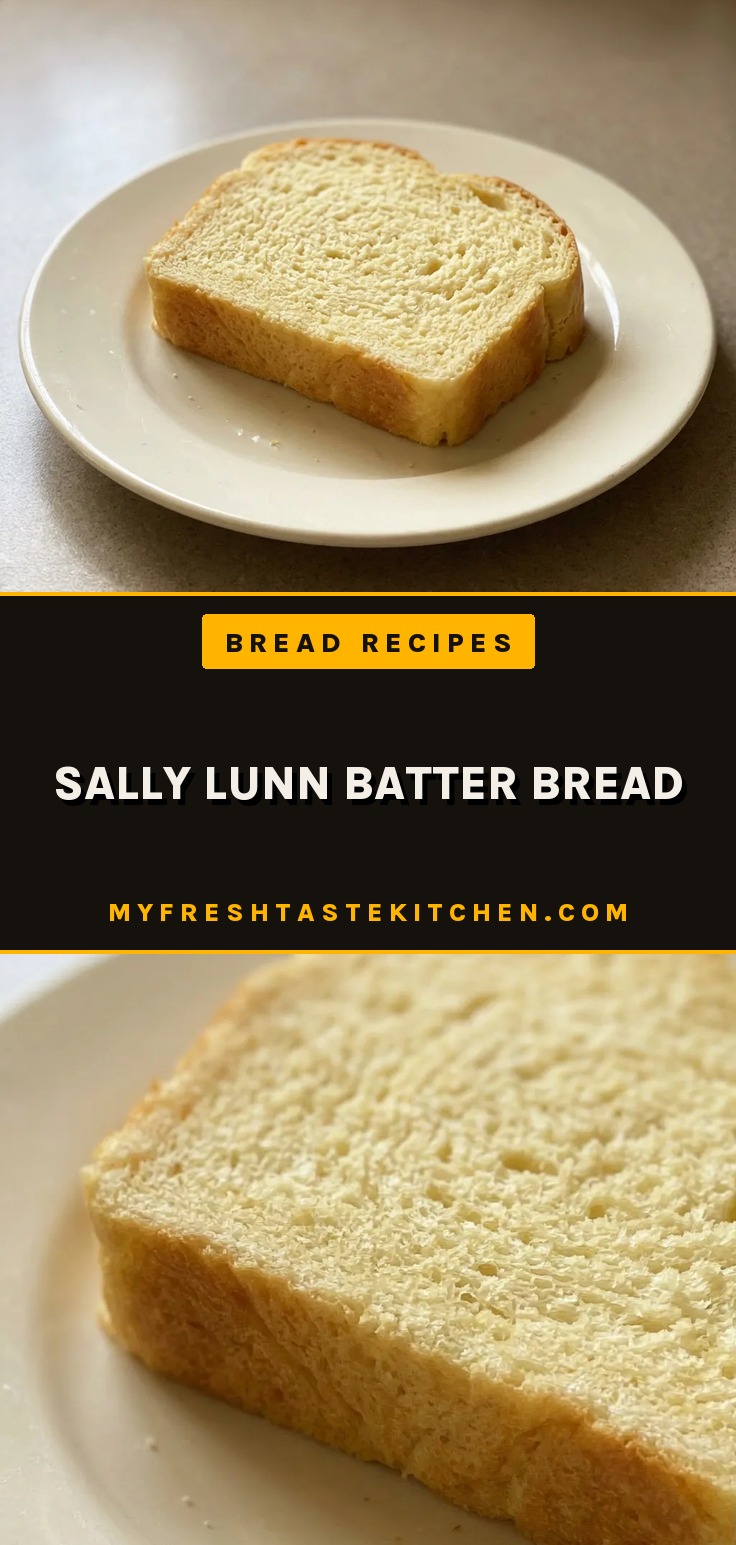
The trick to Sally Lunn batter bread is trusting a wet, almost pourable dough that looks nothing like bread dough. That looser batter is what gives this American classic its signature tender, cake-like crumb without a single minute of kneading. The two long rises do the gluten work for you, building structure and flavor while you walk away.
Get the water temperature right, 110 to 115°F, warm but not hot, and the yeast will reward you with a tall, golden loaf. The tube pan matters, too: it lets heat climb through the center so the thick batter bakes evenly, no raw core or overdone edges.
I see so many people pull this bread out when the top is golden, only to have a gummy, sunken middle. The tube pan tricks you into thinking it’s done when the center is still raw.
Bake in a tube pan for even heat and a tender crumb
A tube pan does more than shape the loaf, it lets heat climb through the center, so the thick batter bakes evenly. The central tube also supports the soft structure, preventing the wet dough from sagging as it rises. Without that core support, a loaf pan would give you a denser, more uneven crumb.
The result is a light, airy texture all the way through, with no raw center or overdone edges.
Let the double rise build flavor without kneading
This batter skips kneading entirely. Instead, two rises develop the gluten.
The first rise wakes up the yeast and starts building flavor. After stirring the dough down, the second rise refines the crumb into a fine, even grain. Each rise takes a full 60 minutes.
Rushing them shortens the volume and turns the texture dense. The result is a yeast bread that tastes rich and complex, not flat or sour.
Expect a soft, wet batter for a cake-like crumb
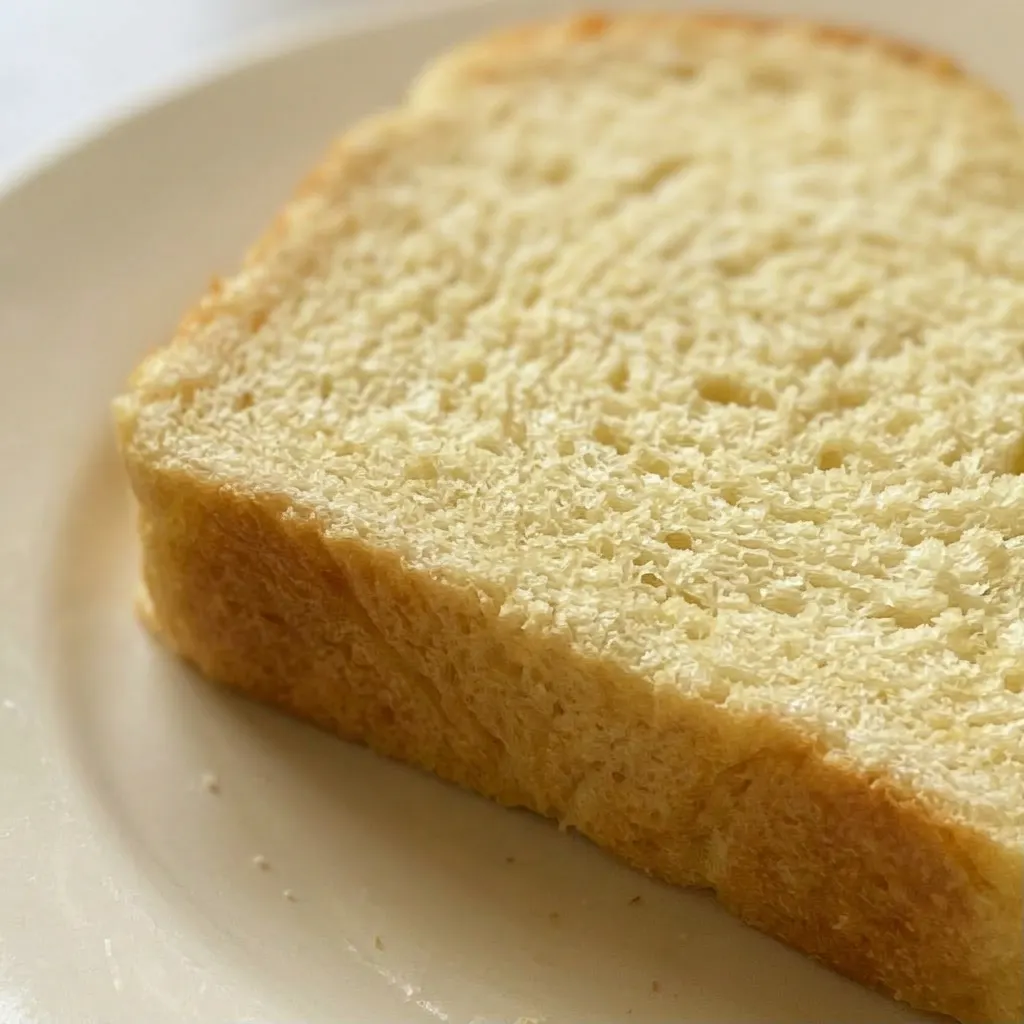
The high amounts of milk, eggs, and butter make this batter noticeably looser than a standard bread dough. That wetness is intentional, it produces a moist, tender crumb that’s closer to cake than to a chewy loaf. Handle it gently; overworking the batter deflates the air you’ve built during the rises.
The payoff is a slice that stays soft for days, with a fine, even texture throughout.
Prep: 15 min · Cook: 30 min · Total: 2 hr 45 min · Servings: 16 · Calories: 250 kcal
Key ingredients for Sally Lunn batter bread
Active dry yeast: Check the expiration date. If it doesn’t foam within 5 minutes, toss it and start fresh.
Butter: Use salted butter for flavor; soften it enough so it blends without lumps.
All-purpose flour: Standard all-purpose works fine; no need for bread flour here.
Eggs: Large eggs, straight from the fridge. They’ll warm up when mixed with the milk.
Watch the dough, not the clock
Wake the yeast
Stir the yeast and 1/8 teaspoon sugar into the warm water. After 5 minutes, the surface should be frothy and smell yeasty. If not, your yeast is dead, start over with fresh yeast.
Mix the wet base
Combine the warm milk, softened butter, 1/4 cup sugar, salt, eggs, and the bubbly yeast mixture. The butter should be soft enough to blend without lumps. The mixture will look curdled at first; that’s fine.
Add the flour gradually
Stir in 3 cups of flour until no dry streaks remain. The batter will be thick but still wet. Then add the remaining 2 1/2 cups and mix until a soft, sticky dough forms.
It should pull away from the bowl slightly but stay tacky.
First rise until doubled
Cover the bowl and let it rise in a warm spot. After about 60 minutes, the dough should have doubled in volume and feel puffy when poked. If it hasn’t, give it more time, the room might be cool.
Deflate and spoon into pan
Stir the dough down, it will collapse and release a yeasty aroma. Spoon it into a generously greased 10-inch tube pan. Spread it evenly; it won’t level itself during the second rise.
Second rise until doubled again
Let the dough rise in the pan, covered, for about 60 minutes. It should crest just above the rim. If it domes too high, it may overflow during baking; you can bake it a little earlier.
Bake until hollow-sounding
Bake at 400°F for 25 to 30 minutes. The crust should be deep golden brown.
Tap the top, a hollow sound means it’s done. If it sounds dull, bake a few more minutes and check again.
Cool in the pan briefly
After 10 minutes of cooling in the pan, release the sides by gently pulling them away. Place a small bowl under the center tube to support the pan, then lift the pan sides off.
Remove from the tube carefully
Let the bread cool 20 to 30 minutes more. Then lift the loaf straight up off the tube. If it sticks, run a thin knife between the bread and the tube.
Cool completely on a rack before slicing.
Sally Lunn Batter Bread
Ingredients
- 1 package active dry yeast (2 1/4 teaspoons) (7 g)
- 1/2 cup warm water (110-115°F (45°C)) (120 ml)
- 1/8 teaspoon granulated sugar
- 1 cup warm milk (110-115°F (45°C)) (240 ml)
- 1/2 cup butter, softened (salted recommended) (113 g)
- 1/4 cup granulated sugar (50 g)
- 2 1/2 teaspoons kosher salt (12 g)
- 3 large eggs
- 5 1/2 cups all-purpose flour (660 g)
Instructions
Activate Yeast Mixture:
In a small bowl, stir the yeast into the warm water, then add the 1/8 teaspoon sugar. Let stand for 5 minutes until frothy.Combine Wet Ingredients:
Using a wooden spoon in a large bowl (or a stand mixer with dough hook), combine the warm milk, softened butter, 1/4 cup sugar, salt, eggs, and the bubbly yeast mixture. Blend thoroughly.Mix in First Flour:
Gradually incorporate 3 cups (360 g) of the flour, mixing until completely combined.Knead Remaining Flour:
Add the remaining 2 1/2 cups (300 g) flour and stir or knead (with dough hook) to create a soft dough. Continue mixing or kneading for 3-4 minutes.First Rise in Bowl:
Wrap the bowl with plastic film and allow to rise in a warm, draft-free spot until doubled, roughly 60 minutes.Deflate and Fill Pan:
Deflate the dough by stirring. Spoon evenly into a 10-inch tube pan that has been generously coated with baking spray.Second Rise in Pan:
Let the dough rise again in a warm, draft-free area until doubled, about 60 minutes.Preheat Oven:
Heat oven to 400°F (205°C).Bake Until Golden:
Bake for 25-30 minutes, until tapping the bread yields a hollow sound and the crust is deep golden brown.Cool in Pan:
Take the pan out of the oven and let it cool for 10 minutes.Remove Pan Sides:
Set a small bowl under the tube pan and gently let the pan sides drop away from the bread.Cool on Rack:
Allow the bread to cool further for 20-30 minutes.Remove from Tube:
Carefully lift the loaf off the tube part of the pan and let it cool entirely.
Storage and Serving
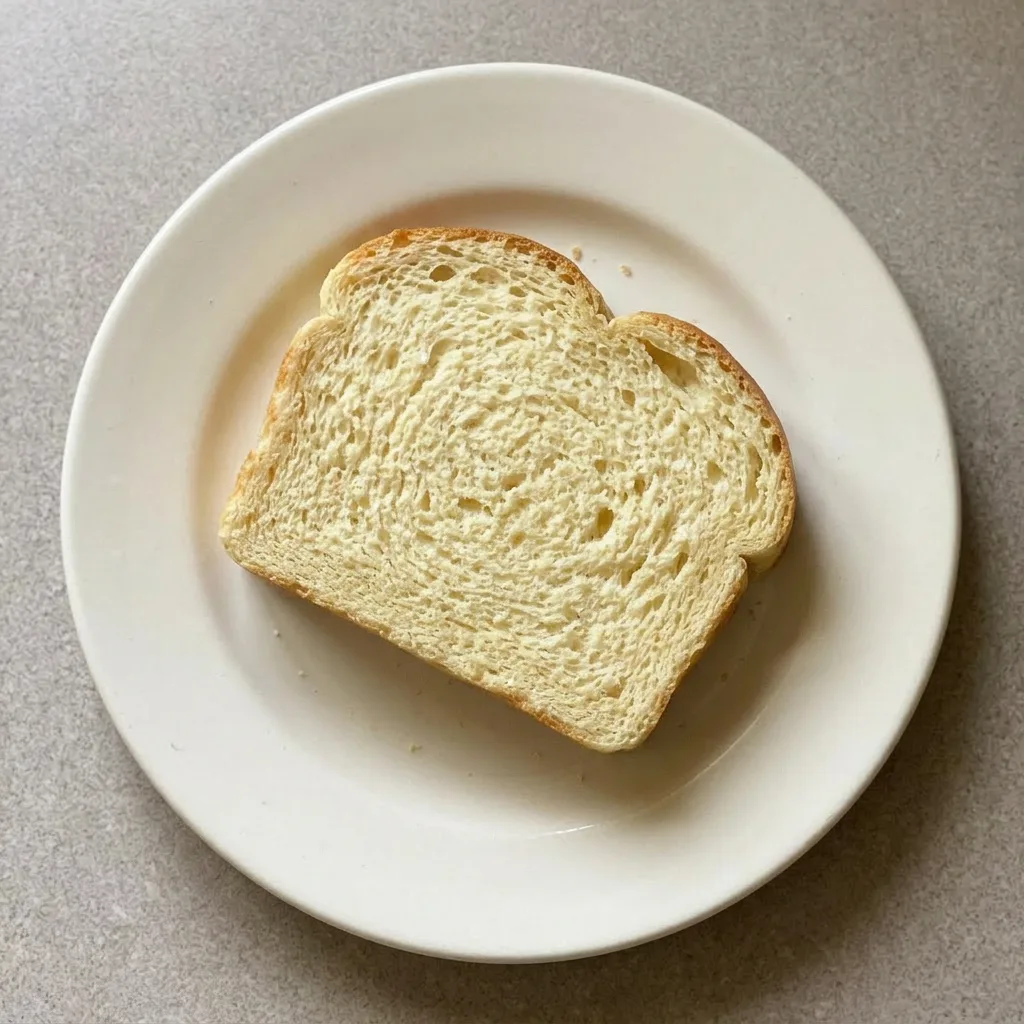
Serve Sally Lunn Batter Bread within a few hours of baking for the best texture: the crust is crisp and the crumb is airy. Once cooled completely, wrap the loaf tightly in plastic wrap or store in an airtight container at room temperature.
The crust will soften over the first day, but the interior stays tender. It keeps for up to 3 days at room temperature. To restore some crust crispness, reheat slices in a 350°F oven for 5 minutes.
The bread does not freeze well because the high moisture content turns the crumb gummy after thawing. If you must freeze, slice first, wrap individually, and freeze for up to 1 month. Thaw at room temperature, then reheat as directed.
Make ahead: you can bake the bread a day in advance; store wrapped at room temperature and reheat before serving.
Substituting ingredients in this tender batter bread
Butter: Unsalted butter plus extra salt. Use unsalted butter and add ½ teaspoon more kosher salt to the dough. The bread will taste just as rich; the extra salt compensates for what’s missing.
Milk: 2% or buttermilk. Whole milk gives the tender crumb.
2% works but yields a slightly less moist bread. Buttermilk adds a tangy flavor and a touch more acidity, which can make the crumb even softer.
No need to adjust the amount.
All-purpose flour: Bread flour. Bread flour’s higher protein can toughen this soft batter bread. Stick with all-purpose for the intended cake-like texture.
If you must, replace half the flour with bread flour and expect a chewier, less tender result.
Active dry yeast: Instant yeast. Use the same amount (2¼ teaspoons).
Skip the proofing step: mix instant yeast directly with the flour. The rest of the timing stays the same.
No change in flavor or texture.
Tips
- If the yeast mixture doesn’t froth within 5 minutes, your yeast is dead. Start over with fresh yeast, and make sure the water is between 110 to 115°F (45°C). Too hot will kill the yeast; too cool won’t activate it.
Frequently Asked Questions
Can I make Sally Lunn batter bread ahead of time?
Yes, you can bake it a day ahead. Cool completely, wrap tightly in plastic, and store at room temperature. Reheat slices in a 350°F oven for 5 minutes to restore some crust crispness before serving.
Why did my bread collapse or fall in the middle?
Most likely the second rise went too long, if the dough domes well above the pan rim, the structure overstretches and can’t support itself in the oven. Next time, bake when the dough crests just above the rim, or even a little earlier. A cool draft during rising can also cause collapse, so keep the pan in a warm, draft-free spot.
What is the difference between Sally Lunn bread and regular yeast bread?
Sally Lunn uses a wet, batter-like dough with more milk, eggs, and butter than standard yeast bread, yielding a tender, cake-like crumb. It skips kneading entirely, the two rises build the gluten instead. The tube pan lets heat climb through the center, giving even baking and a light texture throughout.