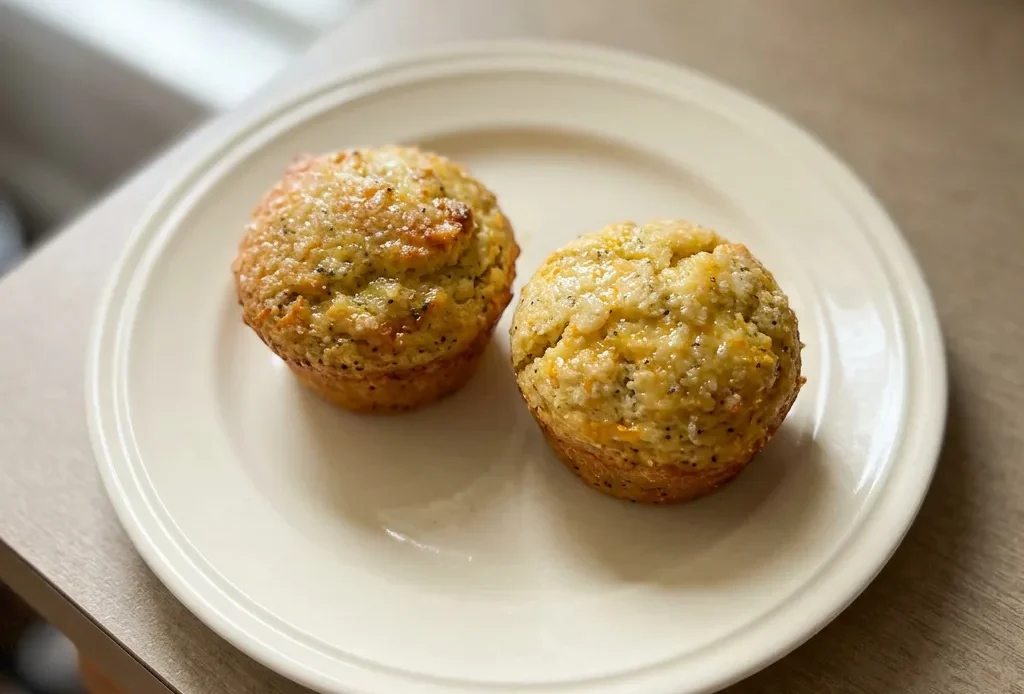
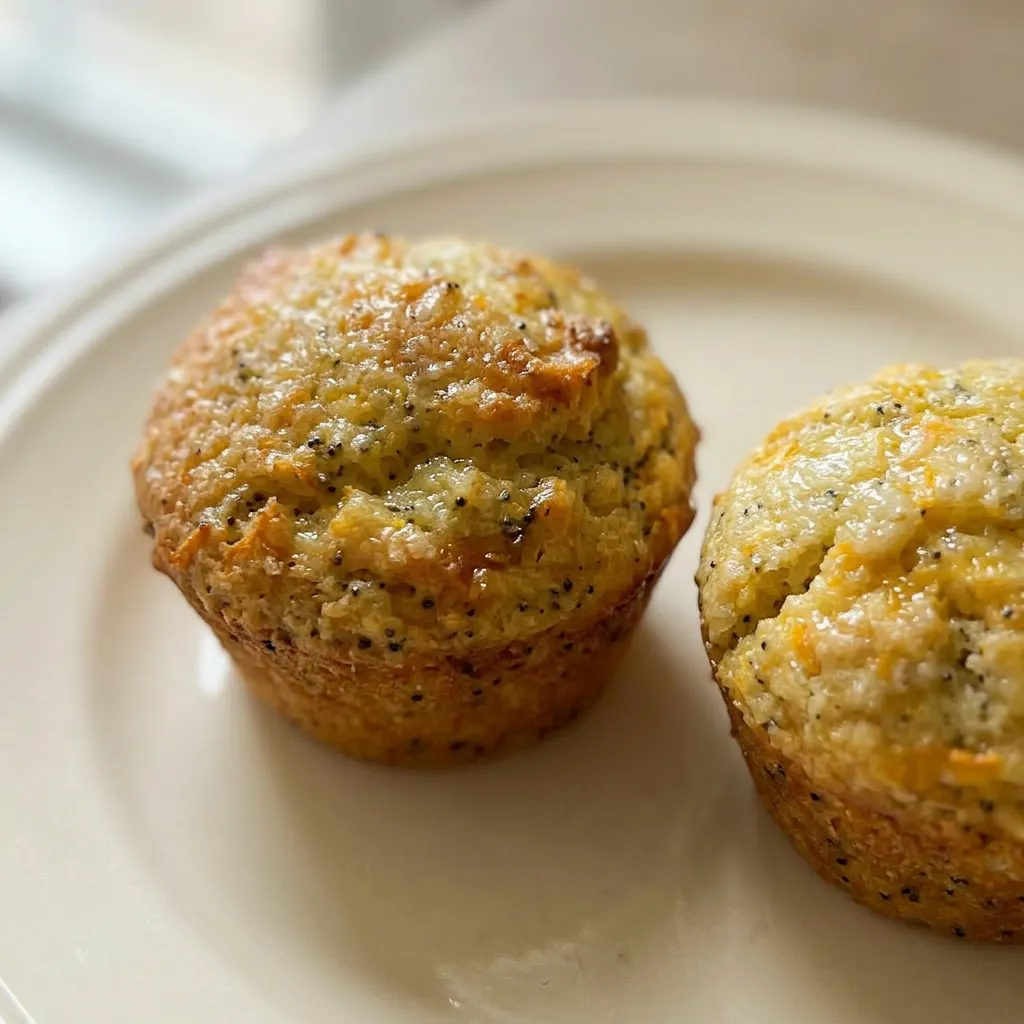
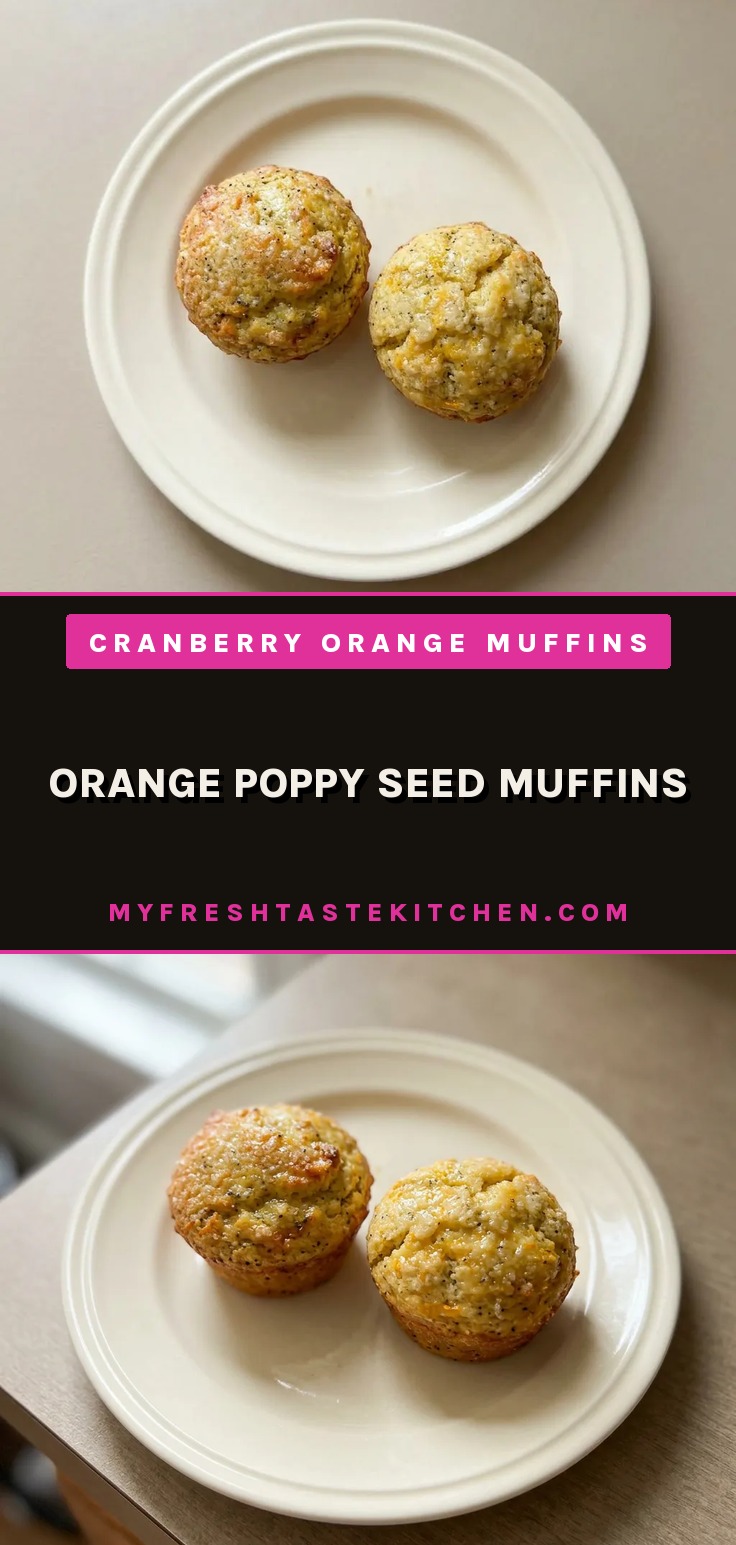
The crumb is tender, almost silky, with a fine, tight structure that holds together without being dense. A whisper of crunch from the poppy seeds breaks through the softness, while the orange flavor hits clean and bright, zesty on the nose, tangy on the finish. The secret isn’t in the ingredients alone, but in how you combine them.
Folding melted butter in last coats the flour just enough to limit gluten, giving you a bakery-style texture without the bakery fuss. These orange poppyseed muffins walk a line: moist but not greasy, citrusy but not wet.
And the turbinado sugar on top? That’s the crackle that makes the first bite worth the whole 35 minutes.
Why does Greek yogurt make these muffins so moist without being greasy?
Greek yogurt brings moisture and tenderness without the greasy mouthfeel that extra butter or oil would leave. The acidity in the yogurt reacts with baking soda to create lift, giving you a soft, fluffy crumb. Full-fat yogurt is your best bet here; the fat carries flavor and keeps the crumb tender, while the protein and tang add structure and depth.
You’ll taste the difference in a muffin that stays moist for days, not one that turns dense or dry.
How do orange zest and juice give bright flavor without making the batter too wet?
Zest contains the concentrated oils that hit your nose first, that punchy citrus aroma that juice alone can’t deliver. The juice adds acidity and moisture, but it’s measured precisely, just ¼ cup, so it brightens the batter without thinning it to a pour.
Together, zest and juice create a layered citrus taste: zesty top notes from the zest, a tangy finish from the juice. You get maximum orange flavor with zero dilution of the crumb.
Why fold melted butter in at the end for a tender crumb?
Melted butter coats flour particles and limits gluten formation when folded in after the wet and dry are combined. Now I fold in the melted butter last and stop as soon as the flour streaks disappear, keeping the gluten from overdeveloping. This method gives you a finer, more tender crumb than creaming, which aerates and builds structure.
The butter must be cooled to avoid cooking the eggs as you stir. The result: a dense, moist, almost silky muffin interior.
What do poppy seeds actually add besides look?
Poppy seeds contribute a subtle crunch and a mild, nutty flavor that complements the orange without competing. Fold them in last to keep them from clumping, and you’ll see them evenly scattered throughout the batter, no biting into a dry pocket of seeds.
Toasting is optional; the seeds are small enough to toast in the oven as the muffins bake. You get visual contrast against the pale crumb and a textural pop that makes each bite more interesting.
Prep: 15 min · Cook: 20 min · Total: 35 min · Servings: 12 · Calories: 100 kcal
Choose the right ingredients for moist, tender muffins
unsalted butter: Melt and let cool completely so it won’t cook the eggs when folded in.
plain Greek yogurt (full-fat): Full fat gives moisture and tenderness; low fat makes the crumb drier.
orange zest: Finely grate only the orange part; the white pith is bitter and harsh.
poppy seeds: Store them in the freezer; they go rancid fast at room temperature.
turbinado sugar: Coarse crystals add crunch; regular sugar melts into the batter.
Mixing the batter in the right order gives you a tender, moist crumb
Whisk dry ingredients
Combine flour, salt, baking soda, and poppy seeds in a large bowl. Whisk until the poppy seeds are evenly distributed, no clumps of seeds hiding in the flour.
Mix wet ingredients
In another bowl, whisk eggs, yogurt, vanilla, orange extract, zest, juice, and sugar. Whisk until the mixture is smooth and the sugar is fully dissolved. You shouldn’t feel any grit when you rub a bit to the touch.
Combine wet and dry
Pour the wet mixture into the dry. Stir with a wooden spoon just until no dry flour remains. Stop immediately, you’ll see streaks of flour disappear; overmixing makes the muffins tough.
Fold in melted butter
Add the cooled melted butter and fold gently until fully incorporated. The batter will look glossy and smooth. Stop as soon as the butter is absorbed, don’t stir more than needed.
Fill and top
Divide batter among the 12 liners, filling each about two-thirds full. Sprinkle a pinch of turbinado sugar over each top. The sugar adds crunch and sparkle.
Bake and test
Bake at 400°F for 20 minutes, rotating the pan halfway. The muffins are done when the tops spring back when lightly pressed in the center. Let them cool in the pan for 5 minutes, then transfer to a rack.
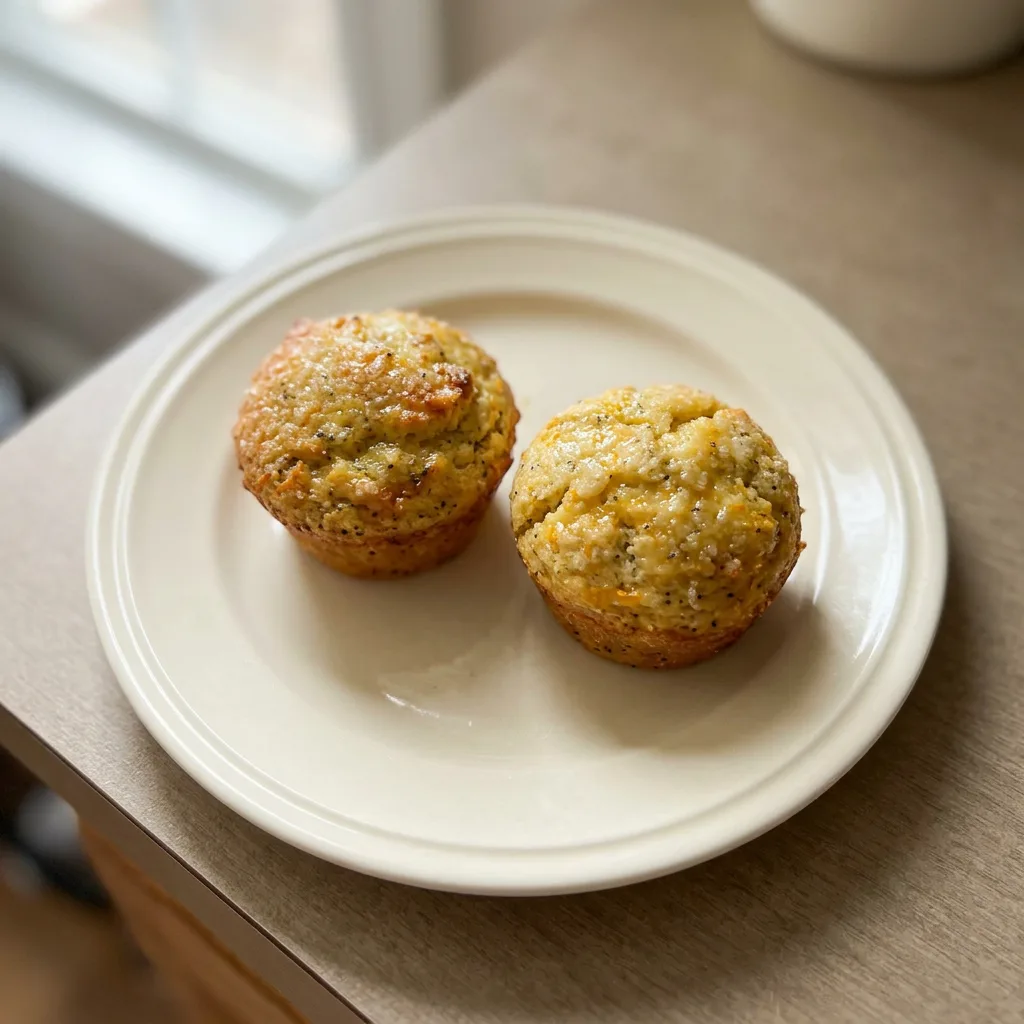
Orange Poppy Seed Muffins
Ingredients
Method
Preheat Oven and Prep Pan:
Set oven to 400°F (205°C). Place paper liners in a 12-cup muffin pan.Whisk Dry Ingredients:
In a large bowl, combine flour, salt, baking soda, and poppy seeds. Whisk thoroughly.Mix Wet Ingredients:
In another bowl, whisk eggs, Greek yogurt, vanilla extract, orange extract, orange zest, orange juice, and granulated sugar until the mixture is smooth and homogeneous.Combine Wet and Dry:
Add the wet ingredients to the dry ingredients and stir just until no dry flour remains. Then, using a wooden spoon, fold in the cooled melted butter until fully incorporated.Fold in Poppy Seeds:
Fold in the poppy seeds until they are evenly dispersed throughout the batter.Fill Muffin Cups:
Divide the batter evenly among the prepared liners, filling each about two-thirds full. Sprinkle a small pinch of Turbinado sugar over each muffin top.Bake Muffins:
Bake at 400°F (205°C) for 20 minutes, rotating the pan halfway through. Muffins are done when they spring back when lightly pressed in the center.Make Orange Glaze:
While the muffins bake, prepare the orange glaze by whisking together the glaze ingredients until smooth.Glaze Warm Muffins:
As soon as the muffins come out of the oven and are still warm, dip each top into the orange glaze, letting excess drip off.
Storage and Serving
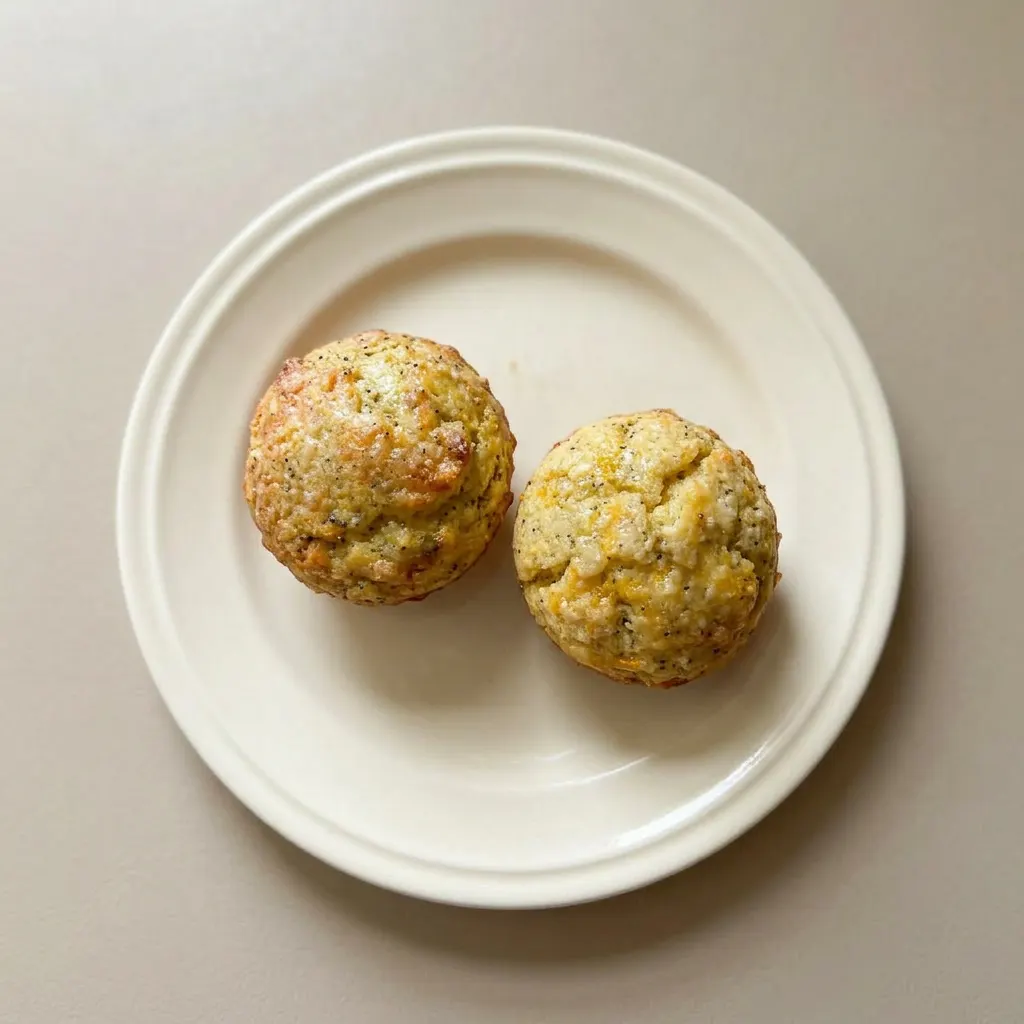
These muffins are best eaten within a few hours of glazing, when the glaze is set but still slightly glossy and the tops have a slight crunch from the turbinado sugar. The glaze will soften the muffin top over time, so if you plan to serve them later, hold the glaze and dip just before serving.
Store unglazed muffins in an airtight container at room temperature for up to 3 days. The crumb will stay moist from the yogurt and butter, but the top crunch will fade.
To revive, warm in a 300°F oven for 5 minutes. For longer storage, freeze unglazed muffins in a zip-top bag for up to 3 months.
Thaw at room temperature, then glaze and serve. The glaze does not freeze well; apply fresh after thawing.
Tips
- Toss poppy seeds with 1 tablespoon of the measured flour before folding into the batter. This coating prevents them from sinking to the bottom during baking, ensuring even distribution in every muffin.
- When zesting oranges, use a microplane and rotate the fruit as you go to avoid the white pith. The pith is bitter and can overwhelm the delicate orange flavor; fine zest from the colored part alone delivers pure citrus aroma.
Which swaps work, and which will flatten these muffins
Greek yogurt: Sour cream or buttermilk (use same volume: 1 cup / 245 g). Both bring comparable moisture and tang, so the crumb stays tender and the rise stays high. Sour cream gives a slightly richer mouthfeel; buttermilk makes the batter a touch thinner, so watch the bake time.
Unsalted butter: Don’t swap for oil. Melted butter is folded in last to coat flour and limit gluten, giving a silky, fine crumb. Oil would make the muffins greasy and coarse, you’d lose that tight, moist interior.
All-purpose flour: Gluten-free 1-to-1 flour blend (measure by weight: 281 g). The crumb will be slightly more crumbly and less springy, but the yogurt and butter keep it from drying out. Let the batter rest 15 minutes before baking so the flour hydrates fully.
Frequently Asked Questions
Can I make the batter ahead of time and bake later?
No, the batter won’t hold. The baking soda starts reacting with the yogurt and orange juice as soon as you mix them, so the bubbles that give the muffins lift will escape if you wait. Bake immediately after mixing for the tallest, fluffiest tops.
Why did my muffins turn out dry or dense?
Overmixing is the most common culprit. Once the flour is combined, gluten tightens and the crumb turns tough.
Next check your yogurt: full-fat keeps them moist, while low-fat or nonfat dries out the crumb. Also, an oven that runs cooler than 400°F can cause the muffins to bake longer and lose moisture.
How do I get a strong orange flavor without using extract?
You already are: the recipe calls for zest from about 3 oranges plus ¼ cup orange juice. Zest packs concentrated oils that taste brighter than any extract, and the juice adds acidity. If you want even more, add another tablespoon of zest and reduce the flour by a tablespoon to keep the batter balanced.
Can I freeze these muffins, and how should I reheat them?
Yes, freeze unglazed muffins in a zip-top bag for up to 3 months. Thaw at room temperature, then glaze fresh, the glaze doesn’t freeze well. To reheat, warm them in a 300°F oven for 5 minutes to bring back the moist crumb and any remaining crunch from the turbinado sugar.
