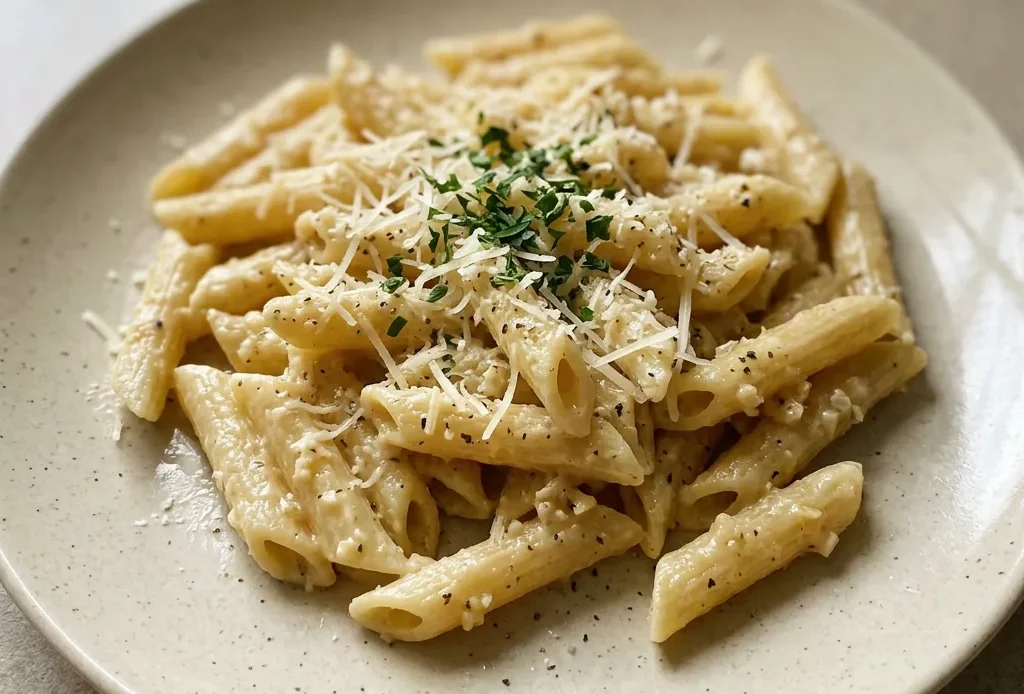
Milk-based pasta sauces split when the dairy hits high heat too fast, a sudden boil can curdle the milk into a grainy mess. The one pot creamy garlic pasta avoids that by letting the pasta starches stabilize the liquid as it warms, so you get a smooth sauce that clings without screaming for cream.
Why does cooking pasta in milk make a creamy sauce without heavy cream?
Milk contains natural emulsifiers and fats that create a creamy base. As the pasta cooks, it releases starch directly into the milk and water mixture.
That starch thickens the liquid into a silky sauce without needing heavy cream or a roux. The Parmesan cheese adds richness and saltiness that complement the milk, making the sauce taste rich. What you end up with is a smooth, clinging coating on each strand, no extra cream required.
How do garlic and Italian seasoning balance the dish’s richness?
Garlic is sautéed first to release its pungent aroma without burning, which gives the whole dish a savory backbone. Italian seasoning, a blend of herbs like oregano, basil, and thyme, adds bright, herbal notes that cut through the creamy sauce. Together they prevent the dish from tasting one-dimensional.
The result is a well-rounded pasta where richness is tempered by aromatic, slightly bitter notes from the herbs.
What makes the one-pot method yield a silky sauce without constant stirring?
The pasta releases starch directly into the milk and water as it cooks, naturally thickening the liquid into a sauce. Simmering uncovered allows excess water to evaporate, concentrating flavors and further thickening the sauce. Frequent stirring prevents sticking, but you don’t need the constant attention of a risotto.
The sauce clings to the pasta just from the starch released, no extra thickener needed.
How does optional cream cheese or sour cream improve texture without overpowering?
Stirring in cream cheese or sour cream at the end adds extra creaminess and a subtle tang that mimics a richer sauce. Because they’re added off the heat, they incorporate smoothly without risk of curdling. The result is a sauce that clings even better to the pasta, enhancing the mouthfeel without masking the garlic or Parmesan.
It’s a small boost that makes the dish feel more rich while keeping flavors balanced.
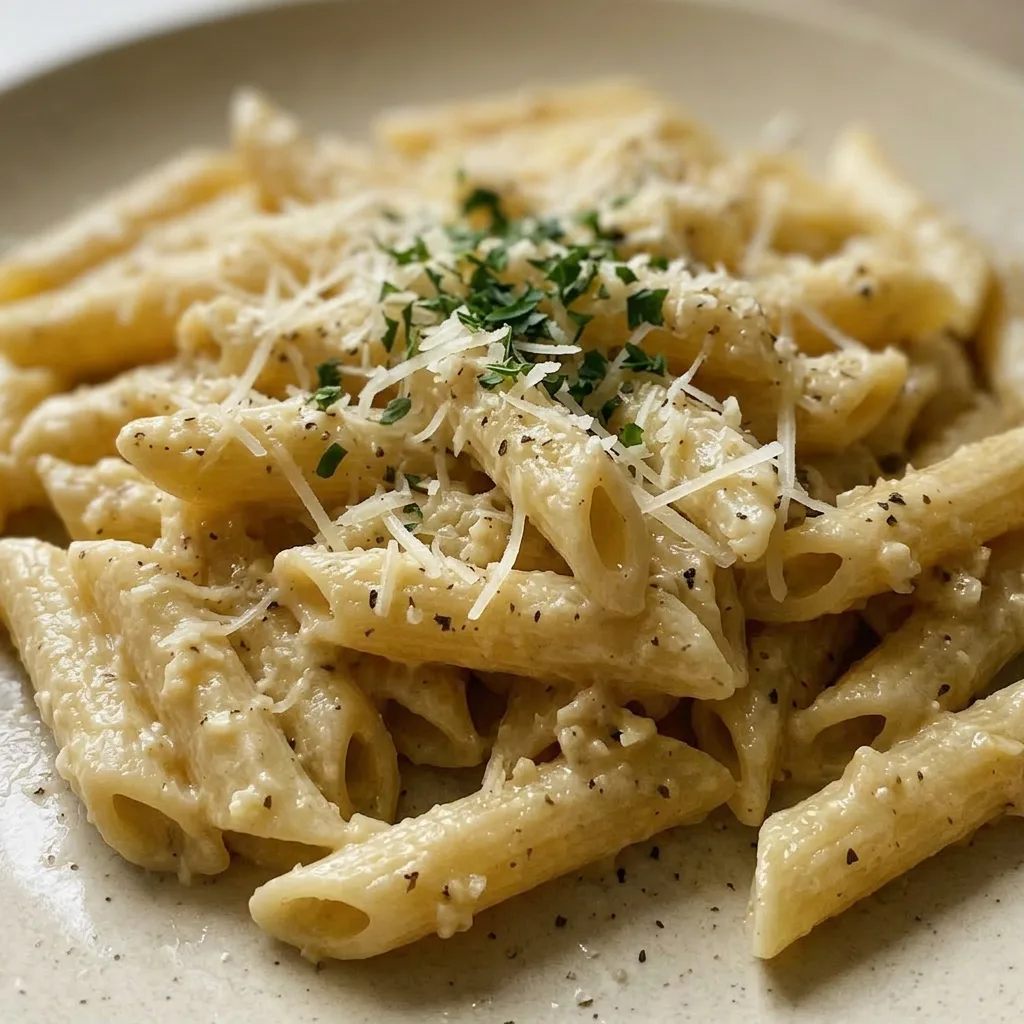
Prep: 5 min · Cook: 15 min · Total: 20 min · Servings: 4 · Calories: 430 kcal
Ingredients That Matter
Pasta: Use spaghetti, linguine, or penne. Avoid shapes with long cook times that could turn mushy.
Milk: Whole milk gives the creamiest sauce, but 2% works fine. Skim milk may result in a thinner sauce.
Parmesan cheese: Buy a block and grate it yourself. Pre-grated cheese has anti-caking agents that prevent smooth melting.
Garlic: Use fresh cloves and mince them yourself. Pre-minced garlic in a jar can taste harsh and burn easily.
Cream cheese or sour cream (optional): Adds tang and extra creaminess. Stir in off the heat to avoid curdling.
I once ended up with a curdled mess because I dumped in the cream cheese over high heat. Next time, I turned off the heat and stirred it in slowly, smooth as silk.
How to nail the one-pot creamy garlic pasta in your own kitchen
Sauté the garlic in butter or oil
Melt butter or warm oil over medium heat. Add minced garlic and stir for 1 to 2 minutes. You want it fragrant but not browned, any darker means bitter garlic.
Add pasta, milk, and water
Pour in dry pasta, milk, and enough water to barely cover it. Stir once, then bring to a gentle boil. The liquid should look milky, not separate.
Simmer uncovered, stirring occasionally
Reduce heat to a simmer. Stir every couple of minutes to keep pasta from sticking. After 8 to 10 minutes, the pasta will be al dente and the sauce will look thickened and creamy.
Finish with cheese and seasonings
Take the pot off the heat. Stir in Parmesan, salt, pepper, and Italian seasoning until the cheese melts and the sauce clings to the pasta. For extra creaminess, stir in cream cheese or sour cream now until smooth.
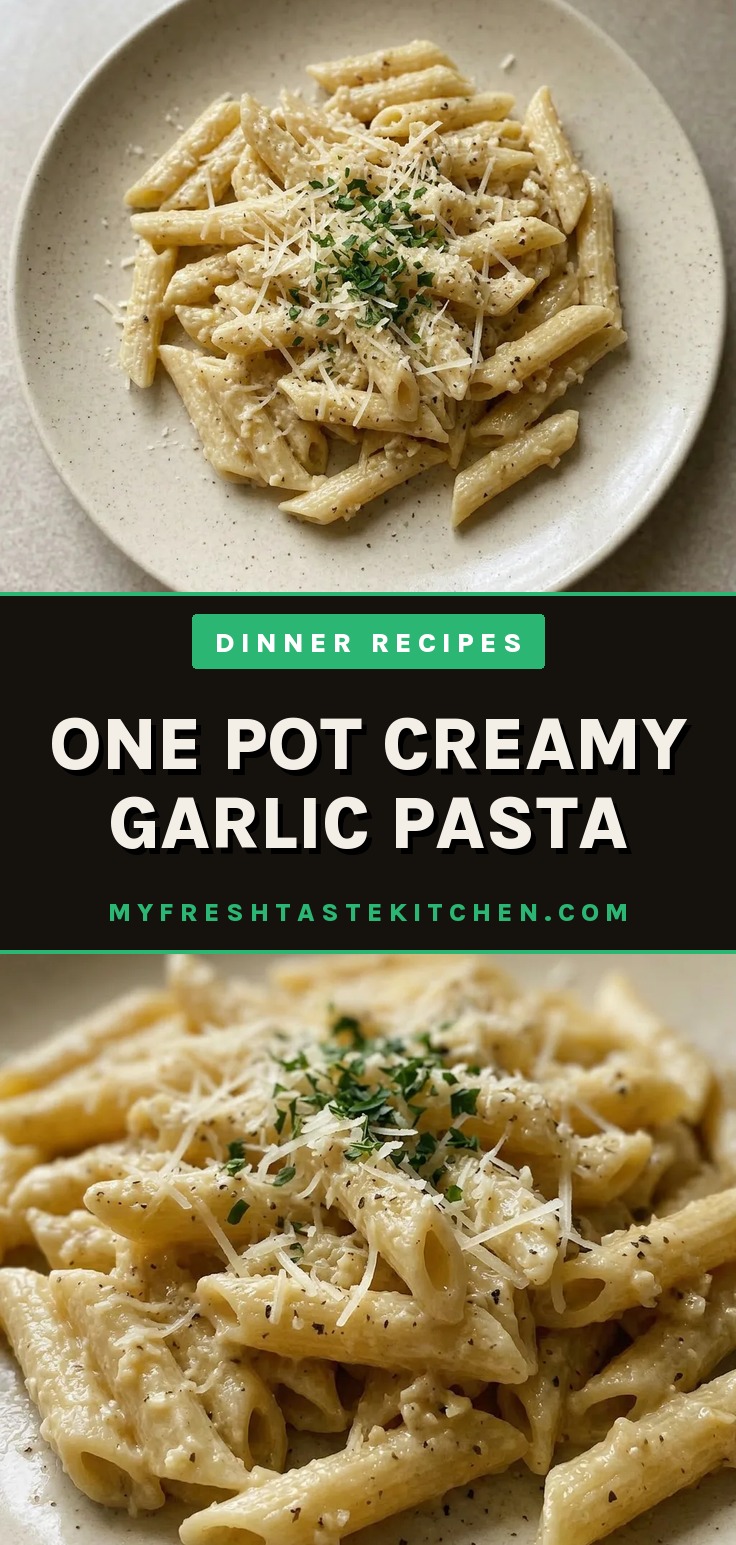
One Pot Creamy Garlic Pasta (20 Minutes!)
Ingredients
- 8 oz pasta (spaghetti, linguine, or penne)
- 1 tablespoon butter or olive oil
- 4 cloves garlic minced
- 2 cups milk (whole preferred, or use any you have)
- 1 cup water (or as needed to just cover the pasta)
- ¾ cup freshly grated Parmesan cheese
- ½ teaspoon salt (or to taste)
- ¼ teaspoon black pepper
- 1 teaspoon Italian seasoning
- 2 tablespoons cream cheese or sour cream (for extra creaminess) Optional
- Chopped parsley or basil Optional: garnish
Instructions
Sauté Garlic:
In a large pot or deep skillet, melt the butter (or heat the olive oil) over medium heat. Add the minced garlic and sauté for 1–2 minutes until fragrant, stirring constantly to avoid burning.Add Pasta and Milk:
Pour in the dry pasta, milk, and enough water to just barely cover the pasta. Stir to combine and bring to a gentle boil.Simmer Until Creamy:
Reduce heat to a simmer and cook uncovered, stirring frequently, for 8–10 minutes or until pasta is al dente and most of the liquid has reduced to a creamy sauce.Stir in Cheese:
Add Parmesan cheese, salt, pepper, and Italian seasoning. Stir until the cheese melts and the sauce thickens. For an extra creamy sauce, stir in cream cheese or sour cream.Garnish and Serve:
Garnish with chopped parsley or basil and serve immediately while hot.
Storage and Serving
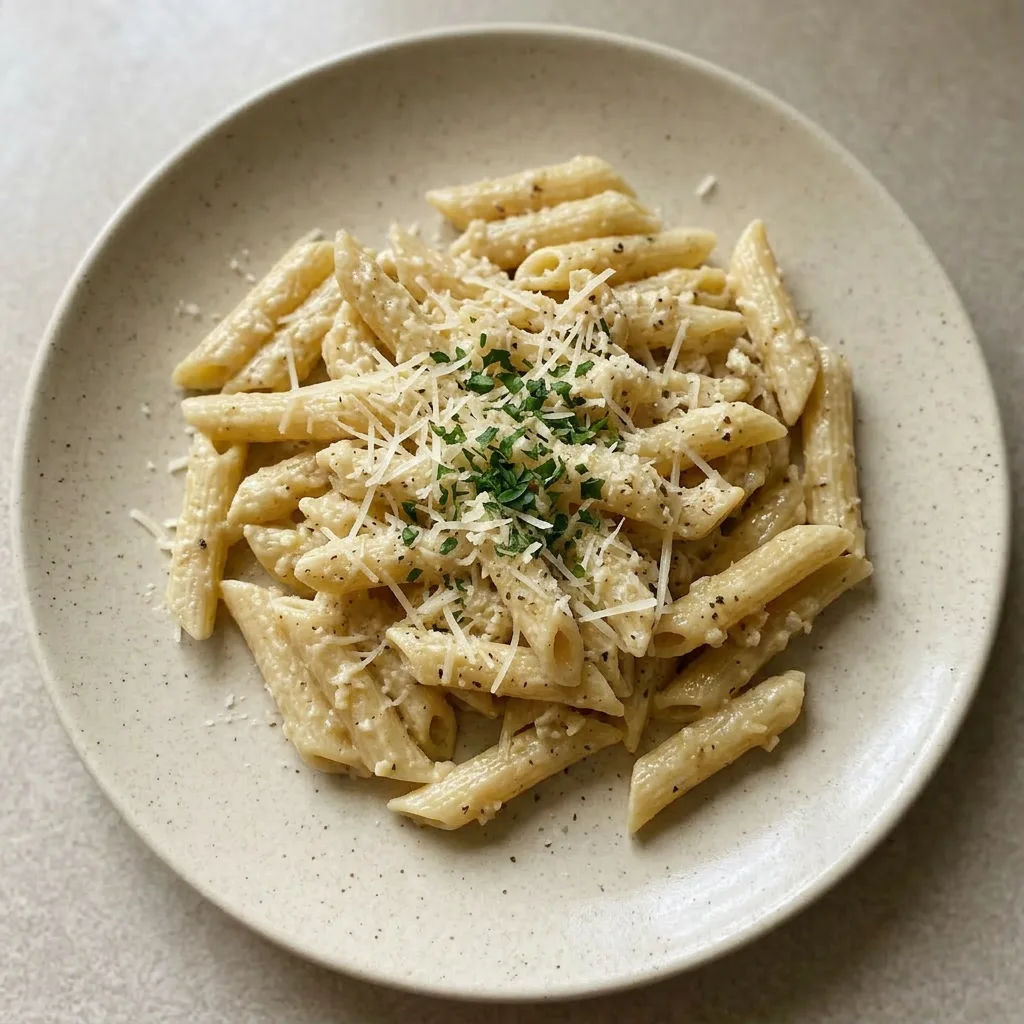
This pasta is best served immediately while the sauce is creamy and coats each strand. If you have leftovers, cool them completely, then transfer to an airtight container. Refrigerate for up to 3 days.
As it sits, the sauce thickens and the pasta absorbs liquid, making leftovers denser and less saucy. To reheat, add a splash of milk (or water) and warm gently in a skillet or microwave, stirring until the sauce loosens again.
The texture won’t be exactly like fresh, but it remains pleasant. Freezing is not recommended; the dairy-based sauce can separate and become grainy upon thawing.
The optional garnish of fresh parsley or basil should always be added just before serving, never stored with the pasta, as it wilts quickly. For best results, reheat only the portion you plan to eat and garnish fresh each time.
Tips
- Grate the Parmesan on the fine side of a box grater, not the coarse side, so it dissolves into the sauce without clumping.
What you can swap in this one-pot pasta, and what to leave alone
Milk: Any milk you have, from skim to oat or almond. For dairy-free, use unsweetened oat or soy milk. Whole milk makes the creamiest sauce.
Skim or plant-based milks yield a thinner, less rich sauce, still good, but not as rich. Avoid canned coconut milk; its flavor overpowers the garlic and Parmesan.
Pasta: Any long or short pasta that cooks in about 8 to 10 minutes. Gluten-free pasta works, but check the cook time. Stick to shapes like spaghetti, linguine, or penne.
Quick-cooking pasta is key; thick or long-cooking shapes (like rigatoni or whole wheat) may need more liquid and time, risking a mushy texture. Gluten-free pasta varies widely, some require less time, others more.
Watch it closely and adjust liquid if needed.
Parmesan cheese: Pecorino Romano (saltier, sharper) or a good-quality vegan Parmesan. For dairy-free, use a store-bought or homemade nut-based Parmesan.
Pecorino brings a stronger, saltier flavor, reduce added salt. Vegan Parmesan won’t melt the same way but can still add savory notes.
Pre-grated cheese of any kind may clump due to anti-caking agents; grate your own for a smooth sauce.
Garlic and Italian seasoning: Don’t skip either. Garlic is the backbone; Italian seasoning balances the richness.
Without garlic, the dish falls flat. Without herbs, it’s one-note creamy.
If you’re out of Italian seasoning, mix dried oregano, basil, and a pinch of thyme. Fresh herbs work too, but add them at the end to keep their brightness.
Frequently Asked Questions
Can I use a different type of pasta?
Yes, but stick to shapes that cook in 8 to 10 minutes, spaghetti, linguine, or penne work best. Longer-cooking pasta like rigatoni or whole wheat may need extra liquid and time, risking mushiness. Gluten-free pasta is fine but varies widely; check the package cook time and adjust liquid as needed.
Why did my sauce turn out too thick or too thin?
Too thin usually means you added more liquid than needed or didn’t simmer long enough to reduce it. Next time, measure the water to just barely cover the pasta. Too thick can happen if you over-reduced or used skim milk; thin it with a splash of milk when you stir in the cheese.
Can I make this dish ahead of time?
The pasta is best served immediately while the sauce is creamy. If you make it ahead, the sauce thickens as the pasta absorbs liquid.
Refrigerate leftovers for up to 3 days and reheat with a splash of milk to loosen the sauce, the texture won’t be the same but is still pleasant. Freezing is not recommended; the dairy sauce can separate when thawed.
How is this different from a traditional creamy pasta sauce?
Traditional sauces often rely on heavy cream or a butter-and-flour roux for thickness. Here, the pasta’s own starch thickens the milk as it cooks, creating a sauce that’s lighter and less heavy. The result is a silky coating without the need for cream or extra fat, just milk, Parmesan, and the starch released during simmering.