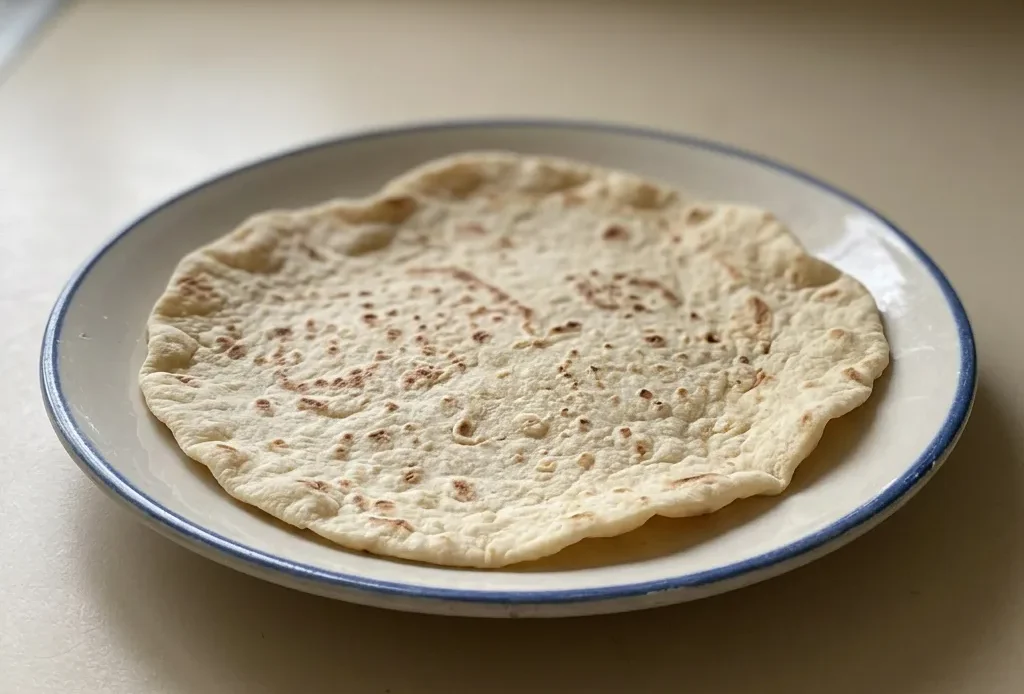
Lavash bread is supposed to be soft and pliable, not brittle. Most recipes skip the dairy, but whole milk and honey make the difference between a flatbread that cracks and one that wraps around a kebab without splitting.
The dough is sticky, almost tacky, but that’s exactly what you need for a tender crumb. Roll it thin, almost see-through, and watch it bubble in a dry skillet.
That’s the whole trick: quick heat, thin dough, and a stack covered with a towel to trap steam. Skip the milk and you’ll wonder why your lavash stiffens by the time you finish rolling the last round.
Why does using whole milk and honey make a softer lavash?
Whole milk brings fat and tenderness into the dough, which keeps the bread from drying out during cooking. Honey adds moisture and a mild sweetness, plus it encourages browning on the skillet.
Together they produce a flexible flatbread that wraps without cracking. Water-only versions turn stiff as they cool; milk and honey keep the crumb supple long after the lavash leaves the pan. That pliability is exactly what you want for rolling up fillings.
How does a short knead and quick rise affect the texture?
Kneading for only 3 minutes keeps the dough soft and slack, so it rolls out easily without springing back. The 45-minute rise is just enough for the yeast to develop flavor and structure without building too much gluten strength.
Over-kneading would make the lavash tough and difficult to stretch thin. A gentle handling preserves the tenderness that makes this bread a pleasure to eat. The result is a flatbread that’s pliable, not chewy, and it stays that way even after it cools.
Why roll the dough paper-thin and cook it quickly?
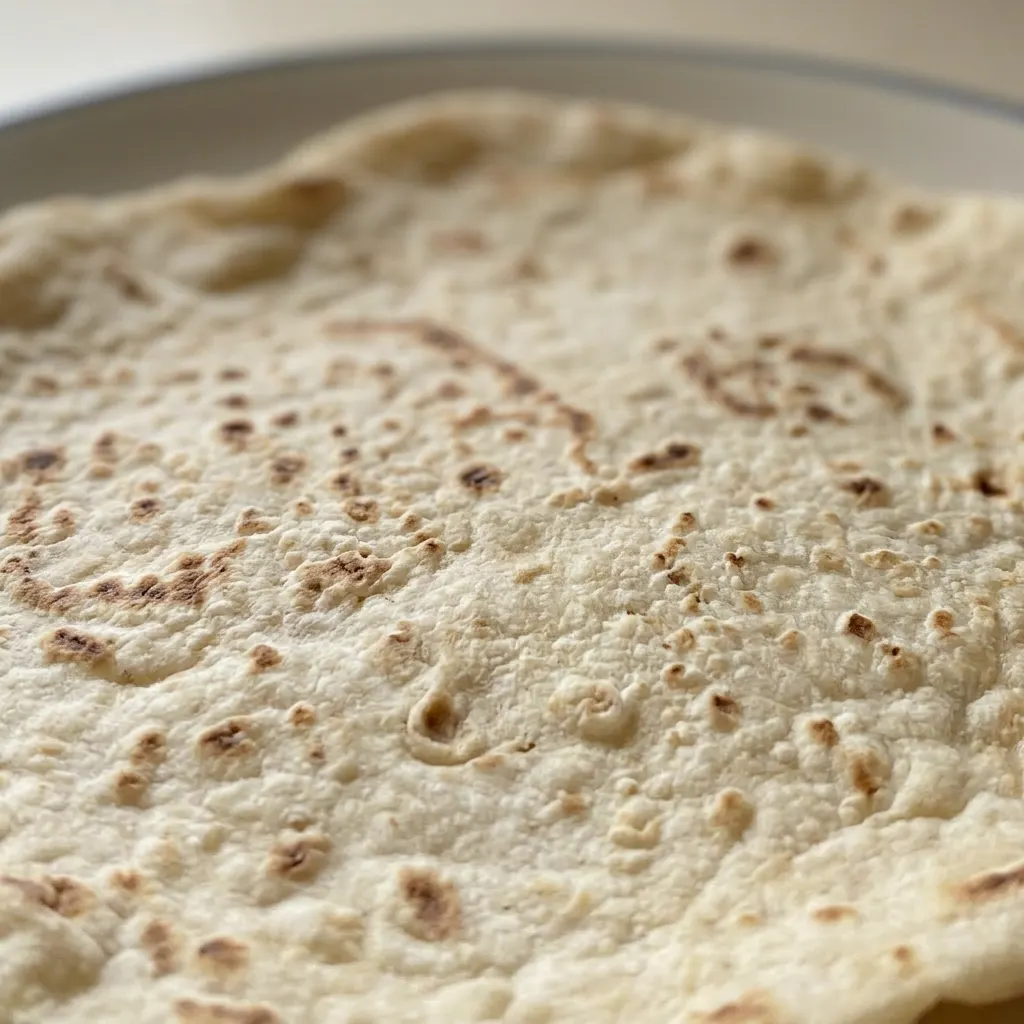
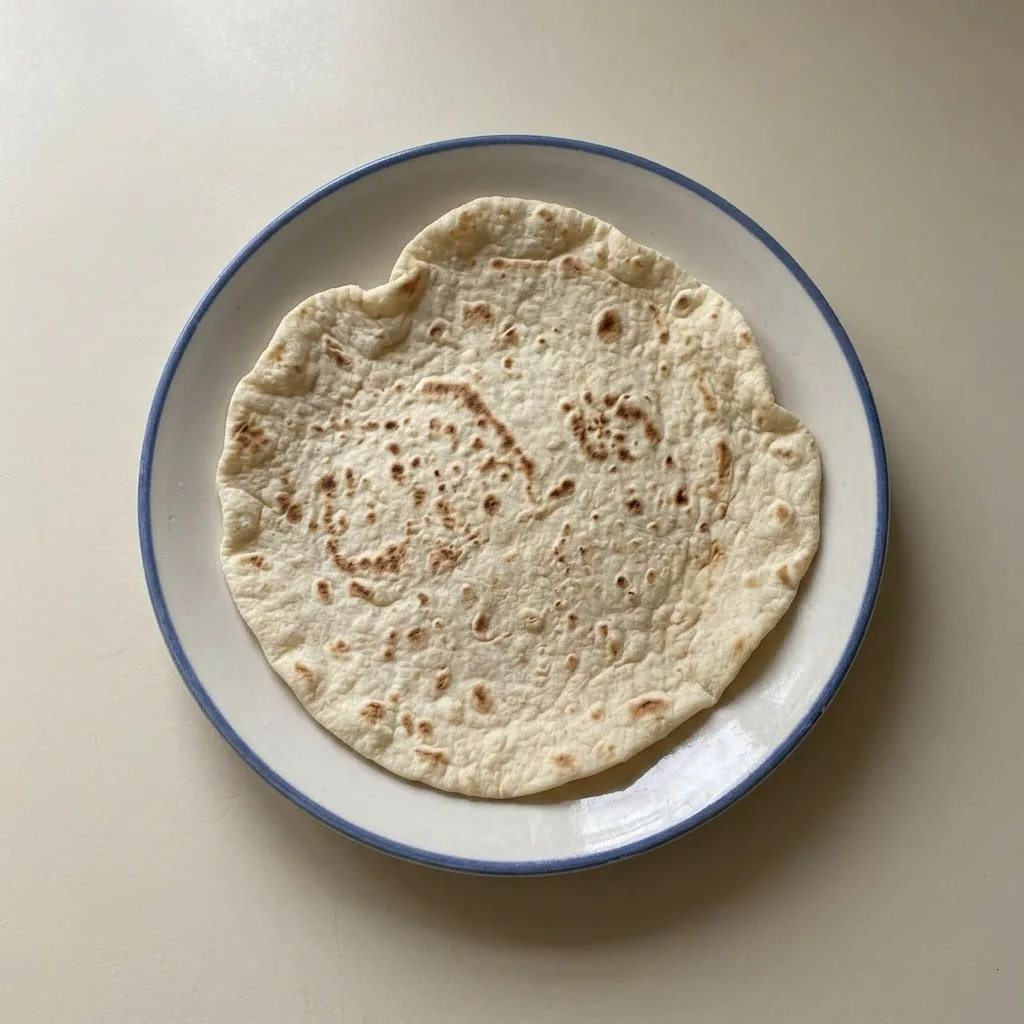
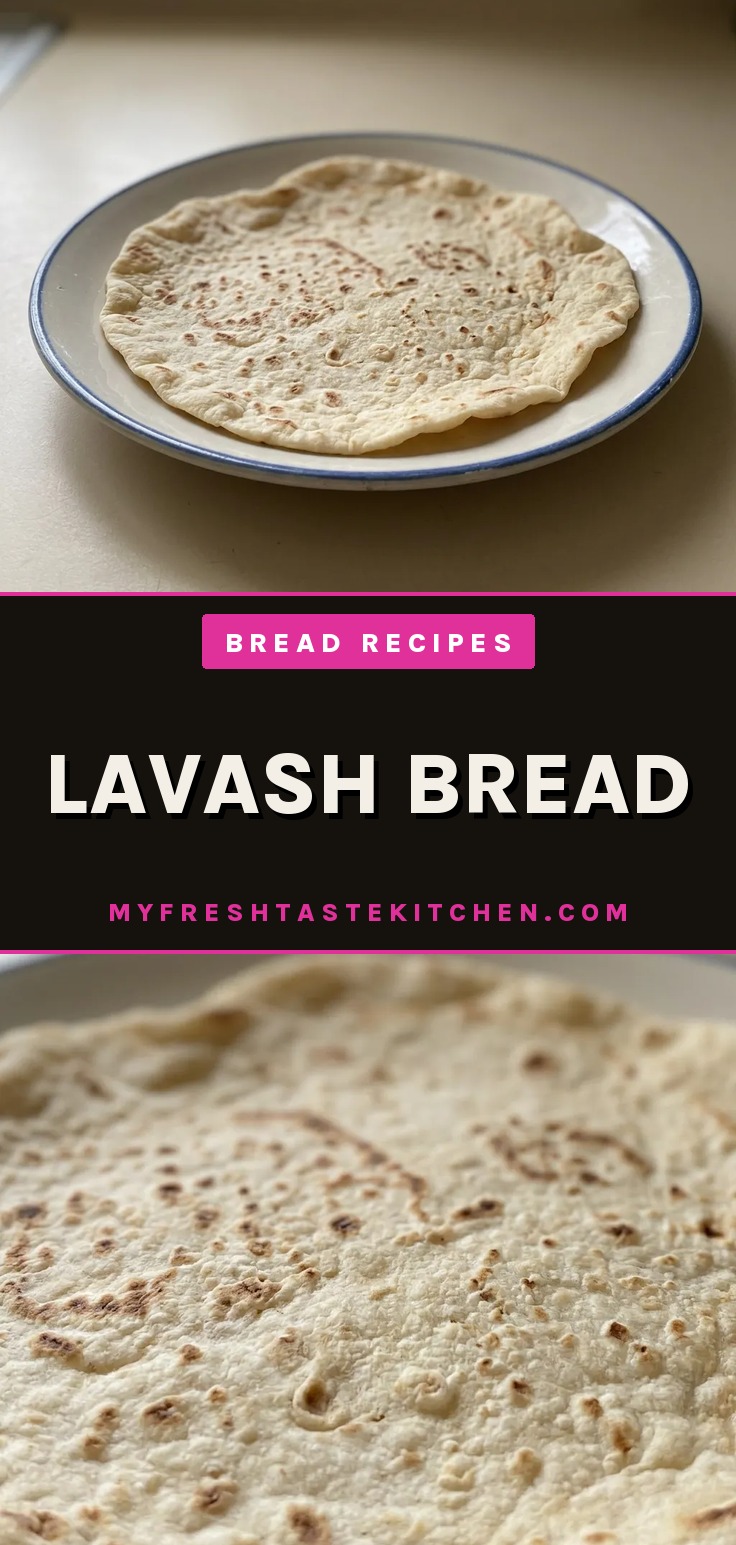
Rolling each ball to an 8-inch round as thin as possible guarantees even bubbles during cooking. Those bubbles are steam pockets that lift the bread and create the characteristic dimpled surface. Thin dough cooks in 30 to 40 seconds per side, so the exterior browns before the interior dries out.
If the rounds are too thick, they cook longer and turn cracker-crisp instead of staying flexible. The bubbles also signal the bread is done, once they appear and the underside has golden spots, flip it.
Prep: 10 min · Cook: 15 min · Total: 1 hr 10 min · Servings: 12 · Calories: 110 kcal
Choose the right flour and milk for pliable lavash
Bread flour: Bread flour’s higher protein gives the dough enough structure to stretch thin without tearing.
Instant yeast: Instant yeast doesn’t need proofing; just mix it dry with the flour and it works.
Whole milk: Whole milk adds fat and tenderness, keeping the lavash soft and flexible after cooking.
Honey: Honey adds moisture and helps the lavash brown nicely in the pan without drying out.
Mix the dough gently, then let it rest briefly
Combine the dry ingredients
Whisk the flour, yeast, and salt together in a large bowl. This distributes the yeast evenly so every spot blooms at the same rate. No clumps, no patches of salt.
Add the liquids
Pour in the water, milk, and honey while stirring with a wooden spoon. The dough will look shaggy and wet. Switch to your hand when it gets too stiff, it’s okay if it sticks.
Knead for just 3 minutes
Turn the dough onto a floured board. Oil your hands lightly and knead gently. The dough should feel soft and slightly tacky, not firm.
Stop when it holds together without tearing, about 3 minutes. Overworking makes it hard to stretch later.
Let it rise in an oiled bowl
Oil the bowl and the dough’s surface, cover with a towel, and set in a warm spot. After 45 minutes, it should be puffy but not doubled, just relaxed. If it hasn’t moved, the spot is too cool.
Divide into 12 balls
Deflate the dough with oiled fingers. Weigh or eyeball 12 equal pieces, about 1½ ounces each. Place them on a floured surface and cover.
They’ll be soft and sticky, keep them covered so a skin doesn’t form.
Roll each ball paper-thin
Press one ball flat on a floured surface, dust with flour, and roll into an 8-inch round. It should be almost translucent, if it springs back, let it rest a minute. Keep the others covered.
Cook each lavash in 30 to 40 seconds per side
Heat a large non-stick skillet over medium. Lay the round in the dry pan.
Within seconds you’ll see bubbles form; when the bottom has golden brown spots, flip. Cook the other side until spotted. If it takes longer, the pan is too cool; if it burns, turn the heat down.
Stack and cover to keep soft
Transfer the cooked lavash to a tray and cover with a clean towel. The steam trapped between layers keeps them flexible. Continue with the remaining dough, stacking each new one on top.
Lavash Bread
Ingredients
- 2 1/2 cups bread flour 325 g, plus extra for dusting
- 1 teaspoon instant yeast
- 1 teaspoon kosher salt
- 2/3 cup warm water
- 2/3 cup lukewarm whole milk
- 1 teaspoon honey
- Extra-virgin olive oil for greasing hands and bowl
Instructions
Mix Dry and Wet Ingredients:
Combine flour, yeast, and salt in a large bowl. Gradually pour in water, milk, and honey while stirring with a wooden spoon.Knead Sticky Dough:
When the mixture becomes too stiff to stir, transfer to a lightly floured surface. Coat hands with about 1/2 tsp olive oil and knead gently until the dough forms (it will be sticky), roughly 3 minutes.Let Dough Rise:
Wipe the bowl clean and dry it, then lightly coat the bottom and sides with about 1 tsp olive oil. Place the dough in the bowl, brush the top with about 1/2 tsp olive oil. Cover with a clean kitchen towel and let it rise in a warm place for about 45 minutes.Divide Dough into 12:
Using oiled fingers, gently deflate the dough. Split into 12 equal portions (about 1 1/2 oz / 42 g each). Set them on a floured surface and cover with a clean cloth.Roll Each Ball Thin:
Take one ball at a time (keep the rest covered), press it flat on a floured surface, dust with flour, and roll it out as thin as possible into an 8-inch round.Cook Lavash in Skillet:
Warm a large non-stick skillet over medium heat. Lay one lavash in the pan and cook for 30-40 seconds until bubbles form and the bottom has golden brown spots. Turn it over and cook another 30-40 seconds until bubbles and spots appear.Cover and Repeat:
Move the cooked lavash to a large tray and cover with a clean towel to keep it soft. Continue with the remaining dough. Serve warm or store.
Swapping milk and honey in lavash, what works, what doesn’t
Whole milk: Unsweetened oat milk (same amount). Dairy-free works here.
Oat milk’s fat content is lower, so the lavash will be slightly less tender but still pliable. Start with the same volume; if it feels dry, add a tablespoon of water.
Honey: Do not replace honey. Honey does two things: keeps the crumb moist and drives browning on the skillet. Substitutes like maple syrup or agave add moisture but lack the same browning sugar profile.
The lavash will brown slower, so you risk overcooking before you get color. Stick with honey.
Bread flour: All-purpose flour (same amount). All-purpose works, but the dough will be less elastic and slightly harder to roll paper-thin.
Expect a more tender, less chewy lavash. You may need a bit more flour for dusting to prevent sticking.
Tips
- To prevent sticking while rolling, dust the dough and surface lightly with flour, but brush off excess before cooking to avoid a dusty taste.
- If the dough springs back while rolling, let it rest for a minute to relax the gluten before continuing.
Storage and Serving
Serve lavash within a few hours of cooking for the softest, most pliable texture. The residual steam trapped under the towel keeps them tender; once they cool completely, they begin to stiffen.
Stack cooled lavash with parchment between each, wrap tightly in foil, and store at room temperature for up to 2 days. Refrigeration accelerates staling, so avoid it.
To restore softness, reheat each lavash in a dry skillet over medium heat for about 10 seconds per side, or wrap the stack in foil and warm in a 300°F oven for 5 minutes. Freezing is not recommended; the thin bread turns brittle upon thawing. If you must freeze, layer with parchment, seal in a freezer bag, and reheat directly from frozen in a hot skillet, but expect some loss of flexibility.
I tried kneading for 10 minutes once to be thorough, and the lavash came out like crackers. The 3-minute gentle knead and paper-thin roll win every time.
Frequently Asked Questions
Can I make the dough ahead and refrigerate it overnight?
Yes, you can refrigerate the dough after the 45-minute rise. Deflate it, wrap tightly in oiled plastic, and chill overnight.
When ready, let it sit at room temperature for about 20 minutes to soften before dividing and rolling. Cold dough is stiffer and harder to stretch thin.
Why did my lavash turn out hard and crack instead of being soft?
Most likely the dough was rolled too thick or cooked too long. Thin rounds cook in 30 to 40 seconds per side; thicker ones need more time, which drives out moisture. Also, if the pan is too hot, the exterior browns before the interior steams, leaving a brittle crust.
Check your pan heat and roll paper-thin.
How do I keep the cooked lavash soft while I finish the rest?
Stack each finished lavash on a tray and cover with a clean kitchen towel. The steam trapped between layers keeps them pliable.
Don’t leave them uncovered, exposed to air, they stiffen within minutes. Serve within a few hours for best texture.
Is this lavash the same as the one used for wraps in restaurants?
Yes, this is the same style, thin, pliable flatbread used for wraps. The milk and honey here add tenderness and moisture, matching the soft, flexible texture you get at restaurants. The quick cook on a dry skillet gives the characteristic spotted, bubbly surface without turning brittle.