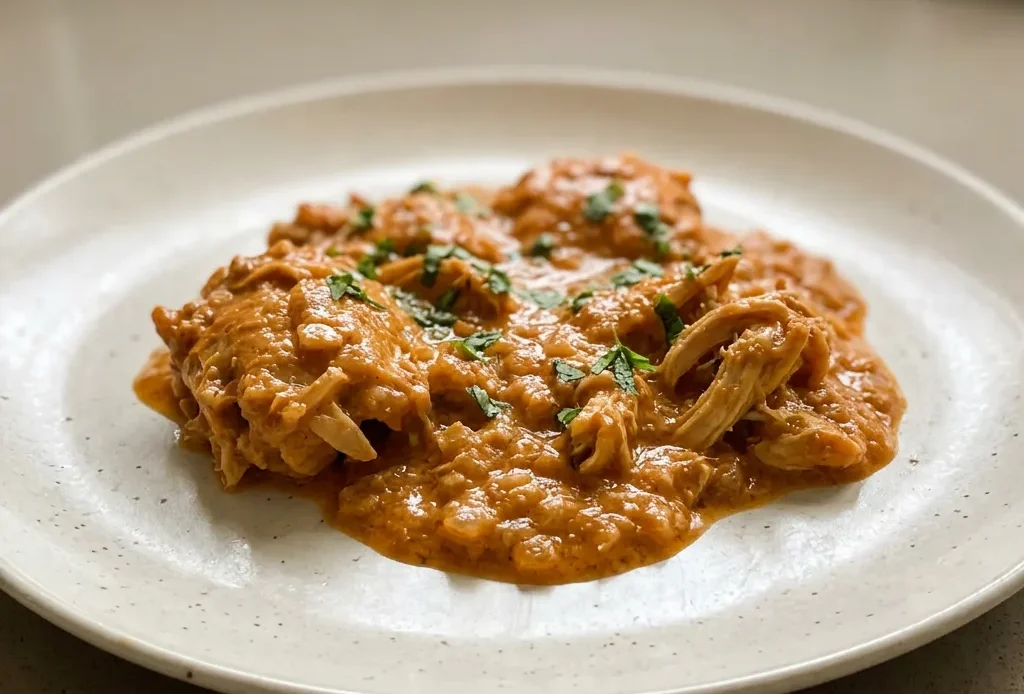
That first bite, the sauce coats your tongue, creamy and warm with a slow-building heat, while the chicken gives just enough resistance before falling apart. This is the version that stops you from ordering takeout. It moves fast: a yogurt marinade, a quick sear, then a sauce that comes together in the same pan.
The margin for error is generous, undercook the chicken slightly and the final simmer fixes it; overseason and the cream reins it back in. What matters is the order of the steps: brown first, then build the sauce, then finish with cream.
That sequence is what gives the finished dish its depth, the reason the gordon ramsay chicken tikka masala recipe works without fuss. One skillet, one hour, and you’re eating something that tastes like it took all afternoon.
Why yogurt marinade works on chicken
Yogurt does two jobs at once. Its lactic acid gently breaks down chicken proteins, making the meat tender without turning mushy. The enzymes also help the spice mix stick and penetrate beyond the surface.
You need at least 30 minutes for the acid to start working; let it go longer and the effect deepens. Don’t skip the salt in the marinade, it pulls moisture into the brine, so the chicken stays juicy during cooking.
When you pull a piece from the bowl, you should see the yogurt clinging evenly, not pooling. That coating is what creates a flavorful crust during browning.
Browning builds flavor before the sauce
Searing the marinated chicken in a hot skillet does two things. First, the high heat triggers the Maillard reaction, creating hundreds of savory compounds that plain simmering can’t produce.
You’ll see the surface turn deep golden in patches. Second, that browned crust adds texture, a slight chew against the tender interior. If you skip this step and dump the raw chicken into the sauce, it steams instead of sears, and the curry tastes flat.
The color on the pan bottom also becomes the foundation for the sauce once you deglaze, carrying those caramelized bits into every spoonful.
Building the curry sauce from aromatics
Start with onions, garlic, and ginger cooked until they soften and sweat. You’ll smell them go from raw to fragrant.
That’s the moisture releasing and the sugars starting to caramelize. Then add the ground spices directly to the fat, toasting them blooms their essential oils, giving the sauce a deeper aroma than if you just stirred them into liquid.
Tomato paste follows, cooking until it darkens slightly, which concentrates its umami. Crushed tomatoes bring acidity and body, but they need that base of cooked aromatics to balance their brightness.
The result is a sauce that tastes layered, not sharp or one-note.
When and why to add cream
Cream goes in after the sauce has already simmered and thickened. Adding it earlier risks curdling because the heat and acidity can cause the dairy proteins to separate.
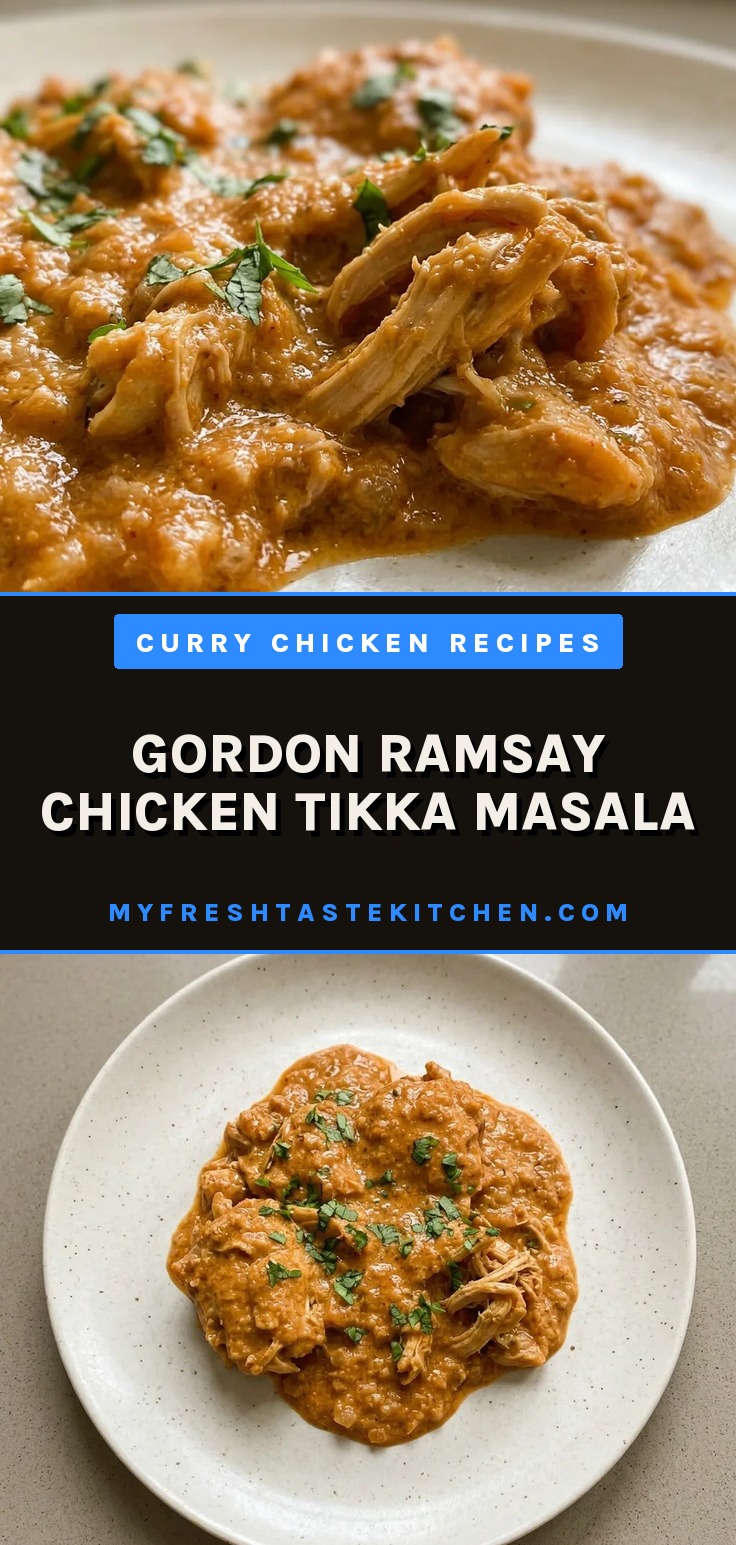
Once the sauce is off the boil and just simmering gently, stir in the cream. You’ll see it turn the sauce from a rusty red to a rich, silky orange. The fat rounds out the spice heat and the tomato tang, giving a smooth finish.
Coconut milk works the same way if you want a dairy-free version, its fat content mimics cream’s texture. Taste after adding; a pinch of sugar can balance any remaining acidity, but don’t add it before you taste.
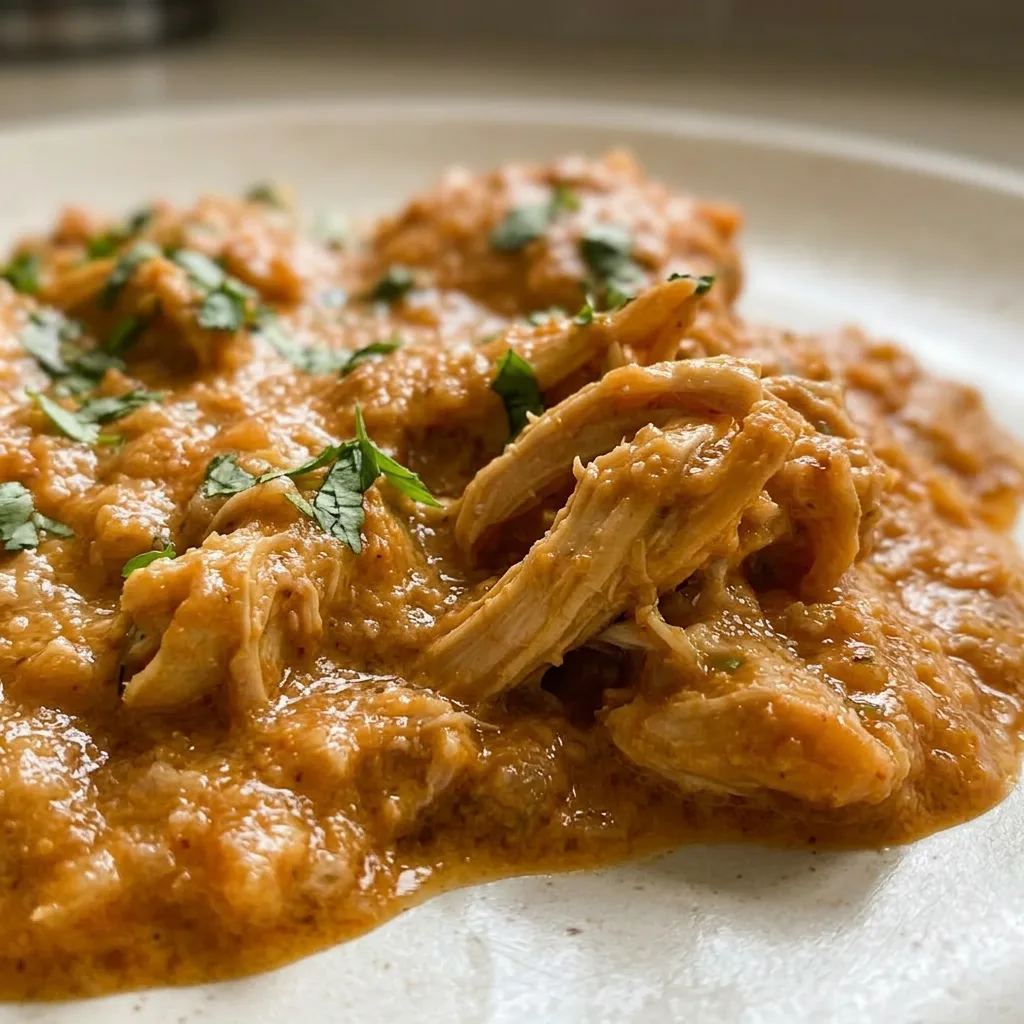
Prep: 30 min · Cook: 40 min · Total: 1 hr 10 min · Servings: 4 · Calories: 400 kcal
What to look for in the ingredients
Chicken: Thighs stay juicier than breasts in this dish, but either works if you don’t overcook.
Greek yogurt: Full fat preferred; low fat can curdle and won’t tenderize as well.
Smoked paprika: Regular paprika works too, but you’ll lose the smoky undertone.
Heavy cream: Heavy cream won’t curdle easily; light cream or half and half might need more care.
Crushed tomatoes: Fire roasted or plain both fine; avoid diced because they don’t break down enough.
Cilantro: Flat leaf parsley works for garnish if you hate cilantro, but the flavor changes.
Searing the chicken sets the flavor foundation
Marinate
Combine chicken with yogurt, lemon juice, and spices. Let sit at least 30 minutes. You’ll see the yogurt cling evenly, not pool.
That coating will brown.
Brown the chicken
Heat oil in a skillet over medium-high. Add chicken pieces in a single layer.
Cook until deep golden patches appear, about 3 to 4 minutes per side. Don’t crowd the pan or it steams.
Build the sauce base
In the same pan, melt butter. Cook onion, garlic, and ginger until softened and fragrant, about 5 minutes. Stir in ground spices and tomato paste; cook until paste darkens slightly.
Simmer the sauce
Add crushed tomatoes and bring to a simmer. Let it thicken, about 10 minutes. You’ll see it reduce and deepen in color.
Stir occasionally to prevent sticking.
Finish with cream
Reduce heat to low. Stir in cream until the sauce turns silky orange.
Return chicken and any juices. Simmer gently until chicken is cooked through, about 10 minutes. Taste for salt and a pinch of sugar if needed.
Final touches
Remove from heat. Sprinkle with cilantro and squeeze lemon juice over the top. Stir once to combine.
The lemon brightens the richness without making it sour.
Gordon Ramsay Chicken Tikka Masala
Ingredients
- 2 large boneless, skinless chicken breasts or thighs
- 1 cup Greek yogurt
- 1 tablespoon lemon juice
- 1 tablespoon ginger-garlic paste
- 1 teaspoon turmeric powder
- 1 teaspoon garam masala
- 1 teaspoon ground cumin
- 1 teaspoon ground coriander
- 1 teaspoon smoked paprika
- ½ teaspoon chili powder adjust to taste
- 1 teaspoon salt
- 1 tablespoon oil
- 2 tablespoons butter or ghee
- 1 large onion, finely chopped
- 2 cloves garlic, minced
- 1 inch ginger, grated
- 1 teaspoon ground cumin
- 1 teaspoon ground coriander
- 1 teaspoon garam masala
- ½ teaspoon turmeric
- ½ teaspoon smoked paprika
- 1 teaspoon chili powder adjust to taste
- 2 tablespoons tomato paste
- 1 can (14 oz) crushed tomatoes
- 1 cup heavy cream or coconut milk
- 1 teaspoon sugar optional, balances acidity
- Salt and pepper to taste
- ¼ cup chopped cilantro for garnish
- 1 tablespoon lemon juice for finishing
Instructions
Marinate chicken:
Combine chicken with yogurt, lemon juice, and spices; let marinate for no less than 30 minutes.Brown chicken:
Brown the marinated chicken in a skillet until golden on all sides.Build sauce base:
Cook onion, garlic, and ginger until softened; mix in spices and tomatoes to build the sauce.Simmer in cream:
Add cream or coconut milk, then return chicken to the pan; simmer until fully cooked.Garnish and serve:
Finish with a sprinkle of cilantro and a squeeze of lemon juice just before serving.
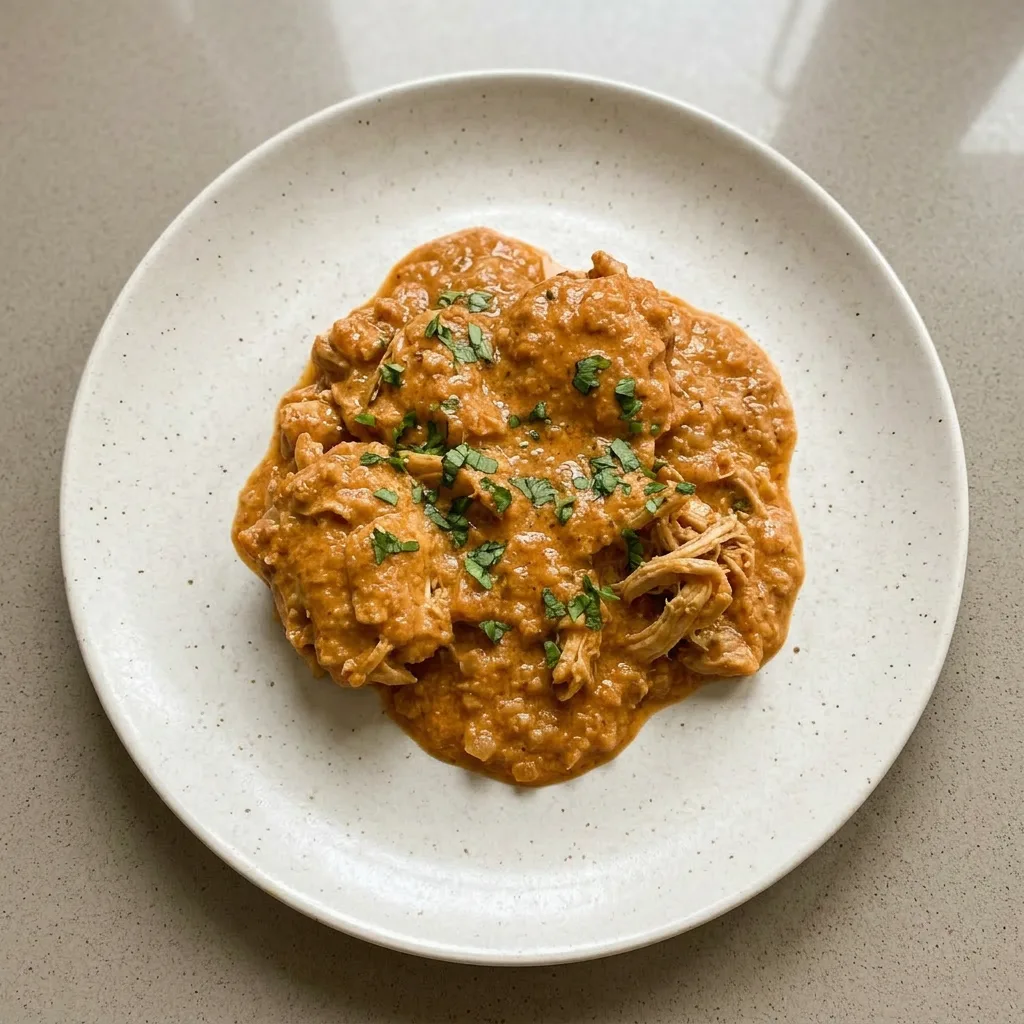
Storage and Serving
Eat this chicken tikka masala within 2 hours of finishing for the best texture. The cream sauce is silkiest right after the final simmer; as it sits, the sauce thickens and the chicken absorbs more liquid. For leftovers, transfer to an airtight container and refrigerate for up to 4 days.
The flavors deepen overnight, but reheat gently: use a low flame and stir often to prevent the cream from separating. If the sauce looks split, whisk in a splash of warm water or cream.
Freezing is not recommended; the cream-based sauce will break upon thawing, and the chicken turns grainy. Instead, freeze the sauce base (before adding cream) for up to 3 months, then reheat and add fresh cream and cooked chicken.
The lemon juice and cilantro garnish must go on just before serving. If you add them earlier, the cilantro wilts and the lemon’s brightness fades, making the dish taste flat.
In short: serve immediately for peak texture, refrigerate leftovers for up to 4 days, and reheat gently.
Tips
- Insert the thermometer into the thickest part of the thigh, avoiding bone, and wait 10 seconds for an accurate reading.
- If you don’t have a thermometer, cut into the thickest piece and check that the juices run clear and the meat is opaque throughout.
Three swaps that change this tikka masala sauce
Greek yogurt: Full-fat yogurt or buttermilk. Same tenderizing action. Buttermilk is thinner, so use 3/4 cup instead of 1 cup; the marinade will be runnier but still clings.
Smoked paprika: Chipotle powder. Adds a different smoke, more pungent and spicy. Use half the amount (1/2 tsp) and taste before adding more.
Heavy cream: Coconut milk (full-fat). Keeps the sauce creamy and dairy-free. Use the same amount.
The coconut flavor blends with the spices, but the sauce will be slightly thinner.
I once poured the cream in while the sauce was still bubbling hard, and it curdled into a grainy mess. By luck, I had some extra cream to stir in at the very end, which saved it.
Frequently Asked Questions
Can I make chicken tikka masala ahead of time?
Yes, but with a catch. The sauce thickens overnight and the chicken absorbs more liquid, so the texture shifts. Refrigerate leftovers in an airtight container for up to 4 days, then reheat gently over low heat, stirring often.
If the sauce looks split, whisk in a splash of warm water or cream. Don’t add the lemon juice and cilantro garnish until just before serving, they lose their punch if added earlier.
Why is my chicken tikka masala too watery or too thick?
A watery sauce usually means it didn’t simmer long enough to reduce. After adding crushed tomatoes, let it bubble uncovered for a full 10 minutes, you should see it visibly thicken and darken.
If it’s too thick, you likely reduced it too far or used less cream; stir in a splash of water or more cream to loosen it. The final consistency should coat the back of a spoon, not run off like soup.
How do I prevent the yogurt from curdling when marinating or cooking?
Use full-fat Greek yogurt, low-fat curdles more easily. When marinating, let it sit at room temperature for 30 minutes (the recipe’s minimum) rather than hours in the fridge, which can shock the proteins.
When cooking, brown the chicken first, then add it to the sauce only after the cream is in and the heat is low. If you see curds forming, the heat was too high or the dairy hit acid too fast.
What is the difference between chicken tikka masala and butter chicken?
Both are creamy tomato-based curries, but the spice mix and method differ. Tikka masala uses a wider spice palette including cumin, coriander, and smoked paprika, and the chicken is marinated in yogurt before browning.
Butter chicken relies more on butter, cream, and a milder spice blend (often just garam masala and fenugreek), and the chicken is typically simmered directly in the sauce without pre-browning. The texture of tikka masala sauce is thicker and more bold.
Can I grill the chicken instead of pan-frying for a smokier flavor?
Absolutely. Grill the marinated chicken over medium-high heat until charred in spots, about 4 to 5 minutes per side.
The high heat from the grill adds a smokier char that complements the smoked paprika in the marinade. Let the chicken rest a few minutes after grilling, then slice or chop it before adding to the sauce. You’ll trade some of the fond (browned bits) left in the skillet, but the grill marks add a different kind of depth.