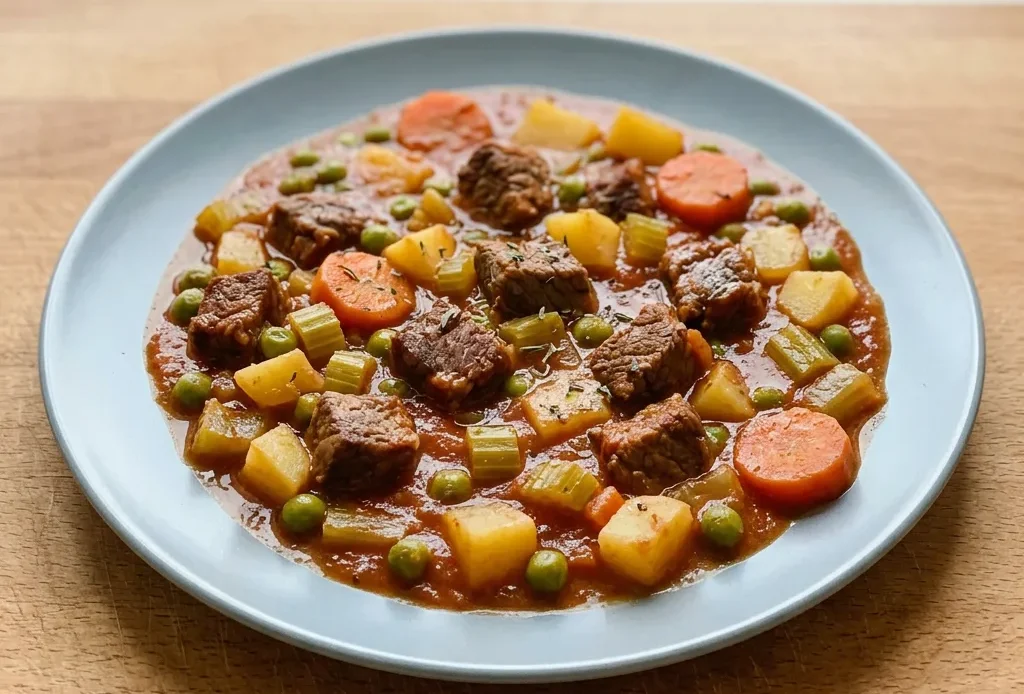
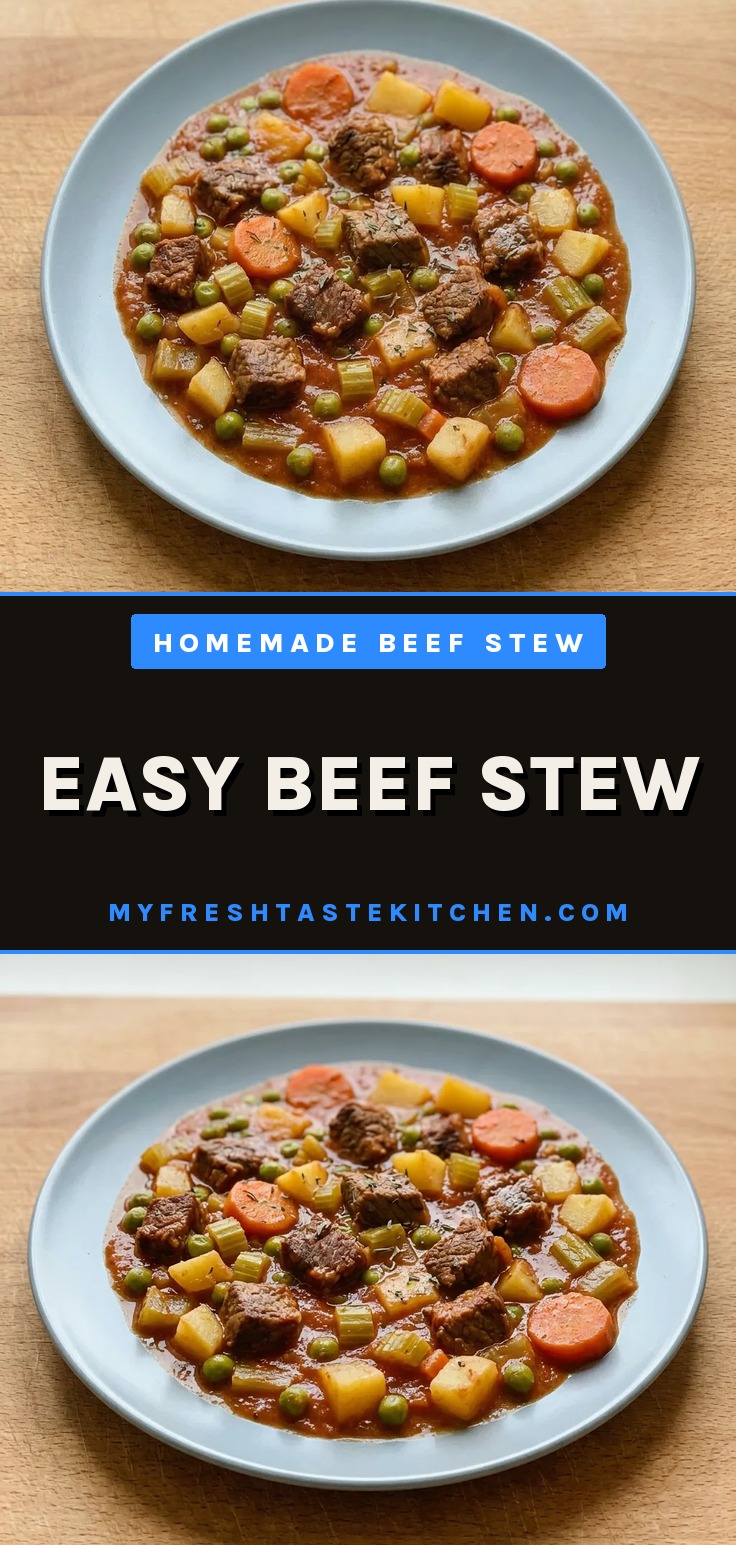
The gravy clings to the back of a spoon, glossy enough to see your reflection. That’s the mark of a stew where the cornstarch slurry hit the pot at the right moment, after pressure cooking, not before.
The beef pulls apart with a fork, tender from 35 minutes under pressure, not hours on the stove. This easy beef stew skips the long simmer without sacrificing the deep, browned flavor that comes from searing first. The trick is knowing which steps to rush and which to let take their time.
The Searing Step
Searing beef before pressure cooking does something no amount of simmering can replicate. When the meat hits hot oil, its surface hits temperatures high enough to trigger the Maillard reaction, those browned bits that taste deeply savory, almost meaty in a way raw beef isn’t. The Instant Pot’s sauté setting gets hot enough for this; you’ll see the cubes turn mahogany on each side.
That color is flavor. Skip this step, and the broth tastes flat, missing that roasted backbone.
The fond stuck to the pot after searing? That’s not a problem, it’s the base of the whole stew. It dissolves into the liquid during cooking, carrying that browned richness through every bite.
Pressure Cooking Tough Meat
Beef stew meat comes from hardworking muscles packed with collagen, the connective tissue that makes chewy roasts. Standard simmering softens it, but it takes hours. The pressure cooker shortcuts that process by raising the boiling point of the liquid, forcing steam into the meat’s fibers.
In 35 minutes under pressure, that collagen breaks down into gelatin, turning the beef from tough cubes into pieces you can pull apart with a fork. You’ll feel the difference the first time you bite one: instead of dry and stringy, it’s moist, almost silky. The broth thickens slightly too, from the gelatin released.
That’s why an instant pot stew delivers tender meat in under an hour, no overnight braise required.
Peas and Slurry After Cooking
Pressure cooking obliterates delicate vegetables. Peas added before the cook cycle turn into gray-green mush, their sweetness lost. So they go in after, when the stew’s already done, just warmed through in the residual heat.
That keeps them bright green and pop-in-your-mouth tender. The cornstarch slurry serves a different purpose.
Thickening a stew under pressure is unreliable; starches can break down or clump. By whisking cornstarch with cold water and stirring it into the hot liquid after the pressure is released, you get control.
Hit Sauté to let it bubble, and you’ll see the broth go from thin to glossy in minutes, coating the meat and vegetables without muting the beefy, herby flavor.
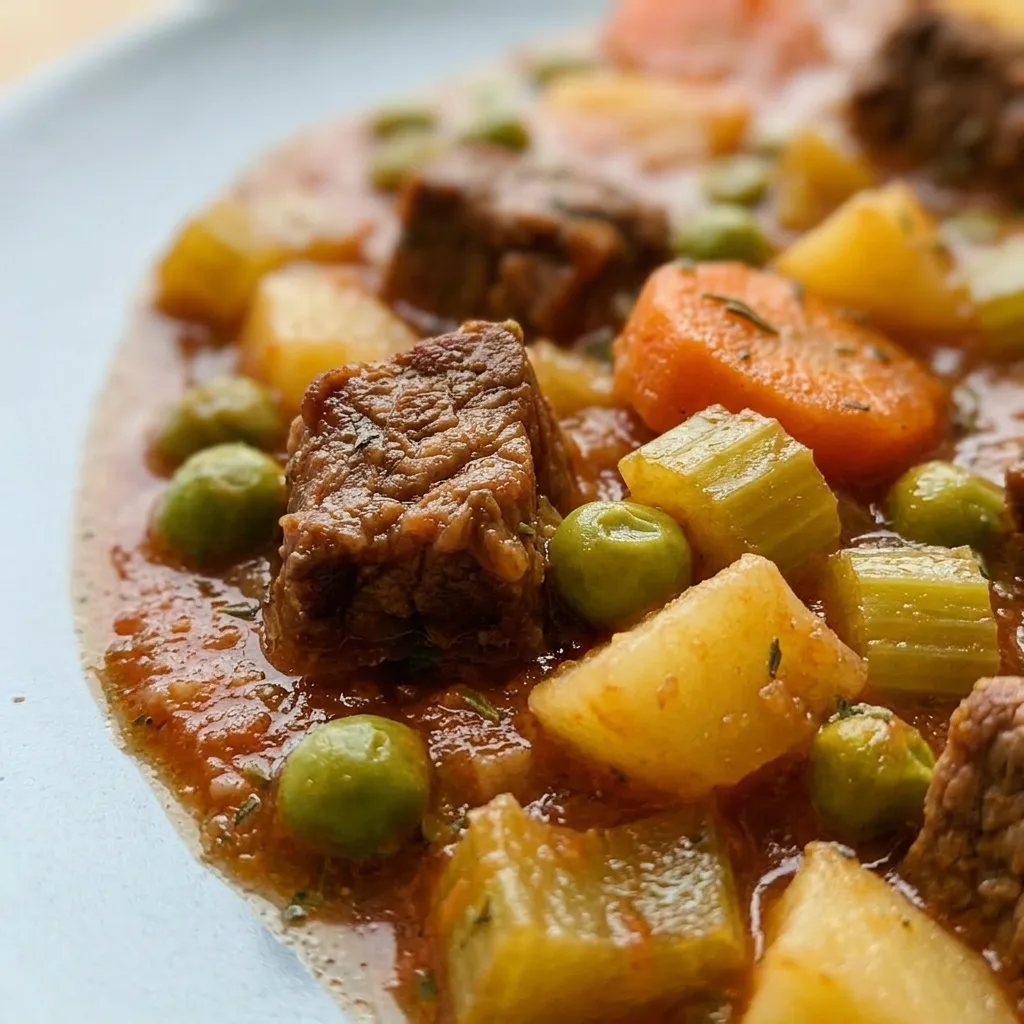
Prep: 15 min · Cook: 40 min · Total: 55 min · Servings: 6 · Calories: 380 kcal
Ingredient Picks That Matter
Beef stew meat: Buy chuck or round; the marbling and collagen keep it tender after pressure cooking.
Gluten-free Worcestershire Sauce: Real Worcestershire contains anchovies and tamarind; skip it if you’re vegan or allergic.
Tomato paste: It adds depth and helps the meat brown; omit only if strictly AIP.
Cornstarch: For a slurry; arrowroot works for Whole30 or Paleo, but skip it if you don’t need thick stew.
Frozen peas: Add after pressure cooking so they stay firm and sweet, not mushy.
Building the Base and Pressure Cooking
Sear the Meat
Heat oil in the Instant Pot on sauté. Add beef in a single layer; don’t crowd. Let each side brown until mahogany, about 2 to 3 minutes per side.
If the pot steams instead of sizzles, you’ve overloaded it, work in batches.
Add Aromatics and Liquid
Stir in Worcestershire, vinegar, tomato paste, and spices until the meat is coated. The paste will darken and stick to the pot, that’s intentional. Pour in broth and scrape up any browned bits from the bottom.
If bits remain stuck, deglaze with a splash more broth.
Pressure Cook the Stew
Add carrots, celery, and potatoes. Lock the lid, set to sealing, and cook on Meat/Stew or manual high pressure for 35 minutes.
When done, quick release the steam. The meat should shred easily with a fork; if not, pressure cook another 5 minutes.
Thicken and Finish
Mix cornstarch with cold water until smooth. With the pot on sauté, stir in the slurry and frozen peas.
Let it bubble for 5 to 10 minutes; you’ll see the broth go from watery to glossy, coating the back of a spoon. Stop when it’s as thick as you like.
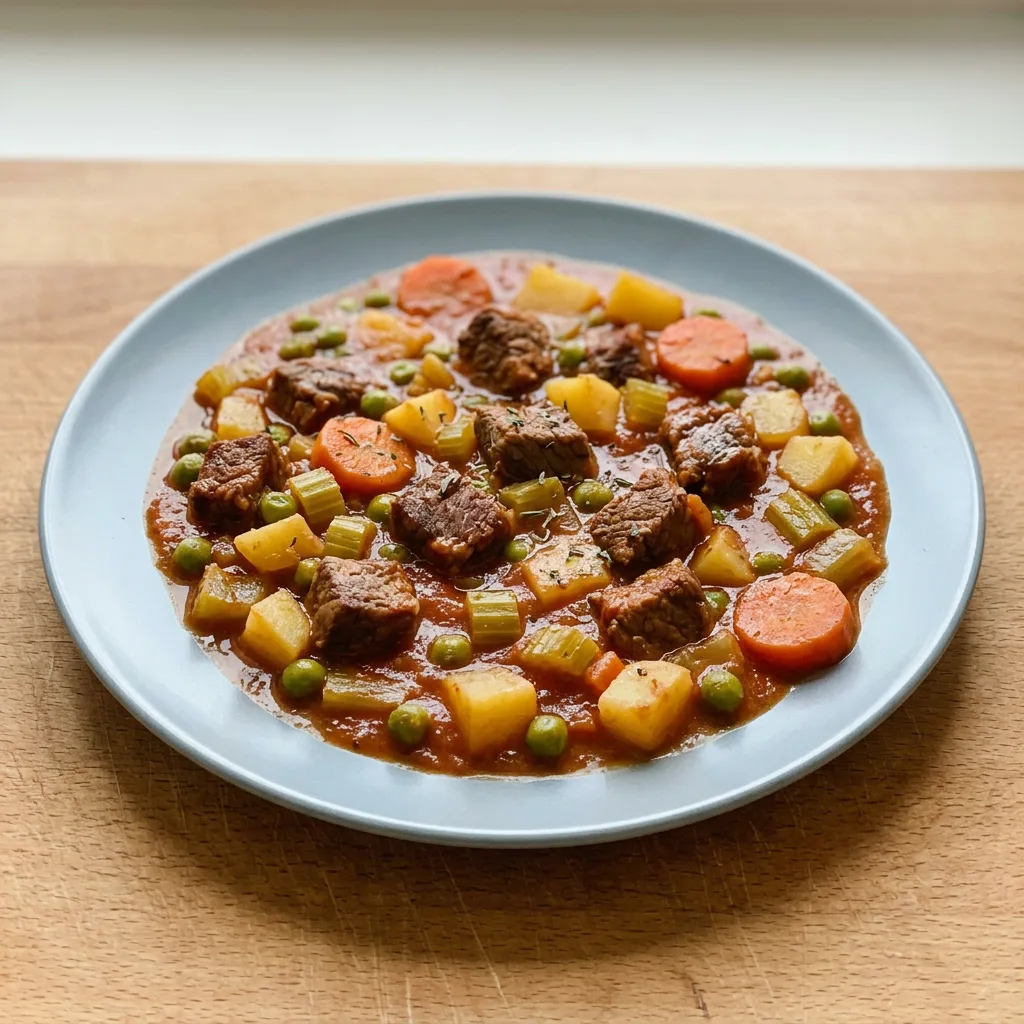
Easy Beef Stew
Ingredients
Method
Sauté Olive Oil:
Activate the Instant Pot’s sauté function and pour in olive oil.Sear Beef Cubes:
Place beef cubes in the pot and sear until browned on all sides.Mix Sauce Base:
Mix in gluten-free Worcestershire sauce, apple cider vinegar, and tomato paste; stir thoroughly.Add Seasonings:
Evenly distribute garlic powder, onion powder, thyme, sage, and salt over the meat and stir.Pour Beef Broth:
Add gluten-free beef broth to the pot.Add Vegetables:
Incorporate sliced carrots, diced celery, and diced potatoes; stir everything together.Secure Lid:
Secure the lid on the Instant Pot and set the vent to sealing.Cook 35 Minutes:
Choose the Meat/Stew setting or manual mode and cook for 35 minutes.Release Pressure:
Once the timer finishes, perform a manual pressure release. Open the lid cautiously.Make Cornstarch Slurry:
Combine cornstarch and water in a small bowl, whisking to create a slurry. Pour the slurry into the pot and stir.Add Peas and Thicken:
Add frozen peas, press the Sauté button, and let cook for 5-10 minutes until the peas are tender and the sauce thickens.Rest Before Serving:
Allow the stew to rest for 5-10 minutes before serving. Enjoy!Store Leftovers:
Keep leftovers in a sealed container in the refrigerator.Reheat Leftovers:
Warm leftovers in a microwave or on the stove.
Storage and Serving
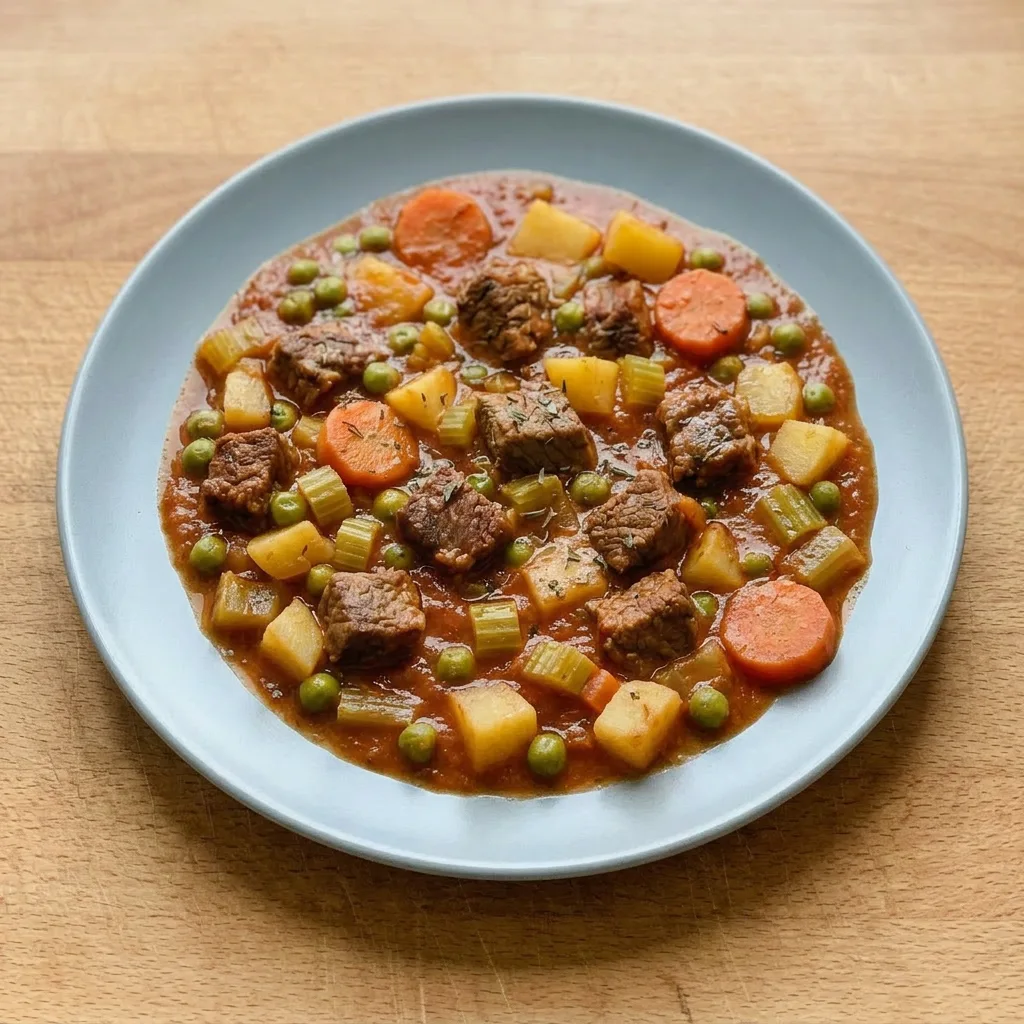
This stew thickens as it sits, so don’t worry if it seems thin right after cooking. Let it rest 5 to 10 minutes before serving; the sauce will coat the meat and vegetables better. Serve within 2 hours for the best texture.
Store leftovers in a sealed container in the fridge for up to 4 days. The potatoes soften further, and the sauce becomes even thicker. Reheat gently on the stove or in the microwave, stirring occasionally to prevent scorching.
For longer storage, freeze the stew without the peas. The peas turn mushy when frozen and reheated.
Freeze in an airtight container for up to 3 months. Thaw overnight in the fridge, then reheat and stir in fresh frozen peas at the end.
Tips
- Cut the beef into uniform 1-inch cubes. Irregular pieces cook unevenly: small ones turn dry and tough, while large ones remain chewy. Consistent size ensures all cubes reach the same tenderness after 35 minutes under pressure.
- If using sweet potatoes, cut them into 1 1/2-inch cubes instead of 1-inch. They break down faster than white potatoes, so larger chunks hold their shape better during pressure cooking and don’t dissolve into the broth.
Swaps That Work (and One That Doesn’t)
Potatoes: Sweet potatoes. Sweet potatoes turn softer and sweeter than standard potatoes.
They break down more during pressure cooking, so chunks may blur into the broth. If you want distinct pieces, cut them larger, 1 1/2-inch cubes instead of 1-inch.
Cornstarch: Arrowroot flour. Arrowroot thickens a little less than cornstarch and gives a silkier, less glossy finish. Use the same amount by volume.
The stew will still coat a spoon, but the sheen is softer. If you skip the thickener entirely, the broth stays thin but the gelatin from the meat gives it body.
Tomato paste: Omit (for AIP). Without tomato paste, the stew loses a layer of savory depth and that subtle tang. The broth tastes more purely beefy and herbal.
To compensate, increase the Worcestershire sauce by 1 teaspoon or add a splash more vinegar for acidity.
Frequently Asked Questions
Can I make this stew ahead of time and reheat it?
Yes, and the texture actually improves. The stew thickens as it sits, and the flavors blend overnight. Reheat gently on the stove or microwave, stirring occasionally to prevent scorching.
If you plan to freeze, leave out the peas, they turn mushy when frozen and reheated. Add fresh frozen peas after thawing and reheating.
Why is my stew too thin or too thick?
If it’s thin, you likely didn’t let the slurry bubble long enough after stirring it in. The sauce thickens noticeably in 5 to 10 minutes on sauté; look for a glossy coating on the back of a spoon.
If it’s too thick, you either added too much cornstarch or let it reduce too long. Thin it with a splash of broth while reheating.
The stew also thickens as it sits, so a slightly thin stew after cooking will firm up overnight.
How is this pressure cooker version different from a traditional stovetop beef stew?
The biggest difference is time: 35 minutes under pressure versus 2 to 3 hours simmering. The pressure cooker breaks down collagen faster, so the meat is fork-tender in under an hour. The broth also gets a slight gelatinous body from the quick breakdown, but you still need the slurry to thicken it, starches don’t set under pressure.
The seared fond dissolves into the liquid just like a stovetop version, so you get the same deep savory base.
Can I use frozen beef stew meat directly in the Instant Pot?
Technically yes, but you lose the sear. The frozen meat will release water when it hits the hot pot, steaming instead of browning.
That means no fond, and the broth will be less rich. If you skip searing, the stew still cooks through fine, just add a few extra minutes of pressure time since the meat starts frozen. But for the best flavor, thaw the meat first and pat it dry before searing.
