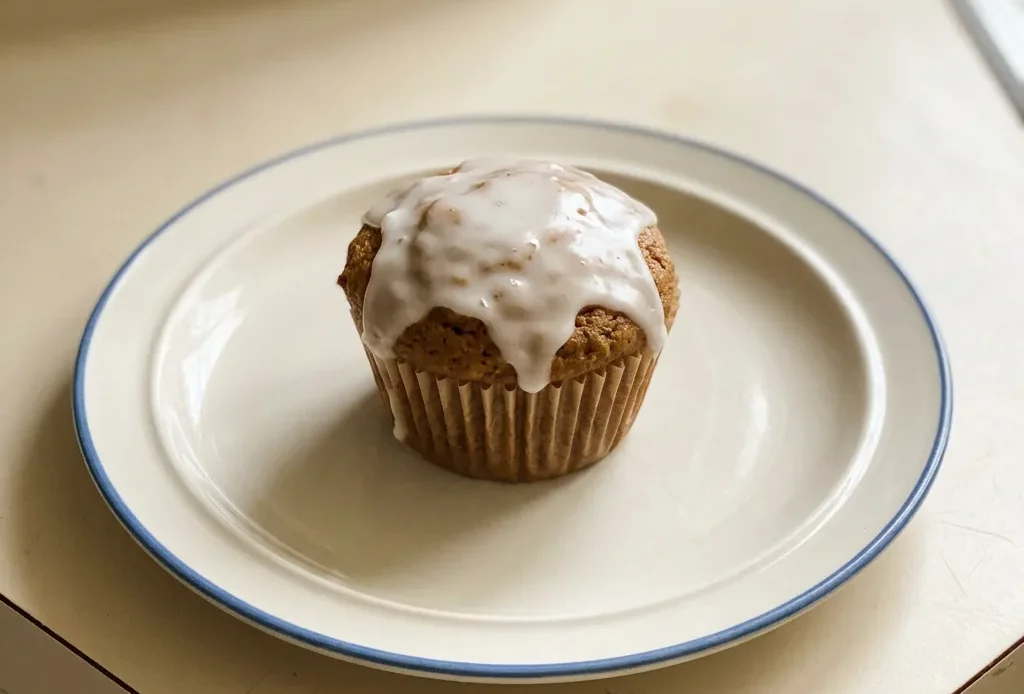
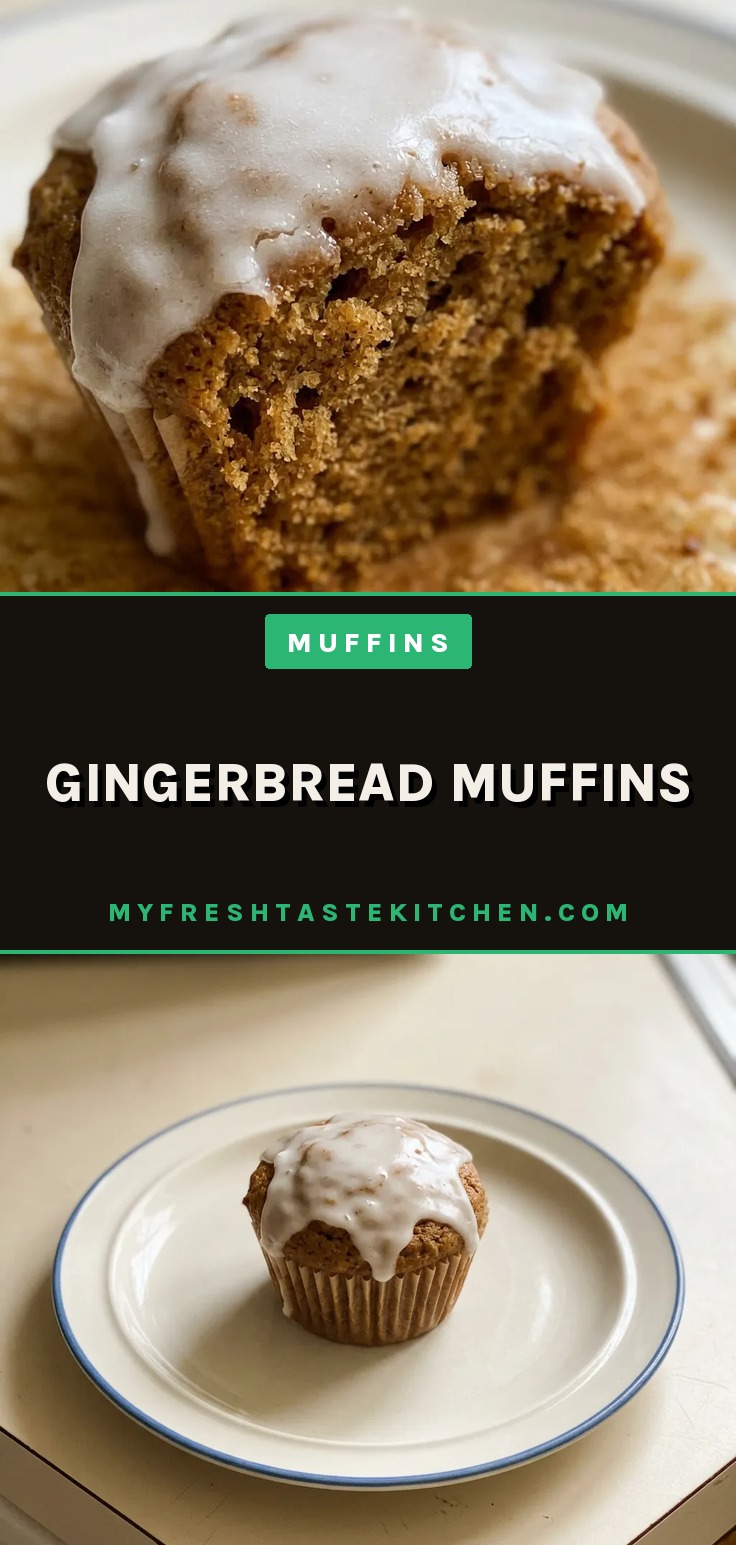
These gingerbread muffins get their bakery-style domed top from a thick batter that mounding in the bowl, not a thin one that spreads. Resting the batter for that quarter hour is the make-or-break moment here: it lets the flour absorb moisture and relax the gluten, so the muffin climbs tall instead of flattening out.
Under an hour, start to finish, this delivers the warm, spicy flavor of classic gingerbread in a tender crumb, no special equipment, just attention to that batter’s consistency. If you’ve ever had muffins spread into wide, flat caps instead of rising high, that rest is what fixes it.
I see so many people skip the rest and wonder why their muffins come out flat and dense. It’s not magic, it’s just science.
Batter Rest
Letting the batter sit for that quarter hour does two observable things. First, the flour granules absorb moisture and swell, which thickens the batter noticeably, it mounds in the bowl instead of flowing.
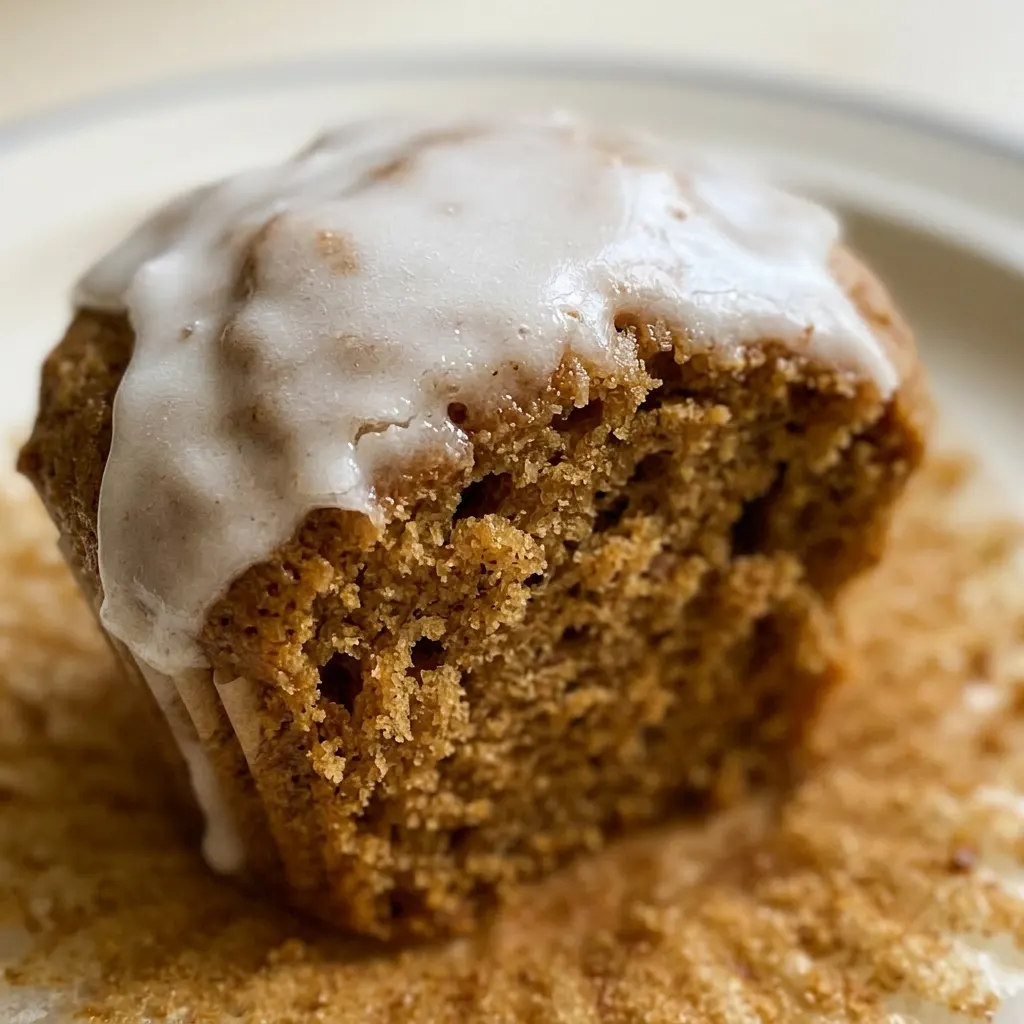
Second, the gluten network relaxes, so when you scoop it, the batter holds a tall peak. That thickness is what lets it rise into a dome rather than spreading into a flat cap. A thin batter spreads before it sets, giving you a flat top.
Here, the rested batter puffs skyward, and the crumb stays tender because the gluten isn’t fighting the rise. You see the domes form in the first few minutes of baking, and they hold. That’s the bakery trick: a thick batter that doesn’t level itself.
Temperature Jump
Starting at a hot oven gives the muffin an immediate blast of heat. That causes the air bubbles trapped in the thick batter to expand rapidly, pushing the top into a dome before the structure sets. You see the muffin climb in the first few minutes.
Then, dropping the heat allows the interior to bake through at a gentler pace, so the crust doesn’t burn while the center catches up. If you baked at a steady moderate temperature, the muffins would rise more slowly and end up with a flatter, denser top. The two-temperature trick is common in recipes for tall muffins, and you can see it work: the tops dome nicely and the color stays even, not too dark.
Warm Spices
The blend of cinnamon, ginger, nutmeg, and cloves is what makes this taste like gingerbread rather than a plain spiced muffin. Each spice plays a distinct role. Ginger provides the sharp, peppery kick that cuts through the sweetness.
Cinnamon adds warmth and a sweet woodiness that rounds out the edges. Nutmeg brings a subtle nutty, almost floral note, and cloves contribute a deep, slightly bitter pungency that anchors the whole mix.
Together they create a flavor that is both sweet and spicy, familiar but not one-note. You taste the ginger first, then the cinnamon, with the other two lingering in the background. That balance is what makes the muffins taste like the holiday classic.
Prep: 10 min · Cook: 24 min · Total: 49 min · Servings: 10 · Calories: 440 kcal
What to Look For in Each Ingredient
Unsulphured molasses: Get unsulphured; it’s milder and smoother. Sulphured molasses tastes harsh and metallic.
Vegetable oil: Use a neutral oil like canola or grapeseed. Olive oil’s flavor will compete with the spices.
Brown sugar, packed: Pack it firmly into the cup. Loosely scooped sugar leaves out moisture and flavor.
Spices (cinnamon, ginger, nutmeg, cloves): Check that your spices smell potent. Old spices taste flat and dusty, not lively.
Heavy cream or milk (for glaze): Heavy cream makes a richer, thicker glaze. Milk gives a thinner, glossier finish.
How to Get Tall, Bakery-Style Gingerbread Muffins
Mix the Dry Ingredients
Whisk flour, both sugars, baking powder, salt, and spices in a bowl until evenly colored. No clumps of brown sugar or cinnamon streaks left.
Combine the Wet Ingredients
Beat molasses, eggs, oil, and milk until smooth. The molasses should be fully incorporated, not sitting in ribbons.
Combine Wet and Dry
Add dry to wet in a few additions, stirring just until no flour streaks remain. Don’t overmix; a few lumps are fine. The batter will be very thick.
Rest the Batter
Cover and let the batter sit for 15 minutes. You’ll see it thicken noticeably, it mounds in the bowl instead of flowing. This rest relaxes the gluten so the muffins dome.
Prepare the Oven and Pan
While batter rests, preheat oven to 425°F. Line a 12-well muffin tin with only 6 paper liners, placing them in every other well. This space lets heat circulate, creating tall crowns.
Fill the Liners
Spoon 8, 10 heaping tablespoons of batter into each liner, filling them nearly to the top. The thick batter will hold a tall peak, that peak becomes the dome.
Bake with a Temperature Jump
Bake at 425°F for 7 minutes. Watch the muffins climb quickly, the initial blast expands air bubbles. Then reduce to 350°F and bake 15 to 19 minutes more until a toothpick comes out clean.
Cool and Glaze
Let muffins cool in the pan for a few minutes, then transfer to a rack. While still warm, dip tops into the glaze made by whisking powdered sugar, vanilla, and cream until smooth. Let set.
Gingerbread Muffins
Ingredients
Gingerbread Muffins
- 3 cups all-purpose flour 360g
- 1/2 cup granulated sugar 100g
- 1/2 cup brown sugar, packed 107g
- 3 tsp baking powder
- 1 tsp salt
- 2 tsp ground cinnamon
- 1 tsp ground ginger
- 1/2 tsp ground nutmeg
- 1/4 tsp ground cloves
- 1/2 cup unsulphured molasses 118ml
- 2 large eggs
- 3/4 cup vegetable oil 180ml
- 1/2 cup milk 118ml
Glaze
- 1 cup powdered sugar 113g
- 1/2 tsp vanilla extract
- 2 Tbsp heavy cream or milk
Instructions
Gingerbread Muffins
Whisk dry ingredients:
In a bowl, whisk together the flour, granulated sugar, brown sugar, baking powder, salt, cinnamon, ginger, nutmeg, and cloves. Set aside.Beat wet ingredients:
In a separate larger bowl, beat the molasses, eggs, vegetable oil, and milk until combined.Combine wet and dry:
Add the dry mixture to the wet mixture in increments, stirring only until incorporated. The resulting batter should be quite thick.Rest batter, preheat oven:
Cover the bowl with a clean towel and allow the batter to sit for 15 minutes. Meanwhile, preheat your oven to 425°F (220°C).Bake muffins in batches:
For bakery-style muffins, line a 12-well muffin tin with 6 paper liners, placing them in every other well. Spoon 8-10 heaping tablespoons of batter into each liner. Position the pan in the oven’s center and bake at 425°F (220°C) for 7 minutes, then lower the temperature to 350°F (175°C) and continue baking for 15-19 minutes, until a toothpick inserted into a muffin’s center emerges clean. Let the muffins cool in the pan. Repeat with the remaining batter, making sure to return the oven to 425°F (220°C) before baking the next batch.
Glaze
Dip muffins in glaze:
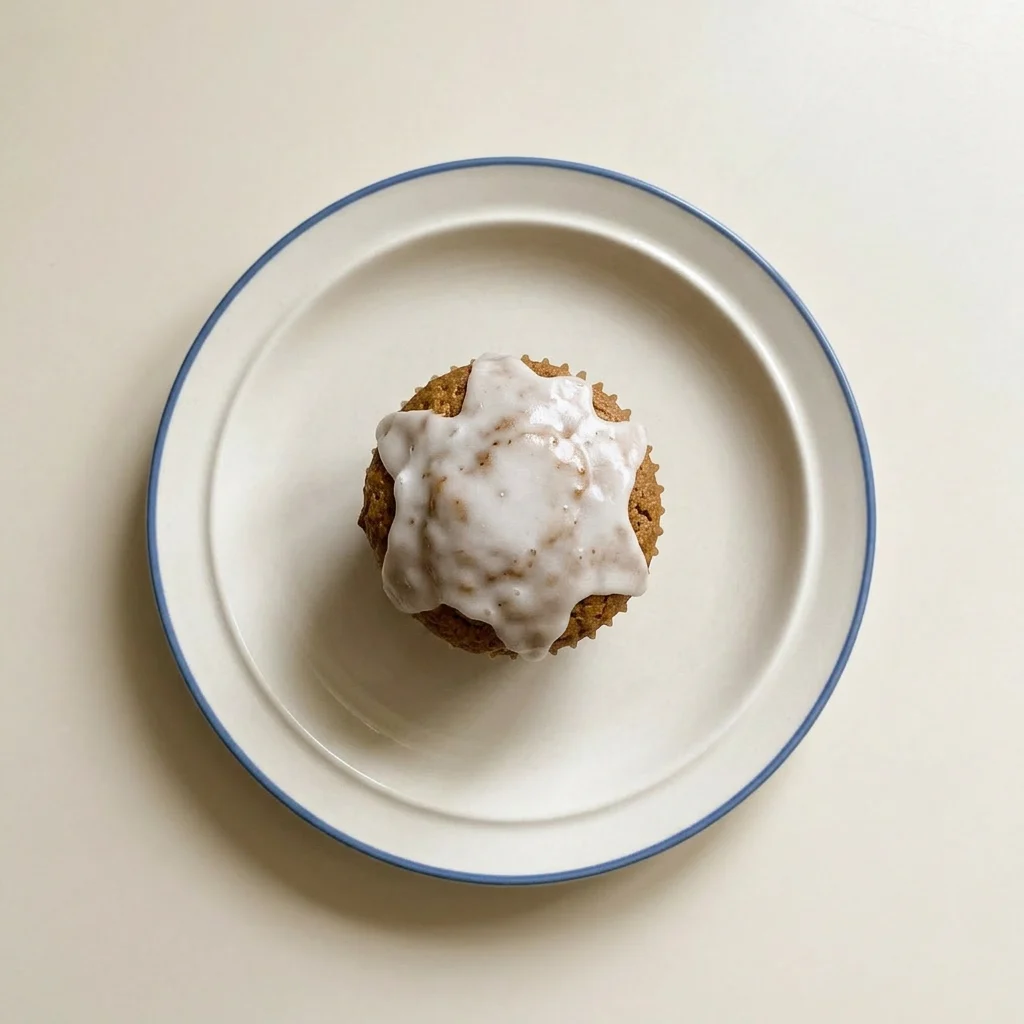
After the muffins have cooled, dip their tops into the glaze. To prepare the glaze, whisk together the powdered sugar, vanilla extract, and heavy cream or milk in a small bowl until smooth. Dip each muffin and let the glaze set.
Swapping Molasses and Other Key Ingredients
Molasses: Dark corn syrup or honey. Molasses gives the deep, slightly bitter sweetness that defines gingerbread.
Swap it with dark corn syrup and the muffins will be sweeter but less complex; honey adds floral notes and a bit more moisture. Either way, don’t skip it entirely, skip it and you lose the gingerbread identity.
Vegetable oil: Melted butter or applesauce. Oil makes these muffins tender and moist.
Melted butter adds flavor but makes the crumb slightly firmer and less tender. Applesauce (use same volume) cuts fat significantly; the muffins will be denser and less rich, more like a healthy muffin, still good, but not the same rich texture.
Milk: Any milk or non-dairy alternative. Milk provides liquid for the batter. Non-dairy options like oat or almond milk work fine with no noticeable change in texture or flavor.
Just use the same amount.
Tips
- To keep the glaze from sliding off the domed muffins, let them cool completely before dipping. Warm muffins will cause the glaze to thin and run down the sides instead of forming a neat cap.
- For the most even spice distribution, whisk the ground ginger, cinnamon, nutmeg, and cloves together in a small bowl before adding them to the flour. This prevents clumps of a single spice from hiding in the dry mix.
Storage and Serving
For the best texture, serve these muffins within a few hours of glazing. The glaze sets into a thin, semi-hard shell that stays crisp for about 4 hours; after that it softens into a tacky coating.
If you want the crunch, glaze just before serving. Store leftover muffins in an airtight container at room temperature for up to 3 days.
The crumb stays moist but becomes slightly denser by day 2. The glaze will soften and may dampen the muffin top. To refresh, microwave a muffin for 10 to 15 seconds; the glaze will not recrisp.
For longer storage, freeze unglazed muffins in a zip-top bag for up to 3 months. Thaw at room temperature, then glaze after thawing for the best finish.
Do not freeze glazed muffins; the glaze turns sticky and can weep.
Frequently Asked Questions
Can I make the batter the night before and bake in the morning?
I wouldn’t. The baking powder starts reacting as soon as it hits the wet ingredients, and after 15 minutes of rest you’re already at the sweet spot.
If you let it sit overnight, the bubbles escape and the leavening fizzles out, the muffins will bake up dense and flat, not tall and domed. If you must prep ahead, mix the dry ingredients and the wet ingredients separately, then combine and rest just before baking.
Why did my muffins not dome up like bakery muffins?
Most likely the batter wasn’t thick enough. The recipe makes a very thick batter that mounds in the bowl, if yours was runny or spread easily, you might have overmixed or used a liquid measure for the flour.
Also check that you rested the batter for the full 15 minutes; that rest lets the flour absorb moisture and thicken further, so the batter holds a tall peak when scooped. And don’t skip the temperature jump: the initial blast of 425°F is what puffs the top before the structure sets.
How do I keep the glaze from being too runny or too thick?
Start with the amounts given: 1 cup powdered sugar to 2 tablespoons heavy cream or milk. Whisk until smooth, it should be thick enough to coat the back of a spoon but still drip off slowly.
If it’s too runny, add powdered sugar a tablespoon at a time; if too thick, add cream or milk a teaspoon at a time. The glaze sets into a thin, semi-hard shell in about 4 hours, so if you want that crisp finish, glaze just before serving.
Can I freeze these muffins for later?
Yes, freeze them unglazed. Cool completely, then wrap individually and store in a zip-top bag for up to 3 months.
Thaw at room temperature and glaze after thawing for the best finish. Do not freeze glazed muffins, the glaze will turn sticky and weep.
What’s the difference between these gingerbread muffins and regular gingerbread cake?
Texture and shape. This muffin batter is much thicker than a typical gingerbread cake batter, and the high initial oven temperature creates a domed top with a slightly crisp crust, while cake bakes up flatter and more tender. The muffin also has a higher proportion of flour to fat, so the crumb is sturdier and holds its shape when you pick it up, unlike a moist, sliceable cake.
Flavor-wise, the spice blend is the same, but the muffin’s concentrated surface area gives you more caramelized edges.