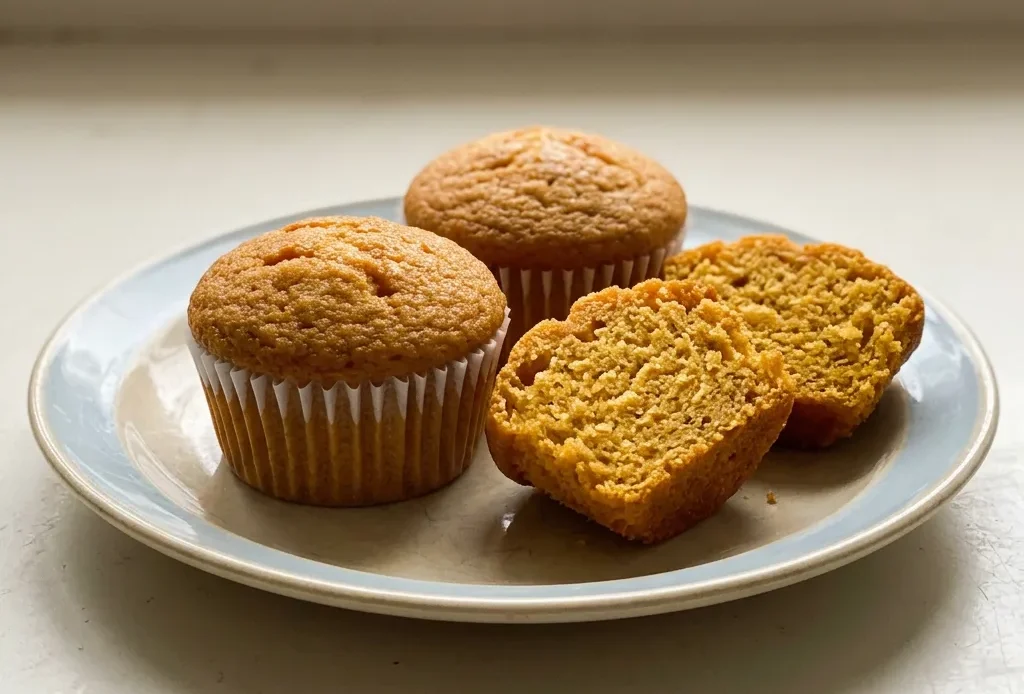
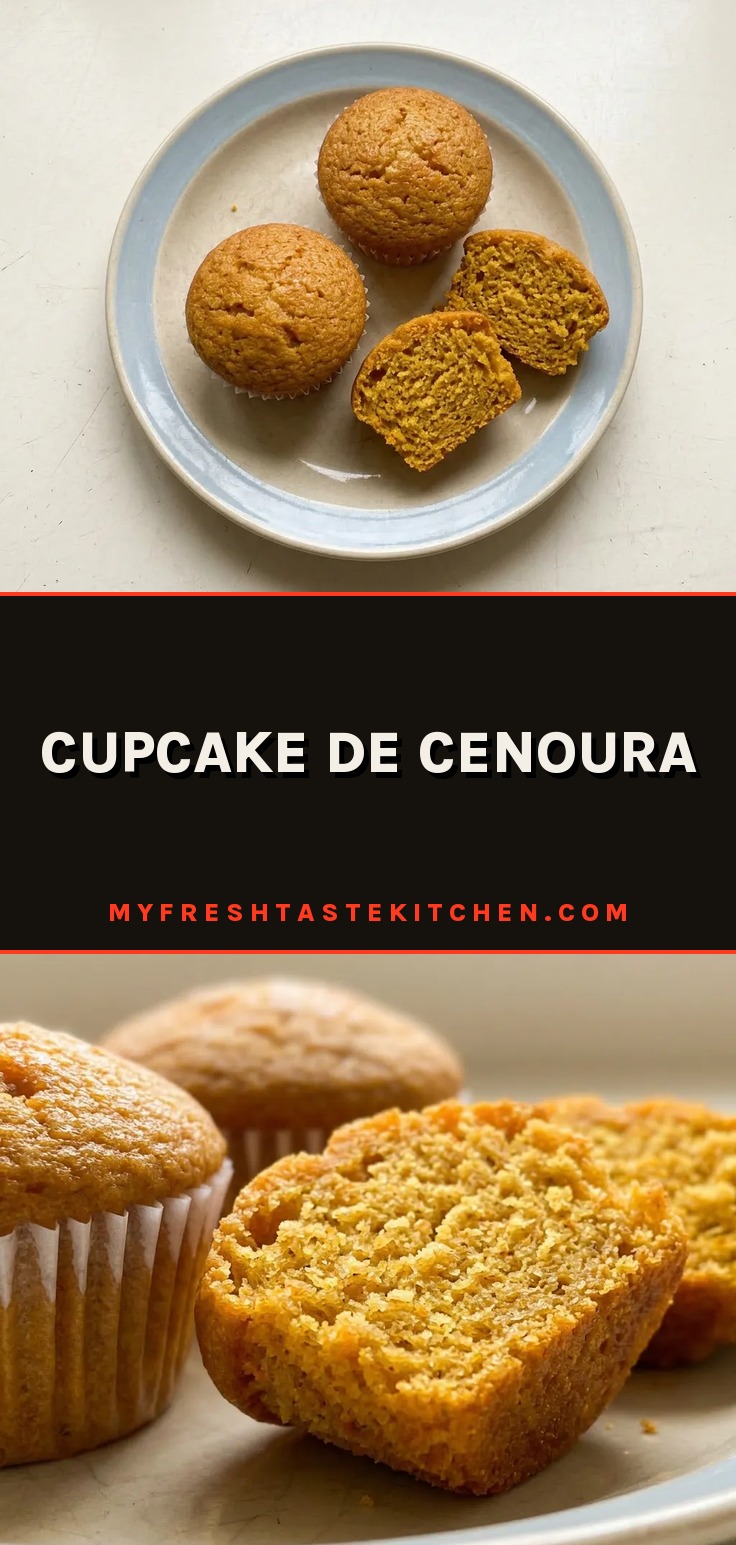
Most carrot cupcakes leave you picking shreds out of your teeth. These don’t.
The blender whips carrots into a silky, orange cream that disappears into the batter, so every bite is evenly moist and tender, no stringy surprises. It’s the same approach Brazilian bakers use for their cupcake de cenoura, and it makes the difference between a good cupcake and a great one. The trade-off: you have to handle the baking powder with a light hand, because that smooth batter is also delicate once the leavener hits.
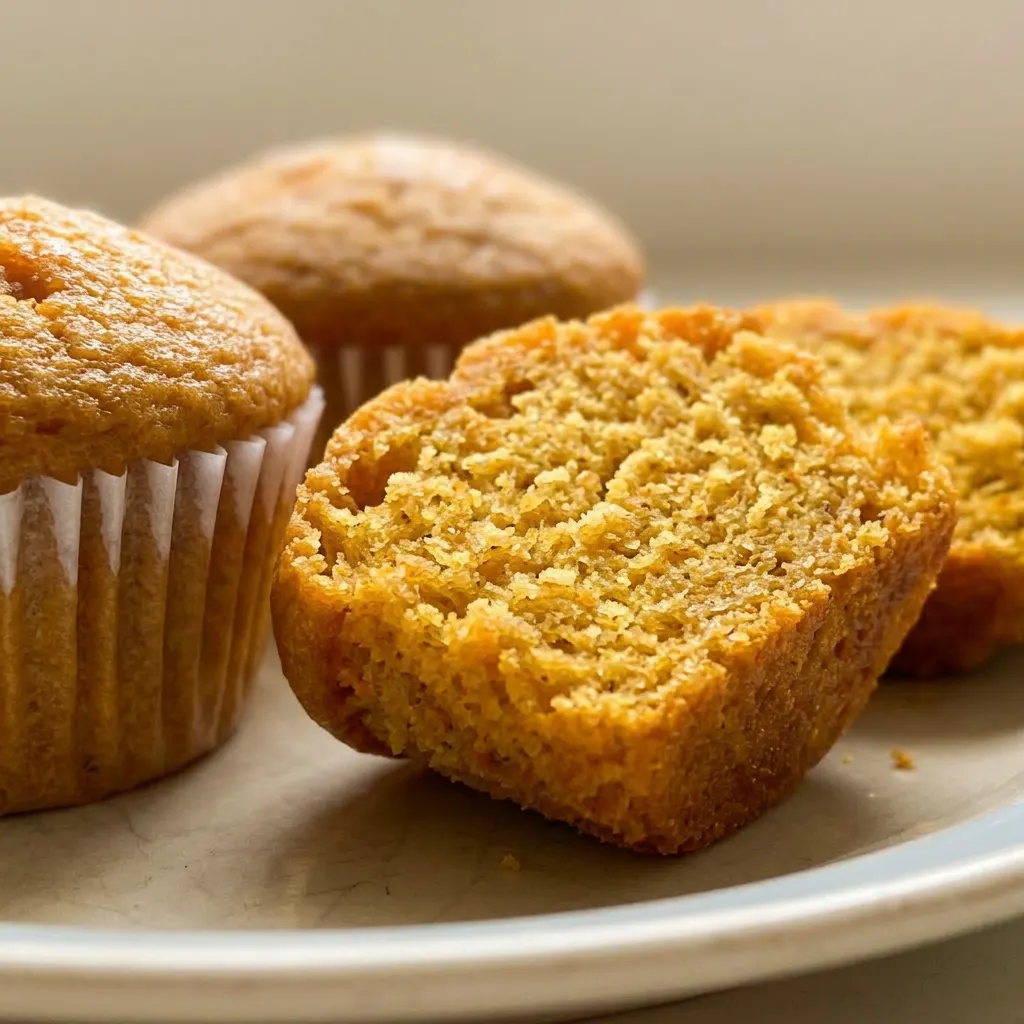
Overmix it, and you’ll lose the lift. Done right, you get a cupcake that’s almost custard-soft inside, with a gentle sweetness and a top that domes without a single shred in sight.
Blending for a smooth batter
Blending carrots, eggs, oil, and sugar until smooth does more than simplify prep. It fully incorporates the carrot into the batter, creating a uniform mixture with no stray shreds. That means every bite has even moisture and sweetness, and the crumb stays tender without the stringy texture grated carrot can leave.
The blender also aerates the wet ingredients, which helps the cupcakes rise evenly. You end up with a homogeneous batter that pours easily into liners, no folding in stubborn shreds, no worrying about uneven distribution.
Baking powder handled with care
Baking powder is the only lift here, so how you handle it matters. Once it hits the wet batter, it starts producing gas immediately.
Overmixing after adding it knocks those bubbles out, leaving you with dense, flat cupcakes. That’s why you stir it in last, gently, just until no white streaks remain.
The light hand preserves the air incorporated during blending, so the batter rises properly in the oven. A hundred quick stirs would deflate it, resist that urge.
Why two-thirds full
Fill the liners to two-thirds, not more. This batter rises aggressively thanks to the baking powder and the air whipped in during blending. If you fill higher, the batter climbs over the rim as it bakes, creating a mushroom top that spills onto the pan.
Two-thirds leaves enough headroom for the dome to form neatly, rounded, not flat. You’ll see it crest just above the liner edge when done. Skimping to half fills gives a squat cupcake; overfilling guarantees a mess.
Prep: 10 min · Cook: 30 min · Total: 40 min · Servings: 12 · Calories: 210 kcal
What to look for in each ingredient
Carrots: Medium carrots give the right moisture and sweetness; larger ones can be woody and watery.
Vegetable oil: Use a neutral oil like canola or sunflower; strong flavored oils will overpower the carrot.
Baking powder: Ensure it’s fresh. If it doesn’t fizz in water, it won’t lift the cupcakes.
Working the batter start to finish
Blend the wet ingredients
Blend carrots, eggs, oil, and sugar until completely smooth, about 30 seconds. Scrape the sides once if needed. The mixture should look like a thick, uniform orange cream, no visible carrot bits.
Fold in the flour
Transfer the blended mixture to a bowl. Sift the flour over it and fold with a rubber spatula just until no dry flour remains. The batter will be thick and slightly lumpy, that’s fine; don’t overwork it.
Add the baking powder
Sprinkle the baking powder over the batter and stir gently 5 to 6 times until evenly distributed. You should see no white streaks. Overmixing now deflates the batter, so stop as soon as it’s combined.
Fill the liners
Divide the batter among 12 cupcake liners, filling each about two-thirds full. Use a spoon or scoop; the batter is thick and won’t level itself. Aim for a neat, rounded top, don’t let it touch the pan.
Bake until done
Bake at 350°F for 25 to 30 minutes. The tops should be golden and spring back when touched. A skewer inserted in the center should come out clean.
Cool in the pan for 5 minutes, then transfer to a rack.
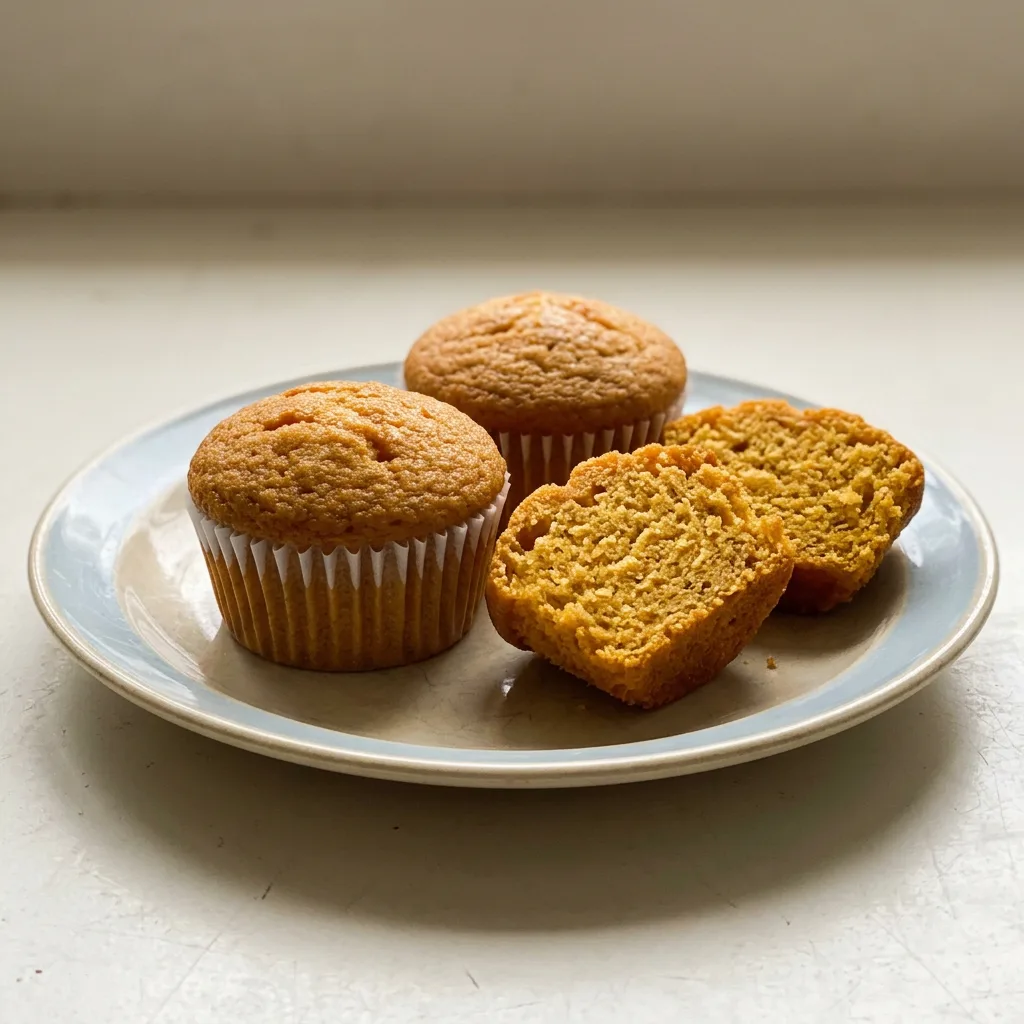
Cupcake de cenoura
Ingredients
Method
Blend carrot mixture:
In a blender, combine carrots, eggs, oil, and sugar; blend until smooth.Mix in sifted flour:
Transfer to a bowl and add sifted flour, mixing gently.Add baking powder:
Add baking powder and stir lightly just until incorporated.Fill cupcake liners:
Divide batter among 12 cupcake liners, filling each 2/3 full.Bake until golden:
Bake in a preheated 350°F (175°C) oven for 25-30 minutes, until golden and fluffy.Cool and dust:
Let cool, then serve plain or dusted with confectioners’ sugar.
Storing and Serving
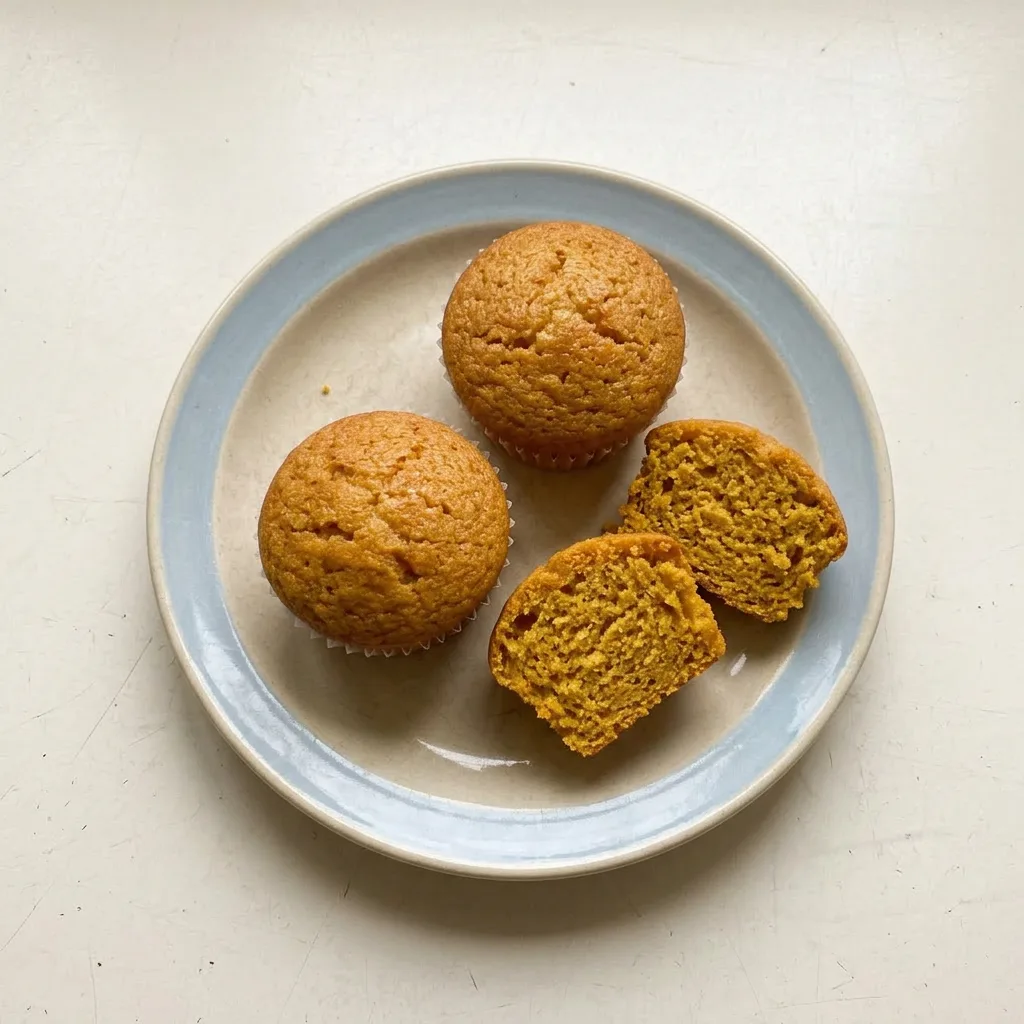
Store cooled cupcakes in an airtight container at room temperature for up to 2 days. The crumb stays tender and the top remains slightly crisp.
After that, the texture softens noticeably as moisture migrates from the crumb to the surface. For longer storage, refrigerate for up to 5 days.
Cold tightens the crumb, making it firmer but still pleasant. Bring refrigerated cupcakes to room temperature before serving to restore some softness.
Freezing is not recommended: the batter’s high oil content and fine crumb turn gummy when thawed. If you must freeze, wrap each unfrosted cupcake tightly in plastic and then foil for up to 1 month; thaw at room temperature 1 hour. The serving window for the best texture is within 6 hours of baking.
If you dust with confectioners’ sugar, do it just before serving, as the sugar dissolves into the surface within 30 minutes, leaving a damp spot.
What you can swap and what you shouldn’t
Carrots: Substitute with equal weight of peeled and cooked sweet potato or pumpkin purée. The batter will be slightly less sweet and the crumb a bit denser, but the moisture stays similar. Color shifts to orange-yellow.
Vegetable oil: Use melted coconut oil, or replace half the oil with unsweetened applesauce. Coconut oil works 1:1; cupcakes will be equally tender but may taste faintly of coconut. Applesauce reduces fat: the crumb becomes more cakey and less rich, and the cupcakes may dome less.
Start with half oil, half applesauce to test.
All-purpose flour: Use a 1:1 gluten-free flour blend that contains xanthan gum. The batter will be thicker and the cupcakes slightly more fragile when warm.
Cool completely before removing from liners. Do not substitute almond or coconut flours, they lack structure and the cupcakes won’t rise.
Baking powder: Do not substitute. It is the sole leavener and cannot be replaced with baking soda without an acid.
Omitting it yields dense, flat, hockey-puck cupcakes that won’t rise at all. If your baking powder is old (test by dropping a teaspoon in hot water, it should fizz vigorously), buy fresh.
Tips
- Rotate the pan 180 degrees after 12 minutes to compensate for oven hot spots; this ensures all 12 cupcakes rise evenly and develop a uniform golden top, rather than some doming faster and browning before others are set.
Frequently Asked Questions
Can I use a hand mixer instead of a blender?
No, not for the initial step. A blender liquefies the carrots completely, creating a uniform, airy base that a hand mixer can’t achieve with solid carrot chunks.
After blending, you can switch to a hand mixer for folding in the flour and baking powder, but the blender is essential for that smooth, orange-cream consistency. Without it, you’d have uneven moisture and visible carrot bits.
How do I know when the cupcakes are done?
Look for a golden top that springs back when lightly pressed, the crumb should feel set, not squishy. A skewer inserted in the center should come out clean, no wet batter clinging. The baking time is 25 to 30 minutes at 350°F, but ovens vary, so trust the visual and touch cues over the clock.
Can I make these cupcakes ahead of time?
Yes, but with timing in mind. They’re best within 6 hours of baking, but you can store them in an airtight container at room temperature for up to 2 days, the top stays slightly crisp, then softens. For up to 5 days, refrigerate and bring to room temperature before serving; freezing is not recommended as the texture turns gummy upon thawing.
How is this different from a classic carrot cake?
The blender method eliminates shredded carrots, giving a uniformly moist, tender crumb without stringy bits. The batter uses oil and a single leavener (baking powder), so the cupcakes are lighter and fluffier than a dense, spiced layer cake. No cinnamon, nuts, or raisins here, the carrot flavor is clean and subtle, letting the natural sweetness stand out.