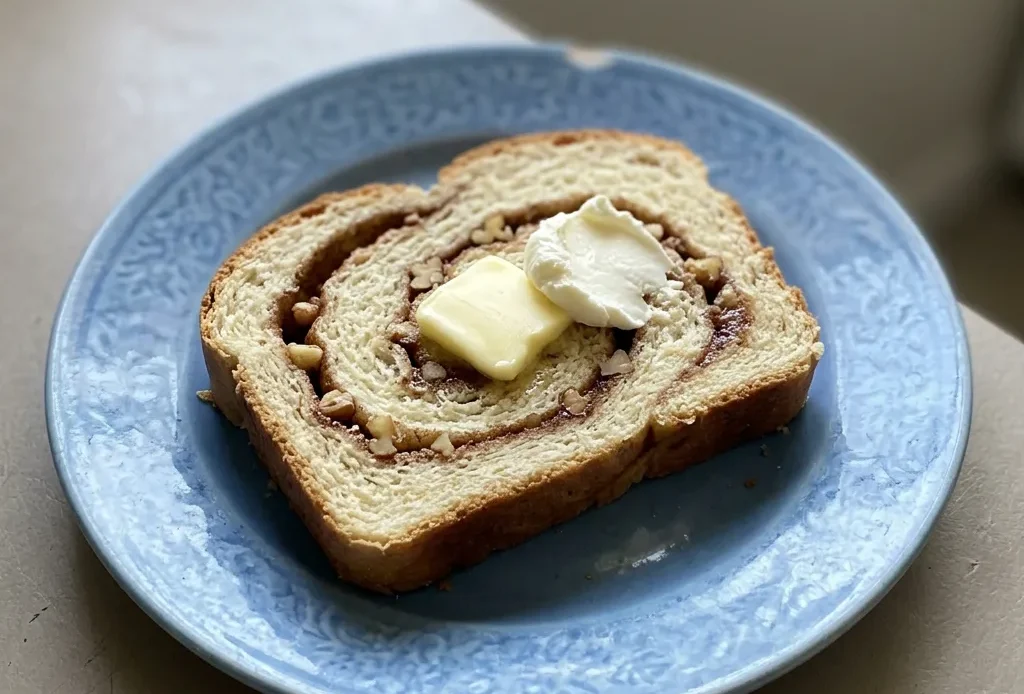
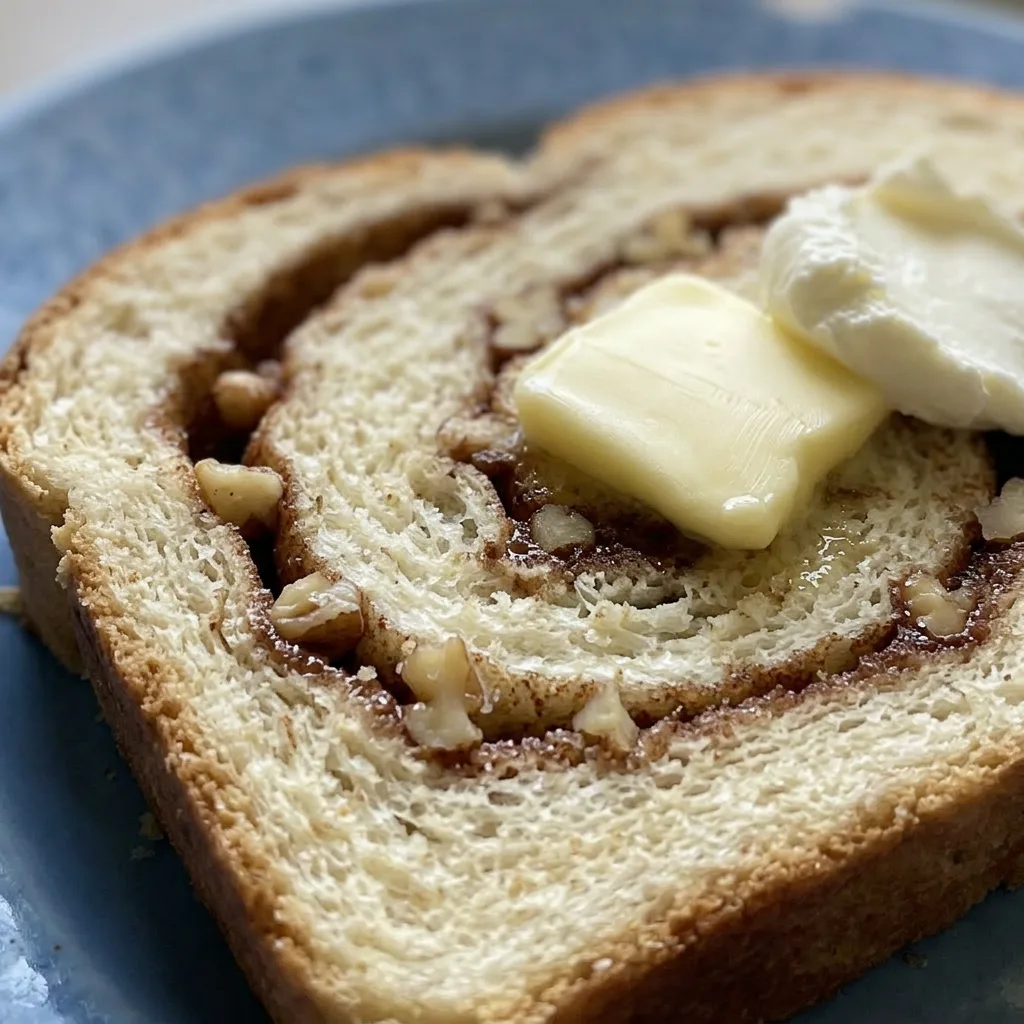
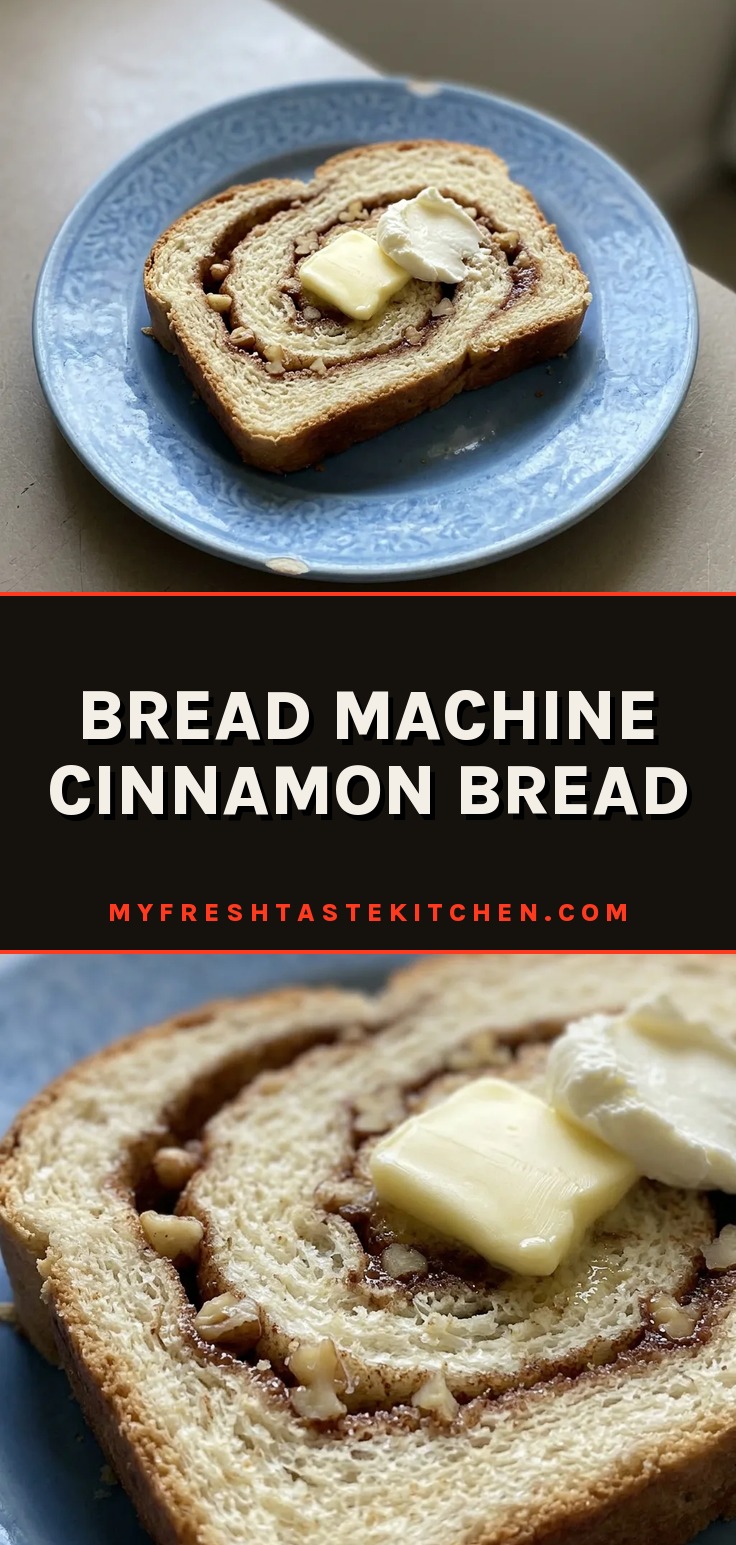
A cinnamon swirl in a bread machine loaf often sinks or blurs into the dough, but with the right flour and timing, you get a clean ribbon in every slice. Bread flour’s extra gluten gives the crumb enough chew to hold the sugar’s weight, and the swirl goes in after the second rise, not at the start, so it stays suspended instead of settling.
This bread machine cinnamon bread turns out tender and fluffy, with a distinct, sweet cinnamon ribbon that makes each bite feel intentional. The margin for error is small: too soft a dough or an early addition, and the swirl collapses. But get it right, and it’s a reliable breakfast or snack with real structure.
Use bread flour for a sturdy crumb
Bread flour has a higher protein content than all-purpose, which means more gluten development. That extra gluten gives the loaf a chewy, structured crumb that can support the cinnamon swirl without collapsing.
All-purpose flour produces a softer, more tender bread, but that tenderness works against the swirl, it tends to sink or blur into the dough. With bread flour, each slice holds a clear, distinct ribbon of cinnamon sugar. You’ll see the difference in the oven spring, too; the loaf rises tall and keeps its shape.
Add the swirl after the second rise
The cinnamon-sugar blend goes on after the dough has completed its second rise, not at the start. By that point, the dough has developed enough structure to support the weight of the sugar and nuts without them sinking to the bottom.
You spread the mixture evenly over the dough’s surface, then the machine folds it in during the final knead and shape. The result is a consistent swirl throughout the loaf, not a dense layer at the base. The texture stays light, and every slice gets that same cinnamon ribbon.
Warm milk to 110°F to wake the yeast
Active dry yeast is dormant until it hits warm liquid. At 110°F, the milk provides just enough heat to rehydrate and activate the yeast, getting it bubbling within minutes.
If the milk is too hot, say above 120°F, you’ll kill the yeast, and the dough won’t rise. Too cold, and the yeast stays sluggish, leading to a dense, flat loaf.
That specific temperature, 110°F, balances speed and safety. You can feel it with your finger: it should be warm but not hot, like a comfortable bath. The yeast responds instantly, and the dough proofs at a steady pace, giving you a light, airy crumb.
Prep: 10 min · Cook: 2 hr 30 min · Total: 2 hr 50 min · Servings: 12 · Calories: 210 kcal
Key ingredients for a clean cinnamon swirl
Bread flour: Use bread flour for a chewy crumb that holds the swirl without collapsing; all-purpose makes it too tender.
Active dry yeast: Check your yeast is fresh; old yeast won’t bubble and the loaf will turn out dense.
Ground cinnamon: Fresh cinnamon smells punchy; stale cinnamon fades. Smell it before using.
Brown sugar: Use brown sugar for the swirl; its molasses adds moisture and deep flavor. White sugar works but is drier.
Chopped nuts: Toast the nuts first for deeper flavor; raw nuts stay soft and can get lost in the bread.
I tried adding the cinnamon-sugar right after the first rise, and it all sank to the bottom. Next time I waited until the second rise was almost done, and the swirl stayed in the middle.
Watch the dough for the right time to add the swirl
Load the pan in order
Pour in warm milk, sugar, melted butter, and salt. Top with bread flour, then make a well in the flour for the yeast. This layering keeps the yeast from touching the salt or liquid too early.
Start the machine
Select a basic white bread cycle (about 2 hours 30 minutes total). The machine will mix, knead, and rise automatically. Listen for the first knead, a steady thumping sound means the dough is coming together.
Mix the cinnamon sugar
Stir cinnamon and brown sugar together in a small bowl. Set aside. If using nuts, chop them now and mix them in.
The blend should be uniform with no clumps of cinnamon.
Add the swirl at the right moment
When the machine signals for add-ins (or after the second rise, about 1 hour 15 minutes into the cycle), open the lid. Sprinkle the cinnamon-sugar-nut mixture evenly over the dough. The dough should be puffed and slightly tacky, not dry.
Let the machine finish
Close the lid and let the machine complete the cycle. During the final knead, you’ll hear the dough folding in the swirl. If the dough sounds wet or slaps loudly, it’s fine, the extra sugar makes it a bit looser.
Cool before slicing
When the baking cycle ends, let the bread rest in the pan for exactly 10 minutes. Then turn it out onto a wire rack. Cool at least 30 minutes before slicing; cutting warm will compress the swirl.
Bread Machine Cinnamon Bread
Ingredients
- 1 cup warm milk warmed to 110°F (45°C)
- 1/4 cup sugar honey or maple syrup can be substitutes
- 2 tablespoons melted butter coconut oil can be a dairy-free substitute
- 1 teaspoon salt
- 3 cups bread flour use bread flour for best results (360g)
- 2 teaspoons active dry yeast ensure it is fresh
- 1 tablespoon ground cinnamon increase for a more cinnamon-forward loaf
- 1/4 cup brown sugar can substitute with white sugar (50g)
- 1/4 cup chopped nuts walnuts or pecans are great choices (30g)
Instructions
Assemble and warm milk:
Assemble all components, confirming the milk reaches 110°F (45°C).Pour wet ingredients:
Pour the warm milk, sugar, melted butter, and salt into the bread machine’s pan.Sift flour over liquid:
Sift the bread flour over the liquid ingredients, fully covering them.Add yeast to depression:
Form a depression in the flour and add the active dry yeast into it.Select baking cycle:
Choose the appropriate baking cycle and initiate the program.Mix cinnamon sugar:
Mix the ground cinnamon and brown sugar together in a small container.Add cinnamon filling:
Once the dough is ready for its second rise, distribute the cinnamon-sugar blend and optional nuts over it.Bake the bread:
Secure the lid and allow the bread to complete its baking.Rest in pan:
Let the bread rest in the pan for 10 minutes before moving it to a wire cooling rack.Slice and serve:
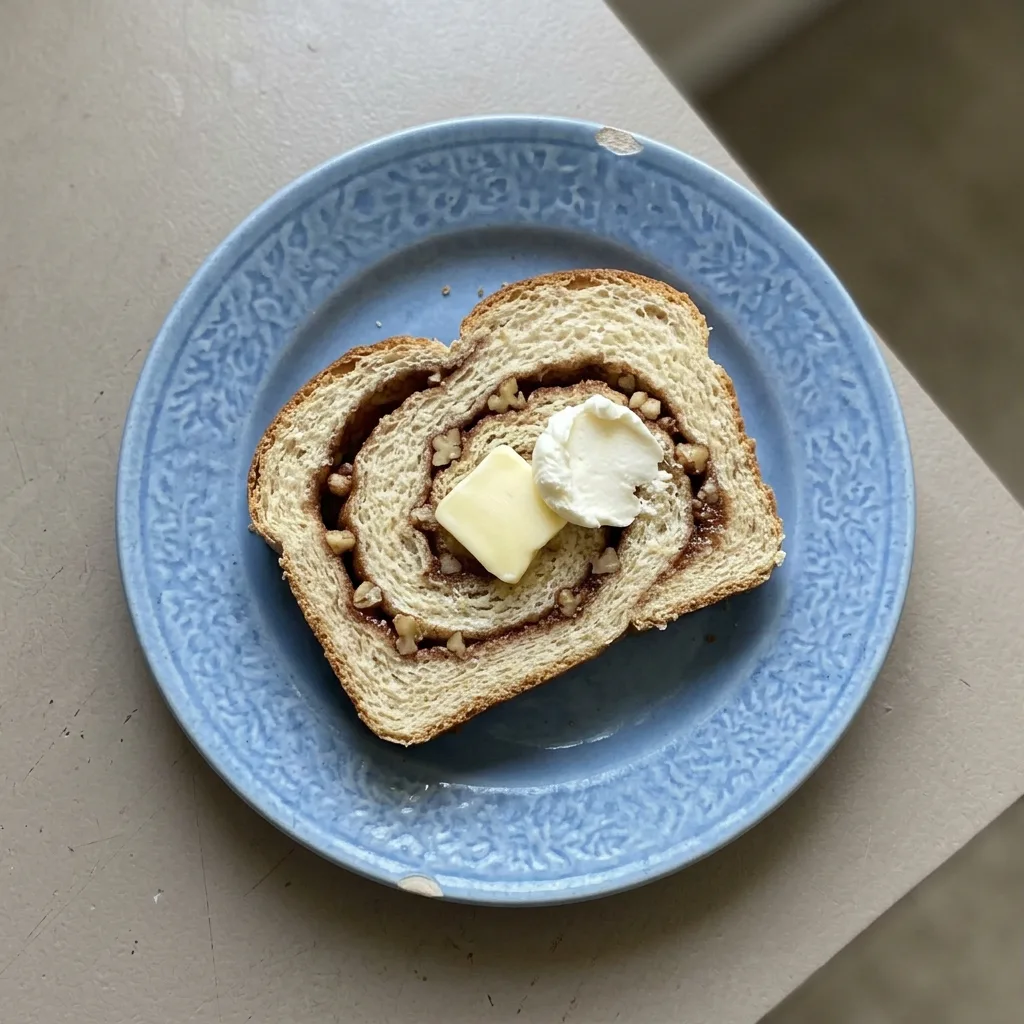
Cut the bread and serve while warm, accompanied by butter or cream cheese.
Storage and Serving
This bread is best the day it’s baked, when the crust is crisp and the swirl is soft. Serve it warm with butter or cream cheese within a few hours of cooling.
After day one, the crust softens and the crumb firms up. Store leftover slices in an airtight container at room temperature for up to 3 days. To restore some softness, microwave a slice for 10 seconds.
For longer storage, wrap the whole loaf tightly in plastic wrap and foil, then freeze for up to 3 months. Thaw at room temperature, then reheat in a 300°F oven for 10 minutes to revive the crust. Do not refrigerate; it dries out the bread faster.
Swap the dairy, keep the rise
Warm milk: Any unsweetened non-dairy milk (almond, oat, soy) works. Use the same amount. The loaf will be slightly less tender and may have a softer crumb.
Oat milk gives the closest texture to dairy; almond milk makes the bread a bit drier.
Melted butter: Coconut oil or vegan butter, same amount. Melt it first.
Coconut oil adds a slight coconut scent and makes the crumb a little firmer at room temperature. Vegan butter behaves nearly identically to dairy butter.
Sugar: Honey or maple syrup, same volume. Use liquid sweeteners. Honey or maple syrup add distinct flavor and more moisture.
The dough may feel stickier during kneading; the bread will brown faster, so check the crust near the end.
Chopped nuts: Omit or substitute seeds (sunflower, pumpkin) or dried fruit. No need to adjust amount. Omitting nuts makes a simpler loaf with a cleaner swirl.
Seeds add crunch but don’t toast the same way. Dried fruit adds moisture pockets, be careful not to add too much or it weighs down the swirl.
Tips
- Proof the yeast in the warm milk with a pinch of sugar for 5 to 10 minutes before adding to the flour; if it doesn’t foam, the yeast is dead and you need a new batch.
Frequently Asked Questions
Can I make this cinnamon bread without a bread machine?
Yes. Knead the dough by hand for 10 minutes until smooth and elastic, then let it rise until doubled.
Shape it into a loaf, flatten, spread the cinnamon-sugar mixture, roll up tightly, and place in a greased loaf pan. Let it rise again, then bake at 350°F for 30 to 35 minutes.
The crumb will be slightly denser than the machine version, but the swirl stays intact.
Why did my cinnamon swirl sink to the bottom of the loaf?
Most likely the dough was too soft or under-kneaded before you added the swirl. Bread flour’s high protein builds enough structure to hold the sugar; without it, the weight drags the swirl down. Check that your dough felt tacky but not sticky after kneading, and that you didn’t add the swirl too early, wait until after the second rise when the dough has firmed up.
Can I prepare the dough the night before and bake it in the morning?
You can, but you’ll lose some oven spring. After the first rise, punch the dough down, wrap it tightly, and refrigerate overnight. The next morning, let it come to room temperature for about an hour, then shape and add the swirl as directed.
The cold fermentation develops flavor, but expect a slightly tighter crumb than the same-day version.