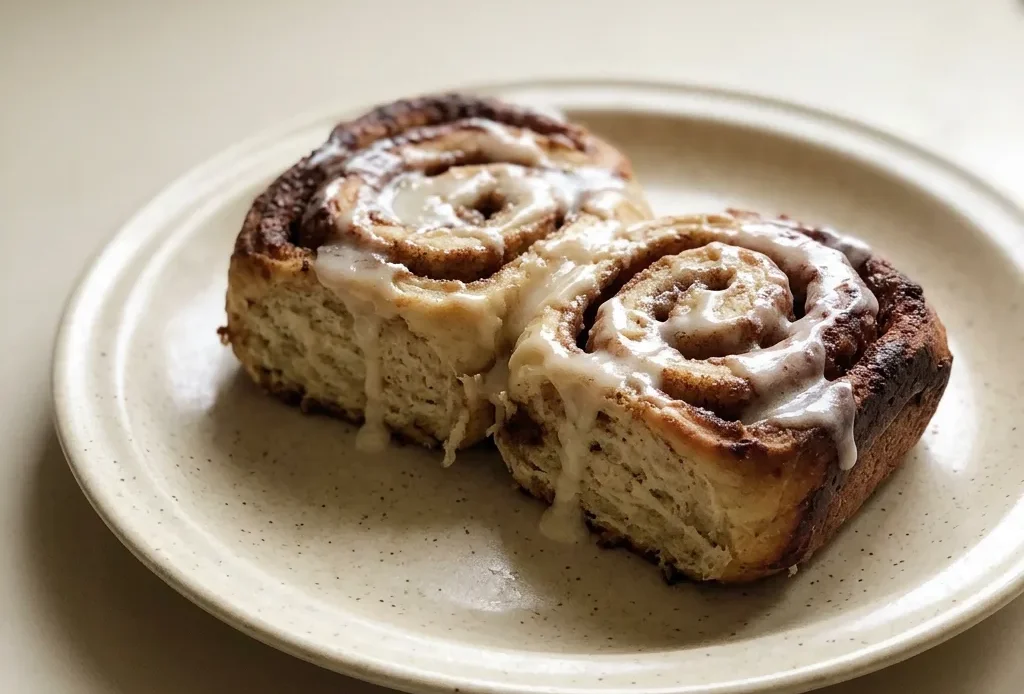
This isn’t a complicated, afternoon-long baking project. These cinnamon rolls bread machine bring the classic breakfast treat within reach on a weekday morning, the machine handling the sticky dough so you don’t have to.
Let the bread machine do the work
For cinnamon rolls that come out soft and fluffy every time, the dough cycle is your best friend. It mixes and kneads the dough while you do other things, no hand-kneading or guessing when it’s ready.
The machine’s timing controls yeast activation and gluten development, so you get a consistent, elastic dough without overworking it. That makes the rolls tender, not tough. If you’ve ever fought with sticky dough that springs back, the bread machine handles that part cleanly.
Roll and shape for distinct swirls
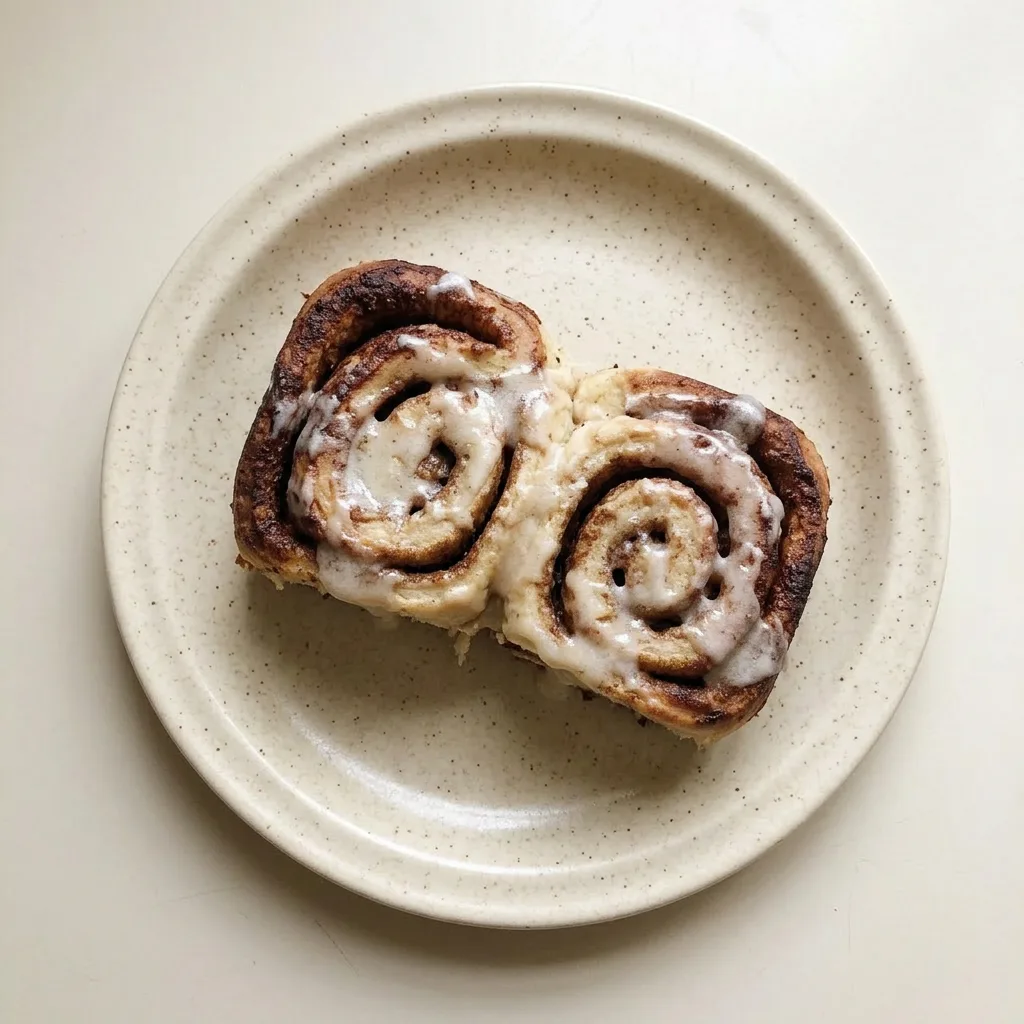
Rolling the dough into a rectangle spreads the filling evenly across every bite. Tight rolling keeps the cinnamon-sugar mixture sandwiched between layers, so you get clean, defined spirals instead of gaps or uneven pockets. Cutting the log into equal pieces also matters: it lets each roll bake at the same rate, no burnt edges or raw centers.
Swirls that hold their shape look good, but more importantly, they deliver cinnamon flavor in every forkful.
Icing that seeps in while warm
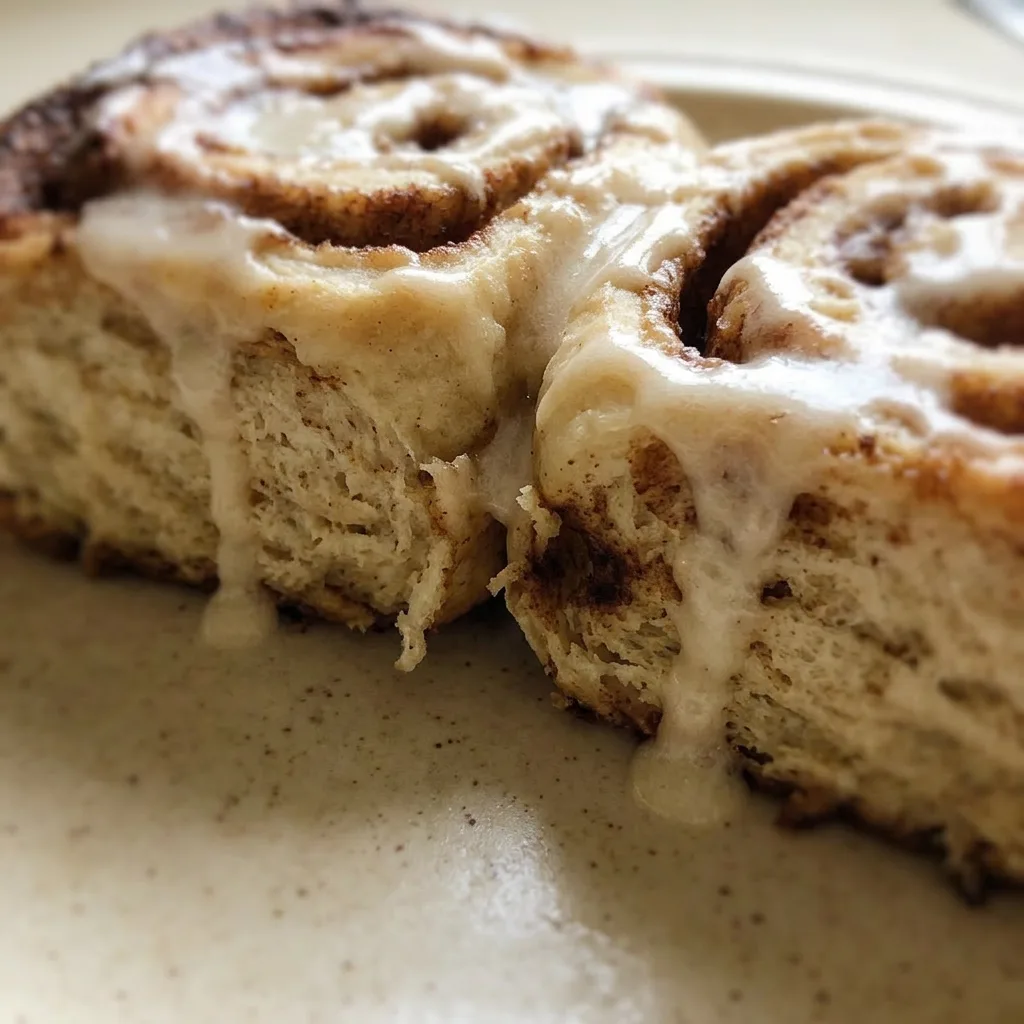
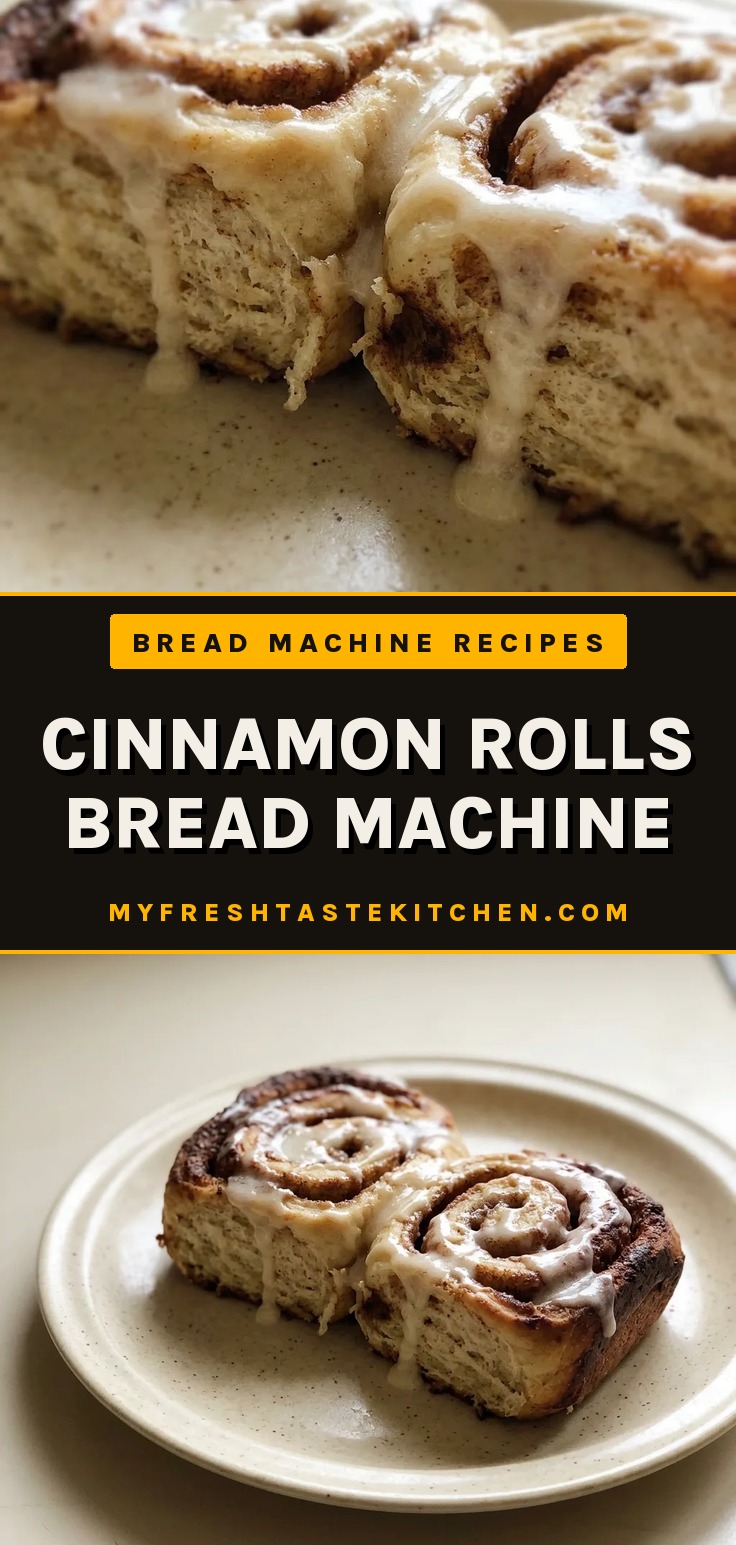
A simple glaze of powdered sugar, butter, vanilla, and milk turns these rolls into something special. When you drizzle it over warm rolls, the icing melts slightly and soaks into the crevices, adding moisture and sweetness right where you want it.
The glaze stays creamy and doesn’t overwhelm the cinnamon-brown sugar filling. It balances the richness without making the whole thing cloying. That first bite with icing clinging to the spiral is what you’re after.
Prep: 20 min · Cook: 20 min · Total: 40 min · Servings: 4 · Calories: 300 kcal
What to know about the ingredients
Active dry yeast: Make sure it’s fresh and not expired; proof in the warm milk for 5 minutes if you’re unsure.
Warm milk: Heat to about 110°F, hot but not scalding, to activate the yeast without killing it.
Brown sugar: Use light brown for mild caramel flavor; dark brown works but is stronger.
Ground cinnamon: Fresh cinnamon from a jar less than 6 months old gives the strongest spice punch.
Powdered sugar: Sift it if lumpy to keep the icing smooth without graininess.
Shape and bake for clean cinnamon spirals
Roll into a rectangle
On a floured board, roll the dough into a rectangle about 1/4-inch thick. If it springs back, let it rest a minute then roll again, you want an even thickness for uniform swirls.
Fill and roll tightly
Brush with melted butter, then sprinkle brown sugar and cinnamon evenly. Roll from the long side, pinching the seam. Tight rolling gives you distinct spirals; loose rolling leaves gaps.
Cut and arrange
Cut the log into 4 equal segments. Place cut-side up in a greased pan, spaced slightly apart. They’ll rise and touch, baking into soft rolls with no raw centers.
Bake until golden
Bake at 350°F for 20 minutes. The tops should be light golden and the edges just pulling from the pan. Overbaking dries them out, so check at 18 minutes if your oven runs hot.
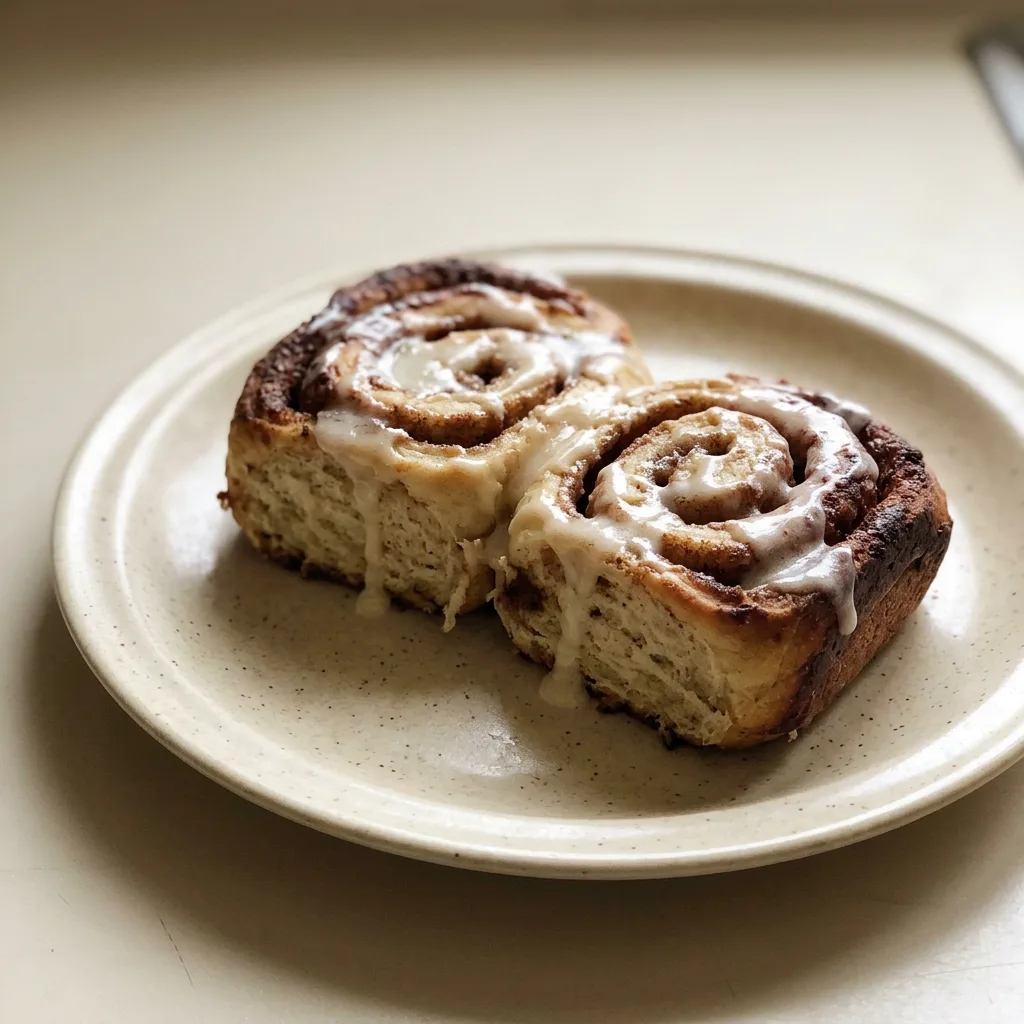
Cinnamon Rolls Bread Machine
Ingredients
Method
Mix Dough in Machine:
Combine all dough components (flour, sugar, salt, warm milk, melted butter, yeast) in the bread maker and choose the ‘Dough’ cycle.Roll Dough Rectangle:
After the dough finishes, on a floured surface roll it into a rectangle.Fill and Cut Rolls:
Brush melted butter over the dough, then uniformly distribute brown sugar and cinnamon. Tightly roll into a log, slice into even pieces, and arrange in a buttered pan. Allow to proof.Bake at 350°F:
Cook at 350°F (175°C) for 20 minutes.
Make and Pour Icing:
To prepare the icing, mix powdered sugar, melted butter, vanilla extract, and milk until homogeneous. Pour over warm cinnamon rolls.
Swap dairy or sugar, but keep the yeast happy
Milk (dough): Unsweetened almond, oat, or soy milk, warmed to 110°F. The rolls will be slightly less tender and rich, but still soft. Use any unsweetened plain plant milk; avoid flavored or vanilla varieties, which add off-notes.
Butter (dough and filling): Vegan butter or coconut oil (melted, then cooled slightly). Vegan butter mimics butter’s fat content and keeps a similar texture.
Coconut oil makes the dough a bit firmer and the rolls less tender; the filling may pool slightly. Either works, but the rolls won’t be as fluffy.
Brown sugar (filling): Coconut sugar or maple sugar. Coconut sugar gives a less sweet, more caramel-like flavor but doesn’t dissolve as well, so the filling may be a bit grainy.
Maple sugar is closer in sweetness and texture. Use the same amount by volume.
Powdered sugar (icing): Powdered coconut sugar or DIY powdered sugar from granulated sweetener. Powdered coconut sugar gives a brownish, less sweet glaze with a slight grain. DIY powdered sugar (blend granulated sugar with a pinch of cornstarch) works but clumps faster.
The icing won’t be as smooth or white.
Tips
- When shaping the dough into a rectangle, use a lightly oiled rolling pin instead of flour to avoid toughening the dough; the bread machine dough is already slightly sticky, and extra flour can make the rolls dense.
- After cutting the log into segments, gently press down each piece with your palm to flatten slightly before arranging in the pan; this ensures even baking and prevents the center from doming above the edges.
Storage and Serving
Store cooled rolls in an airtight container at room temperature for up to 2 days. Refrigerate for up to 5 days, but the rolls will firm up.
Reheat refrigerated rolls in a 300°F oven for 5 minutes or microwave for 15 seconds to restore softness. The icing is best drizzled just before serving; if you plan to store leftovers, keep the icing separate and add it after reheating.
Freezing is not recommended for assembled rolls, as the texture suffers. To make ahead, prepare through step 4, then cover and refrigerate unbaked rolls for up to 12 hours; let come to room temperature before baking.
Serve warm for the best texture, within 20 minutes of icing.
Frequently Asked Questions
Can I make the dough in the bread machine the night before and bake in the morning?
Yes, you can make the dough in the bread machine the night before, but you’ll need to refrigerate the shaped rolls after cutting. After the dough cycle, roll, fill, and cut the rolls, then place them in the greased pan, cover tightly, and refrigerate for up to 12 hours.
In the morning, let them come to room temperature, about 30 minutes, until they look puffy, then bake at 350°F for 20 minutes. The cold dough slows the rise, so don’t rush the room-temp stage; you want the rolls visibly risen before they hit the oven.
Why did my cinnamon rolls turn out dense instead of fluffy?
Dense rolls usually mean the dough didn’t rise enough before baking. Check that your milk was warm (about 110°F) to activate the yeast, too hot kills it, too cool stalls it. Active dry yeast also needs to be fresh; if it’s old, it won’t generate enough gas.
Another cause: overworking the dough when rolling or cutting can deflate the air pockets. The dough cycle handles kneading, so handle it gently after that. The rolls should double in size during the rise; if they don’t look puffy, let them sit longer.
How do I store leftover cinnamon rolls and keep them soft?
Store cooled rolls in an airtight container at room temperature for up to 2 days. If you refrigerate them, they’ll keep up to 5 days but will firm up. To restore softness, reheat refrigerated rolls in a 300°F oven for 5 minutes or microwave for 15 seconds.
The icing is best added fresh after reheating, so store it separately if you plan leftovers. Avoid freezing assembled rolls, the texture suffers, but you can freeze unbaked shaped rolls and bake from frozen, adding a few minutes to the bake time.