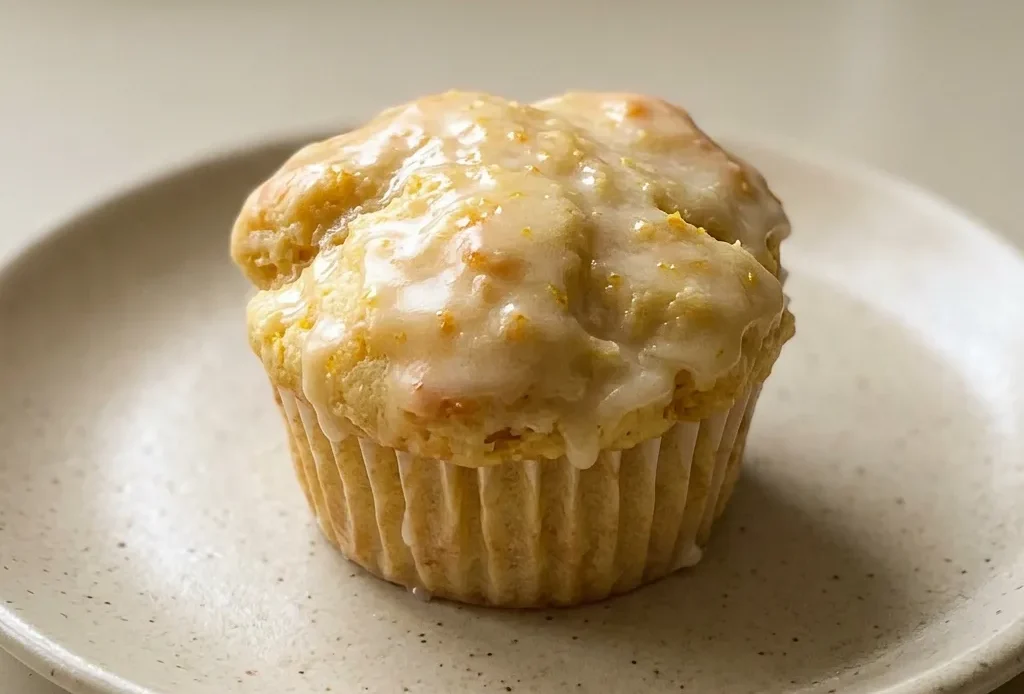
Rubbing orange zest into sugar until the mixture turns pale and smells like you just peeled the fruit takes about 30 seconds, but it’s the step that makes or breaks the citrus punch in these orange vanilla buttermilk muffins. Skipping that finger work leaves you with a weak, one-note flavor no amount of juice can fix. The rest of the batter comes together fast, and the technique is forgiving, lumps are fine, overmixing is the real enemy.
You get a tall, tender crumb and a glossy glaze that clings without running off, as long as you follow the warm-muffin rule. These aren’t muffins that fade after the first bite; the orange stays present through the whole thing.
Orange Zest in Sugar
Rubbing zest into sugar before adding any liquid extracts the essential oils. That fragrant, slightly moist mixture you see is the oils released. They cling to the sugar crystals, so when you whisk in the flour, the flavor distributes evenly through every crumb.
No clumps of zest, no weak spots, just a punch of orange in every bite. You can smell it before the muffins even hit the oven.
A Rest Before Baking
Letting the batter sit for 10 minutes does two things you can see. The flour soaks up the liquid, so the crumb turns out tender, not tough. And the baking powder and soda start working, creating bubbles that push the tops high during baking.
You’ll notice the batter thickens slightly. That’s the structure setting up. Skip this rest and the muffins may come out flat or dense.
Starting Hot, Then Low
Now I always start at 425°F for 5 minutes to get that initial steam burst, then lower the temperature without opening the oven. That high heat forces the batter to dome fast, giving you a puffy top.
Dropping to 350°F lets the center bake through gradually. If you left it at 425°F the whole time, the outside would darken before the middle sets.
The switch, done shut, keeps the steam in and the rise intact.
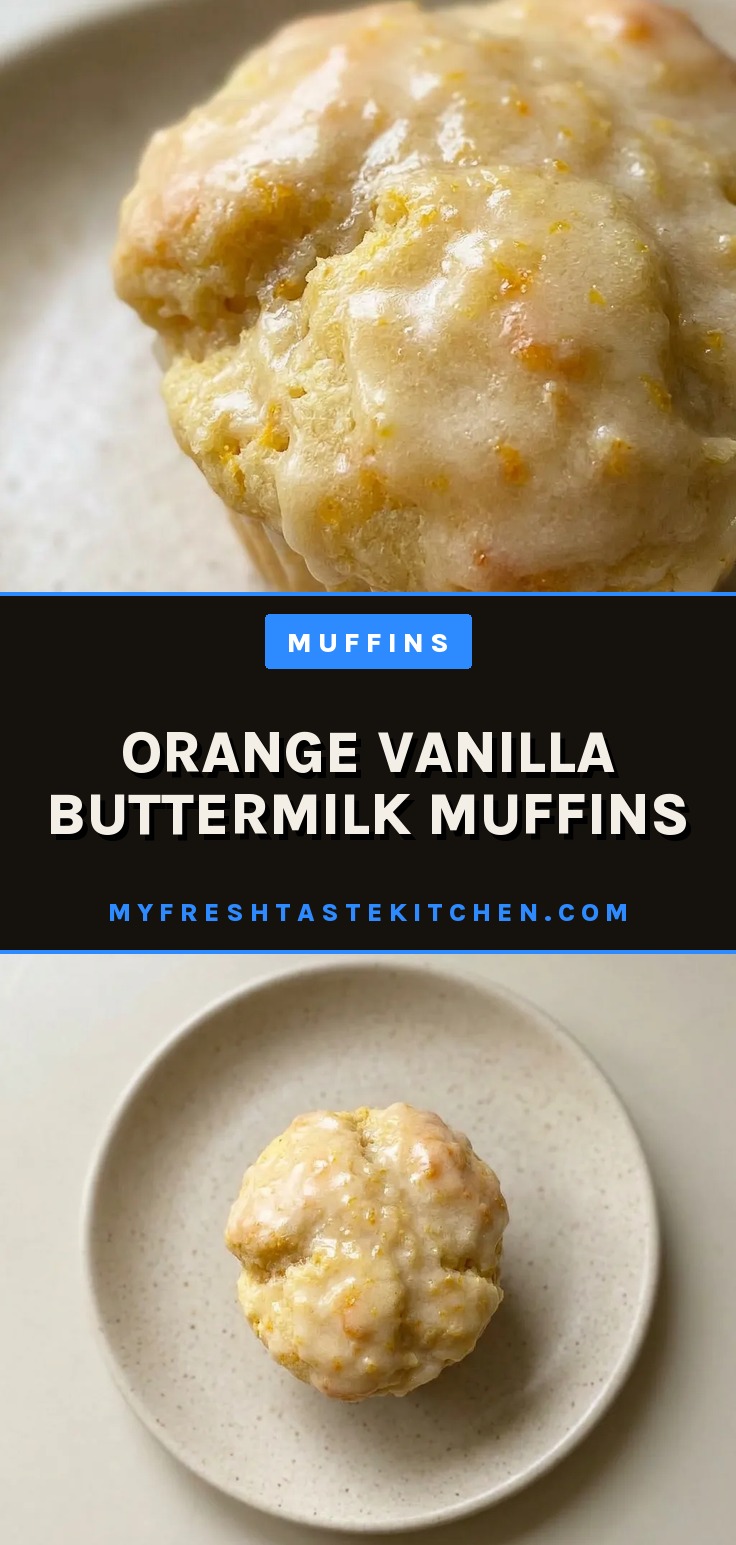
Glaze on Warm Muffins
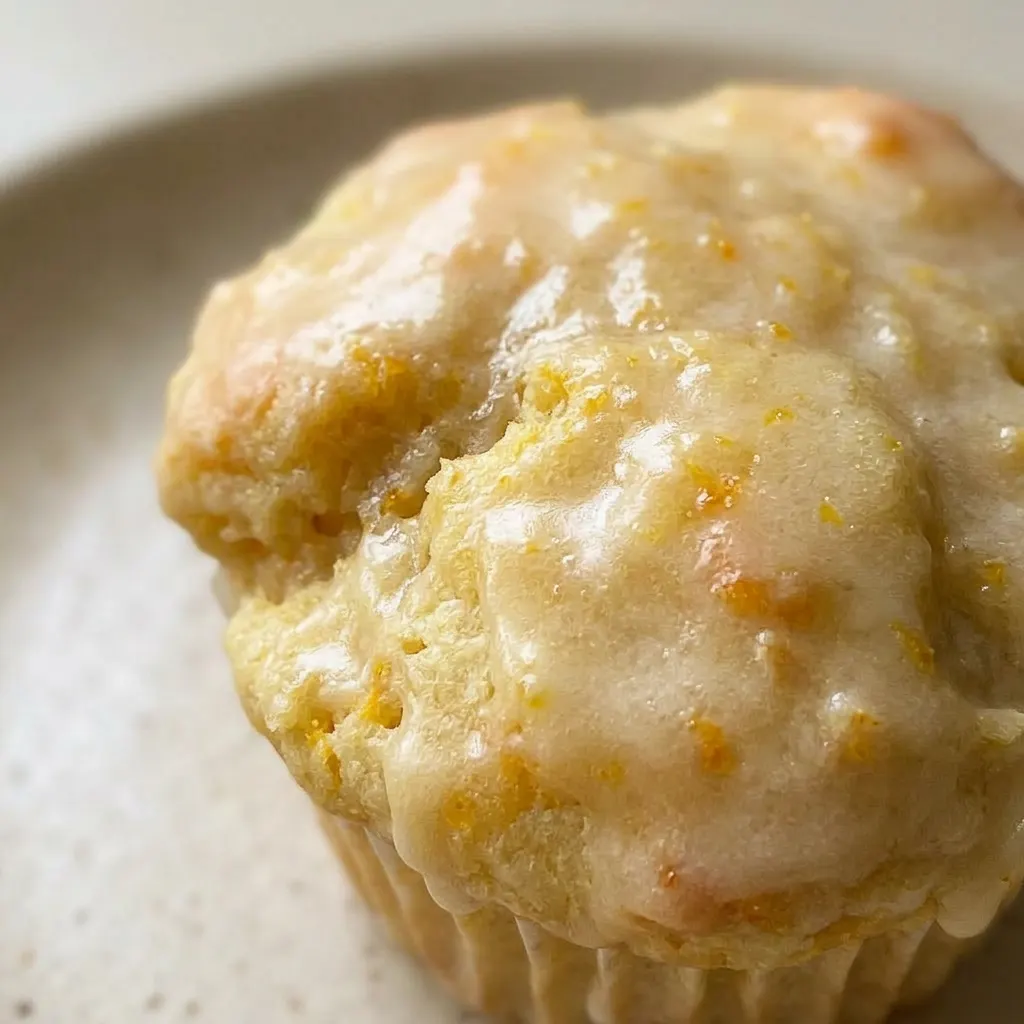
Pouring the glaze while the muffins are still warm gives you a thin, glossy coating that sinks in just a bit. You can see it absorb, the surface stays tacky, not wet. As the muffins cool, the glaze firms up enough that it won’t run off the sides.
Too cold and the glaze just sits on top, thick and opaque. Too hot and it soaks in completely, disappearing.
Warm is the sweet spot for a sheen that clings.
Prep: 15 min · Cook: 17 min · Total: 32 min · Servings: 12 · Calories: 270 kcal
What to Look For in Each Ingredient
Oranges: You need 2 large oranges for 2 tablespoons zest and 2 tablespoons juice, so pick ones that feel heavy for their size.
Buttermilk: Room temperature buttermilk blends evenly into the batter, so take it out 30 minutes before mixing or warm it gently.
Unsalted Butter: Melt and cool the butter until it’s just warm, not hot, so it doesn’t scramble the eggs when combined.
Confectioners’ Sugar: Sift the confectioners’ sugar if it’s clumpy, or your glaze will have small white lumps that won’t dissolve.
Making the Batter: Rub, Rest, and a Hot Start
Rub zest into sugar
Press the zest into the sugar with your fingers until the mixture turns pale yellow and smells intensely of orange. That moist, fragrant sugar means the oils are released, keep rubbing until no dry white remains.
Whisk dry ingredients
Whisk the flour, baking powder, and baking soda into the sugar-zest mix. Look for an even color with no streaks of white; lumps can stay, but the leaveners must be distributed.
Combine wet ingredients
In a separate bowl, whisk the buttermilk, orange juice, melted butter, eggs, and vanilla until smooth and slightly frothy. The butter should be fully incorporated, not floating on top.
Fold wet into dry
Pour the wet mixture into the dry and stir with a spatula just until no dry flour remains. The batter will be thick and lumpy, stop immediately. Overmixing makes the crumb tough.
Rest the batter
Let the batter sit at room temperature for 10 minutes. You’ll see it thicken slightly as the flour hydrates. This rest helps the muffins dome high and stay tender.
Fill the cups
Divide the batter among the 12 muffin cups, filling each almost to the brim. A generous fill gives you those domed tops; skimpy fill yields flat muffins.
Start hot, then lower
Bake at 425°F for exactly 5 minutes, then reduce the oven temperature to 350°F without opening the door. The initial high heat forces a rapid rise; the lower temp finishes the center without burning the edges.
Check for doneness
After the second bake time, insert a toothpick into the center of a muffin. It should come out with a few moist crumbs but no wet batter. If still gooey, bake another 1 to 2 minutes.
Glaze while warm
Drizzle the glaze over the warm (not hot) muffins. Watch it sink in slightly and become glossy, that’s the ideal tacky finish. If it pools on top, the muffins are too cool.
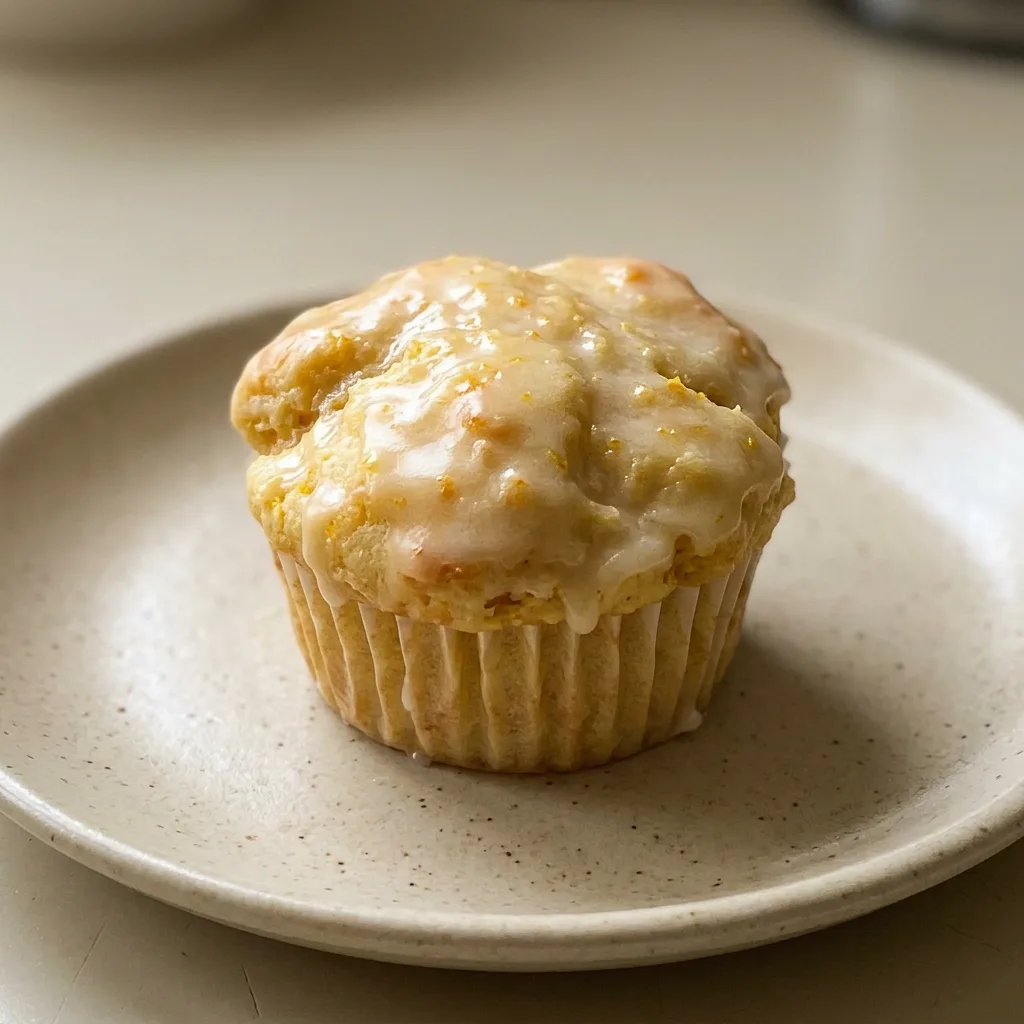
Orange Vanilla Buttermilk Muffins
Ingredients
Method
Preheat Oven and Prep Pan:
Set oven to 425°F (220°C). Line a standard 12-cup muffin pan with paper liners or coat well with nonstick spray.Zest and Juice Oranges:
Zest and juice the oranges, as both are needed for the batter.Rub Zest into Sugar:
In a large bowl, combine the granulated sugar and orange zest. Using your fingers, rub the zest into the sugar for 30 to 60 seconds until the mixture becomes fragrant and the sugar appears slightly moist; this extracts the essential oils for maximum orange flavor.Whisk Dry Ingredients:
Whisk in the flour, baking powder, and baking soda until evenly distributed.Mix Wet Ingredients:
In a separate medium bowl, whisk the buttermilk, fresh orange juice, melted butter, eggs, and vanilla extract until the mixture is smooth.Combine Wet and Dry:
Add the wet mixture to the dry ingredients and stir just until incorporated. The batter will be thick with a few lumps; avoid overmixing.Rest Batter 10 Minutes:
Allow the batter to sit at room temperature for 10 minutes before baking. This resting period hydrates the flour and promotes taller muffin tops.Fill Muffin Cups:
Distribute the batter evenly among the prepared muffin cups, filling them almost to the brim.Bake at High Then Low:
Bake at 425°F (220°C) for 5 minutes. Then, without opening the oven door, lower the temperature to 350°F (175°C) and continue baking for 12 to 15 minutes, until a toothpick inserted in the center comes out with a few moist crumbs but no wet batter.Cool Muffins in Pan:
Cool the muffins in the pan for 5 minutes, then move them to a wire rack to cool further.
Make Orange Glaze:
For the glaze, whisk together the confectioners’ sugar and orange juice in a small bowl until smooth.Glaze Warm Muffins:
Drizzle the glaze over the warm muffins. Let them rest for about 10 minutes to allow the glaze to set slightly.
Storage and Serving
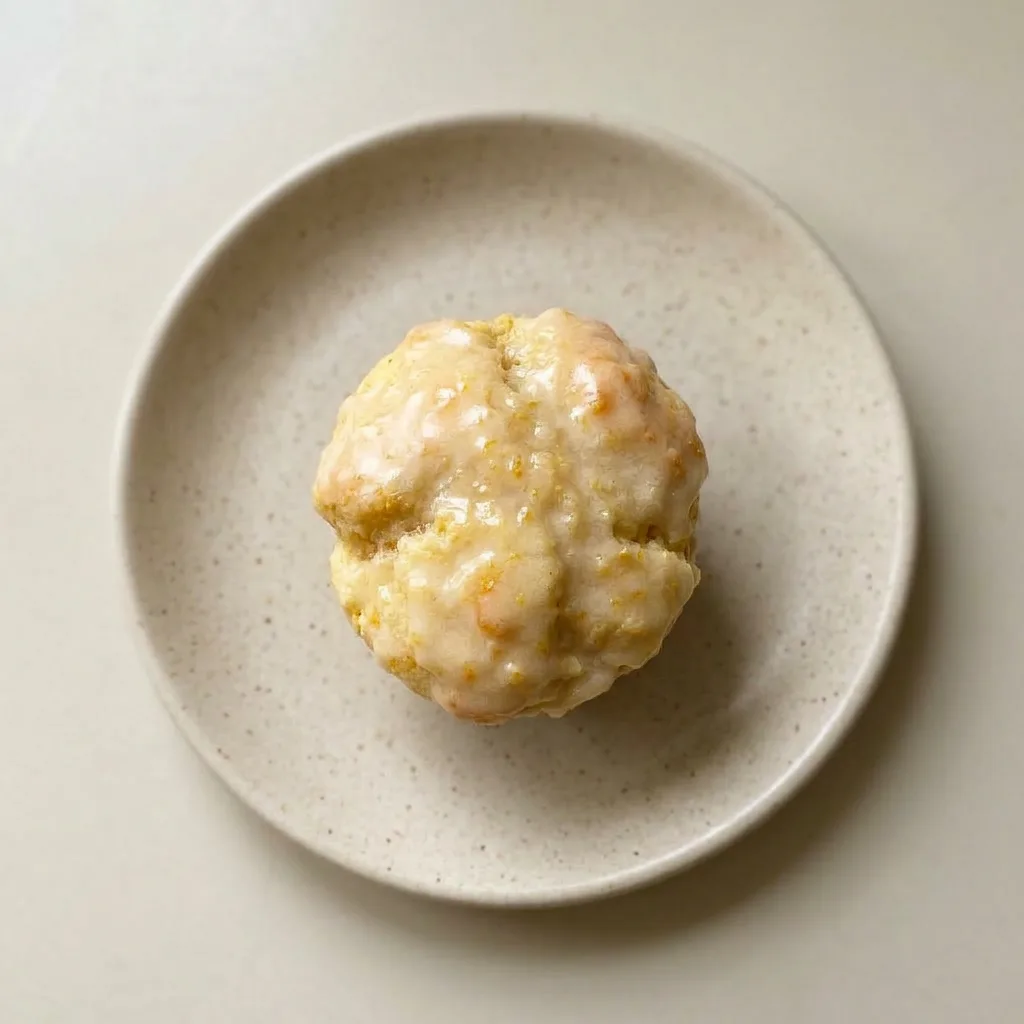
For the best texture, serve these muffins within a few hours of glazing. The glaze stays glossy and the crumb is tender.
Store leftover glazed muffins in an airtight container at room temperature for up to 2 days. After that, the glaze softens and the muffins start to dry out.
To freeze, skip the glaze. Wrap unglazed muffins individually in plastic wrap, then place in a freezer bag.
They keep for up to 3 months. Thaw at room temperature, then reheat in a 350°F oven for 5 minutes to restore the fresh-baked texture.
Glaze right before serving. Do not refrigerate glazed muffins; the moisture makes the glaze sticky and the crumb gummy.
Tips
- Bring eggs to room temperature quickly by placing them in a bowl of warm tap water for 5 minutes before cracking.
- If your buttermilk is cold, warm it in the microwave on low power in 10-second bursts until it reaches about 70°F, stirring between bursts.
Swapping Buttermilk Without Losing the Tender Crumb
Buttermilk: Whole milk plus 1 teaspoon lemon juice or white vinegar, let sit 5 minutes until curdled. You lose a little tang, but the acid still reacts with the baking soda, so the rise stays tall and the crumb stays tender.
Buttermilk: Unsweetened almond or oat milk plus 1 teaspoon lemon juice or vinegar. The muffins will be slightly less rich and the crumb a bit more open. The acid still gives a good dome, but the flavor is milder.
Orange juice: Lemon juice in the same amount. Swaps the orange flavor for a brighter, tarter citrus. The muffins are still moist and the glaze sets the same way.
All-purpose flour: Gluten-free 1-to-1 flour blend (with xanthan gum). The crumb will be more delicate and a little grittier. The top may not dome as high, so fill the cups more to compensate.
Frequently Asked Questions
Can I make the muffin batter ahead of time and bake later?
Not really, the batter’s leaveners start reacting during the 10-minute rest, and the lift comes from baking immediately after. If you hold it, the bubbles deflate and the muffins turn dense. You can bake the muffins fully, skip the glaze, and freeze them for up to 3 months instead.
Why did my muffins turn out dense instead of fluffy?
Most likely you overmixed the batter after adding the wet ingredients. Stir just until no dry flour remains, lumps are fine. Another cause: skipping the 10-minute rest, which lets the flour hydrate and the leaveners start working.
Finally, check that your baking powder and soda are fresh.
How do I get the glaze to stay on top without dripping all over?
Glaze the muffins while they’re still warm, the thin, glossy coating sinks in slightly and sets as they cool. If the muffins are too hot, the glaze soaks in completely; too cold, it sits thick and runs off. Let the glazed muffins rest about 10 minutes to firm up before serving.
Can I use this recipe to make mini muffins or a loaf instead?
Yes, but the bake times will change. For mini muffins, start checking at 8 to 10 minutes total (still using the hot-start method). For a loaf, pour the batter into a greased 9×5-inch pan and bake at 350°F for 45 to 55 minutes, until a skewer comes out clean.
Don’t skip the 10-minute batter rest for either.
