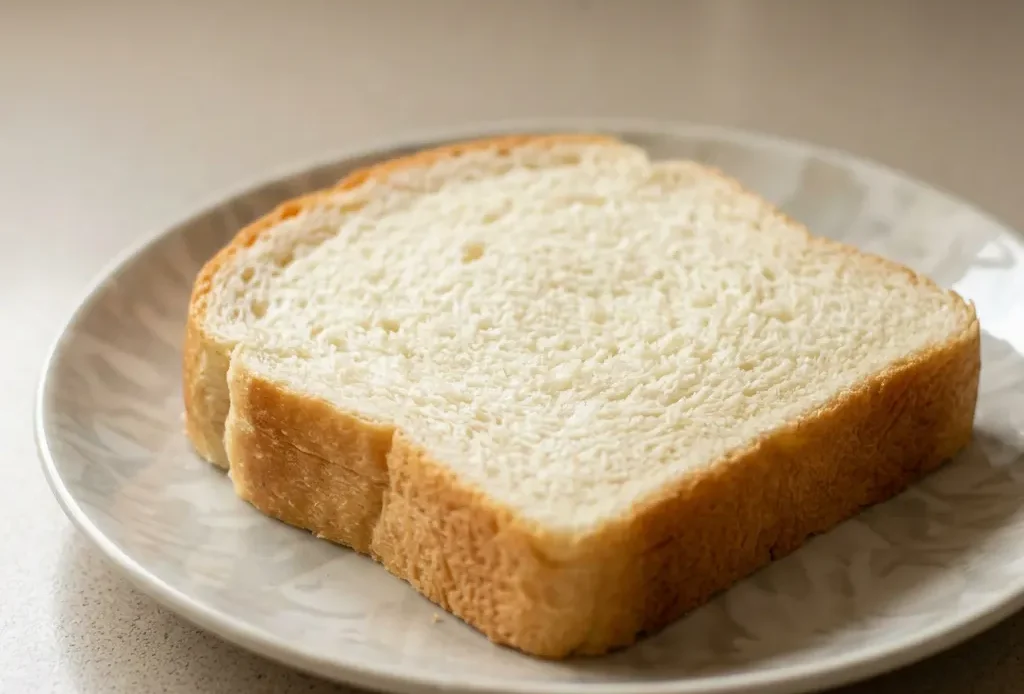
Most home bakers kill the yeast before it gets a chance to work. They add it to hot tangzhong or dump it right on top of cold dairy, and the dough never rises properly. This Japanese milk bread bread machine recipe avoids that pitfall by layering ingredients in the right order: yeast goes into a well of flour, away from liquid until mixing starts.
That single detail, plus a tangzhong that locks in moisture, is what separates a tall, cloud-soft loaf from a dense brick. The technique is forgiving once you understand the timing, especially when to add the butter, too early and the fat coats the gluten before it can form; three minutes of kneading first makes all the difference.
Why tangzhong is essential
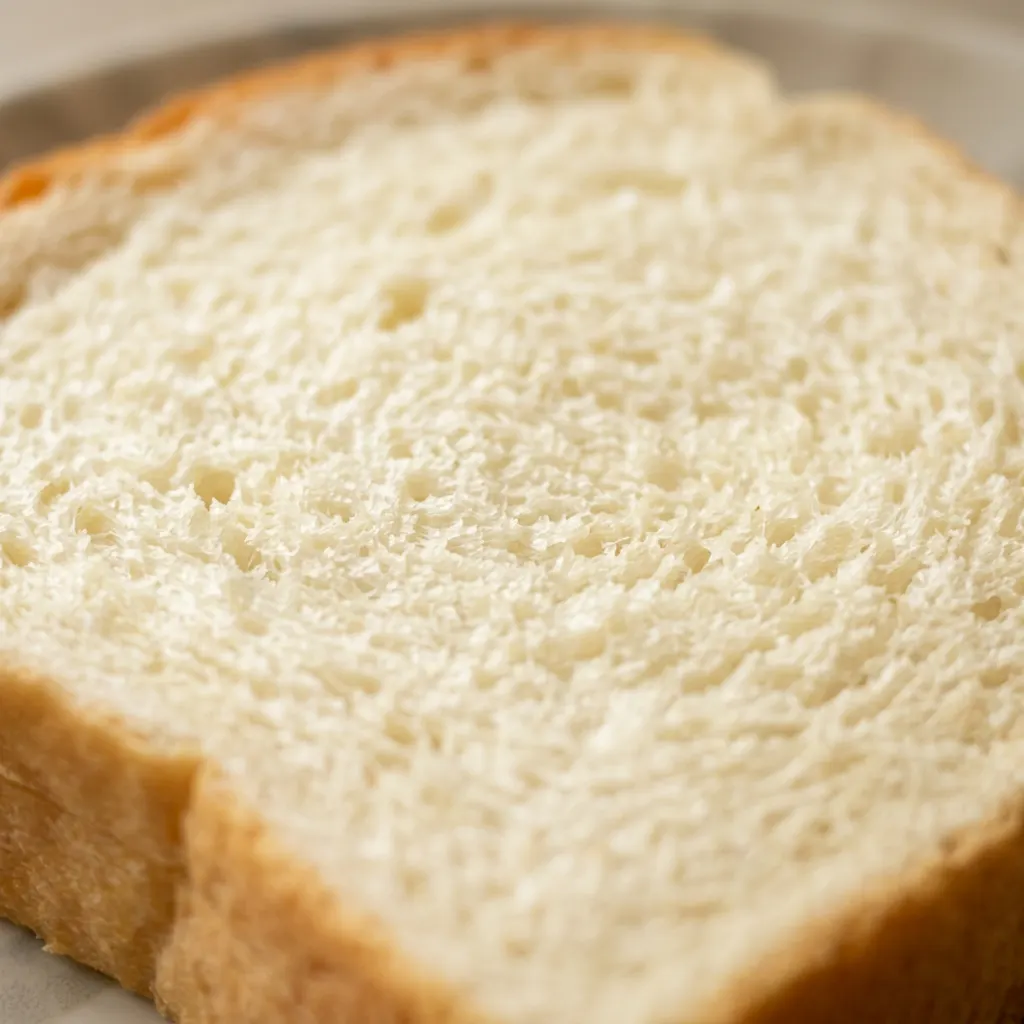
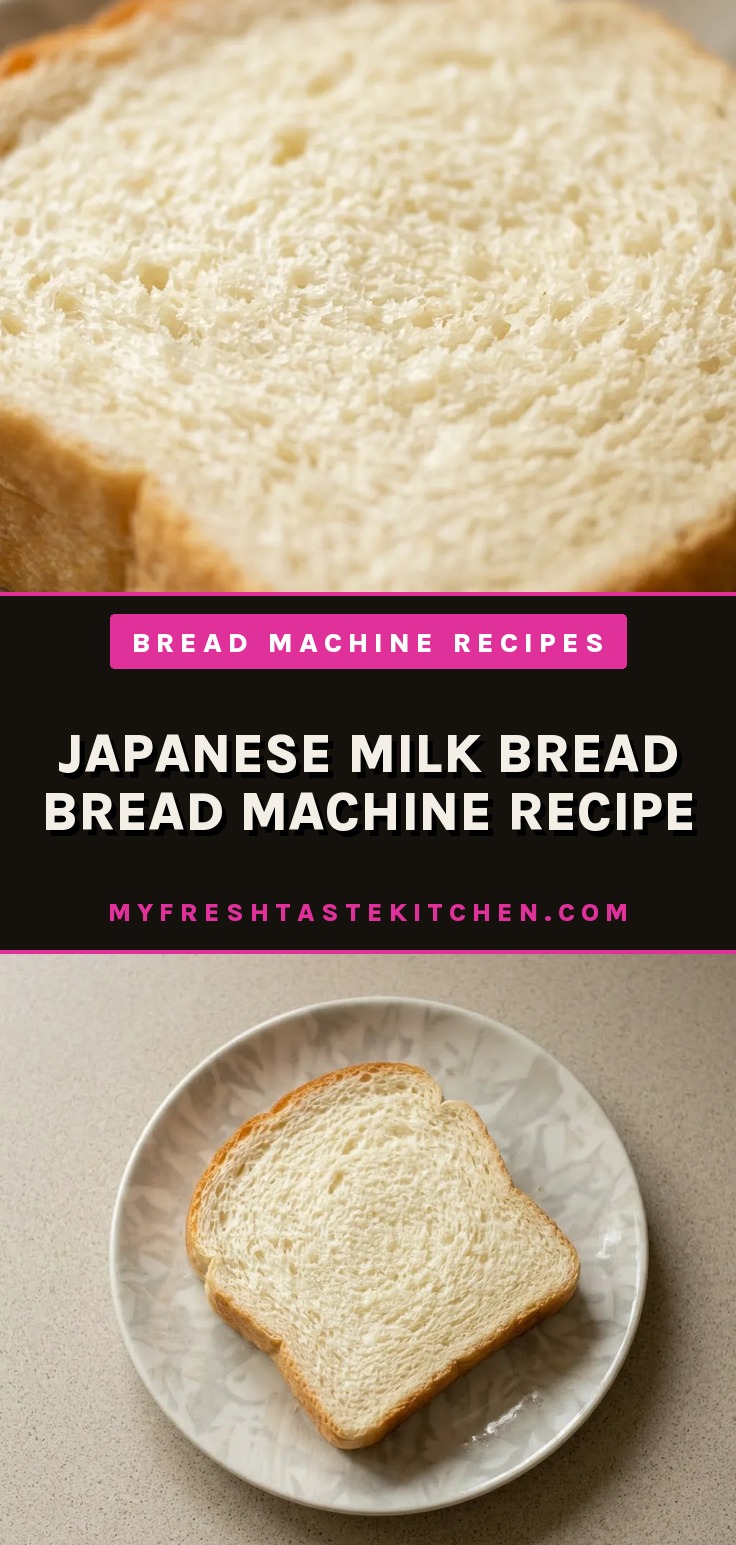
Tangzhong, a cooked flour-water-milk paste, is what gives Japanese milk bread its characteristic soft, fluffy crumb that stays tender for days. By gelatinizing the starches before mixing them into the dough, the tangzhong locks in moisture that would otherwise evaporate during baking and storage. This extra hydration prevents the bread from staling quickly and creates a fine, soft texture you can feel when you tear a slice.
The key is the ratio: roughly 1 part flour to 5 parts liquid by weight. Too little liquid and the paste won’t thicken properly; too much and the dough becomes slack. When done right, the tangzhong blends seamlessly into the dough, and the finished loaf springs back when lightly pressed.
Milk, cream, yogurt, butter, what each adds
This bread uses a quartet of dairy ingredients, each contributing something different. Cream and yogurt add fat and a subtle tang that balances the sweetness. Milk powder boosts browning and reinforces the soft crumb without thinning the dough like liquid milk would.
Butter is added later during kneading, not at the start, because early addition coats the flour proteins and slows gluten development. By waiting until the dough comes together, you get a stronger, more elastic structure that can support the rich dairy load.
The result is a loaf that tastes buttery and slightly tangy, not just sweet, with a tender, moist crumb. If you skip any one of these, you’ll notice a difference in richness or texture.
Why the bread machine handles this dough best
Japanese milk bread dough is soft, sticky, and enriched with fat, exactly the kind of dough that benefits from a bread machine’s consistent kneading. The machine’s steady speed and enclosed environment prevent the dough from sticking too much and keep the temperature even. A critical window comes early: adding butter after a few minutes of kneading ensures the gluten network forms properly before the fat coats the proteins.
During that initial mix, you should peek to check consistency, if the dough feels dry and stiff, add a splash of milk; if it’s slack and pools, sprinkle in a little flour. Adjustments are normal; the dough should feel tacky but not sticky when you touch it.
Once the machine takes over the proofing and baking, you get a risen loaf without handling the sticky dough yourself. That’s the real advantage: the machine does the work, and the results stay consistent batch after batch.
Prep: 15 min · Cook: 3 hr 5 min · Total: 3 hr 20 min · Servings: 1 · Calories: 2830 kcal
Ingredient notes for Japanese milk bread
Bread flour: Use bread flour, not all-purpose. Its higher protein builds the strong gluten network this enriched dough needs.
Instant yeast: Instant yeast doesn’t need proofing. Add it directly to the flour, away from the liquid until mixing starts.
Unsalted butter: Soften the butter to room temperature. Cold butter won’t incorporate evenly and can slow gluten development.
Yogurt: Use plain, full-fat yogurt. Greek yogurt works but may make the dough slightly stiffer; add a splash of milk if needed.
I always add the softened butter in three small chunks, waiting for each to disappear before the next, even though it feels fussy. It keeps the dough from turning into a greasy puddle.
Watch the dough, not the clock
Cook the tangzhong
Whisk flour, milk, and water in a small saucepan until smooth. Cook over medium-low, stirring constantly, until it thickens to a custard-like paste, about 2 to 3 minutes.
You’ll see it pull away from the sides and form a smooth, thick mass. Stop there, don’t let it brown.
Cool and thin the tangzhong
Stir in the milk and cream from the main dough. This cools the paste and loosens it into a thick slurry.
It should be spreadable, not stiff. If it clumps, whisk until smooth.
No lumps should remain or they’ll show in the crumb.
Layer ingredients in the bread machine pan
Pour the tangzhong mixture into the pan. Add yogurt, sugar, salt, milk powder, then all the flour.
Make a well in the flour and add the yeast. Keep yeast away from liquid until mixing starts, premature contact can kill it.
Start the machine and add butter at the right time
Set to Basic Bread, 2 lb loaf, medium crust. Press start. After 3 to 4 minutes of kneading, when the dough comes together into a shaggy mass, add softened butter a piece at a time.
The dough will look greasy at first but will smooth out.
Check and adjust dough consistency during kneading
Open the lid only during kneading, not proofing or baking. The dough should feel tacky but not sticky, press it with a finger; it should barely stick. If it’s stiff and dry, add milk a teaspoon at a time.
If it pools, add flour a tablespoon at a time.
Let the machine complete the cycle
Close the lid and let the machine finish: knead, rise, punch down, rise again, and bake. Do not open during proofing or baking, the steam and heat are essential.
The loaf will be golden brown and sound hollow when tapped. Cool completely on a wire rack before slicing.
Japanese Milk Bread Bread Machine Recipe
Ingredients
Tangzhong (Roux)
- 1 tbsp plus 1 tsp bread flour 14 g
- 3 tbsp milk 43 g
- 3 tbsp water 43 g
Main Dough
- 3 tbsp plus 1 tsp milk 50 g
- 1/3 cup cream 75 g
- 3 tbsp yogurt 46 g
- 1 tsp salt
- 3 tbsp sugar 40 g
- 2 tbsp plus 2 tsp milk powder 18 g
- 4 cups bread flour 480 g
- 1 1/2 tsp instant yeast
- 1/4 cup unsalted butter, softened 56 g
Instructions
Tangzhong (Roux)
Cook Tangzhong Paste:
In a small saucepan, combine 1 tbsp plus 1 tsp (14 g) bread flour, 3 tbsp (43 g) milk, and 3 tbsp (43 g) water, whisking until smooth. Set over medium-low heat, stirring continuously, for 2–3 minutes until the mixture thickens to a custard-like consistency.Cool Tangzhong Mixture:
Take the pan off the heat and mix in 3 tbsp plus 1 tsp (50 g) milk and 1/3 cup (75 g) cream from the main dough ingredients to cool and thin the mixture.
Main Dough
Add Ingredients to Pan:
Transfer the prepared tangzhong-milk-cream blend into the bread machine pan. Add 3 tbsp (46 g) yogurt, 3 tbsp (40 g) sugar, 1 tsp salt, and 2 tbsp plus 2 tsp (18 g) milk powder. On top, put 4 cups (480 g) bread flour, create a well in the center, and place 1 1/2 tsp instant yeast in it.Select Bread Program:
Select loaf size 1000 g / 2 lb, crust color medium, and the Basic Bread program. Press start to initiate mixing and kneading.Add Butter and Knead:
Around 3–4 minutes into kneading, when the dough forms a mass, gradually add 1/4 cup (56 g) softened butter in small pieces. Knead until the dough becomes smooth, elastic, and slightly tacky but not sticky. At this stage, assess the dough—if too dry, add a small amount of milk; if too sticky, incorporate more flour. (I added 1.5 tbsp milk.) Only open the lid during kneading; avoid opening during proofing or baking.Complete Full Cycle:
Let the machine run through the complete dough cycle—mixing, kneading, rising, and baking. When finished, use oven mitts to take out the pan and carefully turn the bread out onto a wire rack to cool fully.
What you can swap in this milk bread, and what you shouldn’t
Yogurt: Buttermilk or sour cream. Use the same amount. Buttermilk thins the dough slightly; you may need an extra tablespoon of flour.
Sour cream works fine, the dough will feel a bit richer, but the crumb stays soft.
Milk powder: An extra 2 tbsp of bread flour. Skip the milk powder entirely and add 2 more tablespoons of bread flour.
The loaf won’t brown as deeply and will taste less milky, but the texture remains tender. Don’t substitute with liquid milk, it throws off the hydration.
Tangzhong flour and liquid: Don’t substitute the ratio. The 1:5 flour-to-liquid ratio is crucial. Use bread flour, not all-purpose.
If you change the proportions, the paste won’t thicken right and the crumb turns dense. No shortcut here, make the tangzhong as written.
Dairy (milk, cream, yogurt, butter): Dairy-free alternatives. You can swap all dairy with full-fat oat milk (for milk and cream), vegan yogurt, and plant butter. The loaf will be less rich, the crumb slightly drier, and the browning weaker.
Expect a denser slice, not the same soft texture. Start with the same amounts, then add a splash of oat milk if the dough feels stiff.
Storage and Serving
Cool the loaf completely on a wire rack before slicing, or it will turn gummy. Store in an airtight bag at room temperature for up to 3 days; the tangzhong keeps the crumb soft.
For longer storage, slice and freeze in a sealed bag for up to 1 month. Thaw slices at room temperature or toast directly from frozen. The bread is best within the first day, when the crust is still slightly crisp and the crumb is soft.
After that, the crust softens but the interior stays tender. Do not refrigerate, as it accelerates staling.
If making ahead, bake the same day and freeze for best results.
Tips
- If the dough still feels sticky after the full kneading cycle, resist adding extra flour; instead, let it rest for 10 minutes before shaping. The gluten relaxes and the dough becomes less tacky without altering hydration.
- For a taller, more domed top, spray the loaf lightly with water just before the baking cycle starts. The steam delays crust formation, allowing more oven spring.
Frequently Asked Questions
Can I make this bread without a bread machine?
Yes, knead by hand or with a stand mixer. The dough is enriched and sticky, so it takes about 15 minutes of hand kneading or 8 to 10 minutes with a dough hook on medium speed.
Add the butter after the dough comes together, just like in step 5. Let it rise in a covered bowl until doubled, then shape, proof, and bake at 350°F until golden and hollow-sounding. The timing will differ, but the tangzhong method works either way.
Why did my milk bread turn out dense or not rise enough?
Most likely the dough was too dry or too stiff during kneading. Check during step 5: it should feel tacky, not dry.
If it’s stiff, add milk a teaspoon at a time until it softens. Another cause is adding the butter too early, if it went in before the gluten formed, the fat coats the flour and restricts rise.
Stick to the 3 to 4 minute delay. Also, expired yeast or dough that got too cold in a drafty room can under-rise; use fresh instant yeast and keep the machine closed during proofing.
Can I prepare the tangzhong ahead of time and refrigerate it?
Yes, you can make the tangzhong up to a day ahead. Cook it as directed, then stir in the milk and cream to thin it. Cover and refrigerate.
When you’re ready to bake, use it straight from the fridge, it will be thick but stir it smooth. The cold paste may slow the initial dough rise slightly, but the final loaf will be just as soft. Do not keep it longer than 24 hours, as it can dry out or develop a skin.