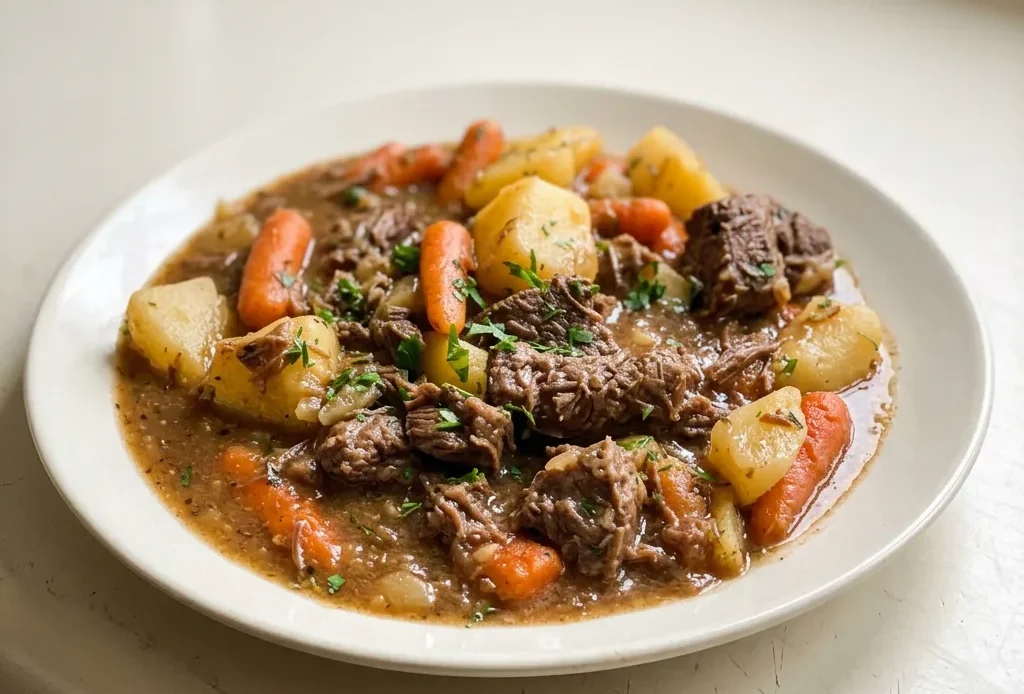
The biggest mistake people make with Instant Pot beef stew is treating it like a dump-and-go recipe. Sautéing the onion and tomato paste before adding liquid isn’t optional, it’s where the deep flavor comes from, and skipping it leaves the stew tasting one-dimensional.
The two-stage pressure cooking here is the real trick: beef gets its own long cook to break down collagen, then vegetables get a short second cook so they stay firm instead of dissolving. That sequence, plus the flour coating on the beef for quick browning, means you get a stew that tastes slow-simmered but takes a fraction of the time. The cornstarch slurry and lemon juice at the end let you dial in the texture and brightness exactly how you want it.
Browning builds flavor fast
The flour coating on the beef isn’t just for thickening, it creates a crust during sautéing that accelerates browning. That color translates directly into deeper, meatier flavor in the finished stew. When you sauté the onions and tomato paste before adding liquid, you’re extracting their sugars and concentrating them.
Tomato paste in particular darkens and turns savory as it cooks in the hot oil. All of this happens within a few minutes, long before the pressure comes on. You end up with a base that tastes like it simmered for hours, but the Instant Pot does the heavy lifting from there.
Two-stage pressure cooking prevents mushy vegetables
Beef chuck needs time to break down collagen, 20 minutes under pressure gets it fork-tender. Potatoes and carrots, though, going soggy if cooked that long.
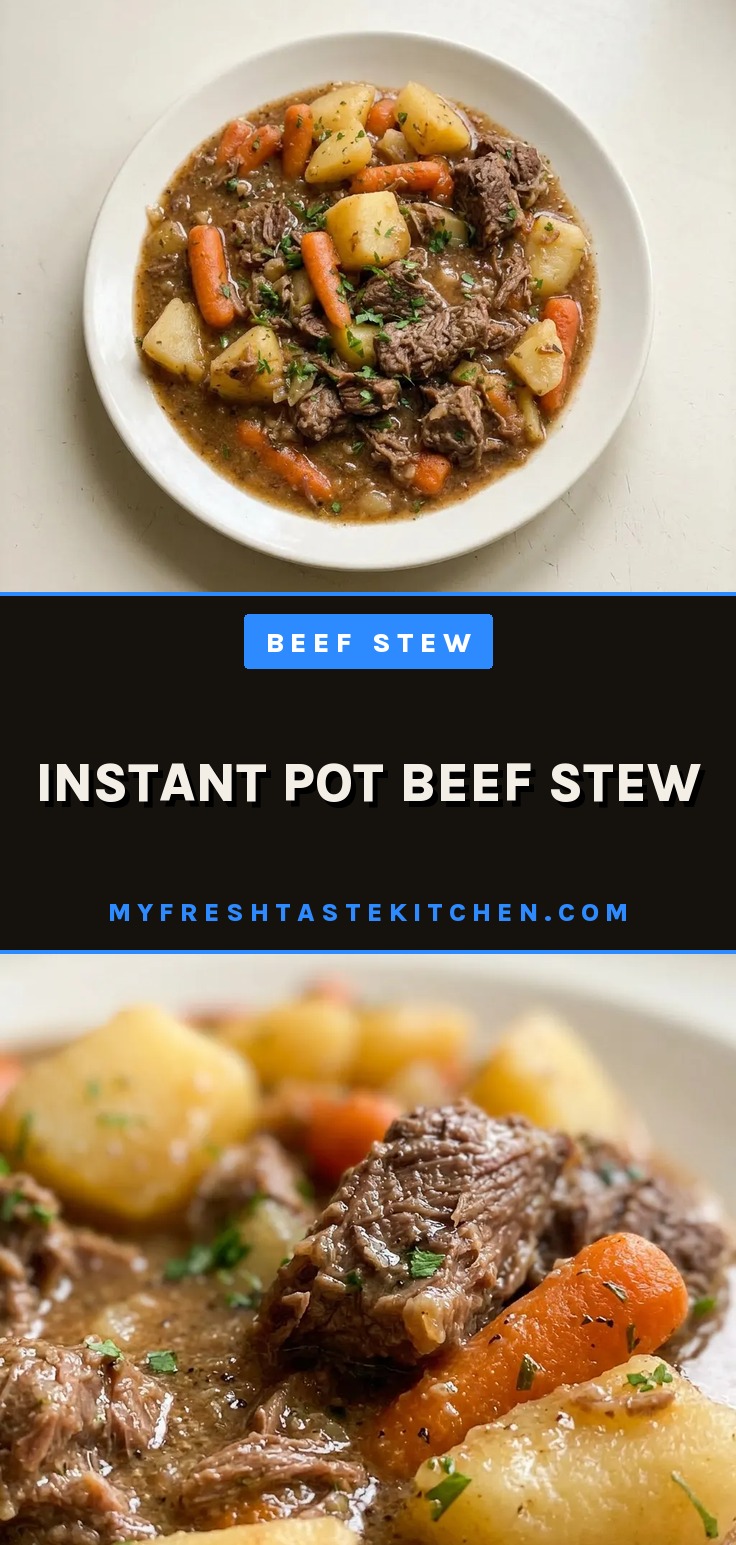
By adding them after the meat is done and cooking for just 10 more minutes, they stay firm but cooked through. The second round at pressure also lets the broth penetrate the veggies without them falling apart. This sequence is the reason the stew has distinct, identifiable pieces of potato and carrot rather than a uniform sludge.
You get tender meat and vegetables that still have texture.
Natural release keeps meat juicy
When pressure drops suddenly, the liquid inside the meat flashes to steam and forces moisture out, leaving dry, tough fibers. A natural release lets the pressure drop gradually, giving those fibers time to reabsorb the juices they released during cooking. For this stew, that means the chuck stays succulent rather than turning stringy.
The 10-minute natural rest after each pressure stage is long enough to equalize the moisture without dragging out the total time. You can taste the difference: the beef is moist and pulls apart easily, not dry and chewy.
Cornstarch and lemon juice finish the stew
The broth after pressure cooking is flavorful but thin. Stirring in a cornstarch slurry and simmering it for a couple of minutes thickens it to a glossy, coating consistency without adding any off-flavors.
You’ll see it go from watery to rich as it bubbles. The lemon juice is the surprise, it cuts through the deep beef and wine flavors, adding a lift that makes the whole stew taste brighter. Without it, the stew can feel heavy.
Add it at the end so the brightness stays forward. Taste and adjust: another squeeze might be what it needs.
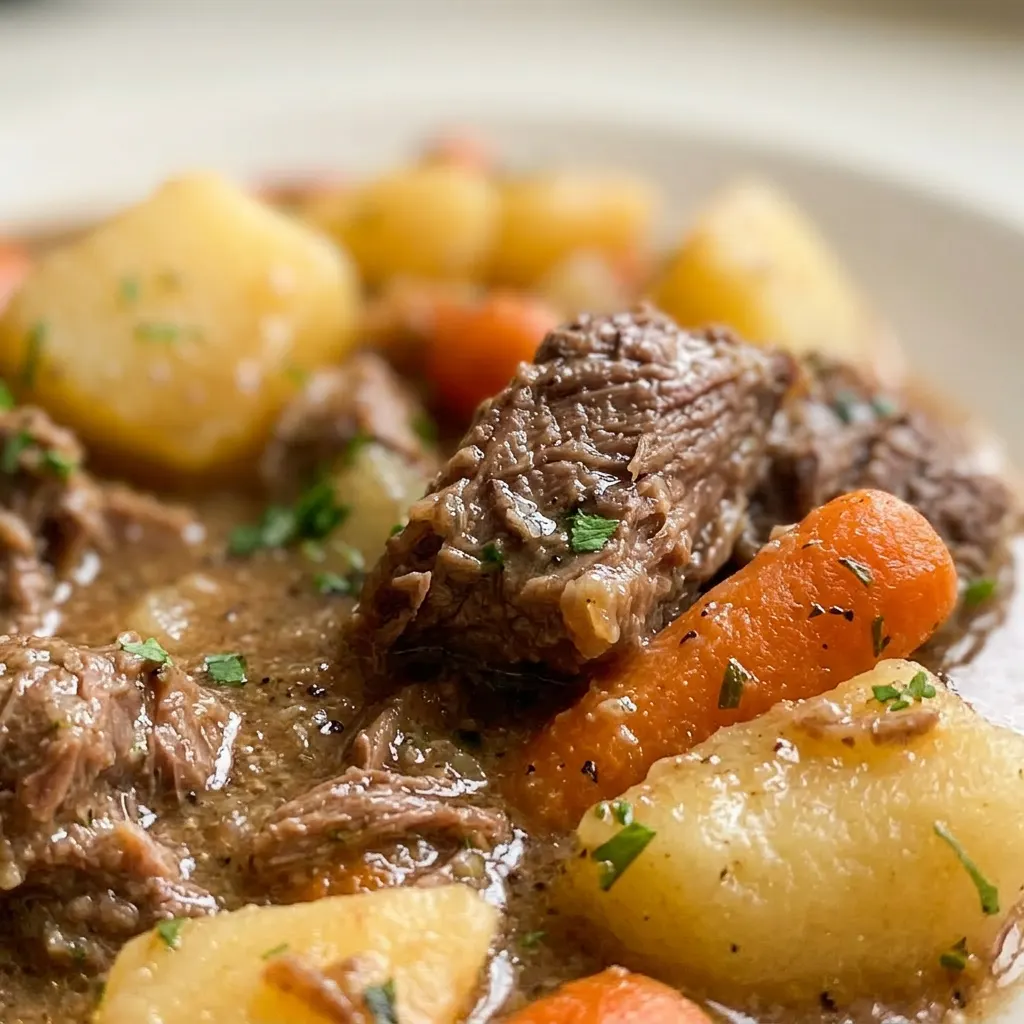
Prep: 15 min · Cook: 40 min · Total: 1 hr 30 min · Servings: 6 · Calories: 610 kcal
Choose the right beef and prep vegetables for texture
Beef chuck roast: Buy a whole chuck roast and trim excess fat yourself rather than pre-cut stew meat, which is often dry and irregular.
Yukon Gold potatoes: Peel them and cut into 1 ½-inch pieces so they hold shape through two pressure cycles.
Baby carrots: A 12-ounce bag of baby carrots saves time; if using whole carrots, cut into large chunks to match the potato size.
Dry red wine: Use a wine you’d drink, like a medium-bodied Cabernet or Merlot; avoid cooking wines with added salt.
Fresh lemon juice: Bottled juice works but fresh tastes brighter; you’ll need about half a lemon for 2 tablespoons.
Two-stage pressure cooking is the key to tender meat and intact vegetables
Coat the beef
Toss beef with flour and seasonings until each piece is dusted. The flour should cling lightly, not clump. If it looks pasty, you’ve added too much, shake off excess.
Sauté the aromatics
Sauté onions until they’re translucent and starting to brown at edges, about 2 to 3 minutes. Add garlic and tomato paste; stir until the paste darkens a shade and smells sweet, about 1 minute. That color means flavor.
Deglaze and add beef
Pour in wine, broth, and Worcestershire, scraping up any browned bits, you want the liquid smooth, no stuck-on residue. Add beef, then lock the lid.
First pressure cook
Cook on high pressure for 20 minutes. Let pressure release naturally for 10 minutes, then vent the rest. The beef should be fork-tender but not falling apart.
If it shreds at a poke, you’ve cooked too long.
Add vegetables and second pressure cook
Add carrots and potatoes, they should sit in the liquid, not piled above it. Cook on high pressure for 10 minutes, then natural release 10 minutes. Veggies should be tender but hold their shape; a knife pierces with slight resistance.
Thicken and brighten
If the broth is thin, stir in cornstarch slurry and sauté until bubbling and thickened, about 2 to 3 minutes. Stir in lemon juice; you should taste a clear lift, not sourness. Adjust salt and lemon to balance.
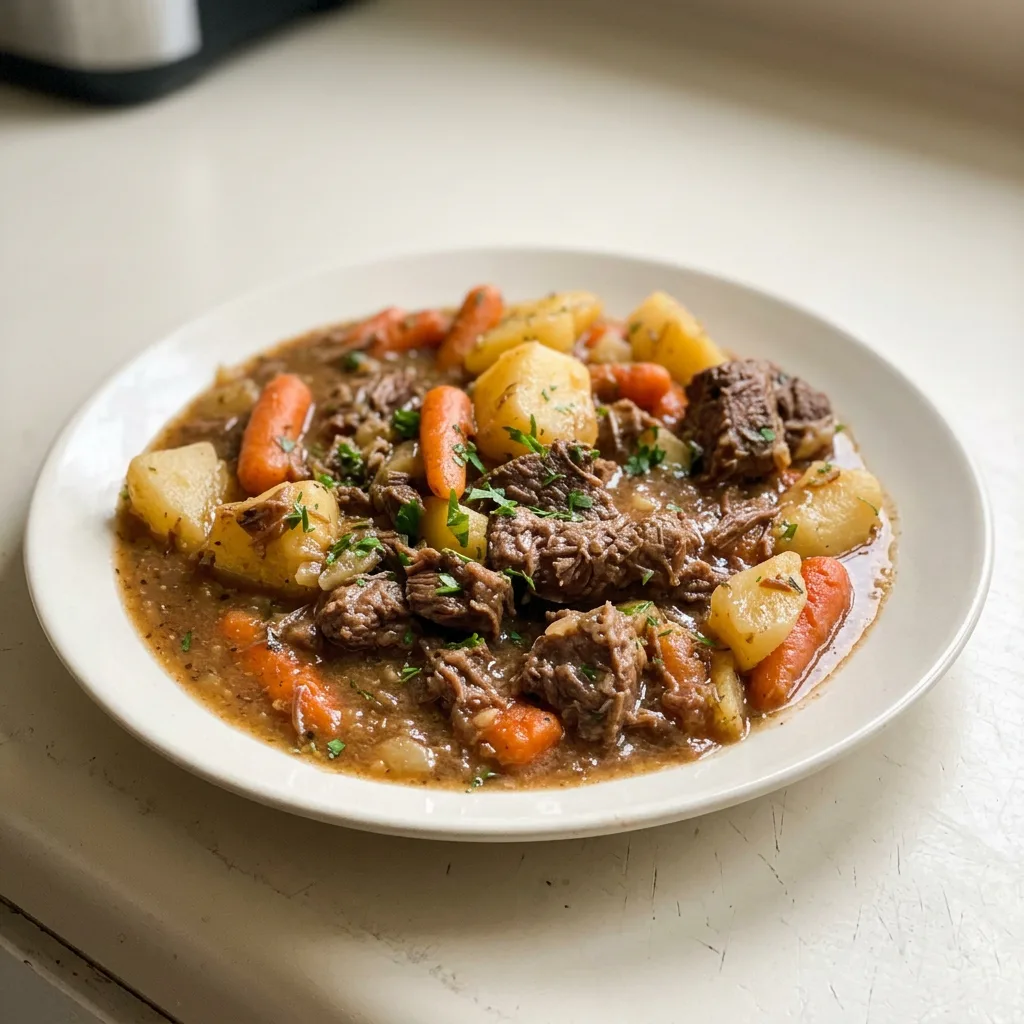
Instant Pot Beef Stew with Red Wine
Ingredients
Method
Season Beef Chunks:
Combine the beef chunks with flour, salt, rosemary, garlic powder, thyme, pepper, and onion powder in a large bowl; toss to coat evenly. Set aside.Sauté Aromatics and Deglaze:
Set the Instant Pot to sauté mode and heat the olive oil. Once hot, sauté the sliced onions for 2-3 minutes until they become tender. Add the minced garlic and cook for another 30 seconds. Stir in the tomato paste and cook for 1 minute. Pour in the red wine, beef broth, and Worcestershire sauce, then scrape any browned bits from the pot’s bottom.Pressure Cook Beef:
Place the seasoned beef into the pot. Secure the lid and set the valve to sealing. Cook on high pressure for 20 minutes. Allow the pressure to release naturally for 10 minutes, then manually release any remaining pressure.Cook Vegetables:
Add the baby carrots and potato chunks to the pot. Lock the lid again, set the valve to sealing, and cook on high pressure for 10 minutes. Let the pressure release naturally for 10 minutes, then manually release any remaining pressure.Thicken Stew:
For a thicker stew, mix 1 tablespoon cornstarch with 1 tablespoon water until smooth. Stir this slurry into the stew and use the sauté function to cook for 2-3 minutes, until the liquid thickens.Finish and Garnish:
Stir in the lemon juice. Adjust seasoning with additional salt, pepper, or lemon juice as desired. Garnish with fresh minced parsley and serve.
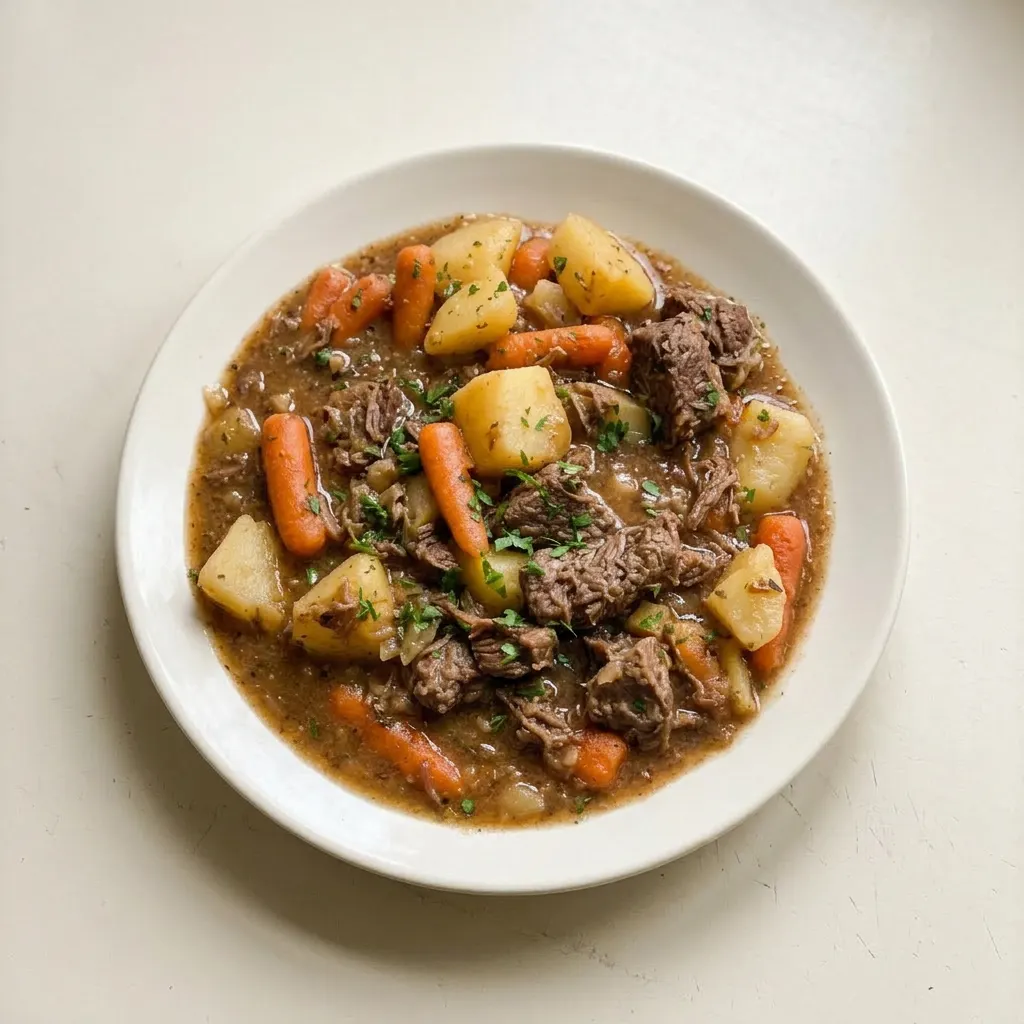
Storage and Serving
This stew thickens as it sits. If you prefer a soupier consistency, add a splash of broth when reheating.
Store leftovers in an airtight container in the fridge for up to 4 days. The potatoes will absorb liquid and soften further, so the texture changes after day two.
To reheat, warm gently on the stovetop over medium low heat, stirring occasionally, until the meat is heated through. Avoid boiling, which toughens the beef. For longer storage, freeze the stew without the potatoes, as they turn grainy when thawed.
Freeze the meat and broth in a freezer safe container for up to 3 months. To serve, thaw overnight in the fridge, simmer until hot, then add freshly cooked potatoes.
Garnish with fresh parsley right before serving. The lemon juice brightens the flavor best when added just before eating, so if making ahead, stir it in after reheating.
Swap ingredients by what they do, not just what they look like
Dry red wine: Extra beef broth plus 2 tablespoons red wine vinegar or balsamic vinegar. Acid replaces wine’s brightness, but you lose the tannins that add subtle astringency.
The stew will taste less complex, more straightforward. Add the vinegar at the end after tasting, it fades with pressure cooking.
Yukon Gold potatoes: Russet potatoes or sweet potatoes. Russets break down more, thickening the broth but leaving few intact chunks. Sweet potatoes turn tender and sweet, shifting the flavor profile toward savory-sweet; cut them a bit larger (2-inch pieces) so they don’t disintegrate in the second pressure cook.
Baby carrots: Parsnips or celery root (peeled, cut into 1 ½-inch chunks). Parsnips stay firm and bring a peppery sweetness; celery root adds earthy, celery-like notes but can be slightly grainy if not peeled well. Both hold up to pressure cooking better than regular carrots, which can get mushy.
Start with the same volume as the recipe’s 12 ounces.
Tips
- If your beef pieces are irregular in size, the smaller ones will overcook and toughen before the larger ones are tender. Take the extra minute to cut each piece to about 1½ inches, and check that the grain runs the same direction on each chunk so you can cut across it consistently.
- Trimming all visible fat leaves the meat dry after pressure cooking, but leaving thick ribbons of fat makes the stew greasy. Aim to leave thin streaks of fat (about ⅛ inch) running through the meat; this fat renders during cooking and keeps the beef moist without floating in the broth.
Frequently Asked Questions
Can I make Instant Pot beef stew ahead of time and reheat it?
Yes, it reheats well. Store leftovers in the fridge for up to 4 days; the stew thickens as it sits, so add a splash of broth when reheating. Warm gently on the stovetop over medium-low heat until the meat is heated through, boiling will toughen the beef.
Add the lemon juice after reheating to keep the brightness forward.
Why did my beef turn out tough instead of tender?
Most likely the pressure didn’t release naturally long enough, you need the full 10-minute natural release after the first cook to let the meat reabsorb juices. Also check that you cut the chuck into 1½-inch pieces and cooked at high pressure for the full 20 minutes; smaller pieces or shorter time won’t break down the collagen.
How do I prevent the vegetables from going soggy?
The two-stage cooking handles this: beef cooks 20 minutes alone, then you add carrots and potatoes for just 10 minutes. Make sure your potato chunks are 1½ inches and the carrots are whole baby carrots or similarly sized pieces, smaller cuts will overcook. The second natural release also helps them stay firm.
What’s the difference between this Instant Pot version and a traditional stovetop beef stew?
The Instant Pot cuts total time from hours to about 90 minutes, but you still get deep flavor because the flour coating and sauté steps build browning fast. The two-stage pressure cook keeps vegetables intact, which stovetop simmering often fails to do. The broth is thinner initially but thickens with a cornstarch slurry at the end.
