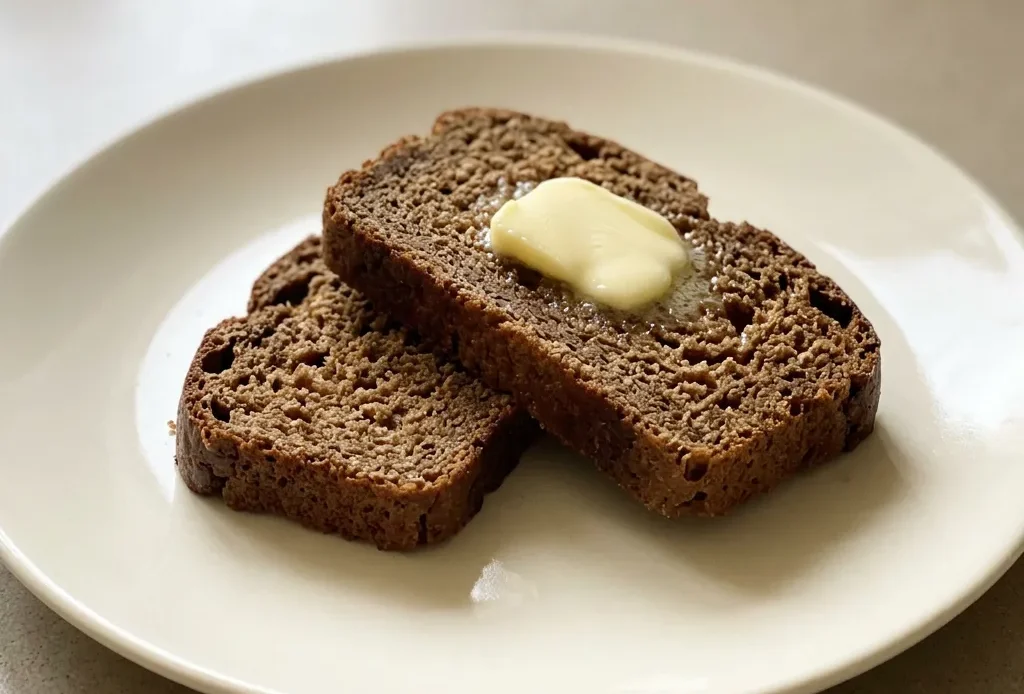
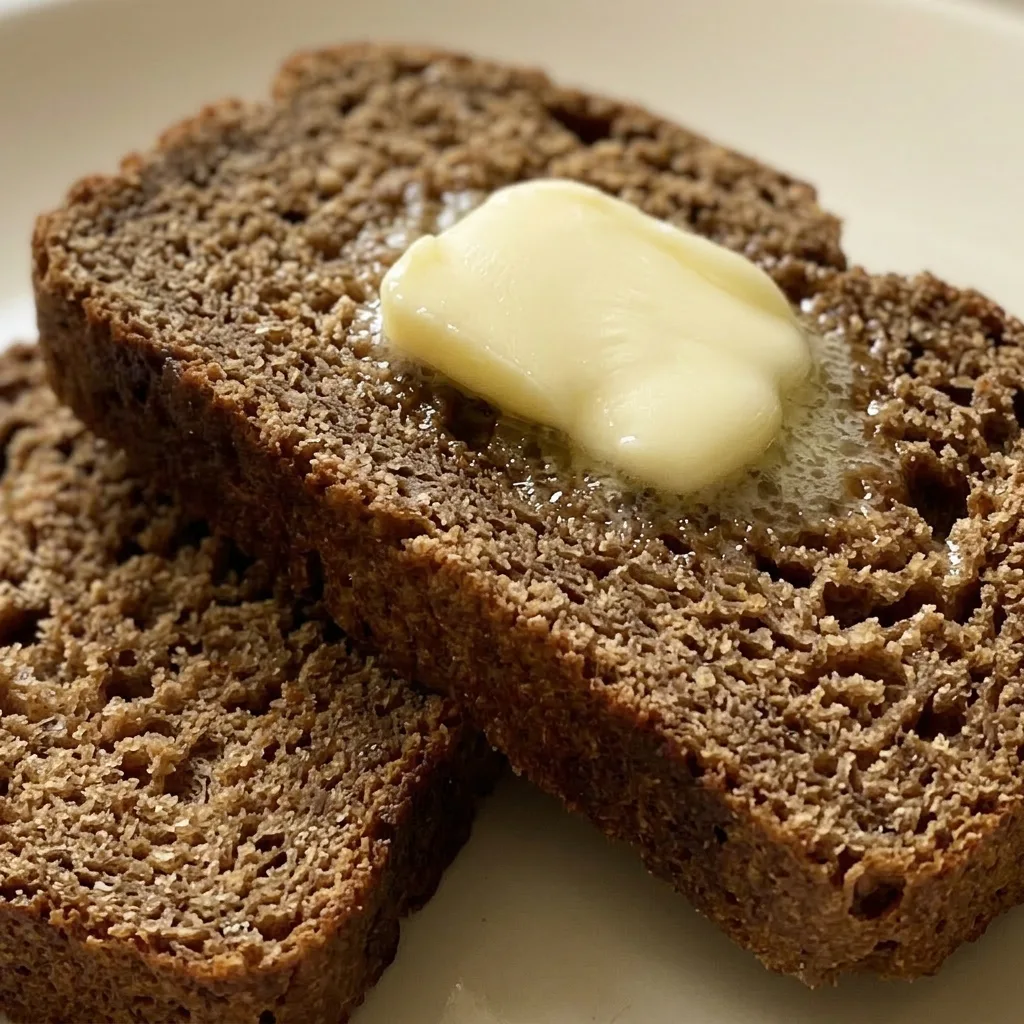
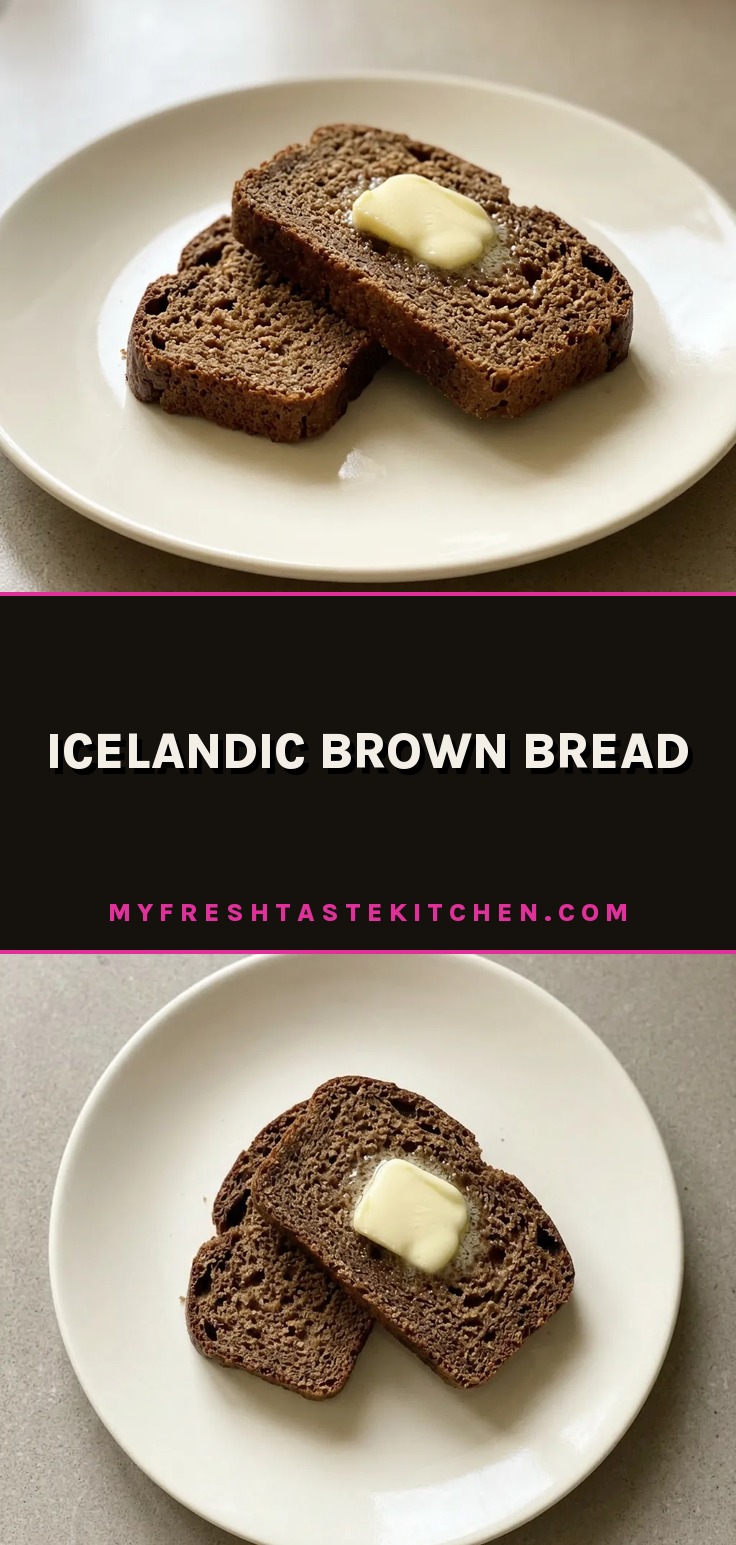
The most common mistake with Icelandic brown bread is overmixing the batter, which develops gluten and turns the crumb tough. This dense, molasses-sweetened loaf gets its signature texture from a surprisingly low and slow bake, yielding a moist bread that’s for slathering with butter.
The whole wheat flour needs time to hydrate, and the rest before baking is important. Buttermilk and molasses work together for lift and deep sweetness, don’t reach for blackstrap, or you’ll overpower the whole wheat.
It’s a forgiving recipe if you respect the batter’s wetness and the gentle oven heat.
A slow, steady heat shapes the crumb
Baking at 300°F for a full hour is unusually low for a quick bread. That gentle heat lets the molasses and brown sugar caramelize deeply without scorching the crust.
Watch the loaf darken over time, the color comes from slow sugar browning, not oven heat. The result is a dense, almost cake-like texture, nothing like a light, airy sandwich bread. The crust firms up gradually while the interior stays moist, giving you that signature Icelandic heft.
If you’ve made quick breads before, expect a longer wait but a noticeably different bite.
Letting batter rest before baking
The 10-minute rest after mixing isn’t a pause, it’s active preparation. Whole wheat flour needs time to soak up liquid; skip the rest and you risk a dry, gritty crumb. Watch the batter thicken slightly as the flour hydrates.
Meanwhile, the baking soda and baking powder start reacting with the acidic buttermilk, producing bubbles that will lift the loaf. Pouring the batter immediately would deflate some of that early action. The rest is a simple step that pays off in even texture and a reliable rise, no guesswork.
Buttermilk and molasses pull double duty
Buttermilk brings acidity that triggers baking soda, releasing carbon dioxide for lift. Molasses adds moisture and a deep, complex sweetness, not sharp like blackstrap, but rounded.
Together they make a batter wetter than typical bread dough. That high liquid content is what gives the finished loaf its tender, moist crumb. You can taste the molasses clearly, but it doesn’t overwhelm the whole wheat.
If the batter looks loose, that’s normal; it bakes into a sturdy loaf that slices cleanly.
Prep: 25 min · Cook: 1 hr · Total: 1 hr 15 min
Whole wheat and molasses define the crumb
whole wheat flour: Use standard whole wheat, not pastry or white whole wheat; the bran content builds the dense, hearty texture.
molasses: Buy unsulfured molasses labeled as original or mild; blackstrap is too bitter and will overpower the bread.
buttermilk: Real buttermilk gives the best tang and lift; if substituting with milk and acid, let it sit 5 minutes first.
Mix the batter, then let it sit
Whisk dry ingredients
Whisk everything together in a large bowl. The baking soda and powder need even distribution, lift the whisk to see the brown sugar break up, no clumps left.
Combine wet ingredients
Stir molasses into buttermilk until fully dissolved. The mixture will look murky; that’s the molasses integrating. If using a vinegar-milk substitute, let it sit 5 minutes to thicken before adding molasses.
Mix wet into dry
Pour the liquid into the dry ingredients and stir just until no streaks of flour remain. The batter will be very loose, almost like a thick pancake batter, that’s correct. Overmixing toughens the crumb.
Rest the batter
Let the batter sit in the pan for 10 minutes before baking. During this time, the whole wheat flour absorbs liquid, and you’ll see the surface turn slightly matte as it hydrates. The resting also lets leavening bubbles start forming, skip this and the loaf may dome unevenly.
Bake at low heat
Slide the pan into a 300°F oven and bake for 60 minutes. The low temperature works slowly, the loaf will rise gently, darken from pale tan to deep brown, and develop a firm crust. Check doneness with a toothpick; it should come out clean with no wet batter clinging.
Cool before slicing
Run a knife around the edges and turn the loaf out onto a rack. It will feel heavy and dense, that’s the signature texture.
Let it cool at least 30 minutes. Cutting sooner will crush the crumb; the interior needs time to set.
Icelandic Brown Bread
Ingredients
- 2 cups whole wheat flour 250 grams
- 1 1/2 cups all purpose flour 188 grams
- 1 teaspoon salt
- 1 teaspoon baking soda
- 3/4 teaspoon baking powder
- 2 tablespoons brown sugar
- 2 cups buttermilk
- 1/4 cup molasses 80 grams, not blackstrap
Instructions
Preheat and Grease Pan:
Heat the oven to 300°F (150°C). Thoroughly coat a loaf pan with butter or grease and set it aside.Mix Dry and Wet Ingredients:
Combine the whole wheat flour, all purpose flour, salt, baking soda, baking powder, and brown sugar in a large bowl. In a separate measuring cup, measure out 2 cups of buttermilk (alternatively, mix 1 1/2 tablespoons vinegar or lemon juice with enough milk to reach 2 cups). Add the molasses to the buttermilk and stir, then pour this mixture into the dry ingredients and stir until fully combined.Bake and Cool Bread:
Transfer the batter to the prepared loaf pan and allow it to rest for 10 minutes. Bake at 300°F (150°C) for 60 minutes. Test for doneness by inserting a toothpick into the center; if it emerges clean, the bread is ready. Take the loaf out of the oven, run a knife around the edges if necessary, and invert it onto a wire rack. Let it cool for a minimum of 30 minutes prior to slicing. Enjoy warm with butter.
Storage and Serving
Wrap cooled bread tightly in plastic wrap or foil and store at room temperature up to 3 days. The crumb stays moist but the crust softens over time.
For longer storage, refrigerate the wrapped loaf up to a week. Chilling firms the crumb and dulls the molasses flavor.
To restore moisture and warmth, reheat slices in a 300°F oven for 5 to 7 minutes or toast them. Freeze the whole loaf or individual slices wrapped in plastic then foil for up to 3 months. Thaw at room temperature, then reheat.
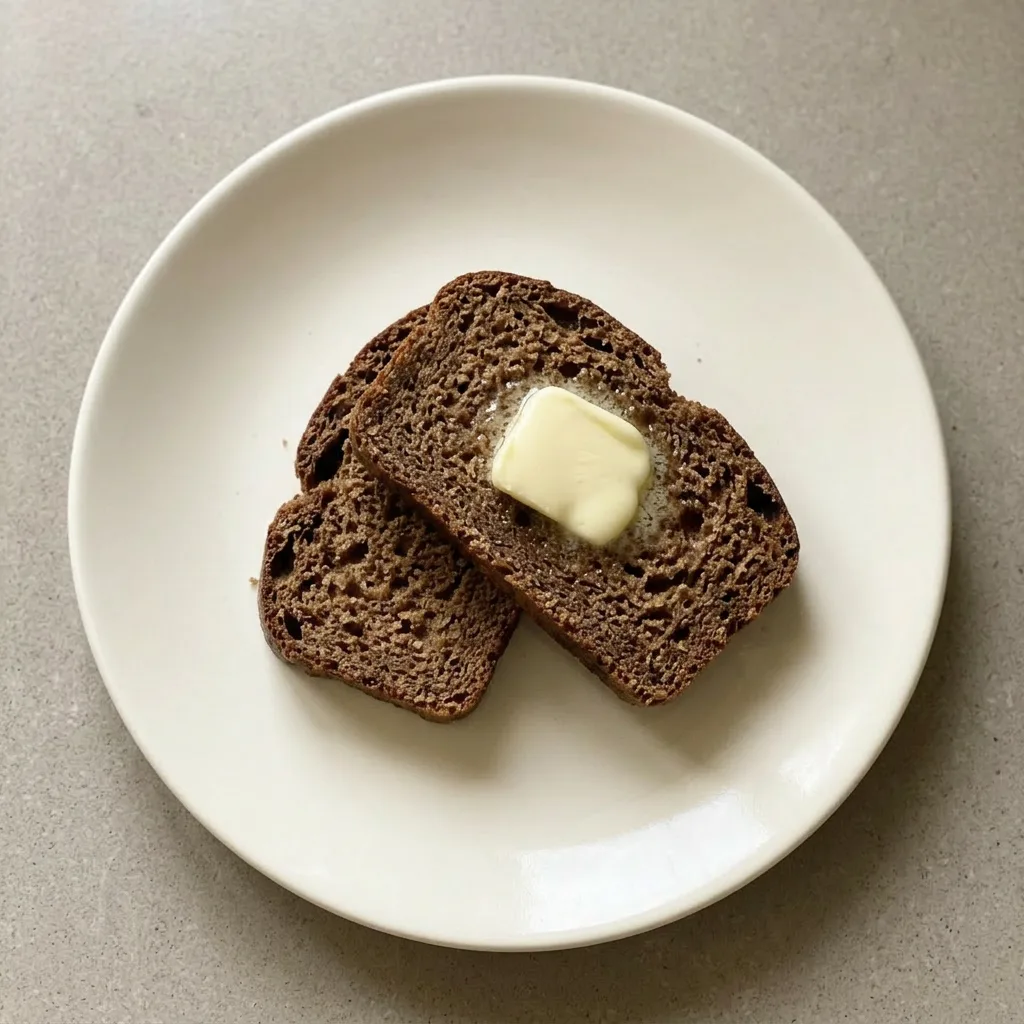
Serve warm with butter for the best texture; the bread is most tender the day it’s baked. If making ahead, bake a day before serving and reheat just before eating.
This bread also works well for brown bread sandwich recipes, holding up to sturdy fillings without getting soggy.
Swapping buttermilk and molasses without losing the loaf
buttermilk: Milk mixed with lemon juice or vinegar. Combine 2 cups milk minus 1½ tablespoons with 1½ tablespoons lemon juice or white vinegar. Let sit 5 minutes until slightly thickened.
The tang will be milder than real buttermilk, and the lift may be slightly less vigorous, but the loaf will still rise and taste fine.
molasses (not blackstrap): Dark corn syrup or honey. Use the same ¼ cup.
Dark corn syrup gives a milder sweetness and lighter color; the molasses flavor drops out. Honey makes a slightly softer, sweeter crumb.
Both work, but the bread won’t have that deep, almost smoky note that molasses brings. Blackstrap molasses is too bitter and will overpower the whole wheat.
whole wheat flour: None, do not substitute. The whole wheat flour is what gives this bread its dense, hearty texture and coarse crumb.
Swapping to all-purpose or a gluten-free blend changes the hydration ratio and structure entirely; you’ll get a lighter, cake-like bread or a gummy one. If you need gluten-free, look for a recipe designed for that flour.
all purpose flour: White whole wheat or spelt flour. You can replace the all-purpose with white whole wheat or spelt for a more rustic loaf.
Use the same weight (188g). The crumb will be slightly denser and the flavor nuttier. Avoid bread flour, it makes the loaf too tough.
Tips
- Let buttermilk and molasses sit at room temperature for 20 minutes before mixing. Cold liquids slow the reaction between baking soda and acid, reducing lift. Room-temperature ingredients blend more evenly into the batter, preventing streaks of molasses that can cause uneven browning and a slightly bitter taste in spots.
I see people pour the batter straight into the oven without the rest, and then wonder why their bread is a brick.
Frequently Asked Questions
Can I make this bread ahead of time and reheat it?
Yes, bake it a day before serving. The loaf stays moist at room temperature wrapped tightly for up to 3 days. Reheat slices in a 300°F oven for 5 to 7 minutes or toast them, the crust firms back up and the interior warms through.
Chilling dulls the molasses flavor, so room temp is better for make-ahead.
Why is my brown bread too dense or gummy?
Most likely overmixing the batter developed too much gluten; stir just until no dry streaks remain. If the center is gummy but the crust is dark, the loaf may have been underbaked, check with a toothpick at 60 minutes; it should come out clean. Using blackstrap molasses instead of mild can also make the crumb heavy and bitter.
How is Icelandic brown bread different from American brown bread or Boston brown bread?
Icelandic brown bread is a quick bread leavened with baking soda and powder, not yeast, and baked at a low 300°F for a full hour. That gentle heat gives a dense, moist crumb with a deep caramelized crust from the molasses and sugar. American brown bread is often steamed, making it even moister and sweeter, while Boston brown bread is a steamed, rye-based loaf with raisins.
Can I bake this in a different pan shape, like a round cake pan?
Yes, but you’ll need to adjust the bake time. A round cake pan spreads the batter thinner, so start checking for doneness around 45 minutes.
The loaf will be shorter and the crust will develop more surface area, giving a slightly firmer edge. Stick with a loaf pan for the signature tall, dense crumb described in the recipe.