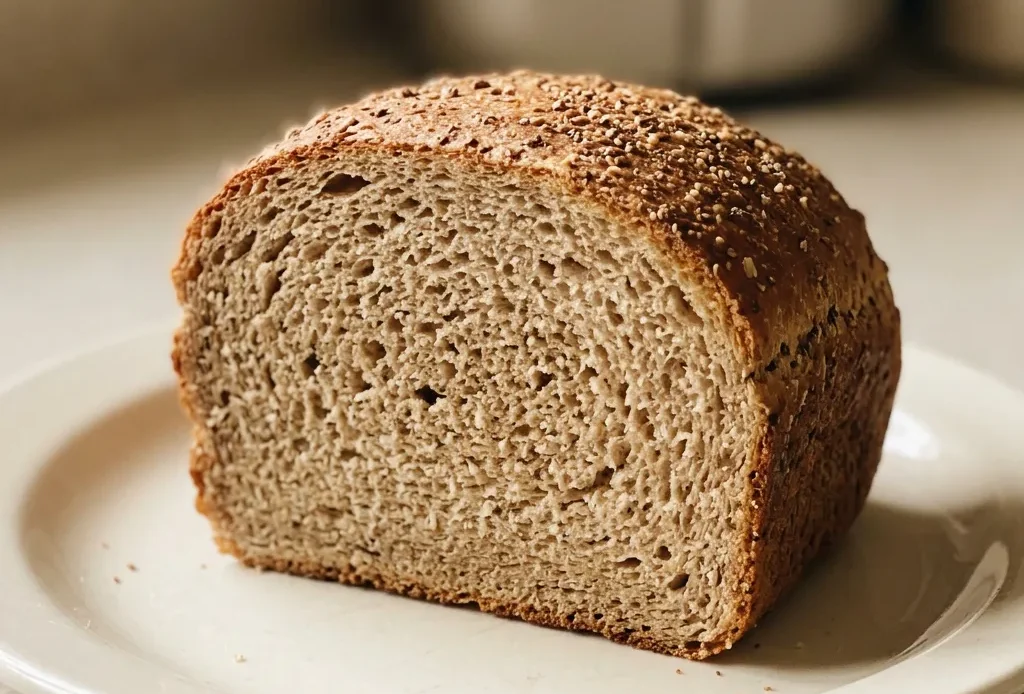
Whole wheat bread from a machine has a reputation for turning out dense and dry. This recipe sidesteps that by balancing the flours and letting honey do double duty, sweetening the crumb while giving the crust a deep, almost crackly finish.
The real trick is watching the dough during that first knead; the machine can’t judge hydration for you. A few tablespoons of water or flour at that stage make the difference between a lofty loaf and a squat one.
That’s the only demanding moment in an otherwise hands-off process that delivers a hearty, sandwich-ready bread machine honey wheat bread.
Balance your flours for better texture
Whole wheat flour brings hearty flavor and extra nutrients, but it can turn bread dense and squat. Bread flour supplies the strong gluten network needed for a lofty rise. A 2:1 ratio of whole wheat to bread flour gives you a loaf that’s both flavorful and soft, not a brick.
If you add vital wheat gluten, it further strengthens the structure, making the crumb more tender without sacrificing the wholesome character. Skip it and the bread still works, just expect a slightly tighter texture. The combination is what lets this bread satisfy as a sandwich loaf.
Honey does more than sweeten
Honey brings a distinct floral sweetness that plain sugar can’t match. Because honey contains sugars that caramelize easily, it accelerates browning, giving the crust a deeper color and slight chew.
Too much honey, though, can slow yeast activity, the amount here is balanced so the rise stays on track. You’ll taste the honey as a background note, not a cloying sweetness, and the crust will develop a rich golden-brown finish. If you want the bread recipes homemade feel, this honey-forward approach delivers without overwhelming the wheat flavor.
Get the water right and the machine will follow
Water at 115°F wakes up the yeast without scalding it; too cool and the rise lags, too hot and you kill the yeast outright. The ingredient order listed follows Cuisinart machines, your manual may call for a different sequence. Either way, you control the dough by watching the first knead.
If the dough looks dry and stiff, add warm water a tablespoon at a time until it feels tacky but pliable. If it’s sticky and loose, sprinkle in bread flour a teaspoon at a time. This is how you adapt a bread maker recipe to your specific flour and humidity.
Prep: 5 min · Cook: 4 hr 20 min · Total: 4 hr 25 min · Servings: 9 · Calories: 200 kcal
Ingredients worth a second look
Water: Warm it to 115°F to wake the yeast without killing it; too cool or hot throws off the rise.
Honey: Use a runny, mild honey so its floral sweetness doesn’t overpower the wheat flavor.
Whole wheat flour: Fresh whole wheat flour makes a noticeable difference; stale flour turns the loaf dry and crumbly.
Bread flour: Pick a brand with at least 12% protein to give the gluten network enough strength for a tall rise.
Vital wheat gluten: Adds structure to the whole wheat; skip it only if you accept a slightly denser crumb.
Yeast: Active dry, instant, or bread machine yeast all work; just use the same amount listed.
Load the pan in the right order, then watch the first knead
Layer the ingredients
Pour in the warm water first, then olive oil and honey. Add salt, whole wheat flour, bread flour, and vital wheat gluten if using. Make a small well in the flour and pour in the yeast.
Set the program and start
Choose the whole wheat cycle, 1.5 lb loaf, and your preferred crust. The machine will knead, rise, and bake automatically. Total time runs 4 hours 15 to 40 minutes depending on crust setting.
Check the dough during the first knead
Peek through the lid after 5 minutes. The dough should form a rough ball that clears the sides but sticks slightly to the bottom. If it’s dry and crumbly, add warm water 1 tablespoon at a time.
Adjust consistency as needed
If the dough looks shaggy or separate, it needs more flour, sprinkle in bread flour a teaspoon at a time until it comes together. The dough should feel tacky, not sticky, when you touch it.
Let the machine finish its cycle
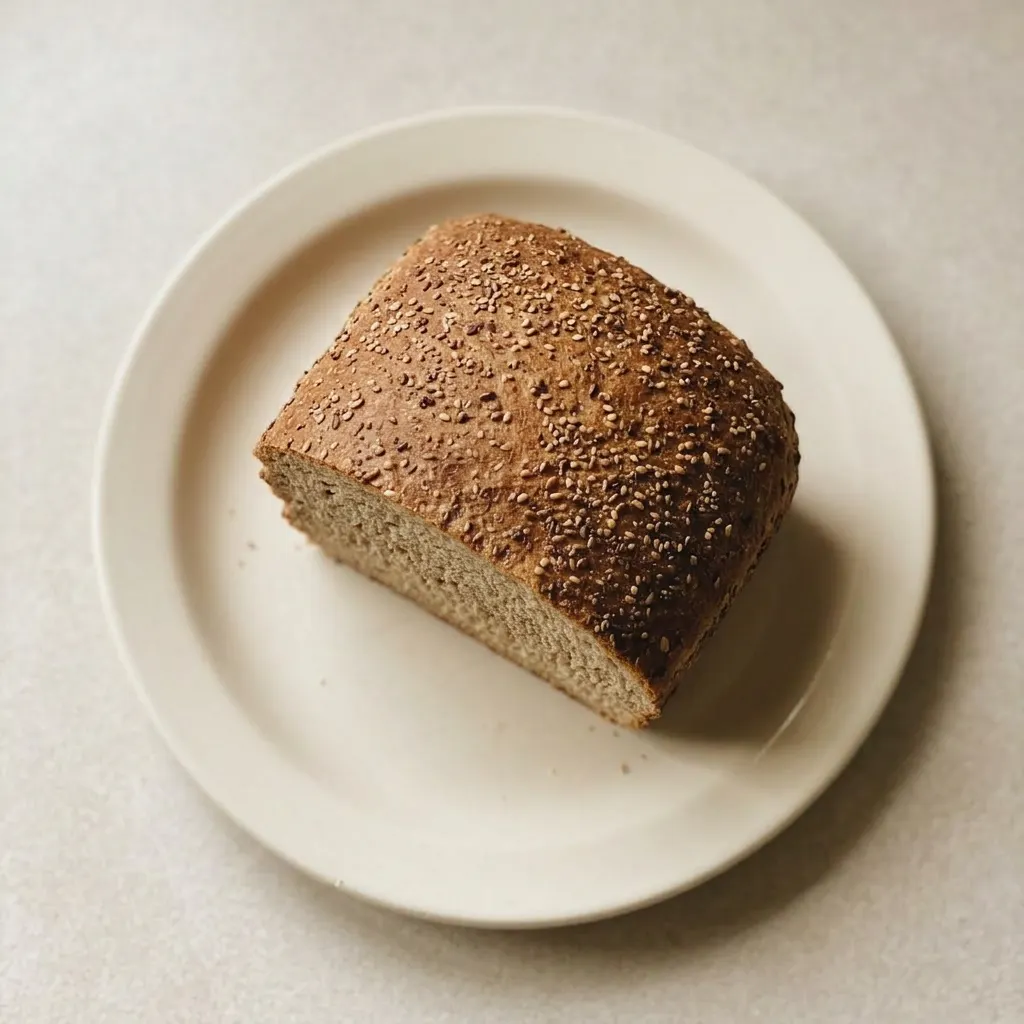
Once you’ve dialed in the texture, close the lid and let the machine run. During the final rise, the dough should nearly double. Brush with milk and add seeds if you like before the bake starts.
Remove and cool completely
When the cycle ends, immediately take out the pan and turn the loaf onto a wire rack. Let it cool fully, at least 2 hours, before slicing. Warm bread will tear and gum up the knife.
Bread Machine Honey Wheat Bread
Ingredients
- 1 ⅛ cup water warmed to 115°F (45°C) (266 ml)
- 2 tbsp extra virgin olive oil (30 ml)
- 3 tbsp honey (63 g)
- 1 tsp salt (6 g)
- 2 cups whole wheat flour (240 g)
- 1 cup bread flour (120 g)
- 1/2 tbsp vital wheat gluten optional (7 g)
- 2 ¼ tsp yeast active dry, instant or bread machine (7 g)
- seeds for topping optional
Instructions
Load Bread Pan:
Place the items into the bread machine pan in the sequence given. This order matches Cuisinart models; consult your machine’s guide for the correct order. If different, use the order from your manual.Select Program & Monitor:
Pick the whole wheat bread program. Set the 1.5 lb loaf size and desired crust shade. During the initial knead, monitor the dough often. If it seems dry, incorporate extra warm water 1 tablespoon at a time until it becomes tacky and flexible. If too wet, add more bread flour 1 teaspoon at a time. Depending on crust choice, the cycle runs between 4 hours 15 minutes and 4 hours 40 minutes.Brush & Bake in Machine:
FOR MACHINE BAKE: After the final rise and prior to the bake cycle, brush the dough with milk and scatter seeds (optional). Once baking finishes, power off the machine. Take out the pan and bread right away. Cool fully on a wire rack before cutting.Shape & Oven Bake:
FOR OVEN BAKE: To bake in a conventional oven, extract the dough from the pan immediately after the last knead. Form into a rectangle and place on a floured baking sheet or into a loaf pan. Cover with a cloth and allow to rise for 40 minutes or until doubled. Move to an oven preheated to 350°F (175°C). Bake for 35-40 minutes, until the loaf yields a hollow sound when tapped. Remove from the sheet right away and cool completely before slicing.
Swap honey without losing the rise, but don’t mess with the flour ratio
Honey: Maple syrup or agave nectar, same amount (3 tablespoons). Maple syrup adds a woody sweetness; agave is milder. Both are liquid sugars that brown similarly, so the crust darkens at the same rate.
They feed yeast just as well, so the rise stays on track.
Bread flour: All-purpose flour, same amount by volume or weight. All-purpose has less protein, so the gluten network weakens.
Expect a slightly shorter loaf with a tighter crumb. The bread still works for sandwiches but won’t be as airy.
Whole wheat flour: Do not replace entirely; reduce whole wheat to 1½ cups and add ½ cup more bread flour if you want a lighter loaf. Removing all whole wheat turns this into a different bread. If you cut the whole wheat, you lose the hearty flavor and dense texture that define this recipe.
The swap above keeps some whole wheat character while giving a softer crumb.
Storage and Serving
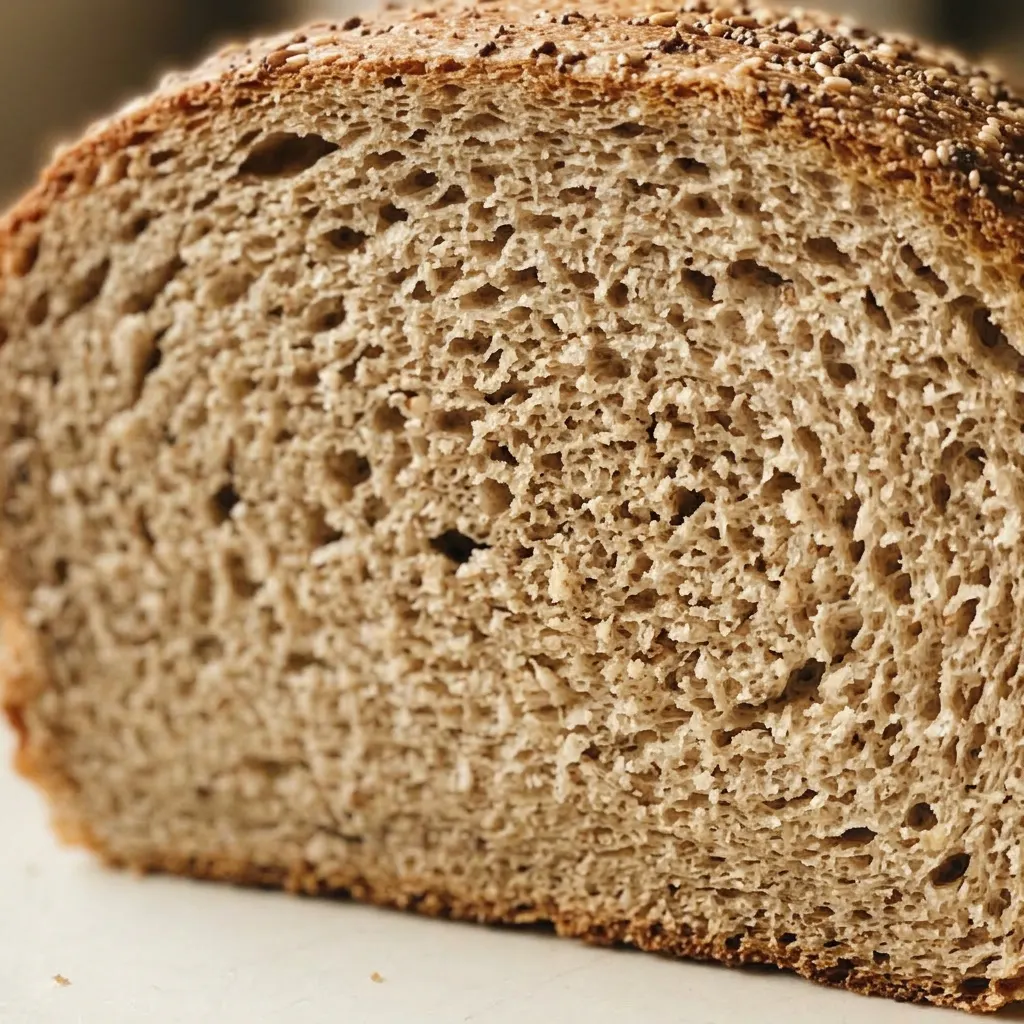
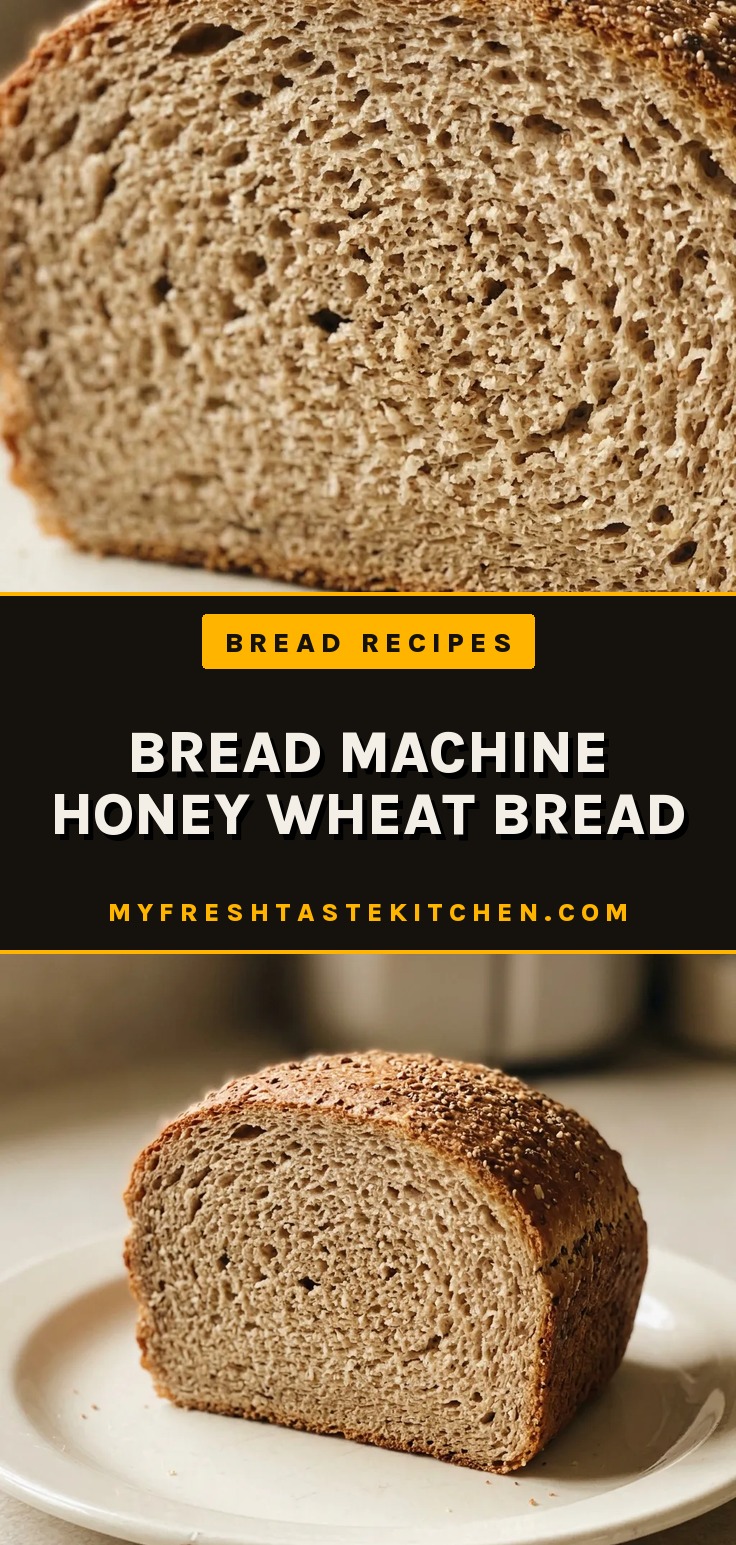
Fresh from the machine, this bread has a firm, crackly crust and a soft, fluffy crumb. That crust starts to soften within a few hours, so the best window for slicing and eating fresh is the same day you bake it.
For the crispiest texture, slice and serve within 4 to 6 hours of cooling. After that, the crust turns chewy, but the interior stays tender.
Day-old slices are ideal for toasting; the heat restores the crust’s snap and warms the honey-wheat flavor. Store leftover bread in a paper bag at room temperature for 2 to 3 days.
Avoid plastic bags or airtight containers, which trap moisture and make the crust soggy. For longer storage, wrap the whole loaf or slices tightly in plastic wrap and then foil, and freeze for up to 3 months.
Thaw at room temperature, then toast or reheat in a 350°F oven for 5 to 10 minutes to revive the crust. Don’t refrigerate this bread; the starch retrogradation speeds up, making it stale faster.
Tips
- If your machine’s whole wheat cycle includes a preheat phase, the dough may look dry initially because the water hasn’t fully absorbed. Wait until the actual knead begins before adjusting hydration.
- Tacky dough that leaves a slight residue on your finger but doesn’t stick to the pan is correct. If it sticks to the pan sides, add bread flour 1 teaspoon at a time until it cleans the sides but still feels moist.
I still hover over the machine during the first knead, adding warm water a tablespoon at a time until the dough feels tacky and flexible.
Frequently Asked Questions
Can I use only whole wheat flour instead of the mix?
You can, but expect a denser, shorter loaf with a tighter crumb. Without bread flour’s protein to build gluten, the dough won’t rise as high, and the texture becomes more compact, still edible, just heavier. If you go that route, add an extra teaspoon of vital wheat gluten to help the structure.
Why did my bread collapse in the middle?
Most likely the dough was too wet during the first knead, excess moisture weakens the gluten network, causing the center to sink as it cools. Next time, add water only until the dough feels tacky, not sticky. Another possibility: you opened the lid late in the rise, letting cool air hit the dough and deflate it.
Can I make this dough ahead and bake later?
Not really, the machine’s whole wheat cycle runs a single continuous program with timed rises. If you stop mid-cycle, the dough won’t rise properly when restarted. For make-ahead, bake the loaf fully, cool it, then freeze it for up to 3 months; thaw and toast to restore the crust.
How is this different from white bread machine bread?
It uses a 2:1 ratio of whole wheat to bread flour plus honey, which gives a nuttier flavor, darker crust, and denser crumb than white bread’s airy, neutral profile. The whole wheat cycle also runs longer, over 4 hours, because the extra bran slows gluten development and requires a longer rise.
Can I freeze this bread after baking?
Yes, wrap the fully cooled loaf tightly in plastic wrap then foil, and freeze for up to 3 months. Thaw at room temperature, then reheat slices in a 350°F oven for 5 to 10 minutes to revive the crust’s snap. Don’t refrigerate it; that speeds up staling.