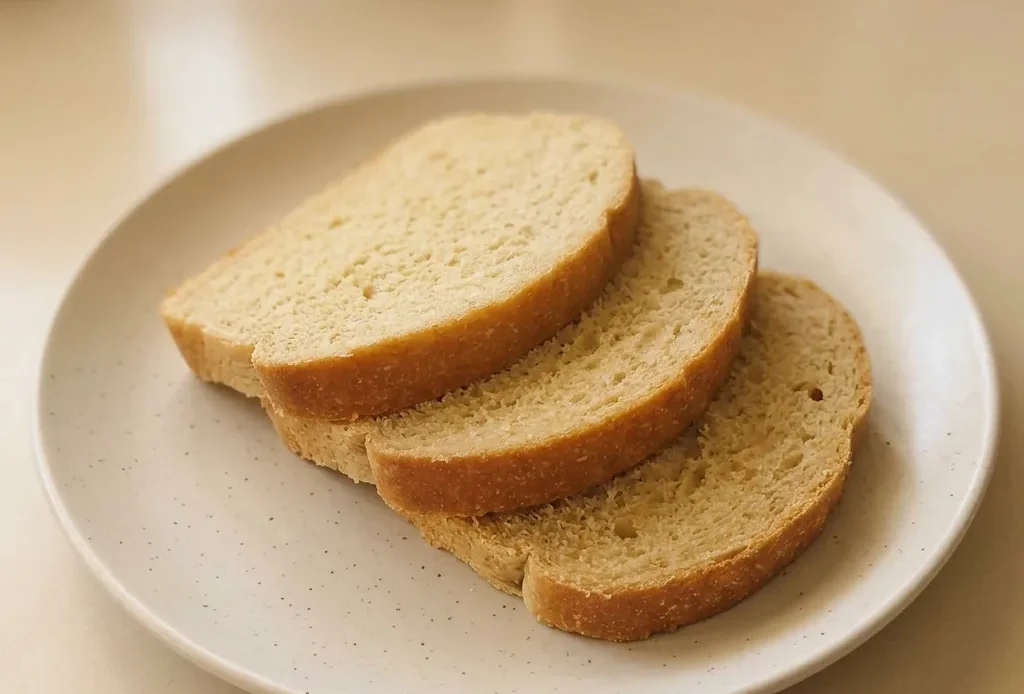
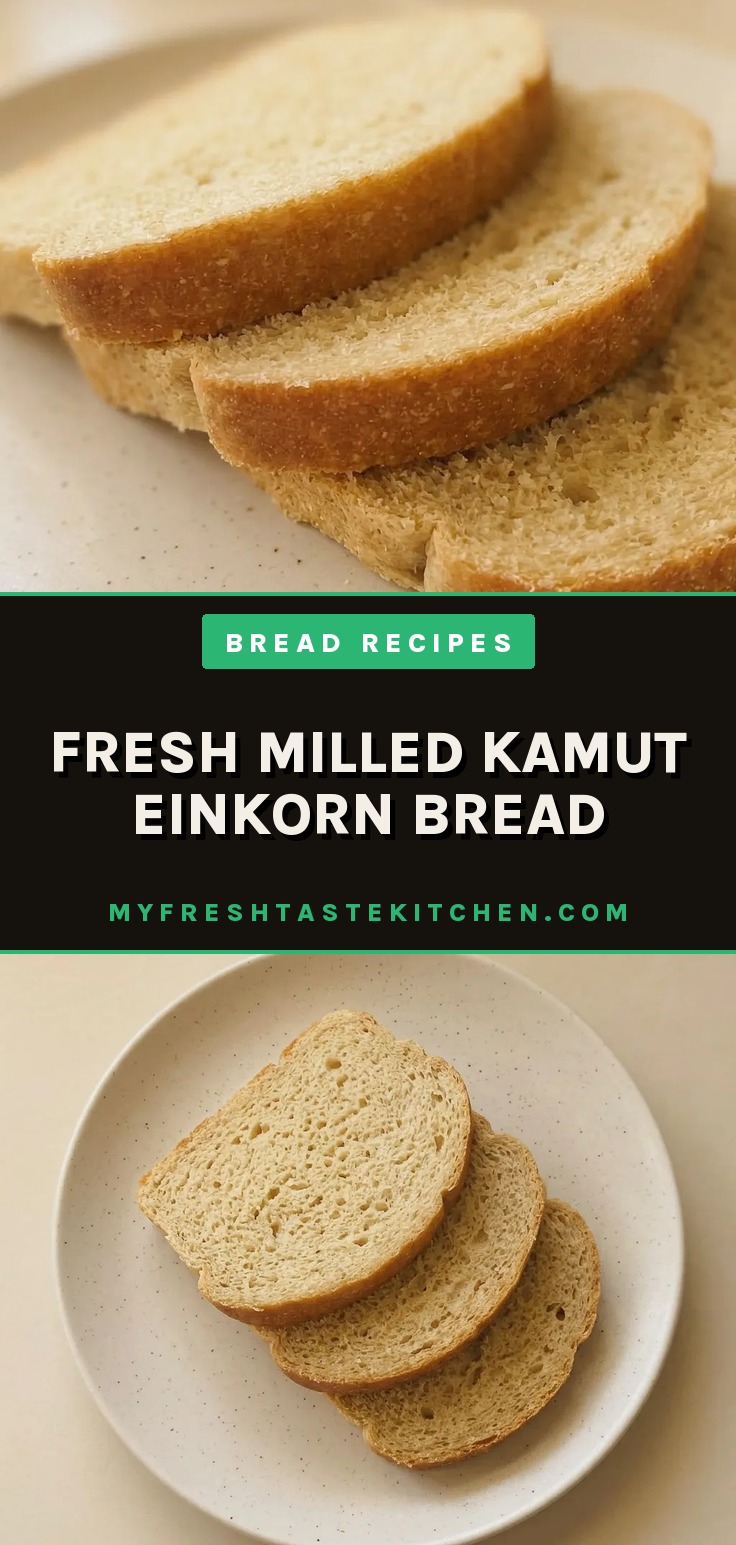
The crumb is tender, not dense, with a nutty, buttery sweetness that no pre-ground flour can fake. This fresh milled kamut einkorn bread uses a bread machine to handle the tricky hydration of freshly ground grains, so you skip the guesswork of windowpane tests and still end up with a tall, sliceable loaf.
The all-purpose flour in the mix gives the structure the low-gluten grains lack, but the flavor remains distinctly floral and rich. It’s a one-bowl, set-it-and-forget-it way to taste what fresh milling actually does.
Why Fresh Milling Kamut and Einkorn Berries
Pre-ground whole wheat flour sits on a shelf, its oils turning stale before you open the bag. Fresh-milling Kamut and Einkorn berries locks in the volatile fats and nutrients that degrade within days of grinding.
You taste it: a nutty, buttery sweetness that no pre-ground blend can match. The Kamut contributes a silky, buttery richness; the Einkorn adds a mild, almost floral note.
Because you control the fineness, set the mill to its tightest, you get a flour that feels like fine sand, not gritty. That even texture means the crumb stays tender, not coarse.
If you’ve only baked with milled flour from a store, try this once. The difference is in the aroma alone.
The Supporting Role of All-Purpose Flour
Kamut and Einkorn are low in gluten, their proteins don’t link up into a strong network. Without help, the loaf would bake into a dense, squat brick.
That’s where the cup of all-purpose flour steps in. It provides the gluten structure that the whole grains lack, giving the dough enough stretch to trap gas and rise high. The ratio in this recipe, one part AP to two parts fresh milled, is the sweet spot.
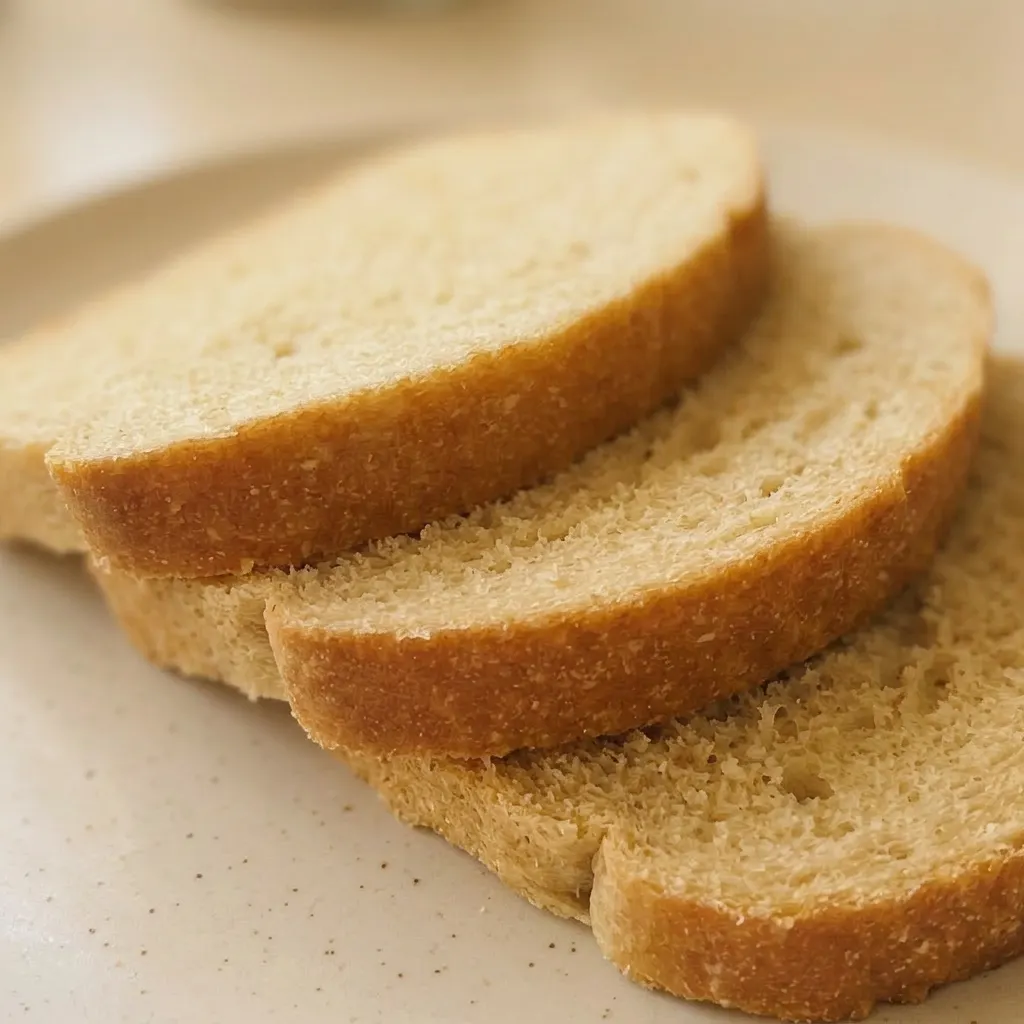
Cut the AP further, and the crumb turns tight and heavy. Keep it as written, and you get a loaf that holds its shape, slices cleanly, and still tastes distinctly of the fresh-milled grains. The crumb feels tender, not tough, and the slice doesn’t sag when buttered.
Letting the Bread Machine Do the Kneading
Fresh-milled whole grains absorb water slowly; they need time and gentle handling to hydrate fully without turning the dough into paste. The bread machine’s dough cycle delivers exactly that: a controlled mix, a knead that doesn’t overwork the delicate flours, and a built-in rest. You don’t have to stand there feeling for windowpane or guessing when the gluten is right.
The machine handles it, consistently. Now I set a timer for exactly 45 minutes and check if the dough crowns an inch above the pan edge, if it does, I bake immediately, trusting the instant yeast and warm spot.
The result is a reliable rise and an even crumb, every time. No guesswork, no dense loaves.
Prep: 15 min · Cook: 35 min · Total: 1 hr 35 min · Servings: 12
What to Know About the Flours and Fats
Fresh milled Kamut Einkorn flour mixture: Mill the berries on the finest setting so the flour feels like fine sand, not coarse grit.
All-purpose flour: Standard AP flour gives the gluten structure these low-protein whole grains lack for a tall rise.
Avocado oil: Use a neutral oil like avocado or light olive oil so the nutty grain flavor stays front and center.
Honey: Honey adds moisture and a subtle sweetness; it also helps the crust brown evenly without burning.
Instant yeast: Instant yeast can be added directly to the dry ingredients; no need to proof it in water first.
How to Shape and Bake a Tall, Tender Loaf from Fresh-Milled Flour
Check the Dough Early
A few minutes after the bread machine starts kneading, pop the lid and look. The dough should be a smooth, cohesive ball, tacky but not sticky.
If it clings to the sides like glue, add a tablespoon of all-purpose flour. If it’s dry and shaggy, drizzle in a teaspoon of water.
Shape the Log
When the dough cycle ends, turn it onto a lightly floured surface. Press it flat with your palms to deflate, you want to pop any large gas pockets, not smash it flat. Then roll it into an 8-inch log, tucking the edges under to create surface tension.
A taut top means a tall rise.
Proof Until the Crown Passes the Rim
Set the log seam-side down in a greased 8½x4½-inch loaf pan. Cover loosely with oiled plastic wrap and let it rise in a warm spot. Check at 40 minutes: the dough should dome a full inch above the pan edge.
If it’s still low, give it 5 more minutes and check again.
Bake Until the Center Reads 190°F
Bake at 350°F. At 30 minutes, the top should be golden and the loaf should sound hollow when tapped. Insert an instant-read thermometer into the center, it needs to hit 190°F.
If not, bake in 5-minute increments. Underbaked whole-grain bread turns gummy as it cools.
Cool Completely Before Slicing
Turn the hot loaf onto a wire rack. Leave it there for at least an hour. If you slice while warm, the crumb will compress and the interior will feel pasty.
When fully cool, the crust will have softened slightly and the slice will hold its shape cleanly.
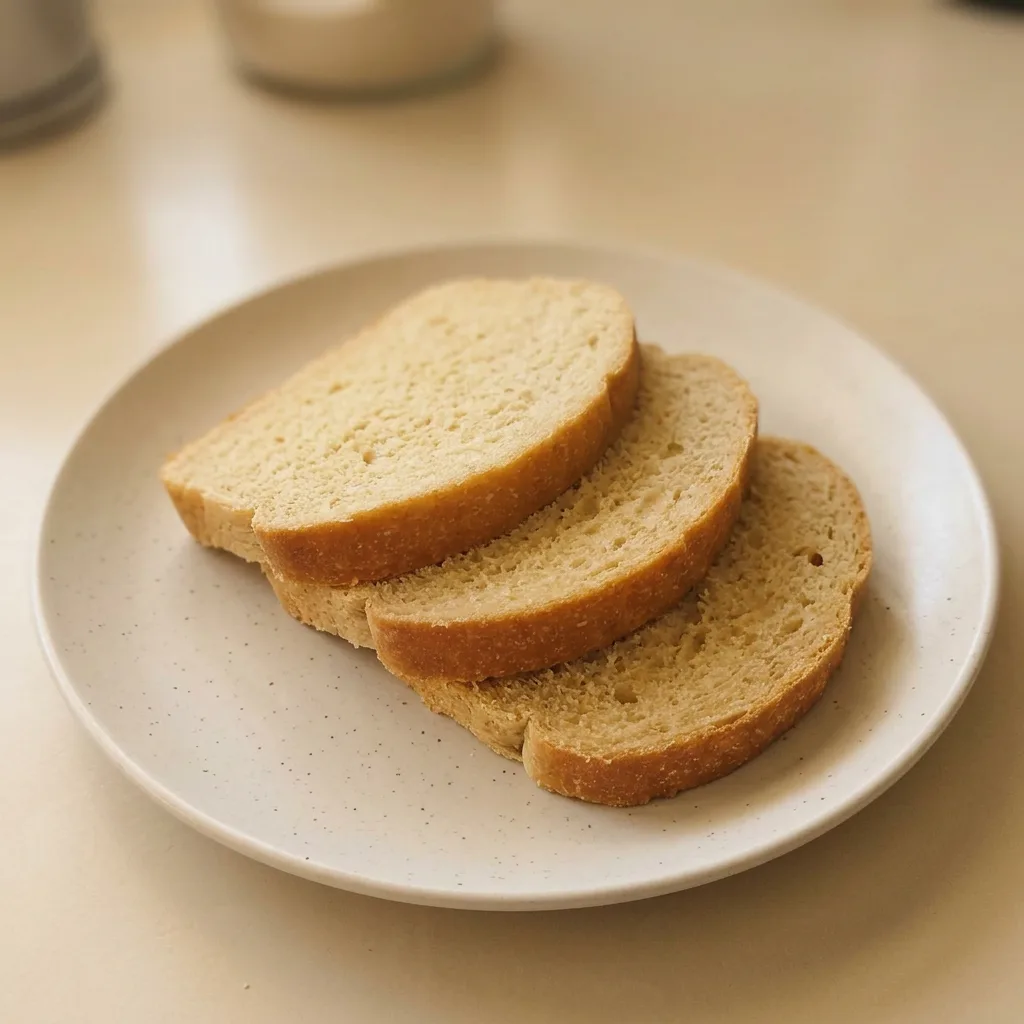
Fresh Milled Kamut Einkorn Bread
Ingredients
Method
Mill Kamut and Einkorn:
Using the finest setting, mill 2 cups Kamut berries and 3/4 cup Einkorn berries to produce a fine flour. Gently scoop 2 cups of this flour into a measuring cup and level it. Set aside any leftover flour for future use; store it in an airtight container in the freezer for up to 2 weeks.Mix Dough in Machine:
Place all ingredients into the bread machine pan in the order given. Choose the dough cycle. A few minutes after mixing begins, inspect the dough: it ought to be smooth and mildly tacky. If needed, tweak with extra water or all-purpose flour.Shape and Proof Loaf:
Once the dough cycle finishes, transfer the dough to a lightly floured work surface. Deflate it by pressing out air pockets, then form into an 8-inch log. Set the log into a greased 8½x4½x2½-inch loaf pan. Drape a clean kitchen towel or oiled plastic wrap over it and allow to proof in a warm spot until the dough crowns about 1 inch above the pan edge, roughly 45 minutes. Near the end of proofing, heat the oven to 350°F (175°C).Bake Until Golden:
Bake the loaf for 30 to 40 minutes until it turns golden brown and an instant-read thermometer inserted in the center reads 190°F (90°C). Take the bread from the oven, turn it onto a wire rack, and let it cool entirely before cutting.
Storage and Serving
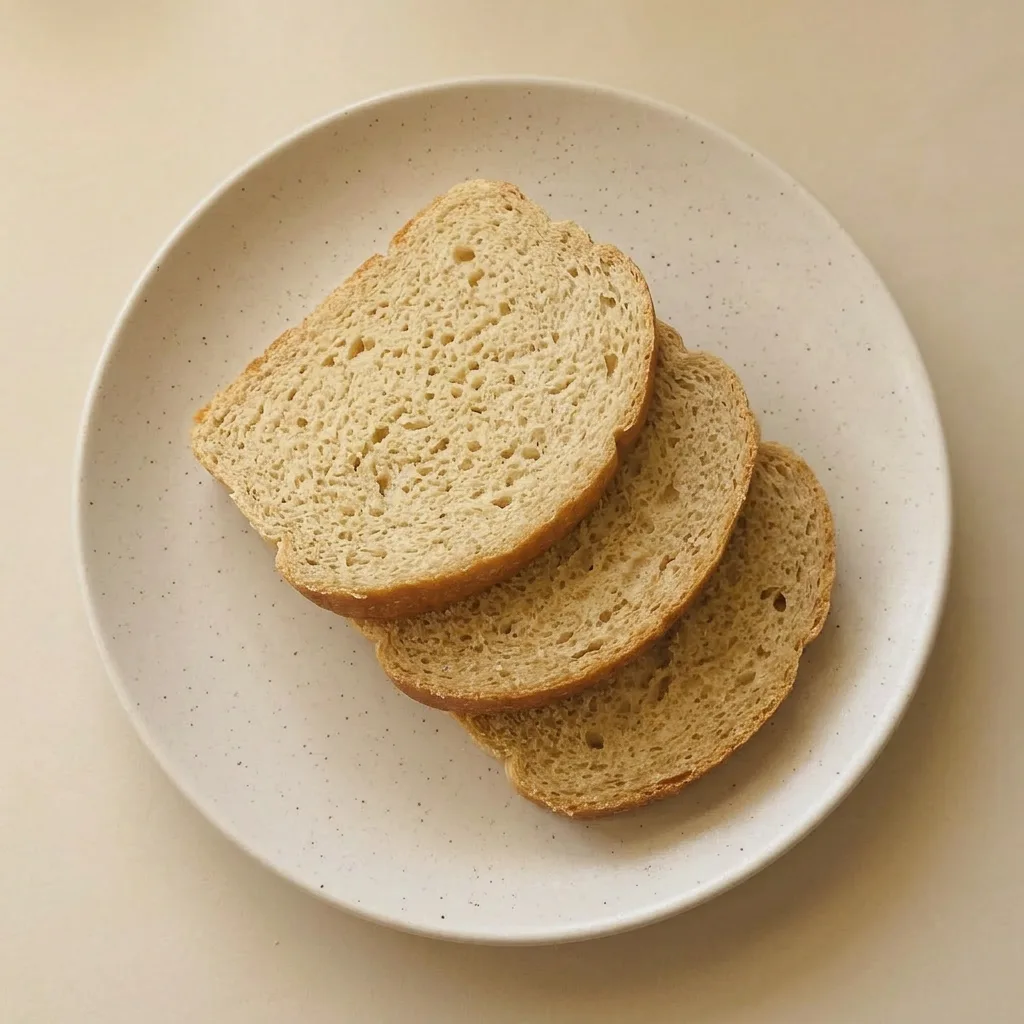
Cool the loaf completely before slicing, at least 1 hour. Store leftover bread in an airtight container at room temperature for up to 3 days. The crust softens over time, but the crumb stays tender.
For longer storage, slice the cooled loaf, wrap each slice tightly in plastic wrap, and freeze in a zip-top bag for up to 3 months. Toast frozen slices directly from the freezer to revive the crust and warm the interior. Do not refrigerate whole wheat bread; the fridge accelerates staling, making the crumb dry and crumbly.
Serve within 3 days for the best texture, and toast any slice past day one to restore its chew.
Tips
- Let the dough rest for 10 minutes after initial mixing if it feels very sticky. The fresh-milled flour absorbs water slowly, and a short rest allows hydration, reducing stickiness without adding extra flour.
- When shaping the log, use a bench scraper to help tuck the edges under if the dough is too soft to handle easily. This creates surface tension without over-flouring, which can dry out the dough.
How Swapping the Honey or Oil Changes This Loaf
Honey: Use maple syrup or agave nectar in the same 2 tablespoon amount. Maple syrup adds a subtle woody sweetness; agave is milder. Both brown the crust a touch faster, so check the loaf a few minutes early.
The crumb will be slightly less tender because honey retains moisture a bit more effectively.
Avocado oil: Substitute melted coconut oil or a mild olive oil, using the same 2 tablespoons. Coconut oil firms up the dough slightly at cool room temperature, which can slow the rise a little, give it an extra 5 to 10 minutes of proofing. Olive oil will impart its own flavor, so use a light one if you want the grain taste to dominate.
All-purpose flour: Do not replace the all-purpose flour with any other flour. Kamut and Einkorn are low in gluten.
The all-purpose flour provides the structure that lets the loaf rise tall and slice cleanly. Removing it yields a dense, squat bread with a gummy crumb, no matter how long you proof or bake.
Frequently Asked Questions
Can I bake this bread without a bread machine?
Yes. The bread machine handles kneading and the first rise, but you can do both by hand.
Mix the ingredients in a bowl, then knead for 8 to 10 minutes until the dough is smooth and tacky. Let it rise in a covered bowl until doubled, about 1 hour, then shape and proof as written.
How do I know when the dough has proofed enough?
The dough should dome a full inch above the pan rim. At 40 minutes, check it: if the crown is still below the edge, wait 5 more minutes and check again. The surface should feel springy and hold a light indent, not deflate.
Can I make this bread ahead and freeze it?
Yes. Cool the baked loaf completely, then slice and wrap each slice tightly in plastic wrap.
Freeze in a zip-top bag for up to 3 months. Toast slices directly from frozen to revive the crust.
What’s the difference between this bread and regular whole wheat bread?
Fresh-milled Kamut and Einkorn deliver a nutty, buttery sweetness that pre-ground whole wheat can’t match, the oils stay fresh, not stale. The crumb is tender, not dense, thanks to the all-purpose flour’s gluten support. The flavor is distinctly milder and more floral than standard whole wheat.
