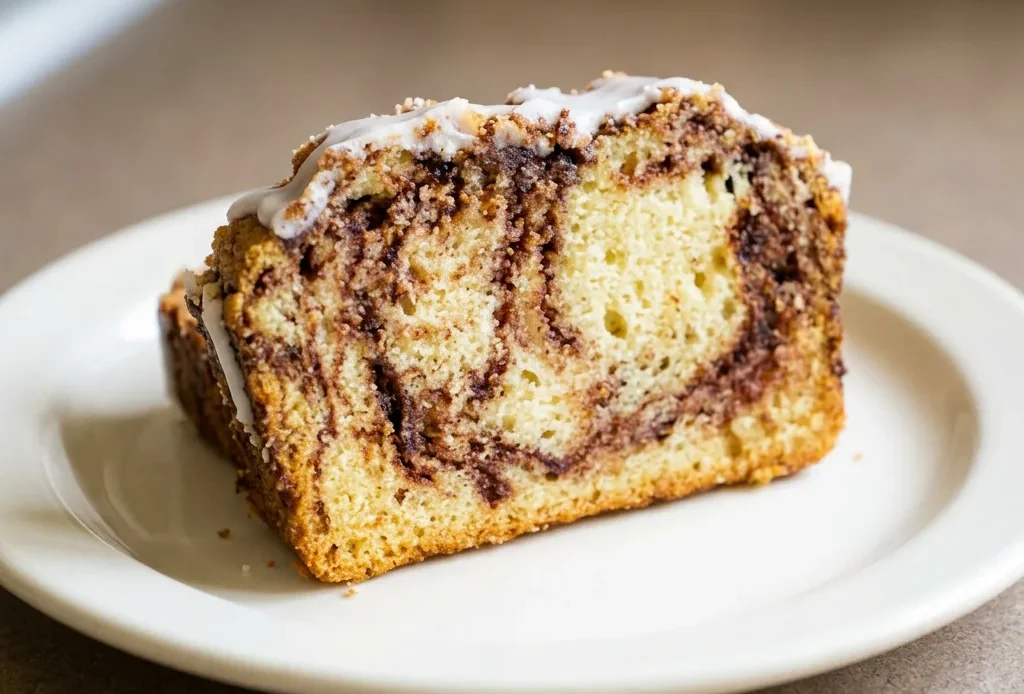
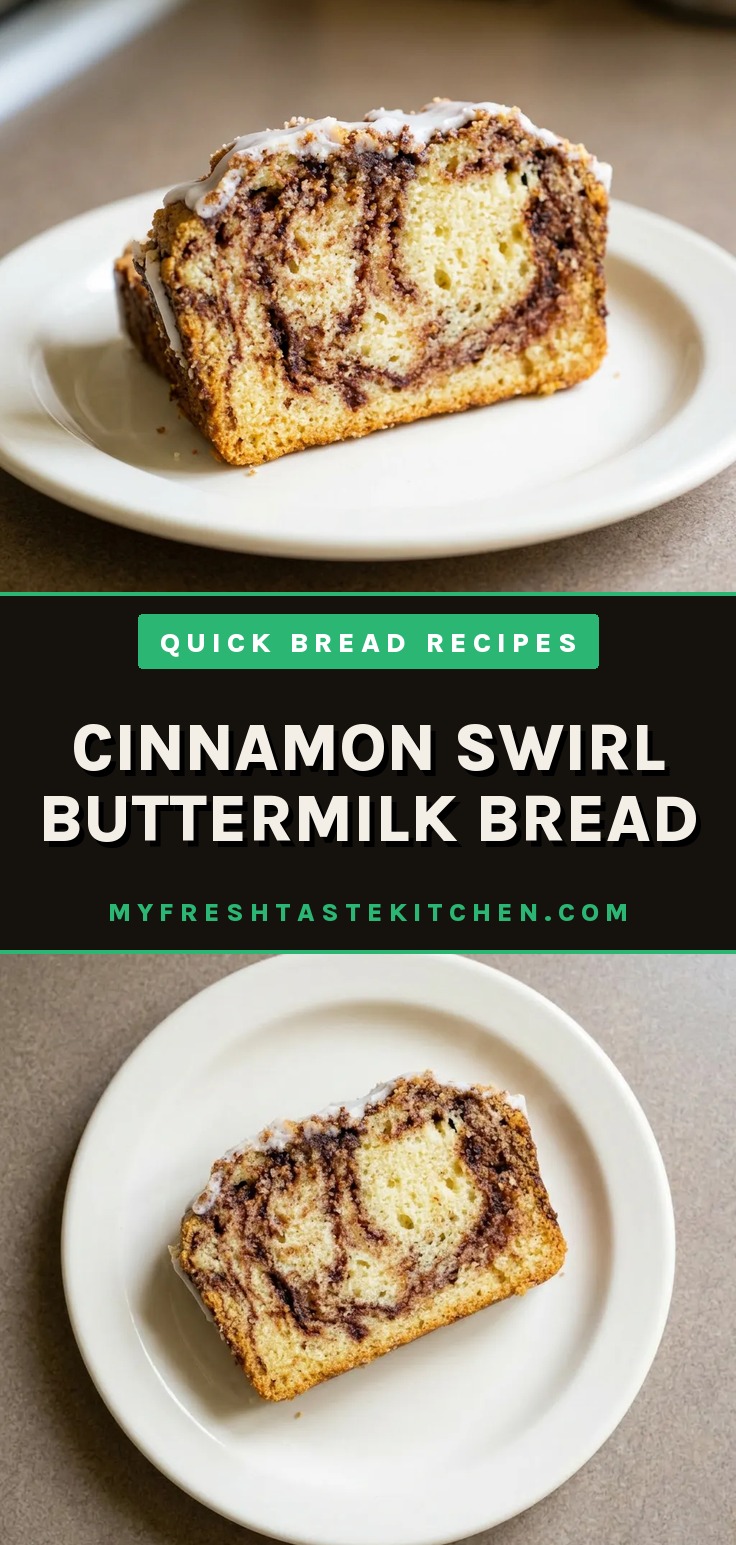
The trick to a cinnamon swirl that stays put is keeping the mixture dry. Sugar and cinnamon, no butter, no water, just grains that get dragged into ribbons when you cut through the batter. That’s the start of a loaf where every slice has a distinct, crackly vein, not a muddy swirl.
The buttermilk does its own work: it softens the crumb so the bread is tender, not tough, and its tang keeps the sweetness in check. This cinnamon swirl buttermilk bread bakes up with a silky texture and a caramelized ribbon that shatters when you bite into it.
Why does buttermilk make the crumb so tender?
Buttermilk does two things here. Its acidity softens the gluten network, so the loaf stays light and almost silky, not tough. That same tang cuts the sweetness of the cinnamon-sugar swirl, bite after bite, the flavor stays balanced, not cloying.
And because the acid reacts with baking soda, you get a strong, even lift without any metallic aftertaste. The batter rises quickly in the oven, and the crumb ends up fine and even.
You can taste the difference: a buttermilk loaf has a subtle tang and a supple texture that milk alone can’t match.
How the cinnamon-sugar swirl creates distinct layers
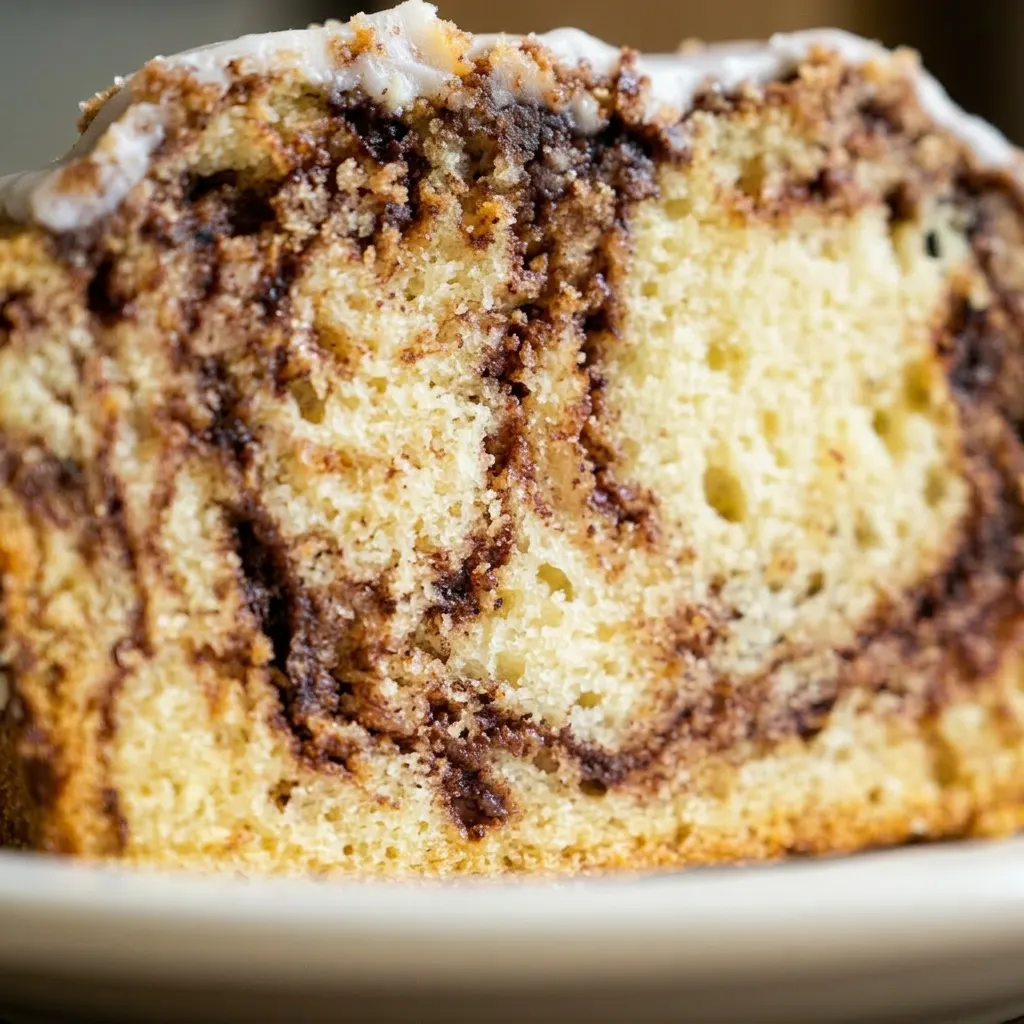
The swirl mixture is dry, just cinnamon and two sugars. Sprinkled between batter layers and on top, it stays put instead of dissolving. When you cut through with a knife, the dry grains get dragged into ribbons that remain visible through the loaf.
During baking, the sugar caramelizes slightly, forming a thin, crackly band with a deeper flavor than the surrounding crumb. That contrast in texture and sweetness is what makes each slice interesting. The key is the dry mix: if it were wet, it would sink or blend in, and you’d lose those separate sweet veins.
What does glazing while warm do for the finish?
Brushing or drizzling the glaze onto a warm loaf, not hot, not fully cooled, lets it sink just below the crust. As the bread cools, that thin layer firms into a delicate, crackly shell that shatters when you slice. The glaze sets to a matte sheen, sweet but not sticky, and it clings evenly because the warmth helps it flow into tiny surface cracks.
You adjust the thickness with milk or sugar so it runs in a steady ribbon, not a blob. The result is a clean, brittle topping that balances the soft crumb underneath.
Prep: 15 min · Cook: 50 min · Total: 1 hr · Servings: 8 · Calories: 370 kcal
What to know about the ingredients before you start
Buttermilk: Use full fat buttermilk for the most tender crumb; low fat works but isn’t as rich.
Butter extract: Optional but gives a buttery depth without adding fat; pure vanilla won’t replicate it.
Cinnamon: Fresh, fragrant cinnamon makes a difference; stale cinnamon will taste flat.
All purpose flour: Measure by weight for accuracy; fluff and spoon if using cups to avoid packing.
Build the swirl so it stays visible through the loaf
Mix the swirl dry
Stir cinnamon with both sugars until no clumps remain. The mixture should feel like fine sand, any lumps will create dense spots instead of clean ribbons.
Combine dry ingredients
Whisk flour, sugar, baking soda, and salt thoroughly. Even distribution of leavening matters here: a streak of baking soda means a bitter bite.
Mix wet and dry
Pour buttermilk, egg, oil, and butter extract into the flour bowl. Fold just until no dry streaks remain, lumps are fine. Overmixing makes the crumb tough and tunnels form.
Layer and swirl
Spread half the batter in the pan. Sprinkle two-thirds of the swirl mix evenly, gaps create plain patches.
Add remaining batter, then the rest of the swirl. Drag a knife through in a zigzag, deep enough to reach the bottom.
You should see distinct cinnamon stripes.
Bake until done
Bake at 350°F for 50 to 60 minutes. Test with a skewer: it should come out with a few moist crumbs, not wet batter. The top springs back when pressed.
Let rest in the pan for 20 minutes, the crumb sets and slicing won’t tear it.
Glaze while warm
Whisk confectioners’ sugar, milk, and vanilla until smooth. Drizzle over the warm loaf, it should flow in a steady ribbon, not blob. The glaze sinks into the crust and sets to a crackly shell as it cools.
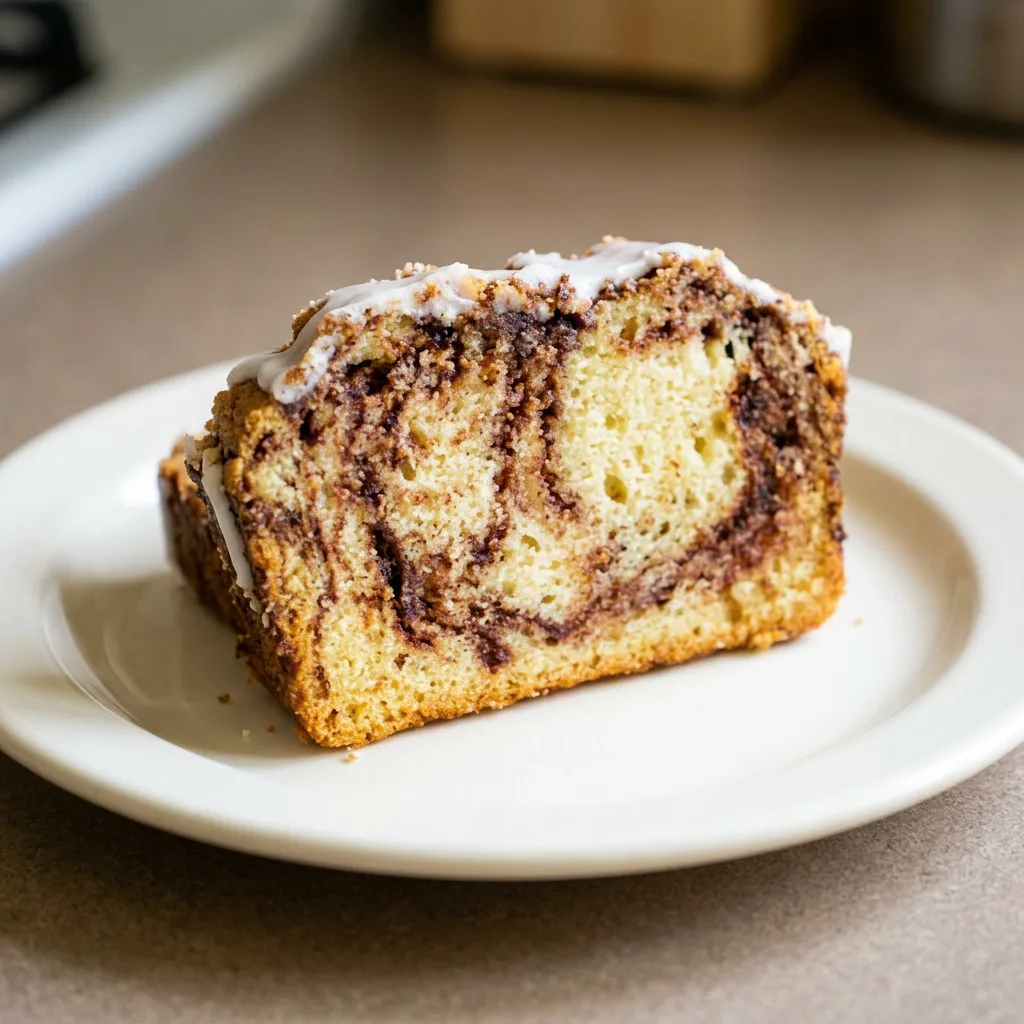
Cinnamon Swirl Buttermilk Bread
Ingredients
Method
Mix Cinnamon Sugar:
In a small bowl, mix together 2 1/2 teaspoons cinnamon, 2 tablespoons brown sugar, and 1/4 cup granulated sugar; reserve.
Whisk Dry Ingredients:
In a large bowl, whisk 2 cups all purpose flour (250g), 1 cup granulated sugar (200g), 1 teaspoon baking soda, and 1/2 teaspoon salt; set aside.Combine Wet and Dry:
In a medium bowl, combine 1 cup buttermilk, 1 egg, 1/4 cup canola oil (60ml), and 1 teaspoon butter extract (optional). Pour the wet mixture into the dry ingredients and stir until just combined; avoid overmixing.Layer Batter and Swirl:
Coat a 9×5-inch loaf pan with nonstick spray. Add half the batter to the pan. Evenly distribute 2/3 of the cinnamon-sugar mixture over the batter. Cover with the remaining batter, then sprinkle the rest of the cinnamon-sugar on top. Use a knife to cut through the batter, creating a swirl effect. Bake right away for optimal rise.Bake and Cool:
Bake at 350°F (175°C) for 50-60 minutes, or until a tester inserted in the center comes out clean or the top springs back when lightly pressed. Let cool on a wire rack for at least 20 minutes before slicing. Serve warm or at room temperature.
Make and Drizzle Glaze:
For the glaze: In a small bowl, whisk 1/2 cup confectioners’ sugar (60g), 1-2 tablespoons milk, and 1/2 teaspoon vanilla extract until smooth. Adjust consistency with more sugar or milk as needed. Drizzle over the loaf while still warm or after cooling. Allow glaze to set.
Storing and Serving
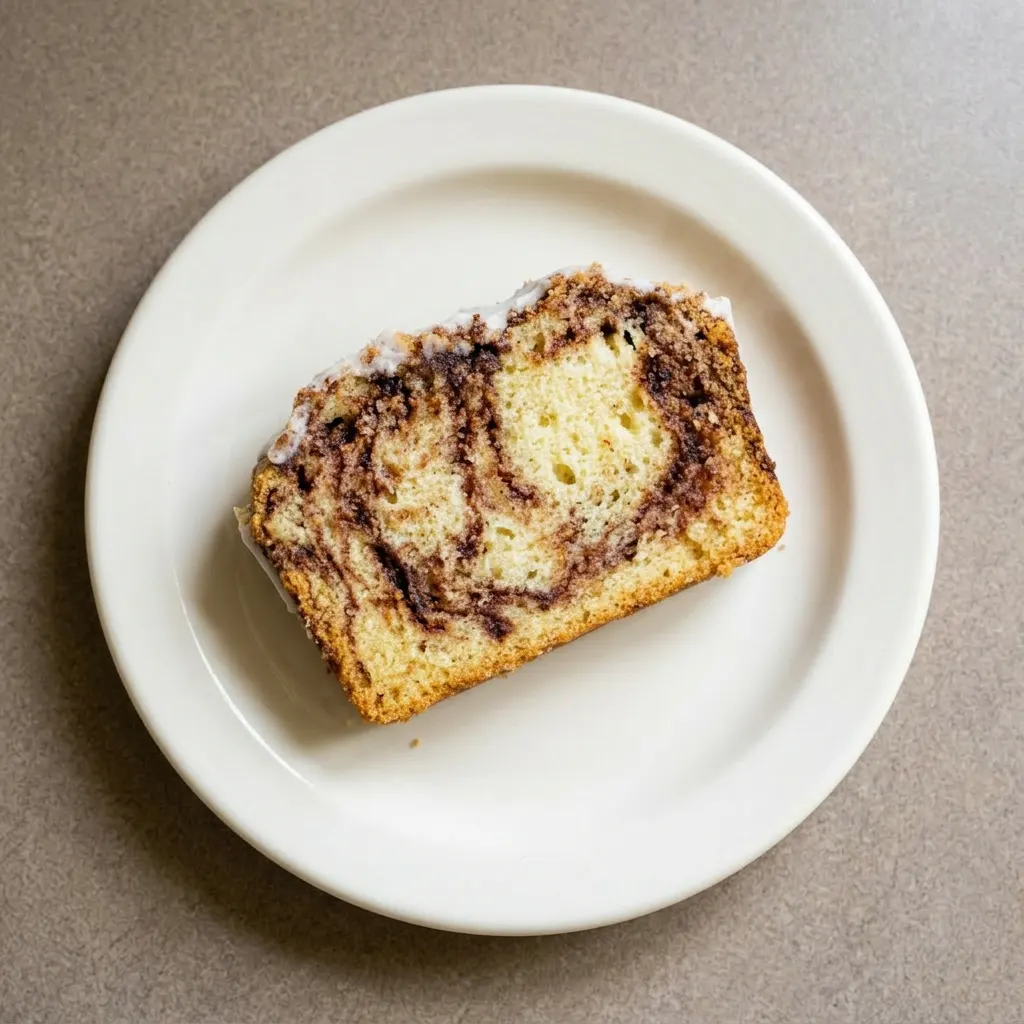
This bread is best the day it’s made, when the crumb is moist and the glaze is crackly. Leftover slices keep in an airtight container at room temperature for up to 3 days; the glaze softens but the crumb stays tender. Refrigeration dries out baked goods, so only refrigerate if your kitchen is very warm or humid, and warm slices briefly in a 300°F oven to restore texture.
To freeze, wrap the cooled, unglazed loaf tightly in plastic wrap then foil; freeze for up to 3 months. Thaw at room temperature, then glaze and serve.
The glaze does not freeze well; it turns sticky and loses its crackle. For make-ahead, bake the loaf a day ahead, cool completely, store wrapped at room temperature, and glaze just before serving. Let glaze set for 10 minutes before slicing.
Three swaps that work in this quick bread
Buttermilk: 1 cup milk plus 1 tablespoon vinegar or lemon juice, let sit 5 minutes. The milk curdles enough to mimic buttermilk’s acidity, so the crumb stays tender and the loaf lifts well. The tang is slightly milder, but the difference is subtle.
Butter extract: Omit or replace with 1/2 teaspoon vanilla extract. Without it, the bread loses that subtle buttery aroma. Vanilla adds a different sweetness; the loaf still tastes good, just less rich.
All purpose flour: 1:1 gluten-free flour blend with xanthan gum. The crumb becomes denser and slightly more tender; it won’t rise as high. Measure by weight for best results.
No other flour substitution works without changing texture.
Tips
- If your batter seems stiff after mixing, let it rest for 5 minutes before layering, the flour hydrates and the batter relaxes, making it easier to spread without deflating the bubbles.
Frequently Asked Questions
Can I make this bread ahead of time and glaze it later?
Yes. Bake the loaf a day ahead, cool it completely, wrap it tightly at room temperature, then glaze just before serving. The glaze sets best on a warm loaf, but if you glaze too early, the crust softens and the crackle disappears.
Let the glaze set for 10 minutes before slicing.
Why did my cinnamon swirl sink to the bottom of the loaf?
The swirl sank because the batter was too thin or the pan wasn’t baked right away. This batter relies on the acid-base reaction for lift, so any delay lets the swirl settle. Next time, bake immediately after swirling, and make sure your buttermilk is fresh, old buttermilk loses acidity and won’t give enough structure.
How is this different from a classic cinnamon swirl bread?
A classic cinnamon swirl bread uses yeast and takes hours to rise; this is a quick bread leavened with baking soda and buttermilk. The crumb here is tender and silky, not chewy, and the swirl stays in distinct, crackly ribbons rather than dissolving into the dough. You get a soft, fine texture with a tangy balance.
