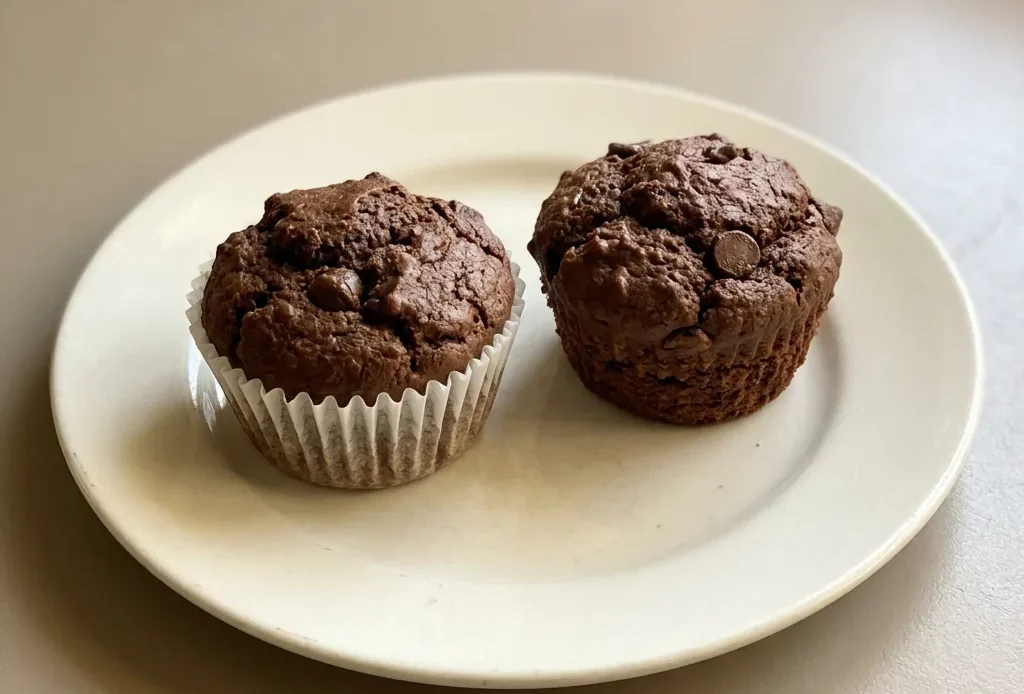
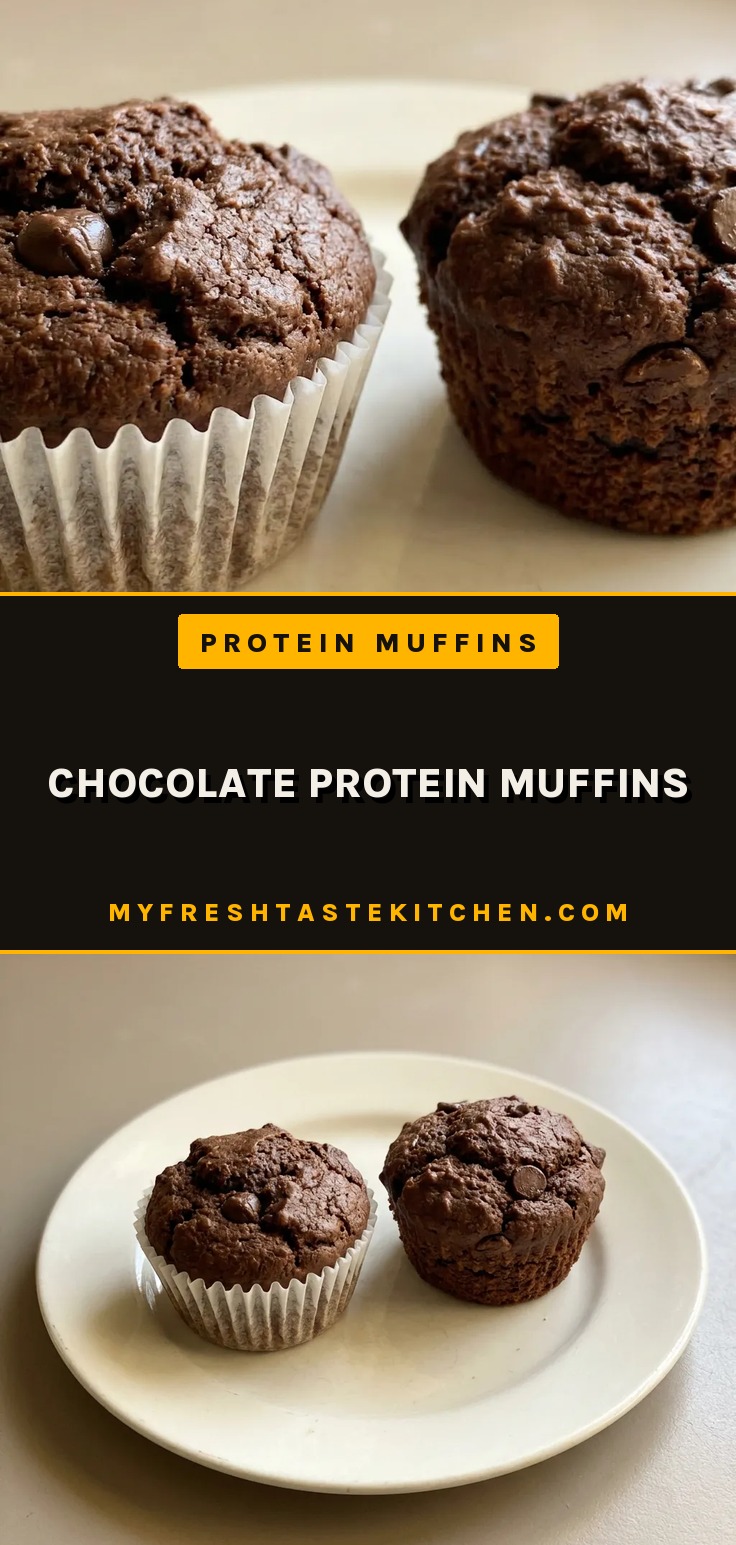
The line between a protein muffin and a dry, chalky puck is narrow, and mostly about moisture. Protein powder drinks up liquid like crazy, so you can’t just swap flour for powder and call it a day. These chocolate protein muffins lean on Greek yogurt and oil to keep the crumb tender without turning dense.
The batter looks thick and a little lumpy, which is exactly what you want. Overmix and you’ll get a tough muffin that won’t rise right; under-hydrate and the protein steals every drop. These bake up with a real chocolate flavor and a soft, springy texture that doesn’t need a glass of milk to choke down.
Protein powder demands extra moisture
Protein powder soaks up liquid more aggressively than flour does. Without compensation, the muffins turn out dry or rubbery. The recipe counters that with Greek yogurt and oil.
Yogurt adds fat and moisture, oil does the same without adding water that could upset the flour’s hydration. The wet-to-dry ratio is deliberate: enough liquid to keep the crumb tender even after the protein grabs its share. If you’ve ever made protein muffins and got hockey pucks, this balance is what you were missing.
Two leaveners for lift and color
Baking powder does the heavy lifting in a batter that’s mostly neutral. Baking soda needs an acid to activate, and the yogurt provides that.
The soda’s reaction produces browning, those golden tops don’t come from baking powder alone. It also neutralizes the yogurt’s tang, so the muffins don’t taste sour. Together they give a light crumb without the metallic aftertaste that too much baking powder can leave.
These high protein muffins rise evenly and bake up with a appetizing color.
Sweetener changes the muffin’s character
Granulated sugar gives a crisper top and a more open crumb because it doesn’t add extra water. Liquid sweeteners like honey or maple syrup bring moisture, which makes the crumb softer and denser.
They also contain fructose, which browns faster, your muffins will come out darker at the same bake time. The first option is better if you want a sturdy muffin that holds together; the second yields a more tender, almost sticky texture. Both make healthy protein muffins, just with different personalities.
Choose based on whether you want a snap or a chew.
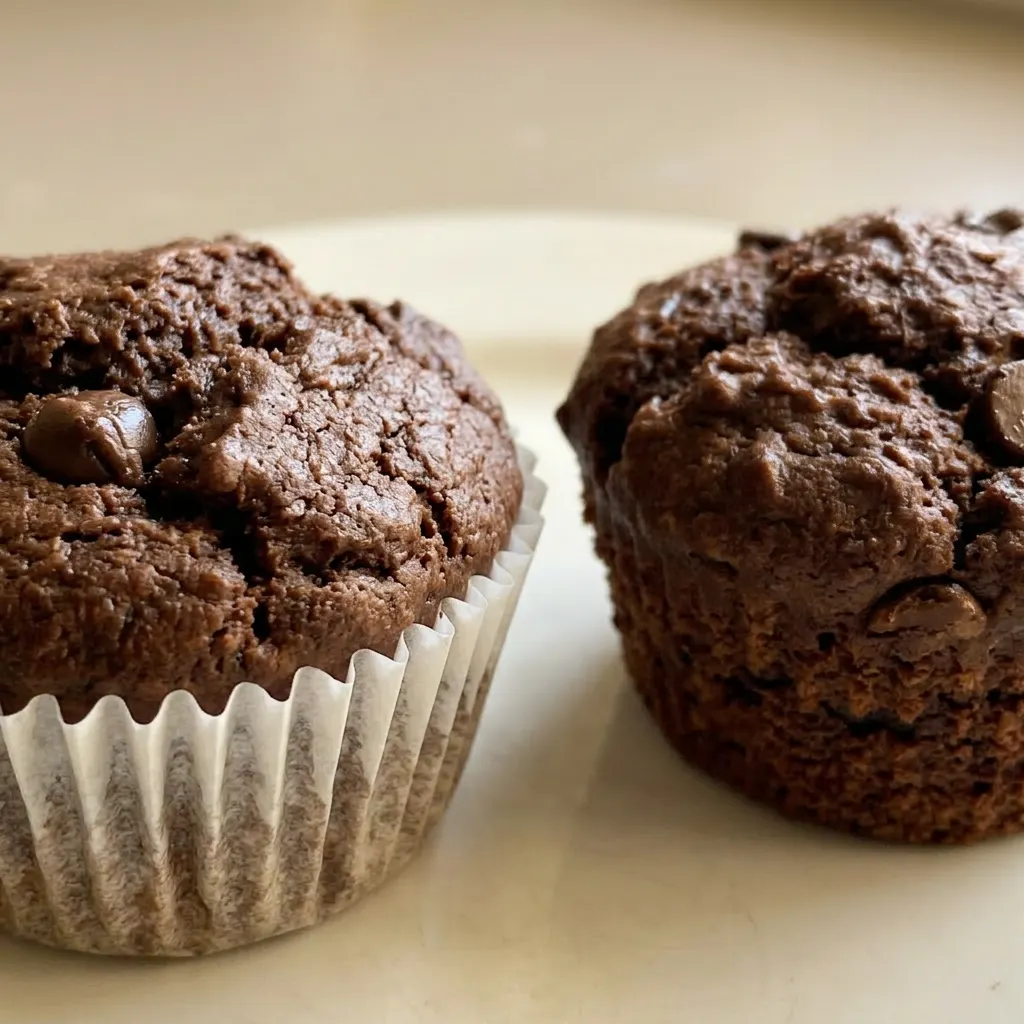
Prep: 10 min · Cook: 20 min · Total: 30 min · Servings: 12
What to know about the ingredients
protein powder: Whey or plant based work but the flavor and texture shift slightly with each brand.
cocoa powder: Natural unsweetened, not Dutch processed; Dutched can make the crumb less tender.
Greek yogurt: Full fat gives more moisture and tenderness than nonfat or low fat.
oil: Neutral like canola or avocado; coconut oil works if melted and cooled slightly.
chocolate chips: Mini chips spread more evenly and don’t sink as much as full size ones.
I still find myself stirring a few extra times out of habit, but I stop the second the flour streaks disappear because I know those last folds are what turn muffins into hockey pucks.
The order of mixing protects the crumb
Whisk the dry ingredients
Whisk flour, protein powder, cocoa, sugar, baking powder, baking soda, and salt together in a large bowl until no streaks remain. The protein powder tends to clump; breaking those apart now prevents dry pockets later.
Combine the wet ingredients
In a separate bowl, beat eggs, milk, yogurt, oil, and vanilla until smooth. The mixture will look thick and creamy from the yogurt. If using a liquid sweetener, add it here so it blends evenly before hitting the flour.
Fold wet into dry gently
Pour the wet mix over the dry and fold with a spatula just until no dry flour remains. The batter will be thick and a little lumpy, that’s fine. Overmixing develops gluten, making muffins tough and dense, so stop as soon as it comes together.
Fold in chocolate chips if using
Add chocolate chips and give three or four folds to distribute. Overmixing at this stage can melt the chips into the batter, muddying the texture. You want distinct pockets of chocolate.
Fill the muffin cups
Divide the batter evenly among 12 lined muffin cups, filling each about three-quarters full. A cookie scoop or two spoons works. The batter should mound slightly but not overflow.
Too little gives flat tops; too much spills over.
Bake until the tops spring back
Bake at 350°F for 18 to 22 minutes. Test by pressing the center of a muffin lightly, if it springs back without leaving a dent, it’s done. A toothpick inserted should come out with a few moist crumbs, not wet batter.
Don’t overbake or the protein powder will dry them out.
Cool in the pan, then on a rack
Let the muffins sit in the pan for 5 minutes. This lets them set so they don’t tear when removed. Then transfer them to a wire rack to cool completely.
The bottoms can steam and become soggy if left in the pan too long.
Chocolate Protein Muffins (Moist & Fluffy)
Ingredients
- 1 cup all-purpose flour (or oat flour) 125 g
- ½ cup protein powder (whey or plant-based) 50–60 g
- ¼ cup unsweetened cocoa powder 25 g
- ½ cup granulated sugar (or ⅓ cup honey/maple syrup) 100 g
- 2 tsp baking powder
- ¼ tsp baking soda
- ¼ tsp salt
- 2 large eggs
- ¾ cup milk (dairy or plant-based) 180 ml
- ½ cup Greek yogurt or dairy-free yogurt 120 g
- ⅓ cup neutral oil 80 ml
- 1 tsp vanilla extract
- ½ cup chocolate chips Optional
Instructions
Preheat Oven and Line Tin:
Heat the oven to 350°F (175°C) and place paper liners in a muffin tin.Whisk Dry Ingredients Together:
In a large mixing bowl, combine flour, protein powder, cocoa powder, sugar (or honey/maple syrup), baking powder, baking soda, and salt with a whisk.Beat Wet Ingredients Separately:
In a separate bowl, beat eggs, milk, yogurt, oil, vanilla, and sweetener (add honey/maple syrup here if using).Fold Wet into Dry Mixture:
Pour the wet mixture into the dry and fold gently until just incorporated; avoid overmixing. Add chocolate chips at this point if desired.Fill Muffin Cups Evenly:
Distribute the batter evenly among the muffin cups, filling each to about three-quarters full.Bake Until Firm and Bouncy:
Bake for 18–22 minutes, until the tops feel firm and bounce back when lightly pressed.Cool and Serve Muffins:
Let the muffins cool in the pan for 5 minutes, then move them to a wire rack to finish cooling. Serve and enjoy.
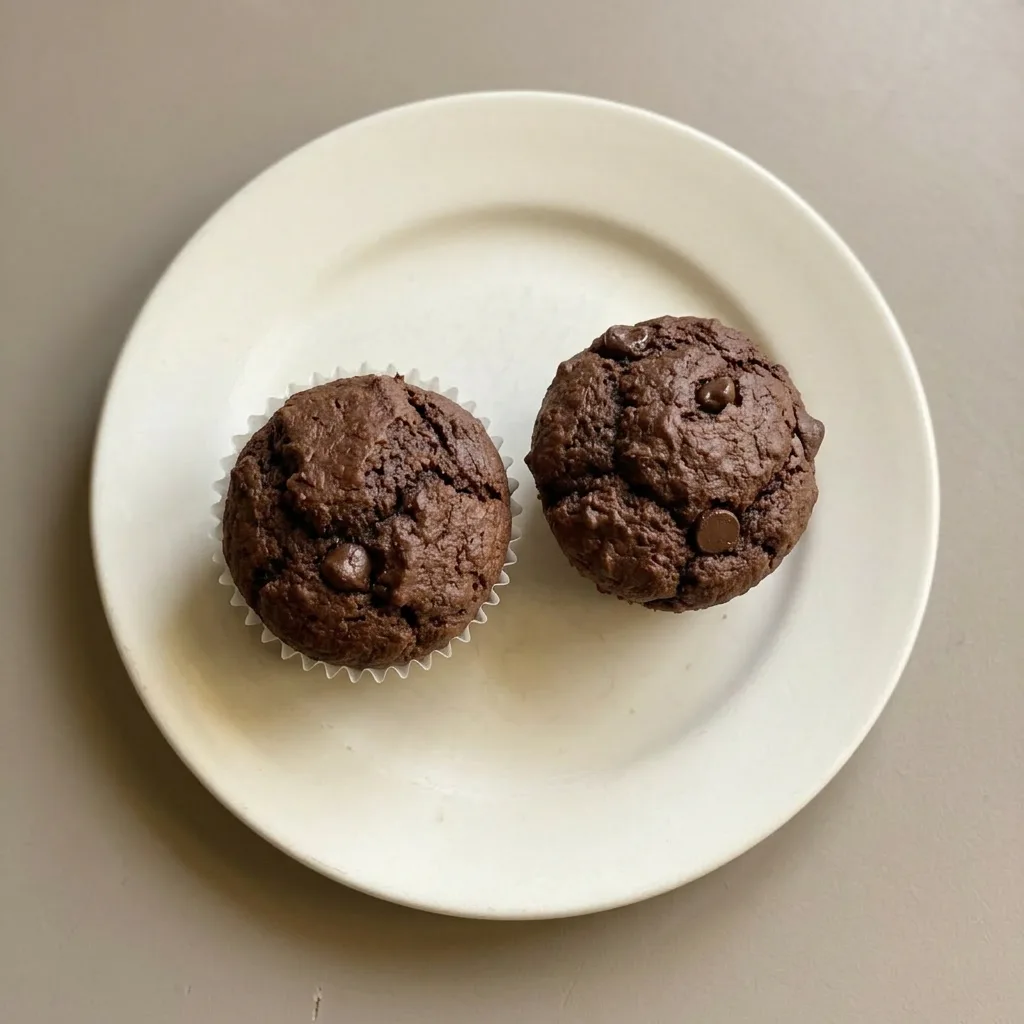
Gluten-free and vegan swaps that actually work here
all-purpose flour: Use oat flour (certified gluten-free if needed) in the same volume, 1 cup. Oat flour soaks up a little more moisture than all-purpose, so the muffins will be slightly denser and more tender. The crumb holds together fine because the protein powder and yogurt already add structure.
This swap is the way to make gluten free protein muffins without a gritty texture.
protein powder: Plant-based protein powder can replace whey, same weight (50, 60 g). Plant powders vary wildly in absorbency.
With pea or rice protein, the batter may be thicker; you might need an extra tablespoon of milk to get the same consistency. The flavor will be earthier, cocoa helps mask it. Whey gives a lighter, fluffier crumb; plant-based makes a denser, more fudgy muffin.
Greek yogurt: Use a dairy-free yogurt (plain, unsweetened) in the same volume, ½ cup. Dairy-free yogurts are thinner than full-fat Greek.
The batter will be looser, and the muffins may dome less and spread more. To compensate, you can reduce the milk by a tablespoon. The tang from yogurt is milder, so the baking soda has less acid to react with, you might see less browning on top.
Still works, but expect a flatter top and a slightly more tender crumb.
milk: Any plant-based milk (unsweetened) works, same ¾ cup. Almond, oat, or soy all behave similarly here.
The main difference is fat content: oat and soy give a slightly richer texture; almond makes a leaner muffin. None will break the recipe. Just avoid sweetened or flavored milks, they throw off the sugar balance and can make the muffins taste off.
Storage and Serving
These muffins are best eaten the day you bake them, when the crumb is tender and moist. After 24 hours at room temperature, the protein powder will pull moisture from the yogurt and oil, making the texture slightly denser but still pleasant.
Store them in an airtight container for up to 3 days; after that, they dry out noticeably. For longer storage, freeze individual muffins in a zip-top bag or airtight container for up to 3 months. To restore softness, microwave a frozen muffin for 20 to 30 seconds, or warm it in a 300°F oven for 5 minutes.
Avoid refrigerating the muffins, as the fridge accelerates staling. If you added chocolate chips, they’ll stay soft at room temperature; frozen chips firm up but re-melt on reheating. Serve at room temperature or slightly warm for the best texture.
Tips
- Toss chocolate chips in a teaspoon of flour before folding them in to prevent sinking to the bottom.
Frequently Asked Questions
Can I make these muffins ahead of time and freeze them?
Yes, freeze them in an airtight container for up to 3 months. The protein powder will pull moisture over time, so they’re best the day you bake them, but frozen muffins reheat nicely.
Microwave a frozen muffin for 20 to 30 seconds or warm in a 300°F oven for 5 minutes to restore softness. Don’t refrigerate them, the fridge accelerates staling.
How do I know when the muffins are done without a toothpick test?
Press the center of a muffin lightly; if it springs back without leaving a dent, it’s done. The tops should feel firm and look set, not wet or shiny. The baking soda in this recipe helps brown the tops, so you can also look for a golden color.
Overbaking dries them out because protein powder holds onto moisture differently than flour.
My muffins turned out dense and flat, what went wrong?
Overmixing is the most likely culprit, it develops gluten, making the crumb tough and preventing rise. Fold just until no dry flour remains; lumps are fine. Another possibility: your baking powder or soda is old and lost its power.
Check the dates. If you used a liquid sweetener like honey, the extra moisture can also yield a denser texture compared to granulated sugar.
Are these muffins supposed to taste like a regular chocolate muffin or more like a protein bar?
Closer to a regular chocolate muffin, but with a denser, more tender crumb from the protein powder and yogurt. They’re not dry or chalky like a typical protein bar.
The cocoa and sugar keep the chocolate flavor forward, and the yogurt adds moisture without tang. If you use whey protein, the texture is lighter; plant-based makes it fudgier, but neither tastes like a bar.