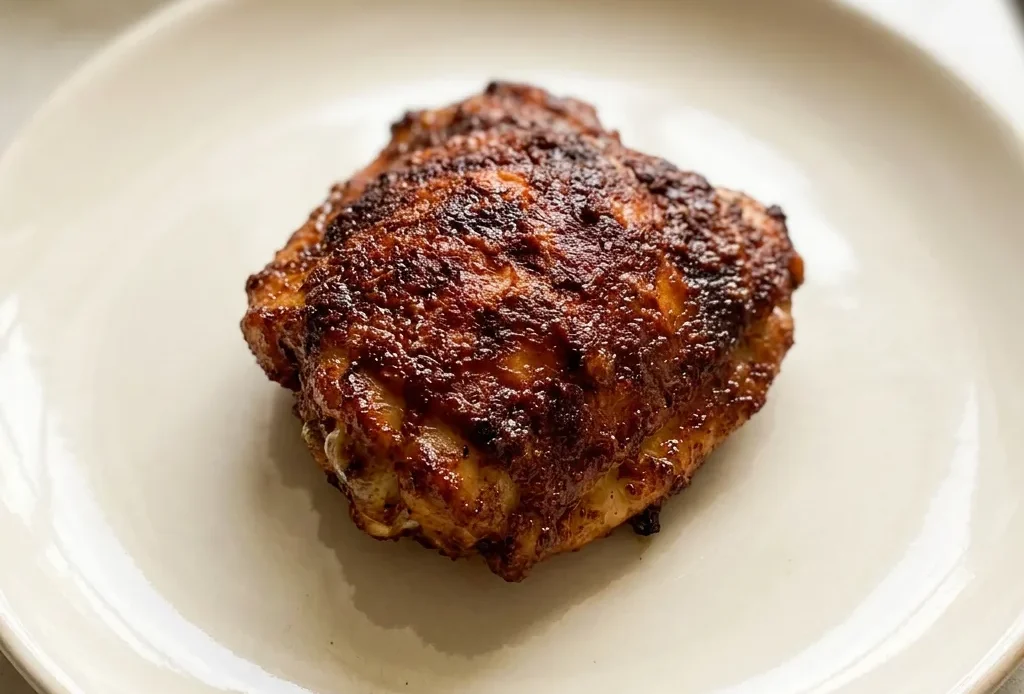
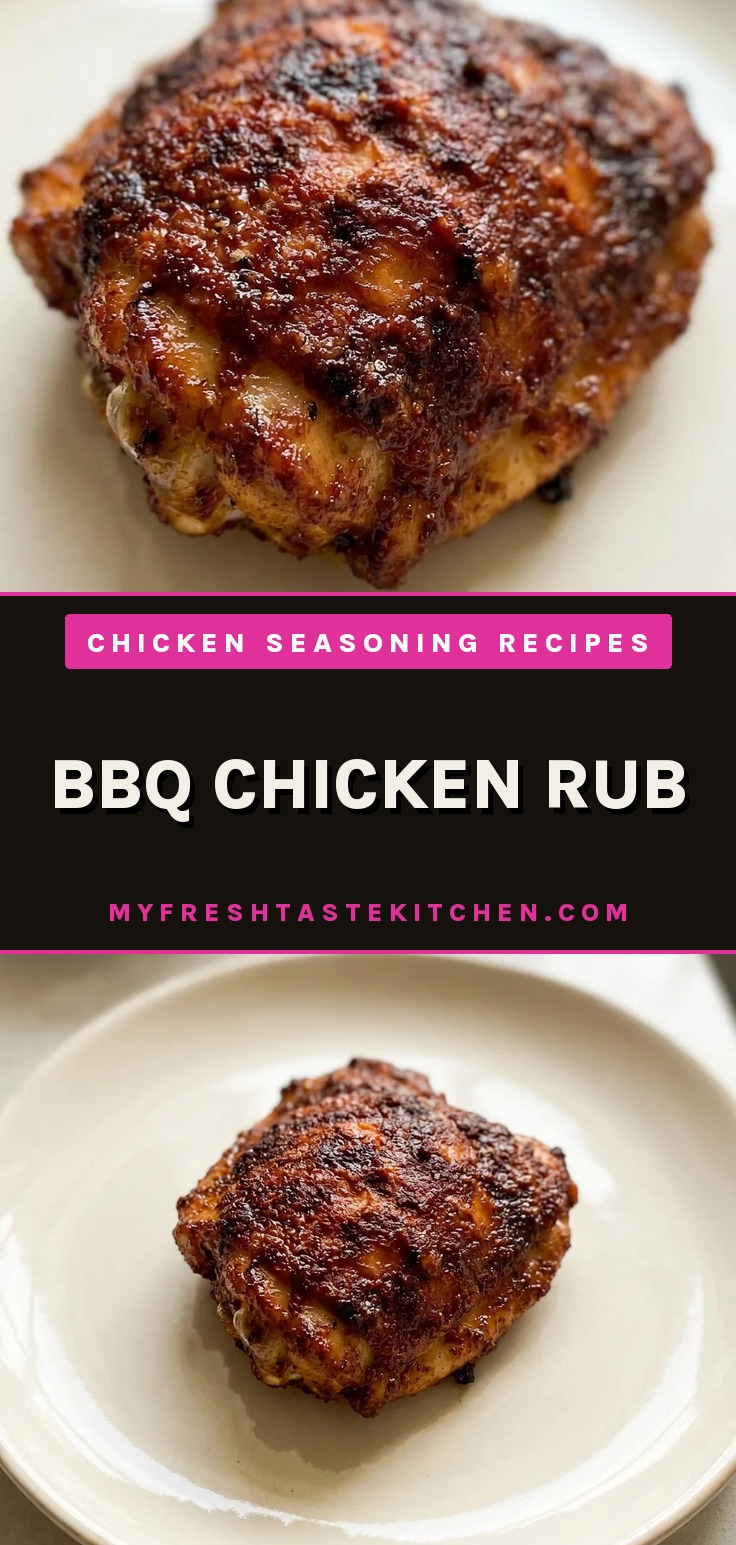
Smoked paprika and brown sugar hit before the heat does. This bbq chicken rub builds a bark that tastes like hours over coals, but the real work happens in the hour after you apply it, that rest is where the salt pulls the spices into the meat, not just the skin. Miss that window and you’re seasoning the surface, not the chicken.
Why is smoked paprika the key spice here?
Smoked paprika gives this rub its signature BBQ character. It’s not just for color, though the deep red hue does signal what’s coming.
The real payoff is that slow-smoke aroma that tricks your nose into thinking the chicken has been on the grill for hours. When you open the jar, you should get a whiff of woodsmoke, not just sweet pepper. That’s what sets it apart from standard paprika.
Paired with brown sugar, the rub lands squarely sweet-and-savory, the sugar rounding off paprika’s slight bitterness. Together they create a flavor that tastes like it spent time over coals, even before the fire’s lit.
What does the hour-long rest actually do?
That rest after applying the rub isn’t optional if you want the seasoning to hit more than the surface. Salt in the mix pulls moisture from the meat, then that salty liquid carries the spices back into the fibers as it’s reabsorbed. You’ll see the rub turn pasty, then the chicken look drier before it looks wet again.
That’s the good sign. An hour at room temperature gives the process enough time to penetrate about a quarter inch.
Any less and the flavor stays mostly on the outside; any more and you risk the salt curing the surface. The result is seasoned meat, not just seasoned skin.
How does this rub handle skin-on versus skinless chicken?
The rub works on both, but you handle them differently. On skin-on pieces, the sugar and paprika form a tacky layer that sticks without falling off.
Lift the skin and press rub directly onto the meat underneath, or the seasoning only flavors the skin, not the flesh. For skinless chicken, there’s no barrier, the rub lands straight on the meat, so it hits the tongue with every bite.
The sugar still does its job there too, forming a caramelized crust once it hits heat. Either way, you get that balance of smoke and sweet that defines BBQ.
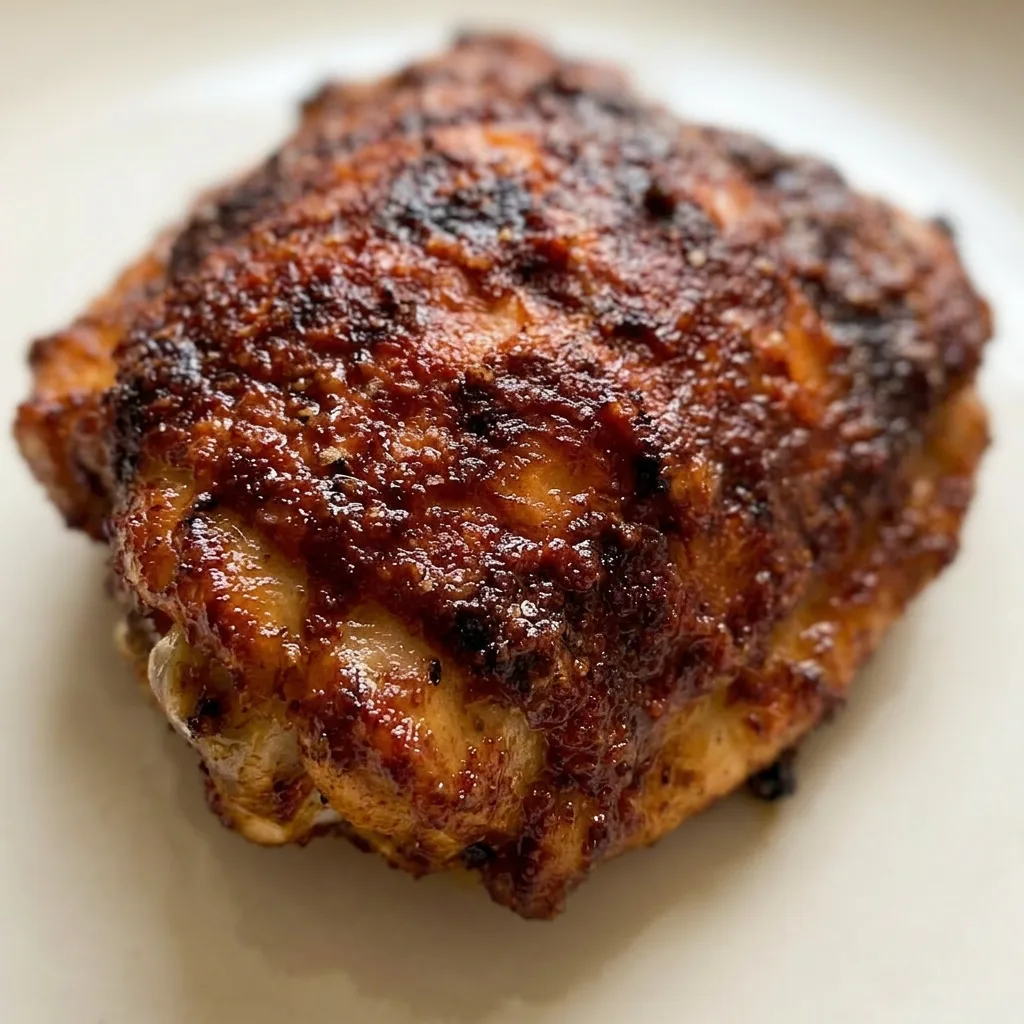
Prep: 10 min · Total: 1 hr 10 min · Servings: 7 · Calories: 30 kcal
What to look for in each ingredient
smoked paprika: Buy the kind that smells like woodsmoke, not just sweet pepper. That deep aroma is the backbone.
brown sugar: Make sure it’s fresh and soft, not rock hard. Hard sugar won’t break down evenly in the rub.
chili powder: Use a standard American blend, not pure ground chile. The blend already has cumin and garlic balanced in.
cayenne pepper: A little goes a long way. 1/4 teaspoon gives a mild tingle, not a burn. Adjust if you want more heat.
Most people just sprinkle the rub on top and call it a day, but the skin blocks all the flavor from reaching the meat.
Mixing and applying the rub: what to look for
Mix the rub
Combine all dry ingredients in a small bowl. Stir until the brown sugar is fully broken up, no clumps.
You should see a uniform deep rust color with no pale patches. That means the spices are evenly distributed.
Apply to chicken
Sprinkle rub generously over the chicken. Press it in firmly with your fingers; the rub should stick and form a tacky layer. For skin-on chicken, lift the skin and rub some directly onto the meat, otherwise the seasoning only flavors the skin.
Rest the chicken
Let the seasoned chicken sit at room temperature for 1 hour. At first the rub will look pasty as salt draws out moisture. After about 30 minutes, the surface will appear drier, then gradually look wet again.
That wet look means the seasoned liquid is being reabsorbed. Stop there.
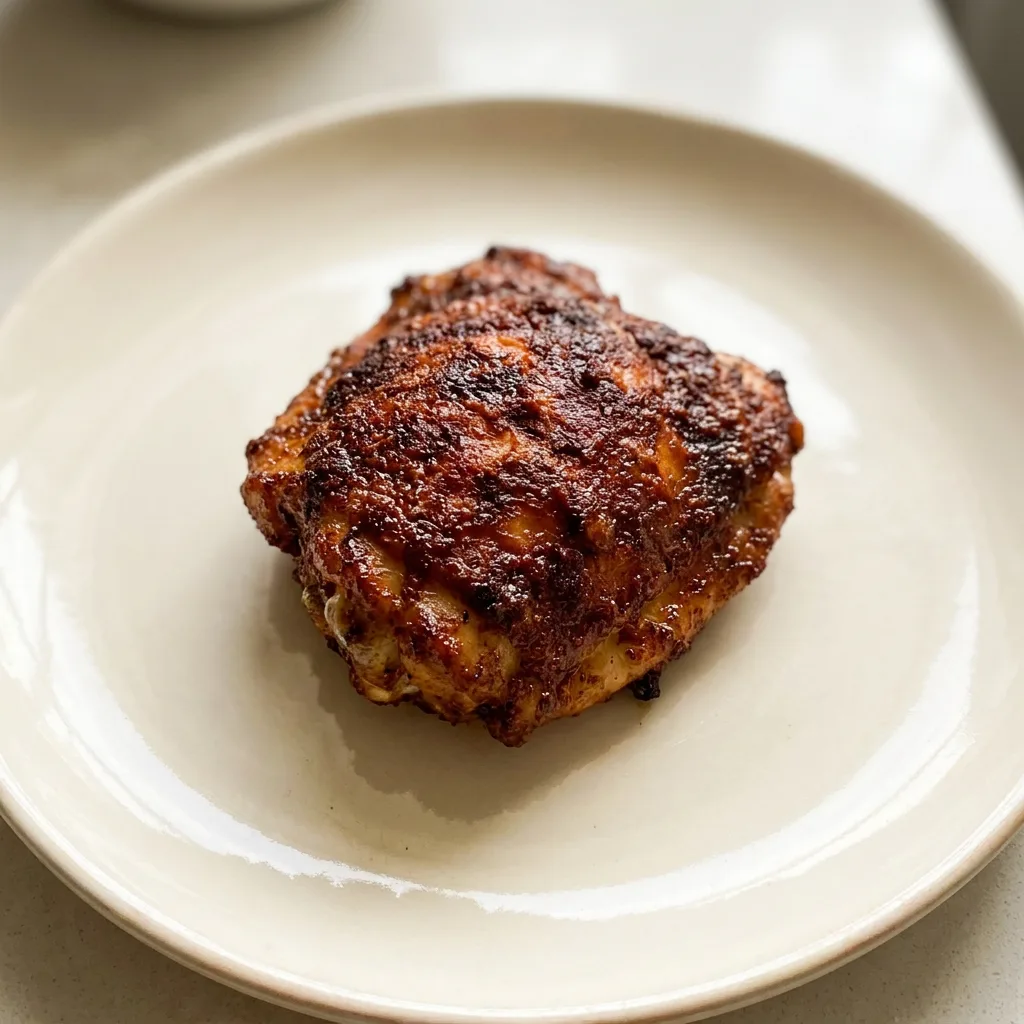
BBQ Chicken Rub
Ingredients
Method
Mix dry rub:
Combine the smoked paprika, brown sugar, chili powder, garlic powder, onion powder, salt, black pepper, and cayenne pepper in a small bowl.Stir until uniform:
Stir the mixture vigorously until uniform, ensuring no lumps remain.Apply rub to chicken:
Apply the rub liberally to the chicken, massaging it into the flesh. For skin-on breasts, work some under the skin as well.Rest seasoned chicken:
Allow the seasoned chicken to rest at room temperature for at least 1 hour before grilling. Enjoy!
Swapping ingredients without losing the smoke-and-sweet balance
brown sugar: coconut sugar. Coconut sugar is less sweet and doesn’t caramelize as dark, so the crust will be lighter and less sticky. Use the same 2 tablespoons and expect a more muted sweet note.
cayenne pepper: omit or add chipotle powder. Skipping cayenne removes all heat, the rub remains smoky-sweet. For a smoky heat instead, swap in 1/4 teaspoon chipotle powder; it adds a deeper, earthier burn without changing the spice level.
smoked paprika: do not swap. Smoked paprika is the backbone here.
Regular paprika gives color but zero smokiness; the rub would taste like sweet spices on plain chicken. No substitute delivers that campfire character.
chili powder: ancho chile powder + cumin. Standard chili powder already has cumin and garlic.
If you use pure ancho powder, add 1/2 teaspoon ground cumin and 1/4 teaspoon garlic powder to match the blend. The heat will be milder, adjust cayenne up if needed.
Storage and Serving
Store leftover rub in an airtight jar at room temperature for up to 6 months. Humidity can cause the sugar to clump, so keep the jar in a cool, dry cabinet. If clumps form, break them up with a fork before using.
The rub’s flavor stays sharp for about 3 months, then gradually fades. To refresh a batch that’s been sitting longer, add a pinch of smoked paprika and cayenne. For the best texture, apply the rub to chicken and let it rest 1 hour before grilling.
That rest window isn’t flexible; the salt needs that time to penetrate. The rub itself doesn’t require refrigeration. Serve the grilled chicken right off the heat, within 10 minutes, while the crust is firm and the meat is juicy.
Leftover cooked chicken keeps in the fridge for 3 days. Reheat in a 350°F oven for 10 minutes to restore the bark’s crispness, not the microwave.
Tips
- Toast the smoked paprika in a dry skillet over medium heat for 30 seconds, shaking constantly, until fragrant. Let it cool before mixing. This deepens the smoky aroma without burning the sugar later.
- For even coverage, apply the rub in two passes: a light initial coat to adhere, then a second heavier coat. Press firmly after each pass. This prevents clumping and ensures each piece gets the same spice ratio.
Frequently Asked Questions
Can I use this rub on other meats like pork or beef?
Yes, it works well on pork chops or beef steaks. The brown sugar caramelizes on any meat, but pork and beef can handle a longer rest, up to 2 hours, without over-curing. Adjust the rest time based on thickness; thin cuts need less.
How long can I store the leftover rub?
Store it in an airtight jar at room temperature for up to 6 months. Humidity might clump the sugar, so keep it in a cool, dry spot. The flavor stays sharp for about 3 months; after that, add a pinch of smoked paprika and cayenne to refresh it.
Should I rinse the chicken before applying the rub?
No, don’t rinse it, pat the chicken dry with paper towels. Rinsing adds moisture that dilutes the rub and splatters bacteria around the sink. Dry skin helps the rub adhere and form that tacky layer you want before the rest.