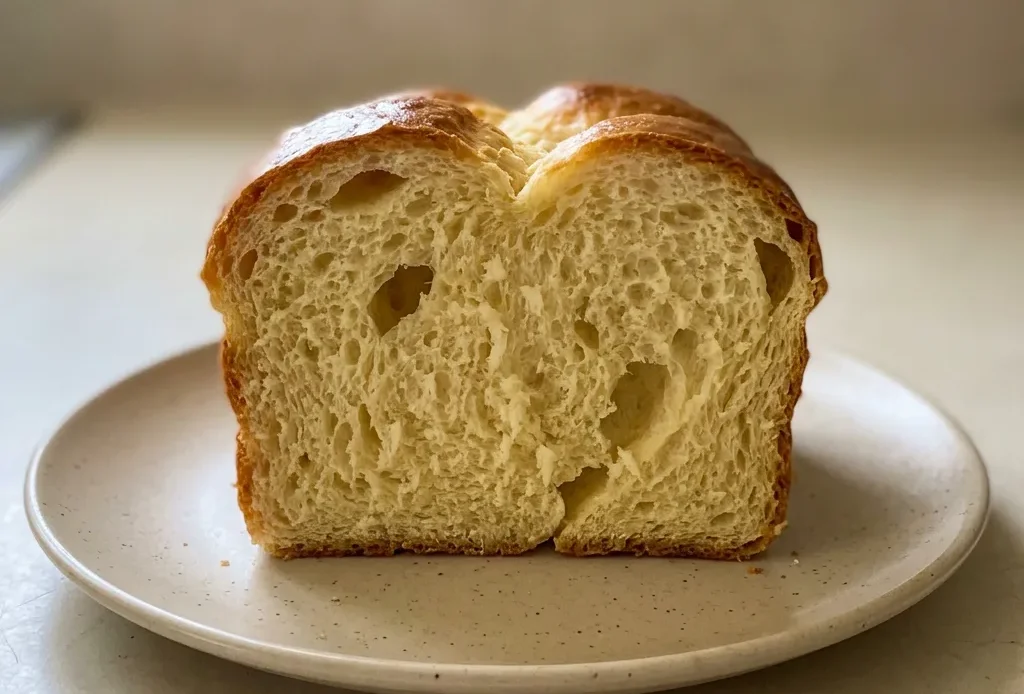
Brioche is a rich dough that punishes shortcuts. The butter, half a cup of it, needs to go in one piece at a time, fully worked in before the next chunk, or the dough turns greasy and never develops that fine, tender crumb. Most home bakers quit too early on kneading because the dough stays tacky; they think something’s wrong.
It’s not. That slight stickiness means the fat is suspended evenly, not pooling. This soft brioche bread gets its bakery-style pull-apart texture from two proper rises and a careful hand with the butter, not from special equipment or a pastry chef’s patience.
Butter and eggs make brioche tender
A high proportion of butter and eggs is what gives brioche its soft, tender crumb. But that richness comes with a catch: add the butter too fast or skip thorough kneading, and the dough turns greasy.
You’ll see it separate, feel slickness. Properly incorporated, the dough stays soft and slightly tacky even after kneading, it won’t look like a lean bread dough.
That’s fine. The tackiness means the fat is suspended evenly, not pooling.
Trust that feel.
Yeast activation sets the rise
Yeast needs a warm, sugary start to show it’s alive. Warm milk at 110°F, a pinch of sugar, and within 5 to 10 minutes you should see a foamy top.
No foam? The yeast is dead, the dough won’t rise. Start over.
That foam is your visual cue that the yeast is active and ready to leaven the enriched dough. Warm milk provides the ideal temperature without killing the yeast; too hot and you’ll kill it, too cool and activation stalls.
Two rises build structure and flavor
5 to 2 hours. 5 to 2 hours until it’s unmistakably doubled in volume before shaping.
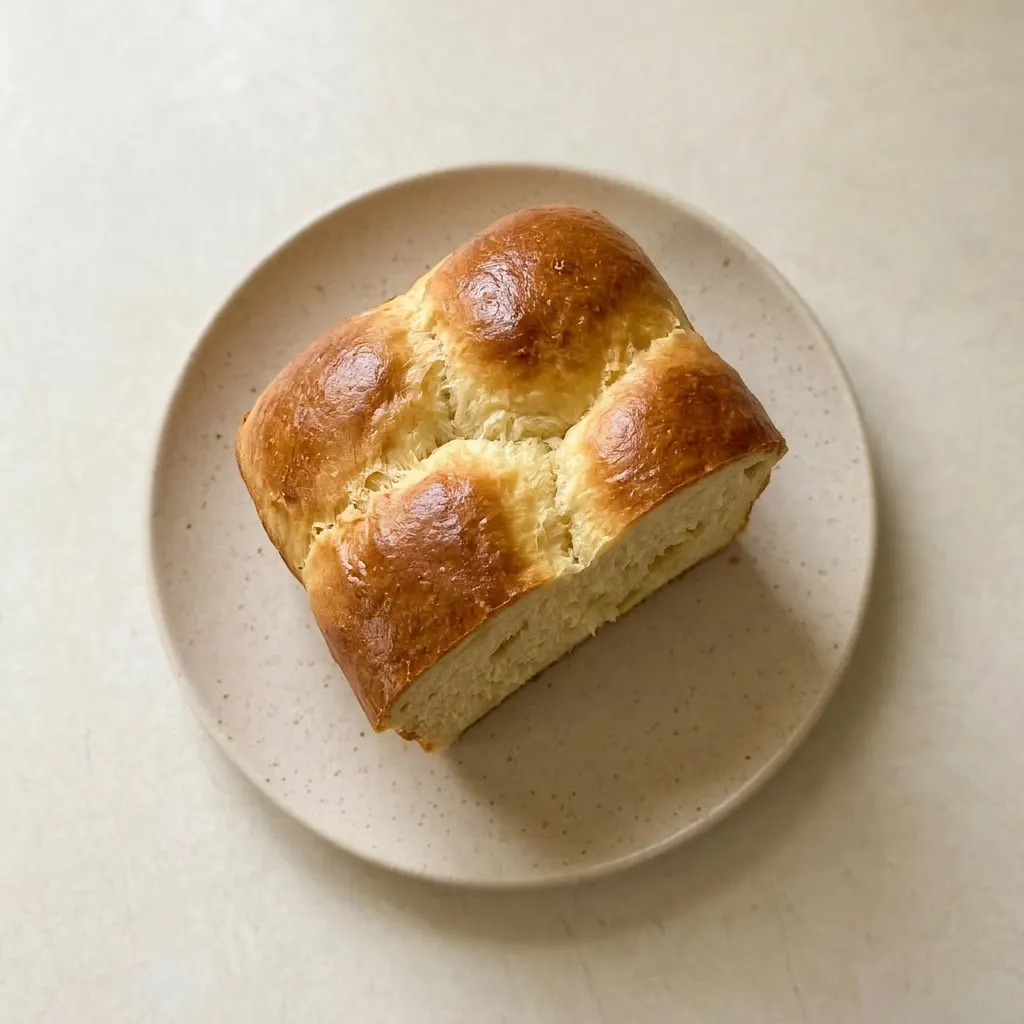
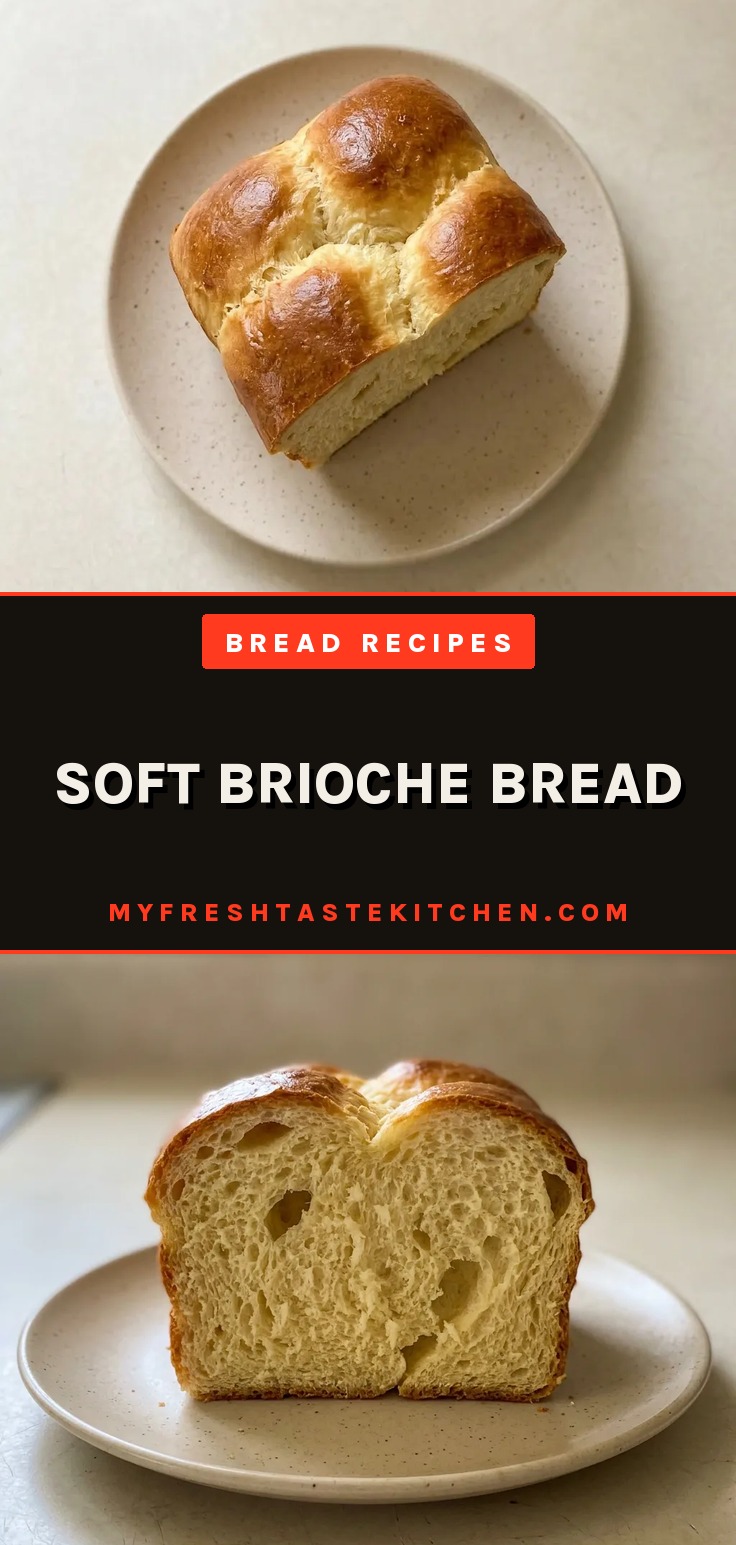
The second rise happens in the pan after shaping the dough into six balls arranged side by side. That shape ensures even baking and gives brioche its classic pull-apart structure.
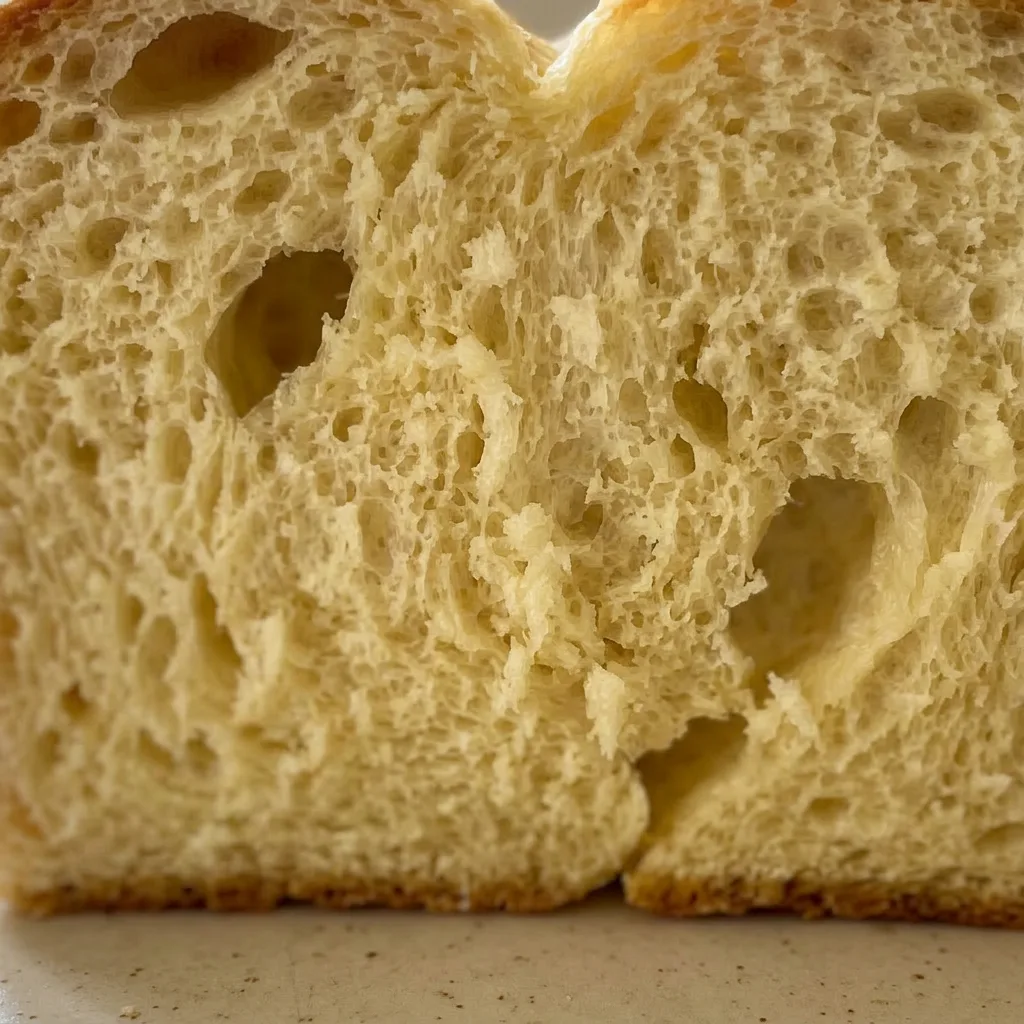
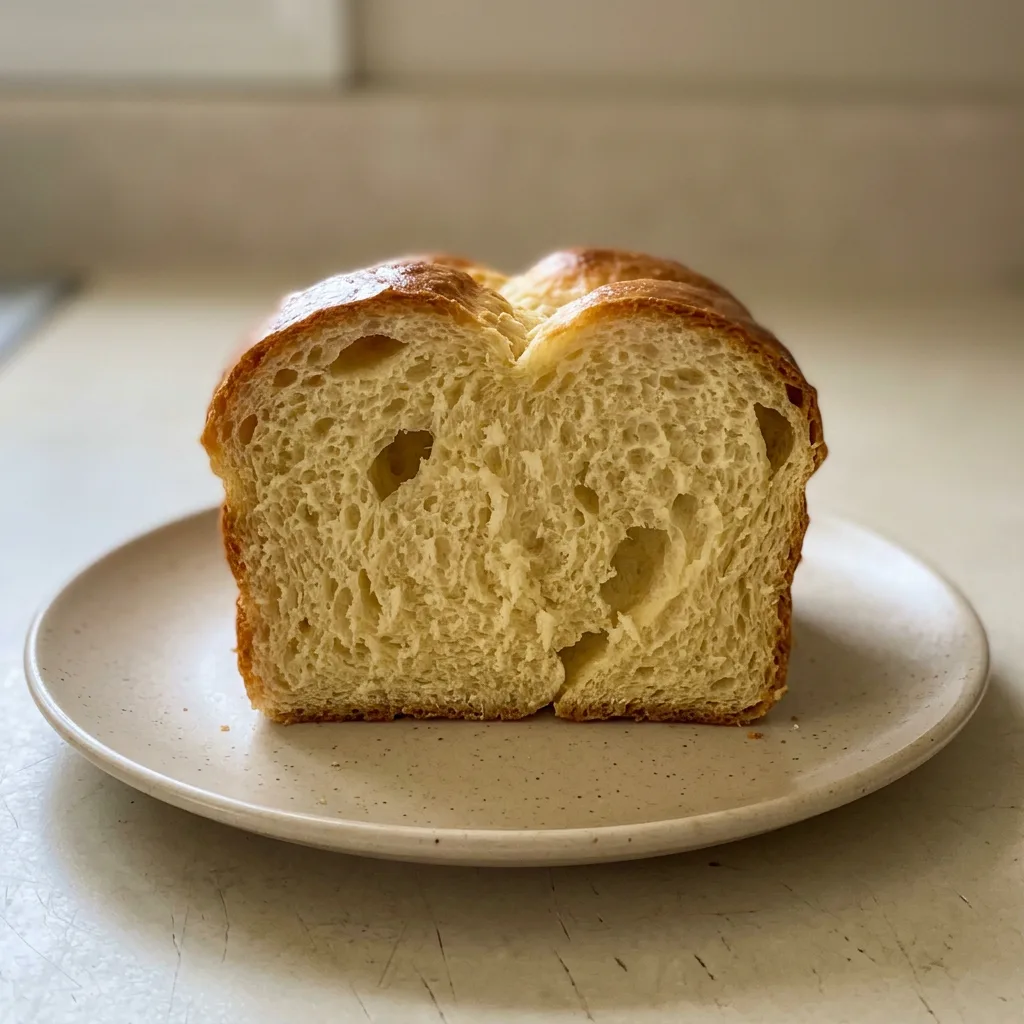
The crumb stays fine and tender, not dense.
Prep: 20 min · Cook: 30 min · Total: 3 hr 50 min · Servings: 10
What to watch for in brioche ingredients
All-purpose flour: Bread flour is optional; AP gives a tender crumb, bread flour adds chew.
Active dry yeast: Proof it in warm milk with sugar until foamy or toss it and start over.
Whole milk: Warm to 110°F; too hot kills yeast, too cool stalls activation.
Eggs: Use large eggs at room temperature so they emulsify evenly into the dough.
Unsalted butter: Add softened butter chunk by chunk, fully incorporating each before the next.
Watch the dough, not the clock
Proof the yeast
Stir the yeast into warm milk with a pinch of sugar. After 5 minutes, you should see a thick, creamy foam on top. If not, the yeast is dead, toss it and start fresh.
Mix and add butter
Mix flour, sugar, salt, eggs, and yeast mixture on low until a shaggy mass forms. Drop in butter one chunk at a time; wait until each disappears before adding the next. The dough will look broken at first but will come together.
Knead until elastic
Knead on medium for 10 minutes. The dough should feel soft, stretch easily without tearing, and stick to your finger just slightly. Over-kneaded dough turns tough and tight; stop when it’s smooth and supple.
First rise until doubled
Let the dough rise in a covered, greased bowl in a warm spot. It needs the full 1.5 to 2 hours to double. Under-risen dough yields dense bread; be patient until it fills the bowl.
Shape and second rise
Deflate the dough and cut into six equal pieces. Roll each into a smooth ball, then tuck them side by side in a greased loaf pan. Cover and let rise until the balls crown above the pan rim, about 1 hour.
Bake until golden and hollow
Brush with egg wash, then bake at 350°F for 30 minutes. The top should be deep golden brown, and the loaf should sound hollow when you tap the bottom. Overbaking dries it out; pull it when the color is rich.
Soft Brioche Bread
Ingredients
Method
Activate Yeast:
Combine warm milk, yeast, and a pinch of sugar in a small bowl. Allow to sit for 5–10 minutes until frothy. If no foam appears, the yeast may be dead; discard and begin again with fresh yeast.Mix Dough Ingredients:
In a stand mixer bowl, whisk together flour, sugar, and salt. Add eggs and the yeast mixture. Mix on low speed until the dough begins to come together. Add butter piece by piece, ensuring each is fully incorporated before adding the next.Knead Dough:
After all ingredients are combined, raise the mixer speed to medium and knead for about 10 minutes. The dough should be soft, slightly tacky, and elastic. If kneading manually, plan for about 15 minutes of work.First Rise:
Move the dough to a greased bowl, cover with plastic wrap, and let rise in a warm place for about 1.5 to 2 hours until doubled in volume.Shape and Second Rise:
Deflate the dough and turn it out onto a lightly floured surface. Cut into six equal pieces, shape each into a ball, and arrange them side by side in a greased loaf pan. Cover loosely and let rise again for roughly one hour.Bake Bread:
Preheat the oven to 350°F (175°C). In a small bowl, beat the egg with the milk, then brush this wash over the dough’s surface for a shiny golden crust. Bake for 30 minutes or until the top is deep golden brown and the loaf sounds hollow when tapped.Cool and Serve:
Cool the bread in the pan for 10 minutes, then transfer to a wire rack. Slice after it has cooled completely and enjoy your homemade bread!
Storage and Serving
Brioche stays soft at room temperature for 2 to 3 days when wrapped tightly in plastic or kept in an airtight container. Refrigeration dries out the crumb and speeds staling, so skip it unless you plan to toast. For longer storage, slice the loaf, wrap each slice individually, and freeze for up to 3 months.
Thaw slices at room temperature or toast directly from frozen. The serving window for peak softness is within the first day; after that, the crumb gradually tightens.
If you’re making the bread ahead, bake it a day before serving and store it wrapped at room temperature. Brush the egg wash just before baking, not earlier, so the crust stays glossy.
Swap brioche ingredients without losing its soft crumb
All-purpose flour: Bread flour. Bread flour has more protein, so the dough will be slightly chewier and hold its shape better. The crumb will be less tender than with AP flour.
Use the same 4 cups (500 g) by weight.
Unsalted butter: Salted butter. Salted butter adds saltiness. Reduce the added salt in the dough to 1/2 tsp to avoid oversalting.
Use the same 1/2 cup (113 g) by weight.
Whole milk: 2% or plant-based milk (oat, soy, or almond). 2% milk will yield a slightly less rich brioche but still works. Plant-based milks: oat or soy provide enough fat; almond is leaner and may make the dough slightly less tender.
Avoid skim milk, too lean and the dough loses richness. Use the same 1/2 cup (120 ml) warmed to 110°F.
Tips
- Gently squeeze a cube of butter: if it yields easily without cracking or feeling cold, it’s ready. If it’s still firm, let it sit out longer. Using butter that is too cold will make the dough stiff and hard to incorporate, while melted butter will make it greasy.
Frequently Asked Questions
Can I make brioche dough ahead of time and refrigerate it overnight?
Refrigeration dries out the crumb and speeds staling, so it’s not ideal for the shaped loaf. But you can refrigerate the dough after the first rise, before shaping: punch it down, cover tightly, and chill overnight.
5 hours at room temp), then bake. The cold dough may need a few extra minutes of rise time.
Why did my brioche turn out dense and heavy?
Most likely the dough didn’t rise enough in one of the rises. 5 to 2 hours until the dough has unmistakably doubled in volume.
If it’s under-proofed, the crumb won’t open up. Another culprit: adding butter too fast without full incorporation can weigh the dough down.
Make sure each chunk disappears before adding the next.
How do I know when brioche is fully baked?
Bake at 350°F for 30 minutes. The top should be deep golden brown, and the loaf should sound hollow when you tap the bottom. Overbaking dries it out, so pull it when the color is rich.
An instant-read thermometer inserted into the center should read about 190°F, but the hollow sound is the most reliable visual cue.
Can I freeze brioche bread?
Yes. Slice the loaf, wrap each slice individually, and freeze for up to 3 months. Thaw slices at room temperature or toast directly from frozen.
The serving window for peak softness is within the first day after baking, so freezing preserves that texture.
What’s the difference between brioche and regular bread?
Brioche uses a high proportion of butter and eggs, giving it a soft, tender crumb and rich flavor, it’s more like a pastry than lean bread. Regular bread has little to no fat, so it’s chewier with a firmer crust. The dough for brioche stays tacky after kneading because the fat is suspended evenly, not pooling.
