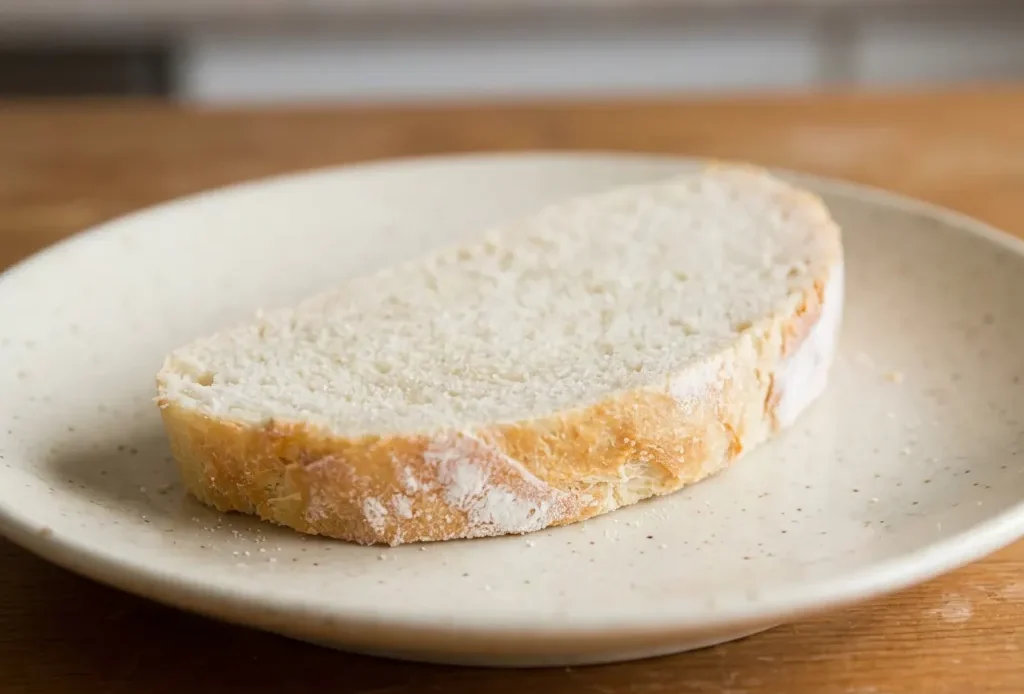
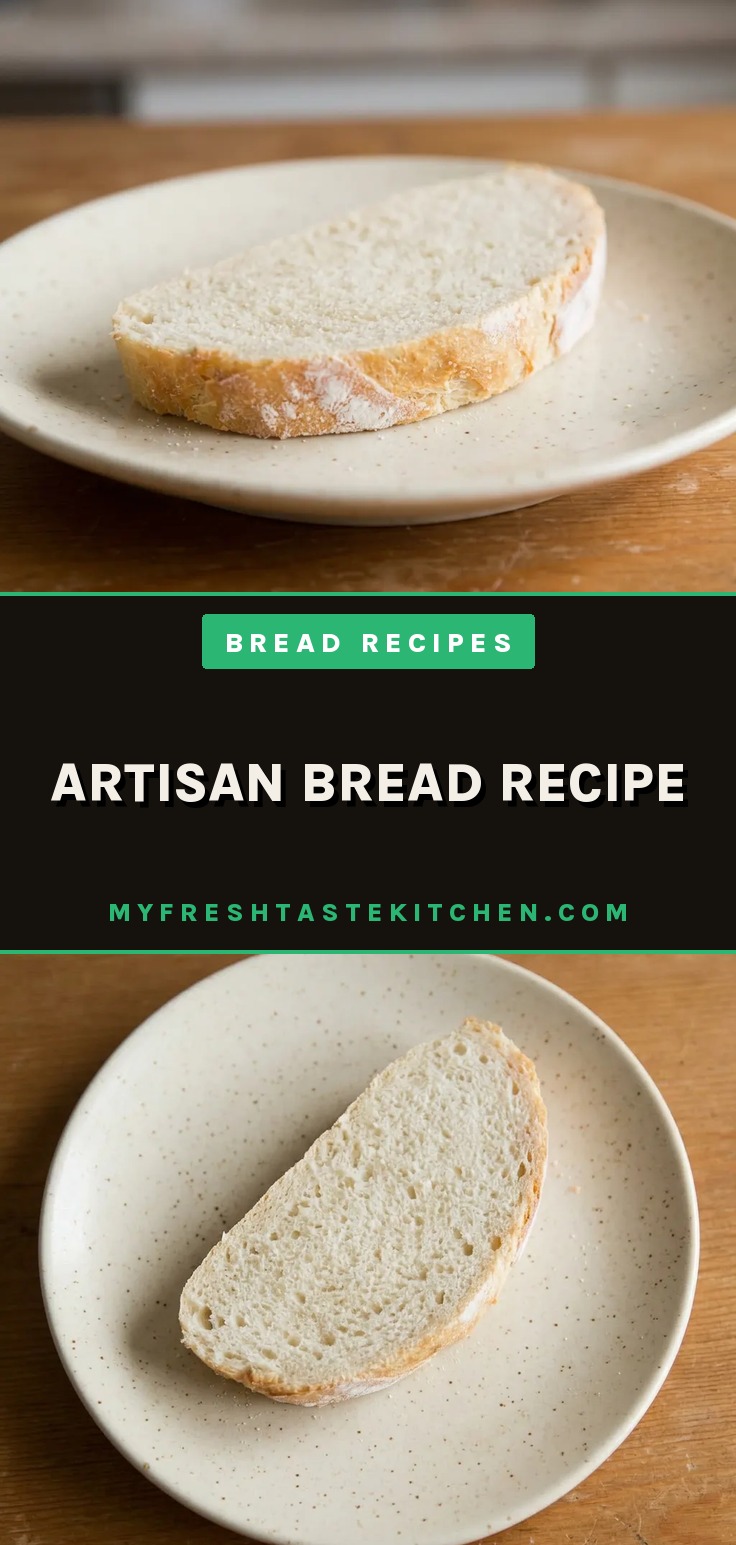
This isn’t a project that demands hours of kneading or a mixer. It’s a wet, sticky dough that you stir together in a bowl, let time do the work, and bake into a crusty, open-crumbed loaf. The contrast between five minutes of hands-on effort and a bakery-quality result is what makes this one of the most rewarding 3 ingredient bread recipes you can make.
There’s a margin for error in the rise time, anywhere from two to ten hours works, and you adjust the dough by feel, not by the clock. That looseness is the whole point.
The first time I made this, the dough was so sticky I kept adding flour until it was stiff and dry. The loaf came out dense and heavy instead of airy.
Why use a wet, no-knead dough?
This dough is intentionally wet and tacky, not dry and stiff. High hydration is what creates steam during baking, and that steam is what gives you a crispy crust and an open, airy crumb. No kneading required; just stir until everything comes together.
If the dough feels too sticky to manage, sprinkle in a little extra flour, but resist adding too much. Now I trust the wet, tacky dough and use moistened hands to shape it, which keeps the hydration right for that open crumb.
How does a long rise improve flavor?
Once mixed, the dough can sit at room temperature for anywhere from 2 to 10 hours, or overnight. A longer fermentation develops more complex flavor without any extra work.
The dough is covered and left undisturbed, no punching down or kneading. That patient wait lets the yeast and enzymes do their thing, deepening the taste while you go about your day.
The longer you let it go, the more pronounced that fermented, bread-like character becomes.
Why gentle shaping and scoring matter for oven spring
After rising, turn the dough out onto a floured surface. Instead of punching down, gently fold the edges toward the center to form a round boule.
This keeps the gas bubbles intact, so the bread rises well in the oven. Slashing the top with a bread knife gives the dough a controlled place to expand, without cuts, it might burst unpredictably.
A 20- to 30-minute rest after shaping relaxes the gluten, allowing maximum oven spring when it hits the heat.
How to get a crisp, bakery-style crust at home
Preheat a baking stone, Dutch oven, or cast iron skillet to 450°F. When you slide the dough in, add steam: pour hot water into a preheated pan or drop ice cubes onto the oven floor.
The steam keeps the crust elastic early on, then as it evaporates, the crust crisps up. Bake 25 to 30 minutes until deep golden brown.
Cool on a wire rack for at least 30 minutes, that prevents condensation from softening the crust you just worked for.
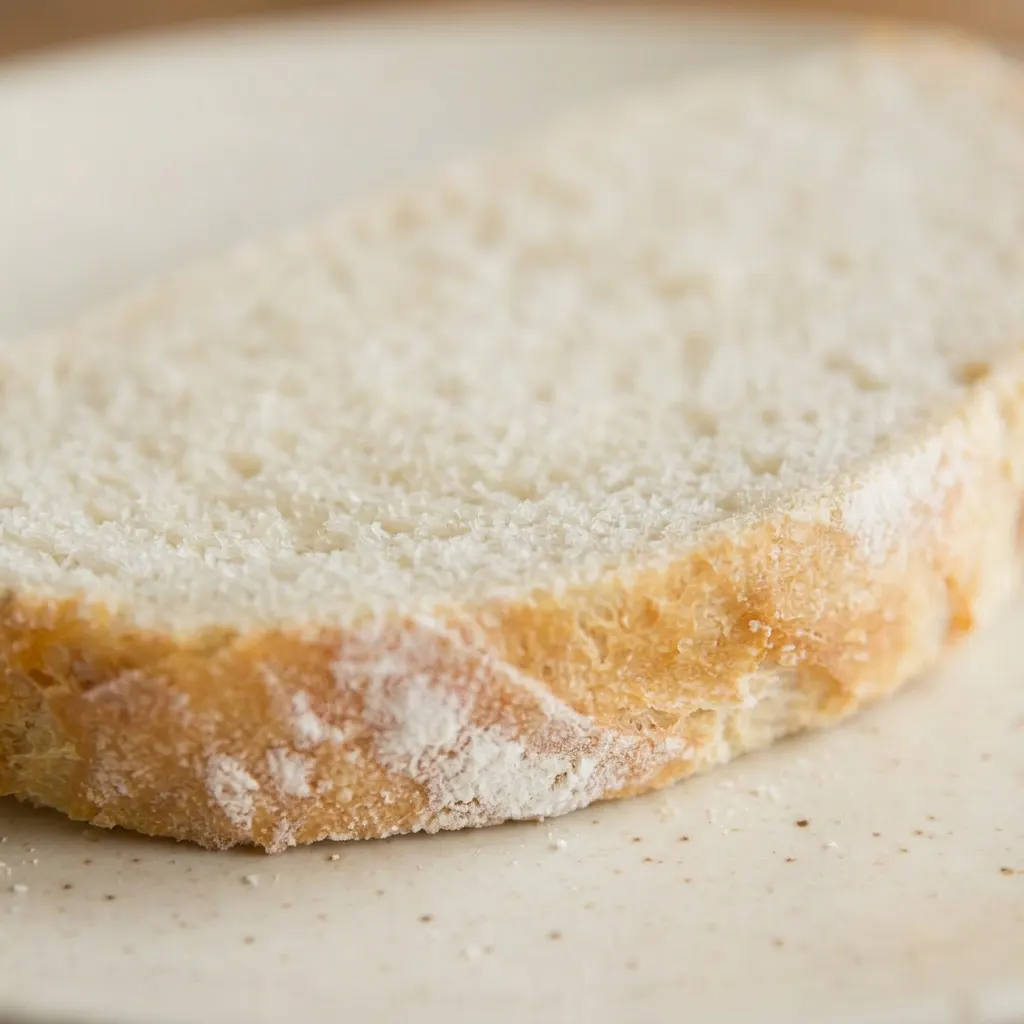
Prep: 5 min · Cook: 25 min · Total: 2 hr 30 min · Servings: 12 · Calories: 110 kcal
What to know about the three main ingredients
All-purpose or bread flour: Bread flour gives a chewier crumb; all-purpose works with a slightly softer texture. Both make good bread.
Instant or active dry yeast: Instant yeast can be mixed directly with flour; active dry needs proofing in warm water first.
Warm water: Water at 105°F feels warm to the wrist, not hot. Too hot kills the yeast, too cold slows it down.
Mix a wet dough by feel, not by time
Combine dry ingredients
Whisk flour, salt, and yeast together in a large bowl. The salt and yeast can touch; just make sure they’re evenly distributed before adding water.
Add warm water
Pour in the 1 1/2 cups warm water at 105°F. Stir with a wooden spoon or spatula until no dry flour remains. The dough should be wet and tacky, not stiff, it will look shaggy and loose.
Adjust hydration if needed
If the dough looks more like batter and won’t hold together, sprinkle in a tablespoon of flour. If it’s dry and doesn’t come together, add a splash of water. You want a dough that clumps but sticks to your fingers.
Cover and let rise
Spray plastic wrap with nonstick spray and cover the bowl. Let it sit at room temperature for 2 hours minimum, up to 10 hours. After 2 hours, you’ll see bubbles on the surface; longer gives a tangier aroma.
Turn out and shape gently
Moisten your hands, then scrape the dough onto a floured surface. Don’t punch it down.
Fold the edges toward the center a few times to form a round, tucking the ends under. You should feel air pockets, don’t deflate them.
Slash and rest
Place the shaped dough on parchment. Dust with flour, then make 3 or 4 slashes 1/2-inch deep with a bread knife. Let it rest 20 to 30 minutes; you’ll see the cuts widen slightly as the dough relaxes.
Preheat with a baking surface
Set a baking stone, Dutch oven, or cast iron skillet on the middle rack and preheat to 450°F. Let it heat for a full 30 minutes, the surface should be screaming hot when the dough lands.
Add steam and bake
Slide the dough (on parchment) onto the hot surface. Quickly add 1 cup hot water to a preheated pan below or drop 5 ice cubes on the oven floor, then shut the door. Bake 25 to 30 minutes until deep golden brown and hollow when tapped.
3 Ingredient Bread Recipes
Ingredients
- 3 cups all-purpose flour (or bread flour) 395 grams
- 1/2 tablespoon kosher salt
- 1/4 ounce instant or active dry yeast (or 2 1/4 teaspoons)
- 1 1/2 cups warm water 105°F (40°C)
Instructions
Mix dough ingredients:
In a large bowl, combine flour, salt, and yeast. Add warm water (105°F (40°C)), making sure it’s not above that temperature. Stir with a dough whisk, spatula, wooden spoon, or by hand until everything is incorporated. The dough should be fairly wet and tacky; if it’s too sticky to manage, sprinkle in extra flour.Let dough rise:
Cover the bowl with a towel or plastic wrap that has been sprayed with nonstick spray. Allow it to rise at room temperature for 2-10 hours, or overnight. A longer fermentation time yields more flavor.Shape the boule:
Moisten your hands, then turn the dough out onto a lightly floured surface. Avoid punching down, kneading, or rolling. Instead, gently draw the edges up and fold them toward the center to form a round French boule or split into 2 loaves, tucking the ends underneath.Slash and rest:
Transfer the dough onto parchment paper. Dust the top lightly with flour and make 1-4 slashes across the surface using a bread knife. Let it rest for 20-30 minutes.Preheat oven and stone:
Preheat the oven to 450°F (230°C). Place a baking stone, pizza stone, Dutch oven, or cast iron skillet inside to heat.Bake with steam:
Slide the dough along with the parchment onto the preheated stone. To achieve a crisper crust, put 1 cup of hot water in a small broiler pan or drop 5 ice cubes into the bottom of the oven, then quickly close the door to trap steam. Bake for 25-30 minutes until golden brown.Cool on rack:
Let the bread cool on a wire rack for at least 30 minutes before slicing and serving. Store leftovers in a paper bag to keep the crust from becoming soft.
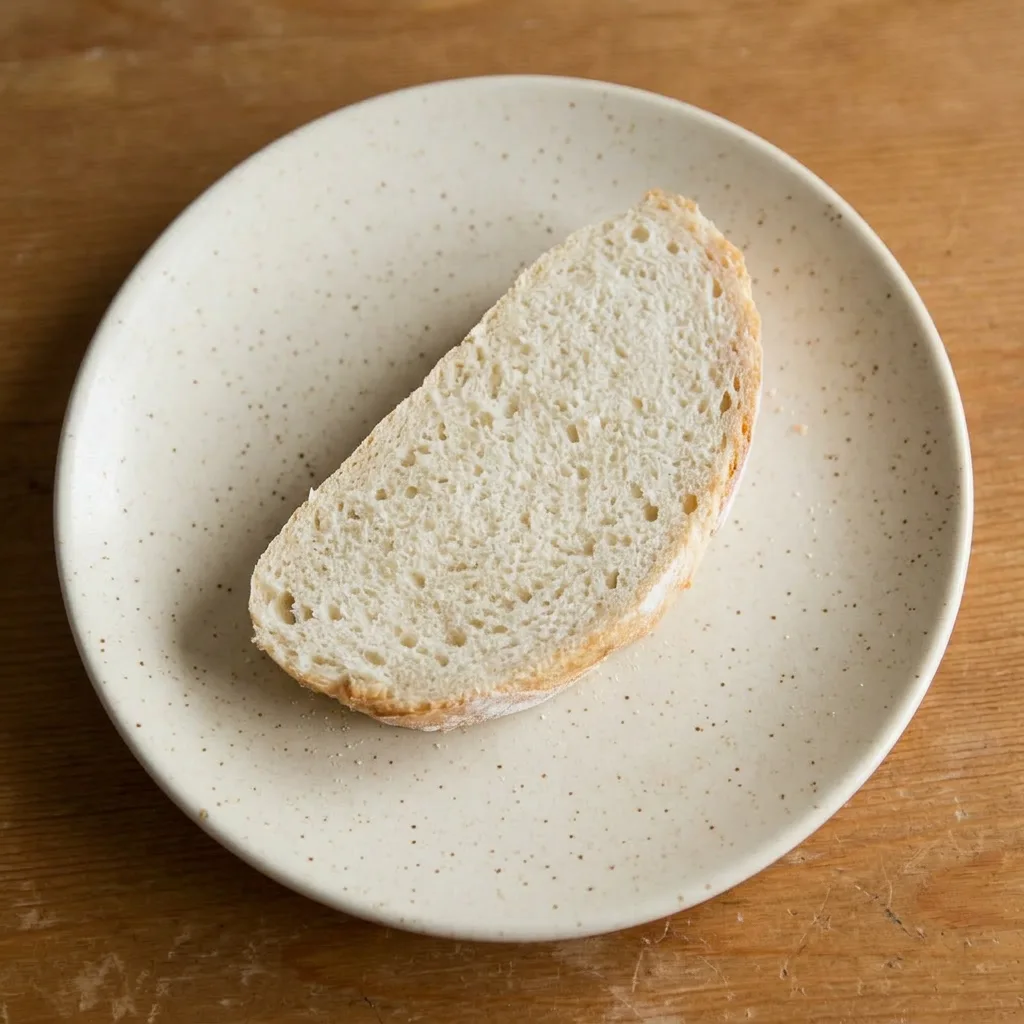
Swap flour or yeast, but don’t change the water temperature
All-purpose flour: Bread flour, same weight (395 grams or 3 cups by spoon-and-level). Bread flour has more protein, so the crumb turns out noticeably chewier with a slightly more open structure. All-purpose gives a softer, more tender loaf, both work fine here.
Instant yeast: Active dry yeast, same amount (2 1/4 teaspoons). Active dry yeast needs proofing first: dissolve it in the warm water (105°F) with a pinch of sugar and wait 5 to 10 minutes until foamy. Skip proofing and the dough may rise sluggishly or not at all.
Instant mixes straight into the flour with no fuss.
Warm water (105°F): Do not substitute. Water temperature is not a swap. Too hot (above 130°F) kills yeast; too cold (below 70°F) slows fermentation to a crawl.
Stick with water that feels warm to your wrist, no thermometer needed once you know that feeling.
Storage and Serving
Cool the bread completely on a wire rack, at least 30 minutes, before slicing. The crust stays crispest if you store the loaf in a paper bag at room temperature.
It’s best eaten within 2 days; after that, the crust softens and the crumb starts to stale. For longer storage, wrap the whole loaf or slices tightly in plastic wrap, then foil, and freeze for up to 3 months.
Thaw at room temperature, then reheat in a 350°F oven for 5 to 10 minutes to restore some crust crispness. If you only need a few slices, freeze individually and toast directly from frozen. Don’t refrigerate the bread; the fridge accelerates staling and dries it out.
Tips
- Use a kitchen scale to measure flour by weight (395 grams) rather than volume; even a slight variation in cup packing can throw off the hydration and turn a wet, open-crumb dough into a stiff, dense one.
Frequently Asked Questions
Can I let the dough rise overnight?
Yes, a 2- to 10-hour rise works, and overnight is fine. The dough will develop a tangier, more complex aroma as the yeast and enzymes keep working. Just cover the bowl tightly and let it sit at room temperature, no need to refrigerate for this short window.
Why is my bread dough so sticky?
This dough is intentionally wet and tacky, that high hydration gives you a crispy crust and open crumb. If it’s unmanageable, sprinkle in a tablespoon of flour at a time until it just holds together. Also check your water temperature: if it’s cooler than 105°F, the dough may seem stickier because fermentation slows.
How do I get a crispy crust without a Dutch oven?
Preheat a baking stone or cast iron skillet at 450°F, then create steam by adding 1 cup of hot water to a preheated pan or dropping 5 ice cubes on the oven floor when you slide in the dough. The steam keeps the crust elastic early on, then as it evaporates, the crust crisps up. Bake until deep golden brown, about 25 to 30 minutes.
Can I make this bread gluten-free?
This recipe relies on wheat flour’s gluten structure to trap gas and create an open crumb. A straight gluten-free swap won’t work, you’d need a different formula with xanthan gum or psyllium husk to mimic that stretch. I’d recommend finding a dedicated no-knead gluten-free recipe instead.