Most sourdough recipes demand a wet, sticky dough that you fold every half hour, then shape cold after an overnight chill. This one skips all that. The dough is slack from oil, so you mix it, ball it up, wrap it, and walk away.
Potato flakes in the starter do the tenderizing work that time and technique usually handle, giving you a soft, sandwich-ready crumb that stays moist for days without going stale. That’s the payoff of this potato flake sourdough bread loaf: a hands-off rise that delivers a consistently tender loaf, no folding required.
Know what potato flake starter does to the crumb
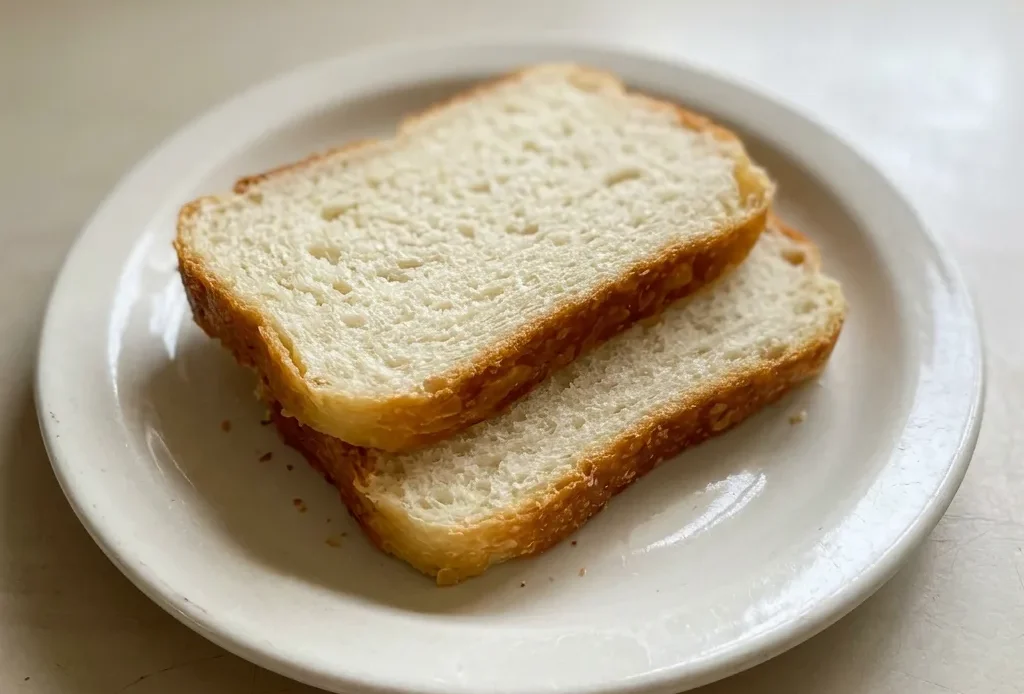
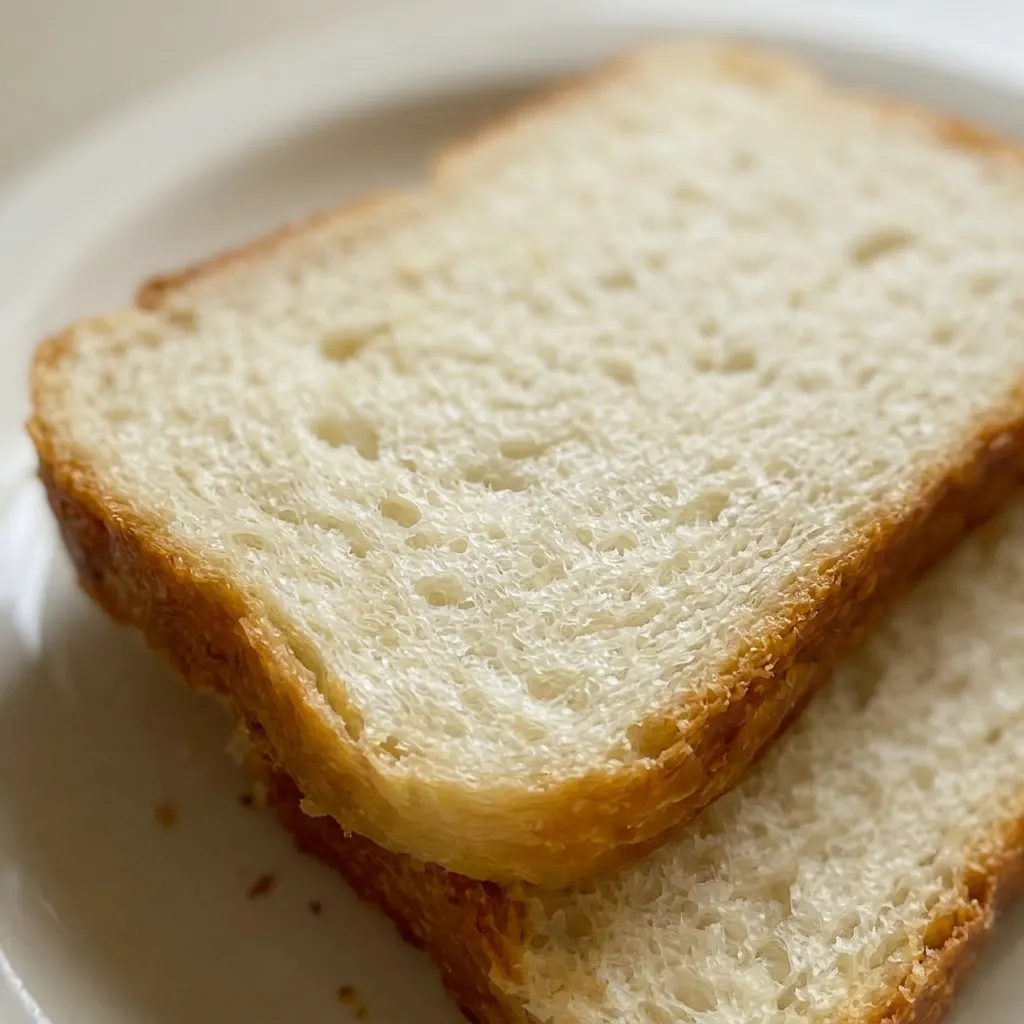
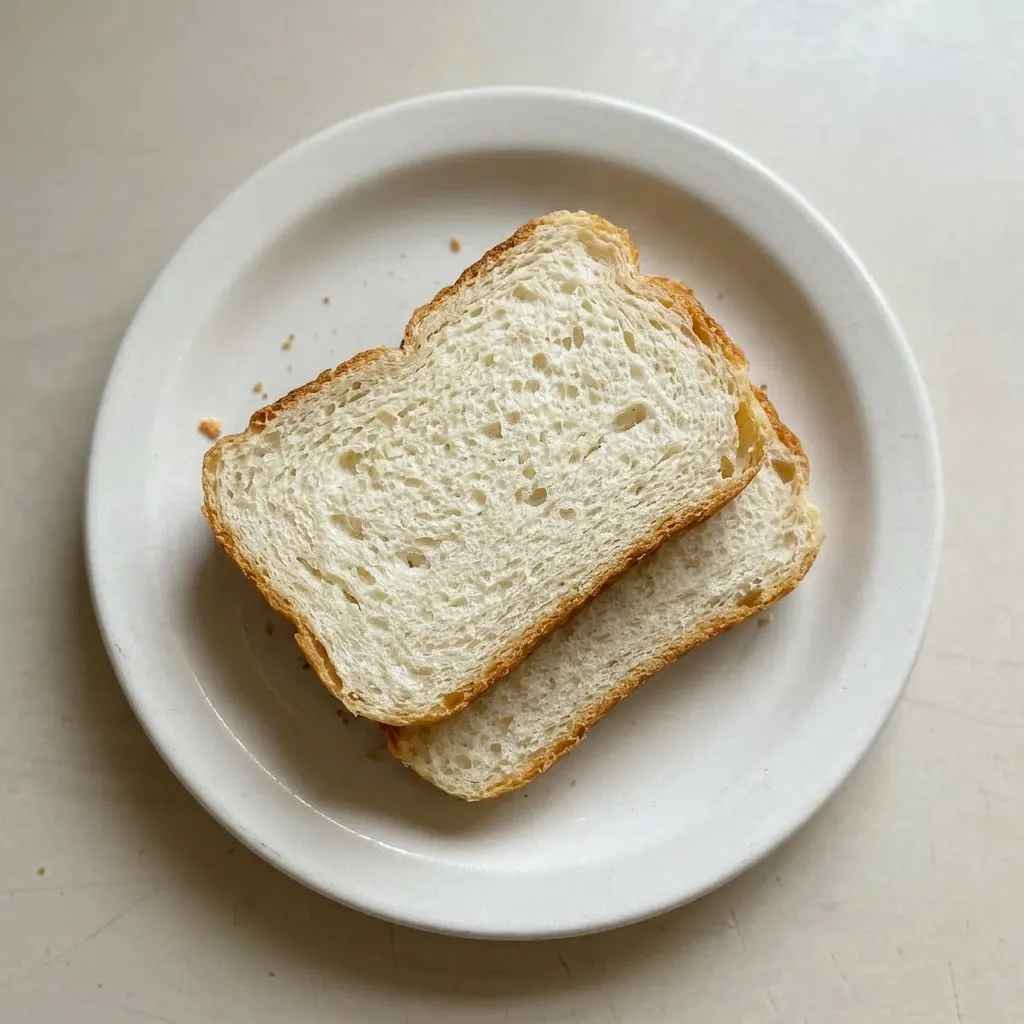
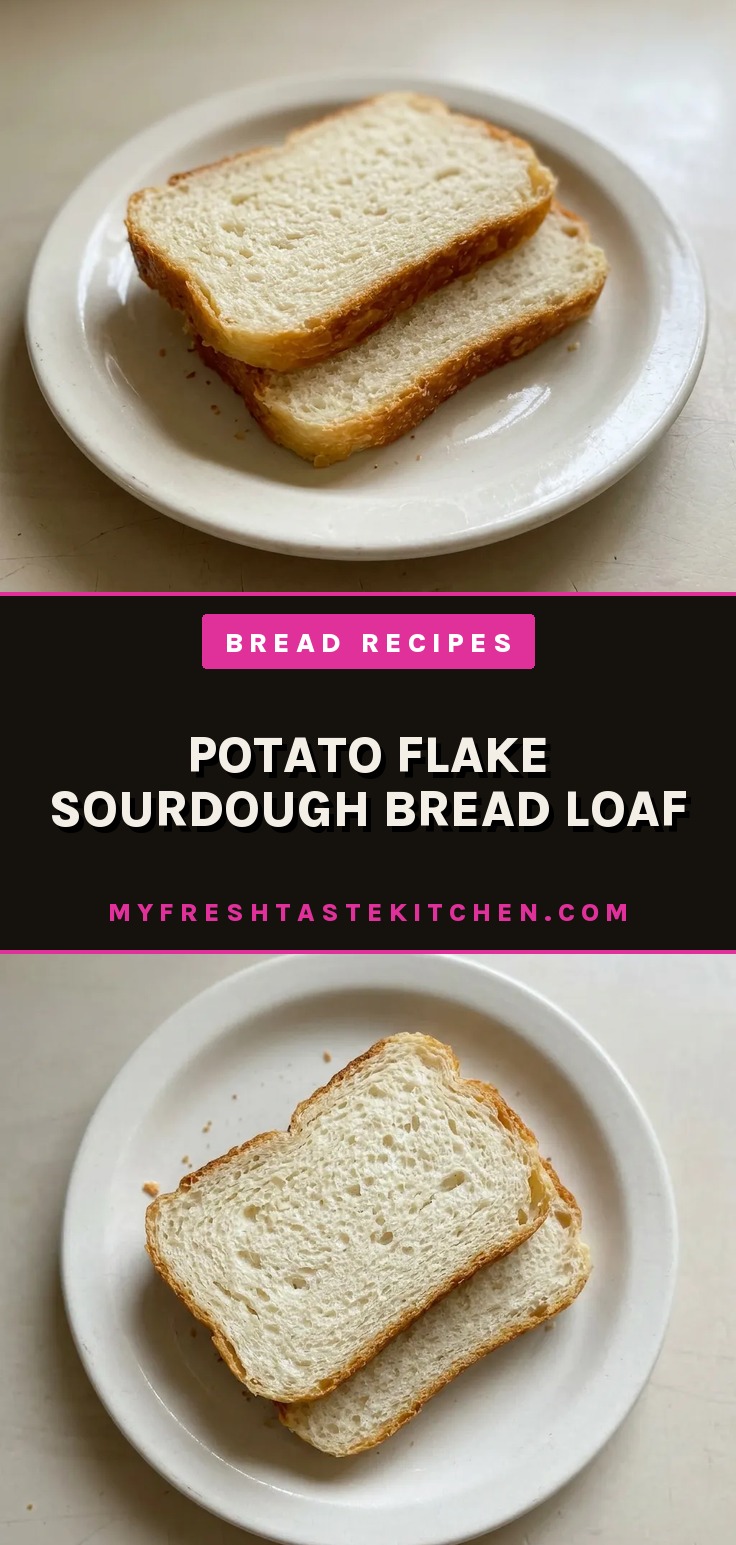
Potato flakes in the starter add starch and hold moisture, so this loaf turns out noticeably softer than standard sourdough. The crumb has a tight, tender structure, not the open holes you’d expect from a wet dough. You’ll also pick up a faint sweetness and a mild tang that come from the potato itself, not just fermentation.
If you’ve baked with a plain flour starter before, the difference is clear: this bread stays fresher longer because the potato starch retains water. The texture leans toward sandwich bread, but the flavor stays firmly sourdough.
Let the dough rise once, without folding
This dough is slack because of the oil and high hydration, so traditional stretch-and-fold routines would just tear it. A single long bulk fermentation, 6 to 10 hours, builds strength slowly as the gluten develops on its own.
You don’t need to intervene. The oil keeps the dough extensible, and the long rise deepens the sour tang without overworking the structure.
By the end, the dough should feel airy and slightly puffy, not dense. That’s your cue that it’s ready to shape. Folding would only deflate what the yeast has built.
Why three loaves and a second proof matter
Dividing the dough into three loaves rather than one big one means each loaf bakes through evenly and rises higher relative to its width. The second proof after shaping is important: it re-distributes the gas pockets and lets the gluten relax into the pan’s shape. Without that rest, the crumb turns dense and the loaves won’t spring in the oven.
You’ll see the dough dome slightly above the rim when it’s ready. That’s a reliable visual cue that the structure is set for a light, even crumb.
Prep: 15 min · Cook: 35 min · Total: 15 min
What to look for in each ingredient
Bread flour: Use bread flour, not all-purpose. The extra protein gives this soft dough enough structure to rise high.
Potato flake sourdough starter: Your starter should be bubbly and recently fed. A sluggish starter will take longer than 10 hours to double.
Oil: Pick a neutral oil like peanut or vegetable. Strong flavored oils will fight the sourdough taste.
Sugar: The 1/2 cup sugar is part of the recipe. It balances the tang and helps the crust brown.
Work the slack dough gently, then let time do the work
Stir and combine
Stir the starter until it’s uniform, you want the same consistency throughout. Mix everything until the flour is just moistened; stop when no dry pockets remain. Overmixing tightens the crumb.
Shape and wrap
Scrape the dough into a rough ball. It will be sticky and slack, that’s normal.
Wrap tightly with plastic so the surface doesn’t dry out. A dry skin would block a clean rise.
First proof: watch the volume
Let it sit at room temperature until doubled, 6 to 10 hours. The dough should feel airy and puffy when poked, not dense. If it hasn’t doubled by 10 hours, your starter may need more time.
Deflate and divide
Punch the dough down firmly to release large gas pockets. Divide into three equal pieces; a scale helps here. Each piece should feel supple, not tough.
Uneven weights mean uneven loaves.
Shape and pan
Pat each piece into a flat rectangle, then roll it up tightly. Pinch the seam and place seam-side down in greased pans. The dough should fill the pan about halfway.
Second proof: wait for the dome
Cover with plastic and let rise until the dough domes slightly above the rim. That dome signals the gluten is relaxed and gas is evenly distributed. Underproofed loaves won’t spring in the oven; overproofed ones collapse.
Bake and finish
Bake at 350°F for 35 minutes. If tops brown too fast, tent with foil. The loaf sounds hollow when tapped on the bottom.
Cool completely on a rack before slicing, warm bread will be gummy inside.
Potato Flake Sourdough Bread Loaf
Ingredients
- 6 cups bread flour 720g
- 1/2 cup potato flake sourdough starter
- 1/2 cup oil (peanut or vegetable)
- 1 tablespoon salt
- 1/2 cup sugar 100g
- 1 1/2 cups warm water
Instructions
Stir the Starter:
Give the starter a stir prior to measuring it out.Mix Ingredients Gently:
In a mixing bowl, combine every ingredient. Using a hand mixer or a stand mixer, blend until just combined; avoid excessive mixing.Shape and Wrap Dough:
Shape the dough into a rough ball and wrap it with plastic film.First Proof Until Doubled:
Allow the dough to proof until it has doubled in volume, which will take 6 to 10 hours depending on ambient temperature and the vigor of your starter.Punch Down Dough:
Deflate the dough by punching it down.Divide and Shape Loaves:
Split the dough into three equal portions and form each into a loaf. Transfer them to greased bread pans and cover with plastic wrap.Second Proof Until Doubled:
Let the loaves proof a second time until they have doubled again.Bake at 350°F:
Heat the oven to 350°F (175°C). Take off the plastic wrap and bake for 30 to 40 minutes (usually 35 minutes). If the tops darken too fast, tent loosely with aluminum foil. If using lidded pans, bake for the full 40 minutes.Cool Completely Before Slicing:
Let the bread cool entirely before cutting into slices; otherwise, the center may remain doughy.
Swap the oil and sugar, not the starter or flour
Oil (peanut or vegetable): Melted coconut oil or avocado oil. Use the same 1/2 cup. Coconut oil solidifies below 76°F, so melt it first and mix quickly.
Avocado oil has a mild grassy note that may come through faintly. Either swap keeps the crumb tender and the loaf moist.
Sugar: Honey or maple syrup. Replace 1/2 cup sugar with 1/3 cup honey or 1/3 cup maple syrup.
Reduce the warm water by 2 tablespoons to account for the extra liquid. Honey speeds browning, check the loaf 5 minutes early. Maple syrup adds a subtle woodsy sweetness that pairs well with the potato tang.
Potato flake sourdough starter: Do not swap. This recipe relies on the starch from potato flakes for its soft, moist crumb and long shelf life.
A plain flour starter changes the texture to denser, dryer, and more open, closer to classic sourdough. That’s a different bread, not the soft loaf described here.
Bread flour: Do not swap for all-purpose. All-purpose flour (10-12% protein) won’t support the high hydration and slack dough. The loaves will spread instead of rising tall, and the crumb will be tighter and less tender.
If you must, use a high-protein all-purpose (12%+), but expect a slightly shorter loaf.
Storage and Serving
Cool the loaves completely before wrapping, or trapped steam will make the crust soggy. Store at room temperature tightly wrapped in plastic; the crumb stays moist and tender for 3 to 4 days.
After that, the texture starts to dry out, though toasting can revive it. For longer storage, freeze whole loaves. Wrap each in plastic then foil, and freeze for up to 3 months.
Whole loaves retain moisture better than slices, which tend to develop freezer burn faster. Thaw at room temperature still wrapped, then unwrap and crisp the crust in a 350°F oven for 10 minutes.
If you plan to serve the bread within a day, no extra steps needed. Slice just before eating to keep the cut surface from drying. This bread is at its best the day it’s baked, with a soft crumb and crisp crust, but holds well through day 3.
Tips
- When mixing, use the lowest speed and stop as soon as the flour is incorporated. Overmixing develops gluten too much, making the dough stiff and the crumb tough instead of tender.
- For the first proof, the dough is ready when it feels soft, slightly tacky to the touch, and has doubled. If it’s still sticky and dense, let it rise longer; if it’s dry and firm, you may have overmixed.
I still check the clock and poke the dough after 6 hours, but if it hasn’t doubled, I just let it go longer, sometimes 10 hours, instead of rushing.
Frequently Asked Questions
Can I let the dough rise overnight?
Yes, if your kitchen is cool (around 65°F). The first proof takes 6 to 10 hours, so an overnight rise of 8 to 10 hours is fine. Check that the dough has doubled and feels airy before shaping.
If it’s puffy and domed, it’s ready.
Why did my bread turn out dense?
Most likely the dough didn’t double during either proof. The first proof requires 6 to 10 hours; if your starter is sluggish, that can take longer. A second proof that doesn’t dome above the pan rim also causes density.
Also, overmixing tightens the crumb, mix only until no dry pockets remain.
How is this different from regular sourdough bread?
Potato flake starter makes the crumb softer and more tender, with a tighter structure than open-hole artisan loaves. The oil and sugar add moisture and a faint sweetness, and the bread stays fresh longer due to the potato starch retaining water. It’s closer to a sandwich loaf in texture, with a mild sourdough tang.