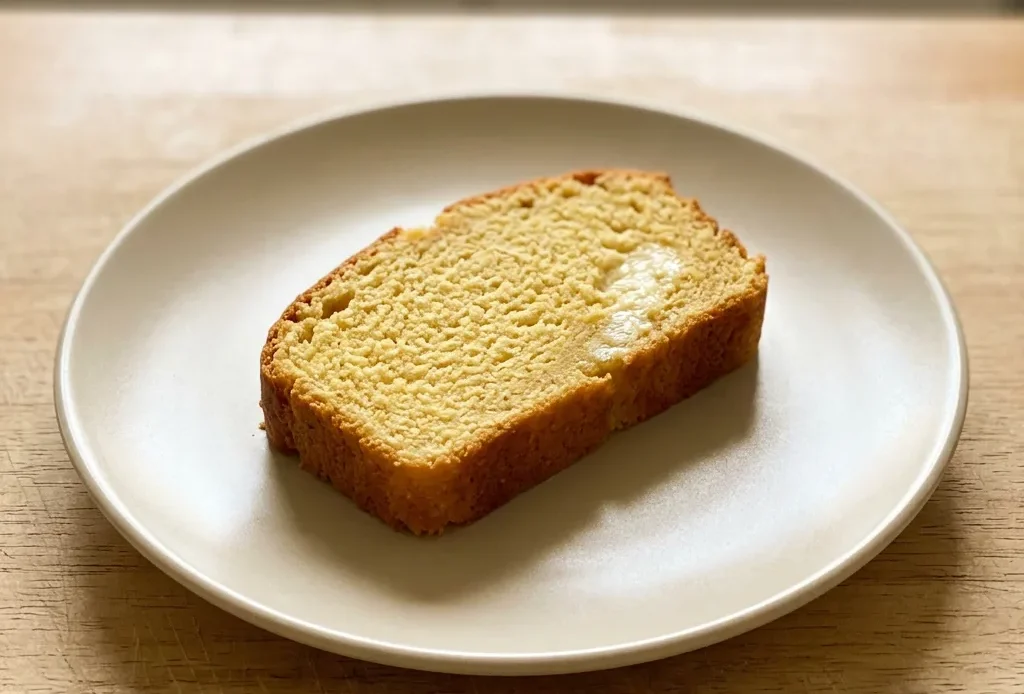
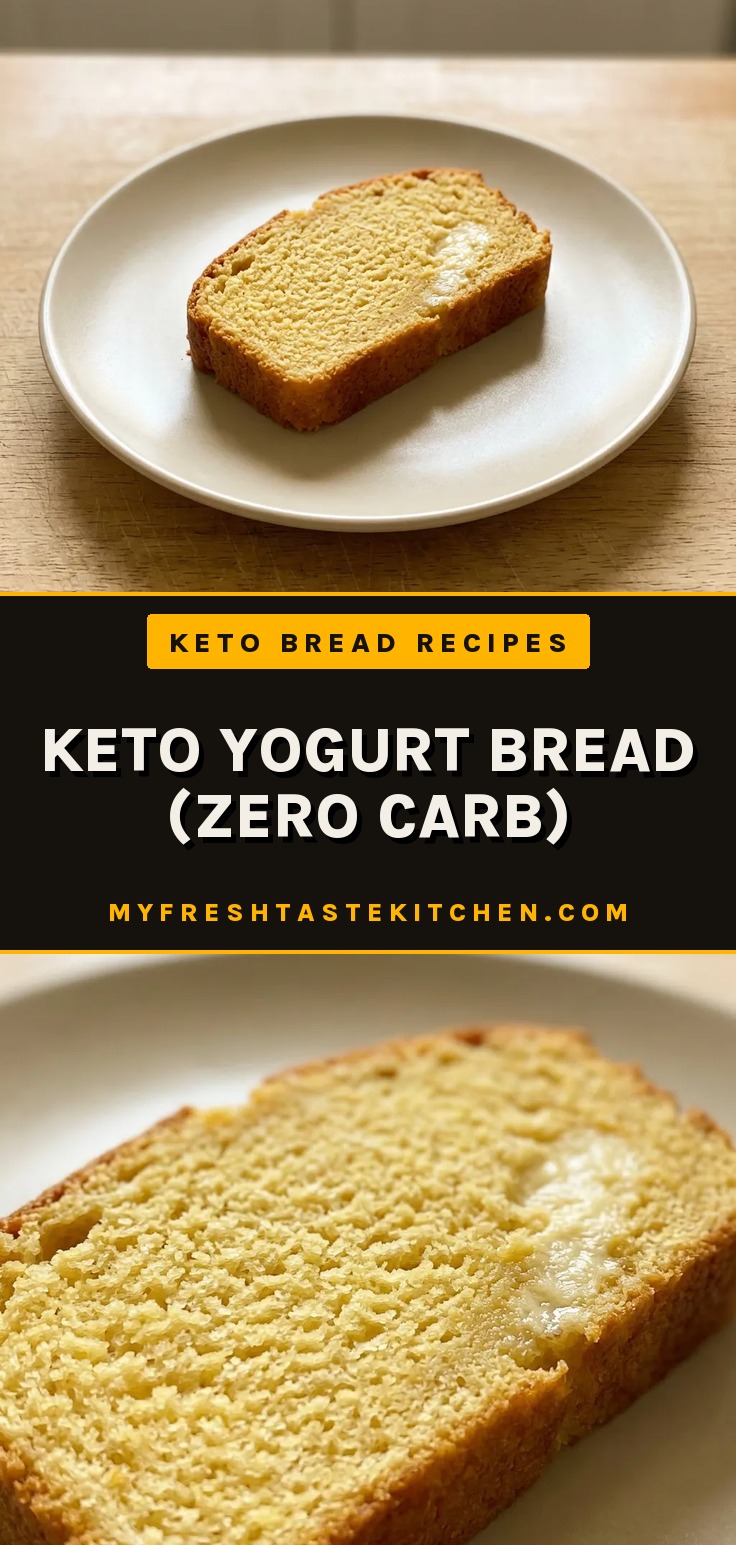
A slice holds when you pick it up, no crumbling, no gummy center. This keto yogurt bread (zero carb) gets that from eggs and xanthan gum giving structure where gluten would, while Greek yogurt keeps the crumb tender, not dry. Getting the texture right takes attention to mixing order and cooling, but the result is a loaf that behaves like real bread for sandwiches or toast.
My first loaf came out so dense and gummy it could have been used as a doorstop.
Add xanthan gum for structure without gluten
Almond flour alone won’t give you a cohesive crumb. Xanthan gum mimics gluten’s elasticity, so the bread holds together instead of crumbling.
The batter feels thicker and more stretchy once you stir it in. That small amount, half a teaspoon, makes the difference between a slice you can pick up and one that falls apart.
Now I always use aluminum-free baking powder and xanthan gum to give the crumb structure and lift. When you bake, the gum traps steam and creates a tender but stable crumb, not a dense, gritty one.
You’ll feel it when you cut a warm slice without it cracking.
Use Greek yogurt for moisture and tang
Full-fat Greek yogurt provides moisture without excess carbs, so the bread stays soft but not wet. Its acidity reacts with baking powder for extra lift, visible when the batter bubbles slightly as you mix. That tangy flavor comes through mildly, like a buttermilk bread but with far fewer carbs.
It replaces the milk or buttermilk you’d use in conventional loaves, keeping calories in check. You’ll taste a subtle sourness that balances the richness of eggs and butter. When you pull off a piece, the interior feels supple, not dry.
Rely on eggs for structure and rise
Eggs provide protein structure and leavening. Six eggs against just half a cup of almond flour creates a stable crumb, you won’t get a heavy, sunken loaf.
The eggs trap air during whisking, giving the batter a frothy head that translates to a dome in the oven. They also help browning and moisture retention; the crust turns golden while the inside stays tender. You’ll see the batter rise noticeably, and when you slice it, the crumb is even and holds its shape without gummy spots.
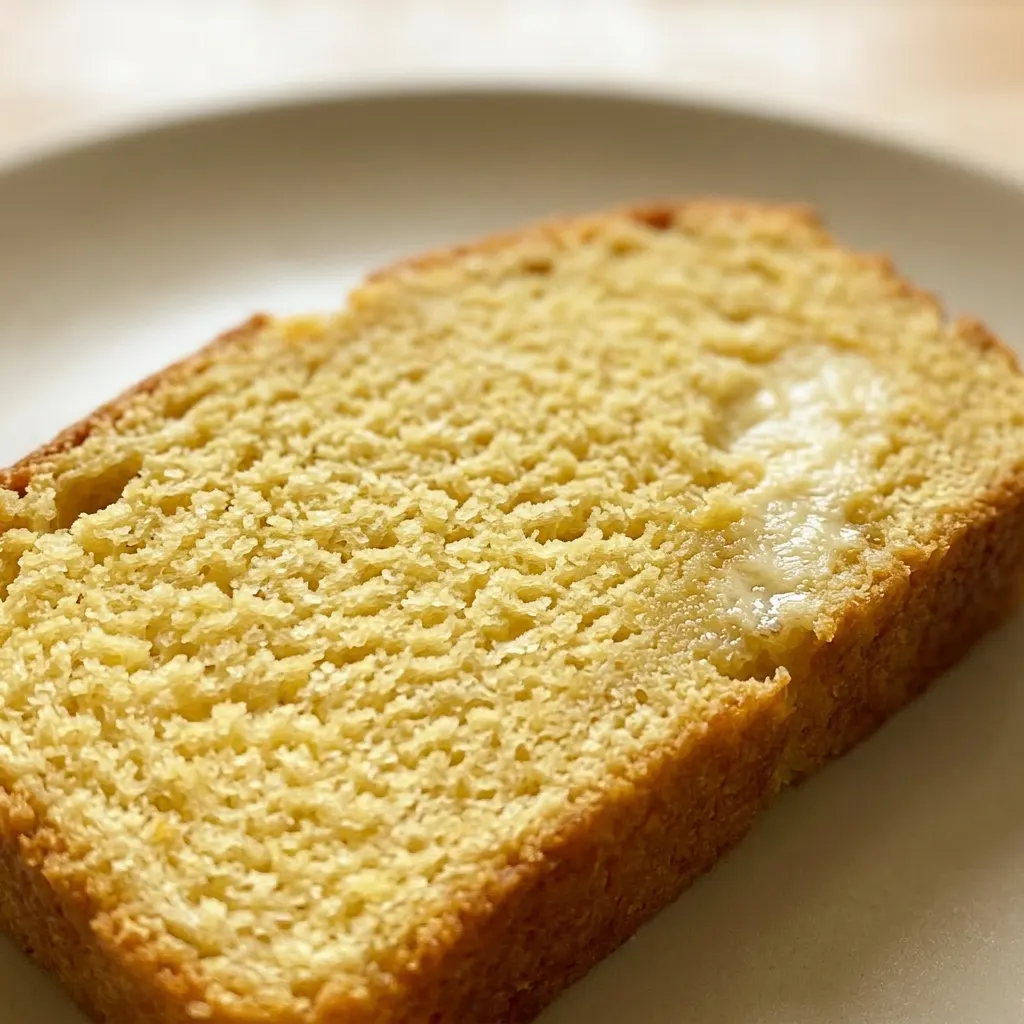
Prep: 10 min · Cook: 40 min · Total: 1 hr · Servings: 12 · Calories: 150 kcal
Choose ingredients that build structure and moisture
Eggs: Use large, fresh eggs for maximum protein structure and rise; cold eggs can cause butter to seize.
Greek yogurt: Full-fat, unsweetened, plain Greek yogurt adds moisture and acidity for lift without extra carbs.
Butter: Melt and cool slightly so it emulsifies with the eggs instead of cooking them.
Aluminum-free baking powder: Aluminum-free prevents a metallic aftertaste; freshness matters for proper lift.
Xanthan gum: Half a teaspoon xanthan gum gives the crumb cohesion; psyllium husk powder works too but changes texture.
Almond flour: Finely ground almond flour ensures a tender crumb; coarser grinds leave a gritty texture.
Mix the batter in order, watching for texture cues
Whisk wet ingredients
Beat eggs, yogurt, and melted butter until smooth and slightly frothy. The mixture should look creamy, not separated. If you see butter pooling, your eggs are too cold, warm them slightly.
Add dry ingredients
Stir in baking powder, salt, and xanthan gum. The batter will thicken and become stretchy as the xanthan gum hydrates. Scrape the bowl, any unmixed powder means lumps later.
Fold in almond flour
Gently fold until no white streaks remain. The batter should be thick but pourable, like a dense muffin batter. Overmixing makes the bread tough; stop as soon as it’s uniform.
Fill the pan
Scoop batter into the greased loaf pan and level with a spatula. The batter should fill about two-thirds of the pan. If it looks too low, you might have under-measured flour.
Bake until done
Bake at 350°F for 35 to 45 minutes. The top should be deep golden brown, and a toothpick in the center comes out clean. If the top browns too fast, tent loosely with foil.
Cool properly
Let the bread rest in the pan for 10 minutes, then transfer to a wire rack. Cooling completely prevents a gummy texture. If the bread steams when you unwrap it, wait longer.
Keto Yogurt Bread (Zero Carb)
Ingredients
- 6 large fresh eggs
- 1/2 cup unsweetened plain full-fat Greek yogurt
- 1/4 cup melted butter (or coconut oil)
- 1 tbsp aluminum-free baking powder (preferred)
- 1/4 tsp salt
- 1/2 tsp xanthan gum (or psyllium husk powder)
- 1/2 cup finely ground almond flour
Instructions
Preheat Oven and Grease Pan:
Set oven to 350°F (175°C). Grease a loaf pan or line it with parchment paper.Whisk Eggs, Yogurt, Butter:
In a large bowl, combine eggs, Greek yogurt, and melted butter; whisk until smooth and creamy.Mix Dry Ingredients and Almond Flour:
Mix in baking powder, salt, and xanthan gum, then fold in almond flour until fully incorporated.Transfer Batter to Pan:
Transfer batter to the prepared loaf pan; use a spatula to level the top.Bake Until Golden and Clean:
Bake 35 to 45 minutes until the top is golden and a toothpick inserted in the center emerges clean.Cool in Pan Then on Rack:
Allow bread to rest in the pan for 10 minutes, then remove to a wire rack for complete cooling.
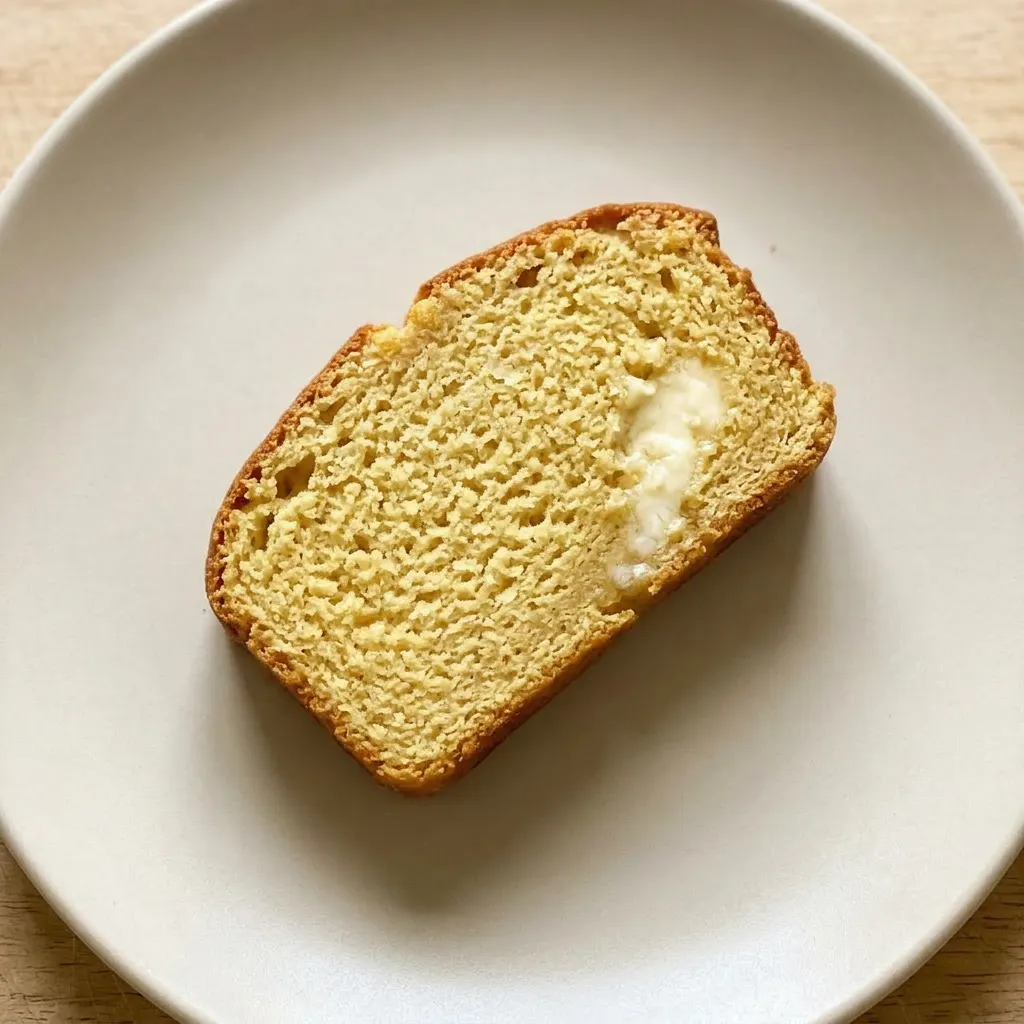
Swap these with real texture consequences
Greek yogurt: Sour cream or coconut cream. Sour cream keeps the same tang and moisture; coconut cream adds slight sweetness and less acidity, so the bread may rise a tad less. Use same volume.
Almond flour: Coconut flour (1/4 cup plus 1 extra egg). Coconut flour soaks up more liquid; you need less flour and an extra egg to keep the batter from turning pasty. The crumb becomes more tender but less sturdy, handle slices gently.
Xanthan gum: Psyllium husk powder (same amount). Psyllium gives similar cohesion but creates a slightly denser, more elastic crumb. The batter will feel less stretchy; expect a tighter slice.
Tips
- Let the batter rest for 5 minutes after mixing so the almond flour fully hydrates, which prevents a gritty texture.
Storage and Serving
Cool the bread completely on a wire rack before storing. Wrap tightly in plastic wrap or place in an airtight container. At room temperature, it keeps for up to 2 days; after that, the crumb starts to dry out.
Refrigerate for up to a week, but the texture firms up and loses some tenderness. Slice and freeze for up to 3 months; toast slices directly from frozen to restore a crisp crust and soft interior. For best texture, serve the day it’s baked while the crumb is still moist and tender.
If adding any finishing touch like butter or herbs, do it just before serving, not in advance, so the bread stays crisp. The bread is fully baked and cooled before any storage, so no finishing steps remain after baking. Eat within 2 hours of slicing at room temperature for optimal moisture.
Frequently Asked Questions
Can I make this bread ahead of time and freeze it?
Yes. Cool completely, wrap tightly, and freeze for up to 3 months. Toast slices straight from frozen to restore a crisp crust and soft interior.
Why did my keto yogurt bread turn out dense and gummy?
Most likely the bread wasn’t cooled fully before slicing, that traps steam and makes the crumb gummy. Let it rest in the pan 10 minutes, then cool completely on a wire rack. If you skipped xanthan gum, the structure collapses, turning it dense.
How is this different from traditional yogurt bread?
Traditional yogurt bread uses wheat flour for gluten structure; this one relies on eggs and xanthan gum to hold together. Almond flour replaces all-purpose, so the crumb is tender but more fragile, handle slices gently. The tang from Greek yogurt is similar, but the texture is closer to a quick bread than a yeasted loaf.
Can I use this bread for sandwiches without it falling apart?
Yes, if you let it cool completely and slice with a serrated knife. The xanthan gum gives enough structure for a sturdy slice, but it won’t be as elastic as wheat bread. For best results, toast the slices slightly before assembling your sandwich.