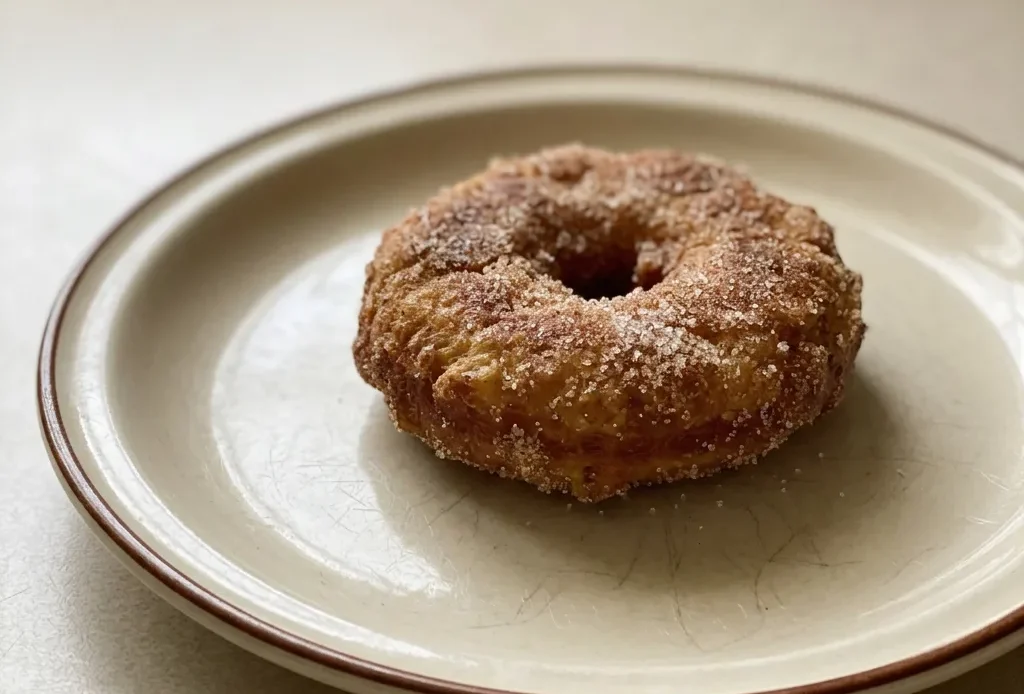
Sourdough discard, the stuff you usually scrape into the trash, is the secret to a shockingly tender doughnut that comes together in half an hour, no yeast, no rise time. The discard adds a mild tang and helps keep the crumb soft, but here it works with baking powder, not fermentation. The batter is barely stirred, deliberately lumpy, because overmixing turns these into bricks.
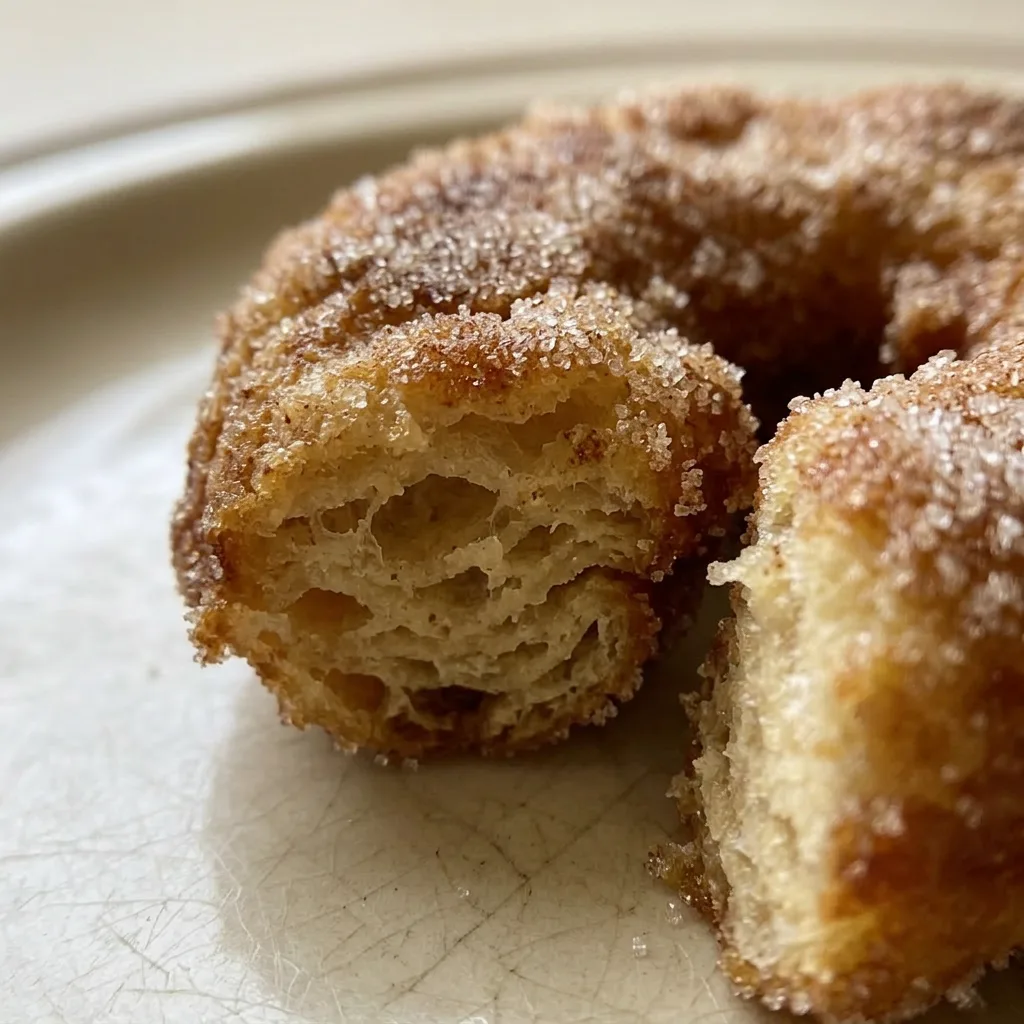
What you get are golden, craggy rounds with a crisp sugar shell and a faint sour note that makes them less cloying than standard cake doughnuts. This is a 30-minute payoff for a byproduct you almost tossed.
Sourdough discard’s role
Sourdough discard adds a subtle tang and tender crumb without relying on yeast. The fermentation produces acids that break down gluten slightly, making the doughnuts more tender.
It also contributes flavor complexity, a mild sourness that balances the sweetness. But discard is not the primary leavener here; baking powder does that heavy lifting.
The discard works alongside it, adding lift from its bubbles and acidity, which can also activate the baking powder more effectively. For even incorporation, the discard should be at room temperature, otherwise cold starter can seize the melted butter and create lumps. You’ll taste the difference, a more interesting doughnut than one made with plain buttermilk.
Batter consistency matters
Overmixing creates dense, tough doughnuts because gluten develops and tightens the crumb. You want a batter that’s just combined, still lumpy, no streaks of flour but not smooth.
It should drop easily from a spoon, not pour in a ribbon. That lumpiness is fine; it means minimal gluten formation.
If the batter is too thin, the doughnuts will absorb too much oil and turn greasy; too thick, they’ll be heavy and undercooked inside. When you drop the batter into hot oil, it should hold its shape briefly then spread slightly. Proper consistency ensures a light, airy interior with a delicate crust.
Trust the visual: a rough, scoopable batter that falls off the spoon in ragged dollops.
Frying temperature control
Oil temperature is the make-or-break factor. You need it around 350°F/175°C, hot enough to set the crust immediately, creating a barrier that keeps oil out. Below that, doughnuts soak up grease and turn heavy.
Above that, the outside burns before the inside cooks through. Use a thermometer; if you don’t have one, drop a small dab of batter, it should sizzle vigorously and rise within a few seconds. Adjust the heat as you fry to maintain steady temperature.
Each addition lowers the oil temp, so wait briefly between batches. The result: golden brown, fully cooked doughnuts with a crisp exterior and fluffy center.
Warm coating for cinnamon sugar
Coat the doughnuts while they’re still warm, right after draining on paper towels for about 30 seconds. The residual heat and slight moisture help the sugar-cinnamon mixture adhere without clumping. If you wait until they’re cool, the sugar falls off.
Shake off excess oil first; too much oil makes the coating slide off or become pasty. The ratio of sugar to cinnamon is up to you, start with 1/2 cup sugar to 1 tablespoon cinnamon and adjust from there.
Toss a few at a time in a bag or bowl, ensuring even coverage. The coating stays put, adding a crunchy, sweet layer that contrasts with the tender doughnut.
Prep: 20 min · Cook: 10 min · Total: 30 min · Servings: 12 · Calories: 180 kcal
Key ingredients for tender doughnuts
All-purpose flour: Whole wheat works but gives a denser, nuttier crumb; stick with AP for a lighter texture.
Sourdough discard: Use at room temperature so it mixes evenly with melted butter without seizing.
Melted butter: Neutral oil works for dairy free, but butter adds richer flavor and better browning.
Baking powder: Do not swap for baking soda unless you add an acid; the recipe relies on double acting powder.
Mixing and Frying the Doughnuts
Mix dry ingredients
Whisk flour, sugar, baking powder, salt, and cinnamon until uniform. No lumps of baking powder, they’d create bitter spots. You want a consistent tan color.
Combine wet ingredients
Whisk eggs, milk, room-temp sourdough discard, and melted butter until smooth. If the butter seizes into small clumps, the discard is too cold, warm it slightly.
Fold wet into dry
Stir just until no dry flour remains. The batter will look lumpy and rough, that’s right. Stop.
Overmixing makes dense doughnuts; you’ll see a smooth batter, which means tough results.
Heat oil for frying
Pour vegetable oil 2 inches deep into a heavy pot. Heat to 350°F/175°C. Without a thermometer, a batter drop should sizzle vigorously and rise within seconds.
If it sinks without bubbling, too cool; if it browns instantly, too hot.
Drop batter into oil
Use a spoon to gently drop portions of batter into hot oil. They should hold shape briefly then spread slightly.
Fry 3 to 4 minutes total, flipping once, until deep golden brown. Overcrowding drops oil temp, fry in batches.
Drain and coat warm
Transfer with a slotted spoon to paper towels. After 30 seconds, while still warm, toss in cinnamon sugar. The heat helps the coating stick.
Too much oil left on makes it slide off; dab off excess first.
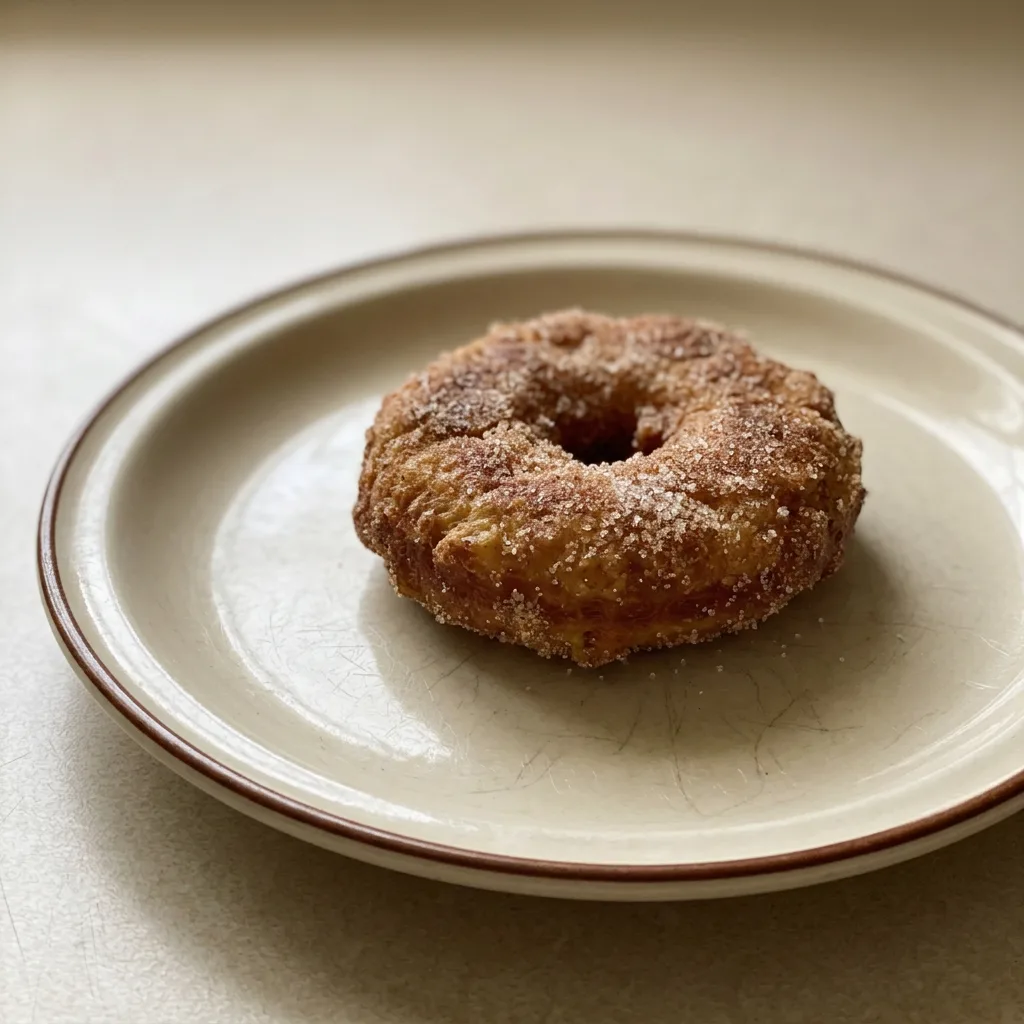
Sourdough Discard Doughnuts
Ingredients
Method
Assemble Ingredients:
Assemble and measure all ingredients so they are easily accessible.Whisk Dry Ingredients:
In a large bowl, combine the flour, sugar, baking powder, salt, and cinnamon with a whisk until uniform.Mix Wet Ingredients:
In a separate bowl, whisk the eggs, milk, sourdough starter, and melted butter until the mixture is smooth.Combine Wet and Dry:
Carefully incorporate the wet mixture into the dry ingredients, stirring just until combined without overmixing.Heat Frying Oil:
Fill a deep pan with vegetable oil and heat over medium flame until the oil is hot.Fry Doughnuts:
Using a spoon, gently drop portions of batter into the hot oil and fry until each side turns golden brown, approximately 3-4 minutes.Drain on Paper Towels:
Retrieve the doughnuts with a slotted spoon and place them on paper towels to drain excess oil.Coat with Cinnamon Sugar:
While still warm, coat each doughnut in a blend of sugar and cinnamon.
Storage and Serving
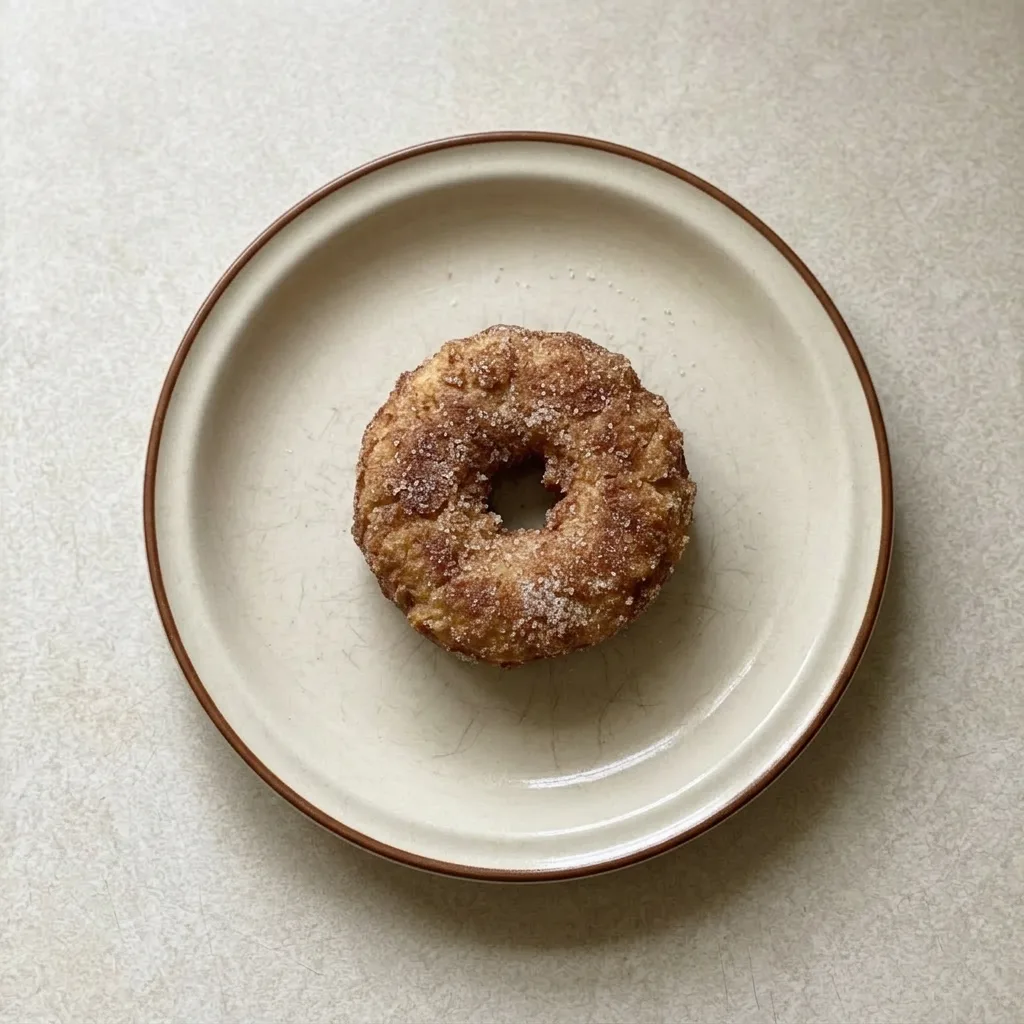
Sourdough discard doughnuts are at their peak the day they’re made. The exterior is crisp, the interior tender and airy.
After a day, the coating softens and the crumb tightens slightly. Store leftovers in an airtight container at room temperature for up to 2 days. Do not refrigerate, as that accelerates staling.
To revive the texture, reheat in a 350°F oven for 3 to 5 minutes. This restores some crispness, though the original crunch won’t fully return.
The cinnamon sugar coating will be less pronounced after reheating; you can add a fresh sprinkle. Freezing is not recommended. The doughnuts’ delicate structure and moisture content suffer during thawing, resulting in a gummy, uneven texture.
The batter itself does not freeze well either, as the baking powder loses potency. For best results, fry only what you plan to eat within a day or two.
What you can swap (and what to leave alone) in sourdough discard doughnuts
All-purpose flour: Whole wheat flour. Whole wheat produces a denser, nuttier crumb.
The doughnuts will be less airy and more substantial, with a stronger wheat flavor. Use the same volume (2 cups), but expect a heavier texture.
Sugar: Coconut or maple sugar. Both swap cup-for-cup.
Coconut sugar adds a mild molasses note; maple sugar gives a faint maple sweetness. The doughnuts brown faster because these sugars caramelize at lower temperatures, so watch your fry time. The texture stays the same.
Butter (melted): Neutral oil (like canola or grapeseed). Oil makes dairy-free doughnuts that are still tender, but you lose the rich flavor and extra browning that butter provides. The crumb may be slightly less crisp.
Use the same amount (1/4 cup / 60 ml).
Tips
- Let the batter rest for exactly 5 minutes after mixing; this hydrates the flour and lets the baking powder begin its double action, producing a lighter, more even crumb without overmixing.
- Use a small cookie scoop or two spoons to drop the batter for uniform doughnut sizes; this ensures even cooking and consistent doneness across all pieces.
Tried frying at medium-low once and got oil-logged blobs; next time at medium-high they came out light and crisp.

Frequently Asked Questions
Can I make the batter ahead of time and fry later?
No, fry the batter immediately. The baking powder starts reacting as soon as it gets wet, so a rested batter loses its lift.
If you wait, the doughnuts will be dense and flat instead of puffed and airy. Mix and fry within 30 minutes for the best rise.
Why did my doughnuts turn out greasy?
The oil was too cool. At 350°F, the crust sets fast and blocks oil absorption.
If the oil temp drops below that, say, after crowding the pot, the batter soaks up grease before the crust forms. Use a thermometer and fry in small batches; a drop of batter should sizzle aggressively and rise immediately.
Can I bake these instead of frying?
No, this batter is designed for frying only. The soft, scoopable consistency won’t hold shape in an oven; it would spread into flat puddles rather than puff into doughnuts. Frying sets the exterior instantly and creates the tender crumb that baking powder and discard give together.
How do I know when the oil is hot enough without a thermometer?
Drop a small dab of batter into the oil. It should sizzle vigorously and rise to the surface within a couple of seconds. If it sinks without bubbling, it’s too cool; if it browns instantly and smokes, it’s too hot.
That sizzle-and-rise cue signals the 350°F sweet spot.
What’s the difference between these and yeast-raised doughnuts?
These are cake doughnuts, leavened with baking powder, not yeast. They’re denser and more tender, with a crumbly interior, and they don’t require rising time. Yeast doughnuts are lighter and airier but need proofing.
The sourdough discard adds a subtle tang that yeast-raised versions lack.
