
So you can make an omelet without even touching a pan. No flipping, no greasing, no scraping, just eggs and mix-ins sealed in a bag, dropped in boiling water, and 13 minutes later you’ve got a tender, puffed omelet that slides right out.
The surprise is how evenly it cooks: the gentle boil gives uniform heat, so you get fluffy eggs from edge to center with no browned spots. And cleanup?
Throw away the bag. This omelet in a bag method turns breakfast into a hands-off, customizable experience that works for one or a crowd, especially when camping.
Boiling gives fluffy, even texture
Gentle, even heat from boiling water cooks eggs uniformly, so you get a tender omelet without browned spots or a dry edge. The sealed bag traps steam, which puffs the eggs into a light, airy texture. No oil needed, no flipping required, one less thing to go wrong.
For an easy camping breakfast, this method is hard to beat.
Customize each bag, skip the pan
Each bag makes a single serving, so everyone picks their own mix-ins, no compromises. With no pan to wash, cleanup is a breeze. It’s ideal for camping breakfast ideas for a crowd, since you can boil a dozen bags at once and satisfy every preference.
Squeeze out air to keep it submerged
Air pockets make the bag float, so parts of the omelet cook unevenly. Now I always squeeze the bag flat to purge air before sealing it tight. That keeps the bag fully submerged, ensuring even cooking.
A tight seal also stops water from leaking in, so the eggs stay pure.
Slides right out of the bag
The bag’s smooth surface resists sticking, and steam condensation loosens the omelet as it cooks. When you open the top and shake, the omelet slides out in one neat piece. No greasing or scraping needed, just a clean release that makes serving easy.

Prep: 10 min · Cook: 20 min · Total: 30 min · Servings: 1 · Calories: 140 kcal
What to buy and prep
Zip-top sandwich bags: Get the freezer-weight kind; they hold up to boiling without splitting.
Large eggs: Use the freshest eggs you can find for the best rise and cleanest flavor.
Desired mix-ins: Precook any raw meat or hard veggies; they won’t cook through in 13 minutes.
Bag your eggs, boil
Heat the water to a rolling boil
Fill a large pot about two-thirds full with water and bring it to a full, rolling boil. Bubbles should break the surface actively, if they slow, the cook time stretches and the texture suffers.
Label and fill each bag
Write names on the bags with a marker so no one grabs the wrong omelet. Crack 2 eggs into each bag, add your chosen mix-ins, then seal and knead gently from the outside until the yolks and whites blend completely.
Deflate and seal tight
Open the seal just a crack, press the bag flat to push out trapped air, then reseal. Air pockets make the bag float, leaving part of the omelet above water where it cooks unevenly.
Boil for exactly 13 minutes
Lower the sealed bags into the boiling water, making sure they’re fully submerged. Set a timer for 13 minutes, no guessing.
Undercooked eggs run, overcooked ones turn rubbery. This window gives a tender, puffed omelet.
Release the omelet
Lift the bags out with tongs, careful, they’re hot. Snip the top corner or open the seal, then tilt and shake gently. The omelet should slide out in one piece.
If it sticks, the seal leaked or the bag wasn’t squeezed flat.

Omelet in a Bag
Ingredients
Method
Boil Water:
Heat a large pot of water until it reaches a rolling boil.Label Bags:
If needed, label the bags with names to tell the omelets apart.Fill and Seal Bags:
Break the eggs into the bag. Toss in your chosen mix-ins. Close the bag and knead the contents to combine. Then open the seal slightly, push out extra air, and reseal tightly. Use your fingers to push the mixture down to the bag’s base.Cook Omelets:
Once the water is boiling, submerge the bags and cook for exactly 13 minutes.Remove and Plate:
Take the bags out carefully (they’ll be hot). Open the top and gently shake the omelet onto a plate; it will slide out easily.Add Toppings:
Optionally, add extra toppings before serving.
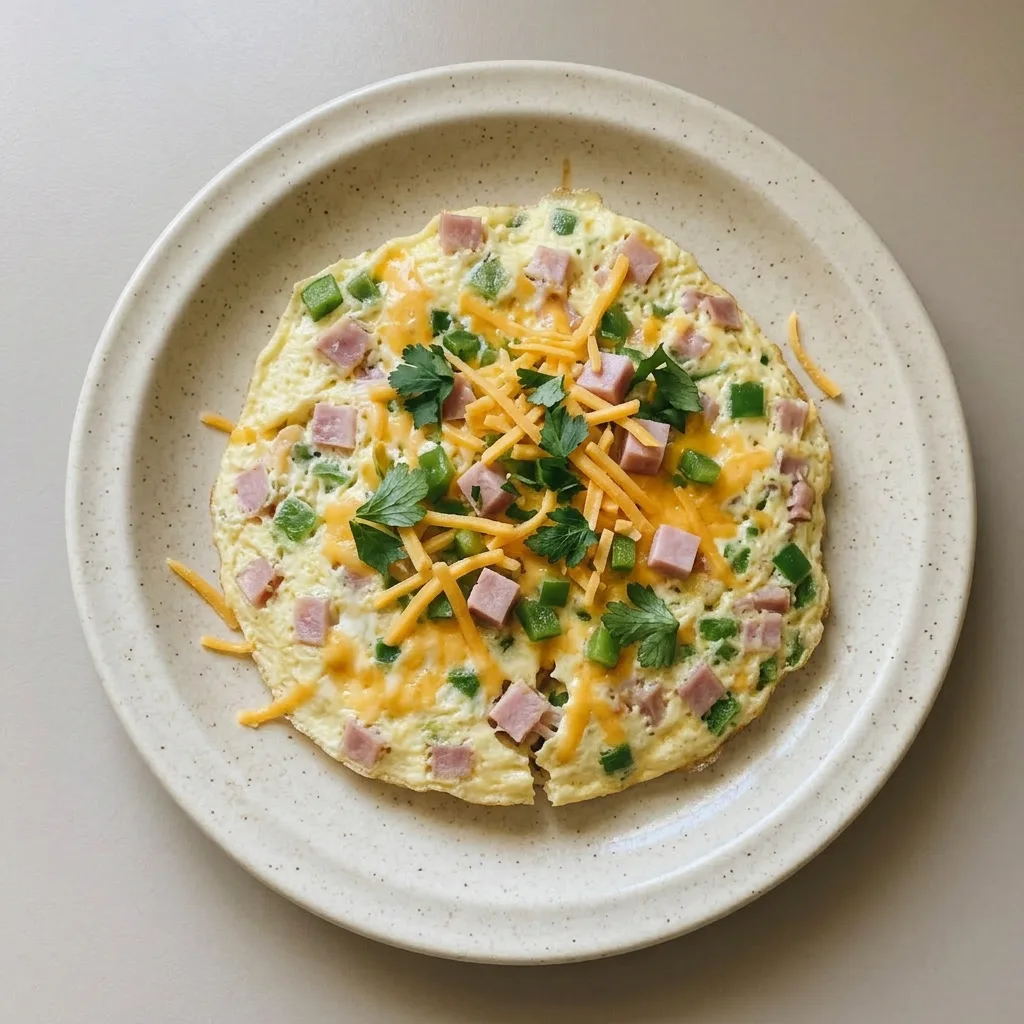
Swap eggs, keep the boil the same
Eggs: Liquid egg substitute (like Egg Beaters) or egg whites. Use the same volume (about 1/4 cup per 2 eggs). Egg whites yield a leaner, slightly chewier omelet; substitute often includes stabilizers that cook up a bit firmer but still tender.
Mix-ins: Any cooked meat, soft cheese, or low-moisture vegetable. Avoid watery ingredients like fresh tomatoes or raw mushrooms, they release steam, making the omelet soggy and preventing a clean slide-out. Precook hearty vegetables until just tender.
Cheese: Dairy-free shreds (e.g., vegan cheddar) or omit. Vegan cheeses melt less smoothly; shred them fine and add a little extra to compensate. Without cheese, the omelet is still cohesive but less rich, boost with herbs or smoked paprika.
Storage and Reheating
This omelet is best eaten right after cooking, while the eggs are still puffy and tender. If you have leftovers, refrigerate them in an airtight container for up to 3 days.
The texture will soften as moisture redistributes, so expect a denser, less fluffy omelet after storage. To reheat, microwave on medium power in 20-second bursts until warm, or gently warm it in a nonstick skillet over low heat, covered, for about 2 minutes.
Avoid high heat, which makes eggs rubbery. For camping make ahead, you can cook the omelets a day ahead, refrigerate them in the bags, and reheat in simmering water for 5 minutes. Do not freeze; the eggs become watery and spongy upon thawing.
Add any optional toppings just before serving, not before storage.
Tips
- Use a pot wide enough so bags don’t overlap; crowding lowers water temperature and extends cook time unevenly.
- Let the water return to a full rolling boil before adding each bag; dropping them in a simmering pot leads to inconsistent heat and a denser omelet.

Frequently Asked Questions
Can I make omelet in a bag ahead of time and reheat it?
Yes, you can cook them a day ahead and refrigerate in the bags. To reheat, submerge in simmering water for 5 minutes. The texture will be denser than fresh, so expect that trade-off.
How do I prevent the bag from leaking during cooking?
Use freezer-weight sandwich bags, they’re thicker and resist splitting. Squeeze out all the air before sealing tight; air pockets cause floating, which can strain the seal. Check the seal is fully closed before lowering into the water.
Can I use a different type of bag, like a freezer bag?
Freezer bags are actually recommended for their durability. They handle boiling without splitting. Avoid thin sandwich bags or generic storage bags, they can leak or melt at the seal.
Why did my omelet turn out rubbery?
Most likely overcooked. The recipe calls for exactly 13 minutes in boiling water, any longer and the eggs tighten up. Also, high heat after cooking (like a too-hot microwave) can make them rubbery; reheat gently.
Can I cook multiple omelets at once in the same pot?
Yes, just make sure the bags are fully submerged and not crowded. Use a pot large enough so they can lie flat without stacking; otherwise, some may float or cook unevenly. They all come out at the same time, 13 minutes.