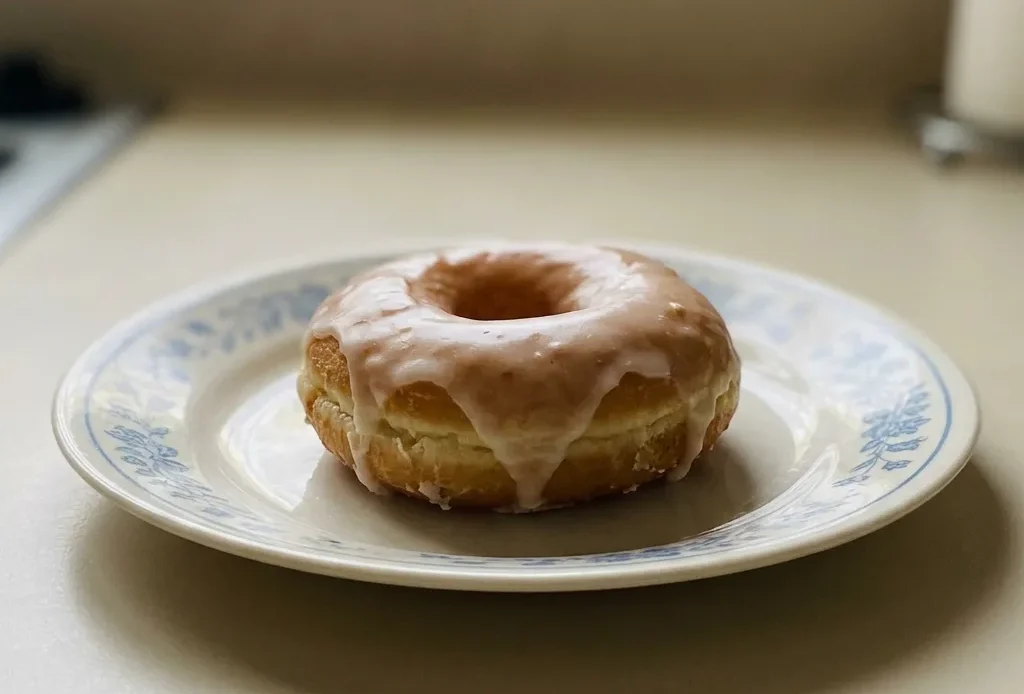
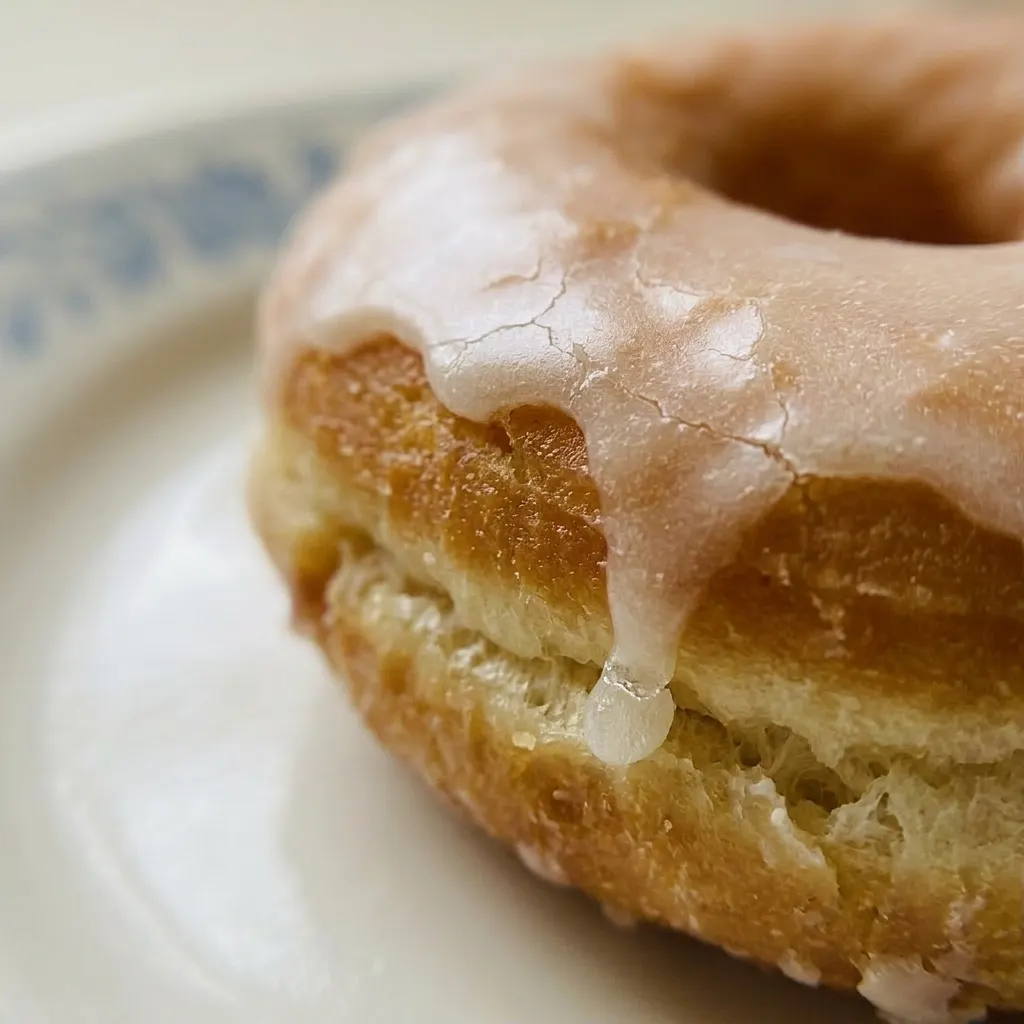
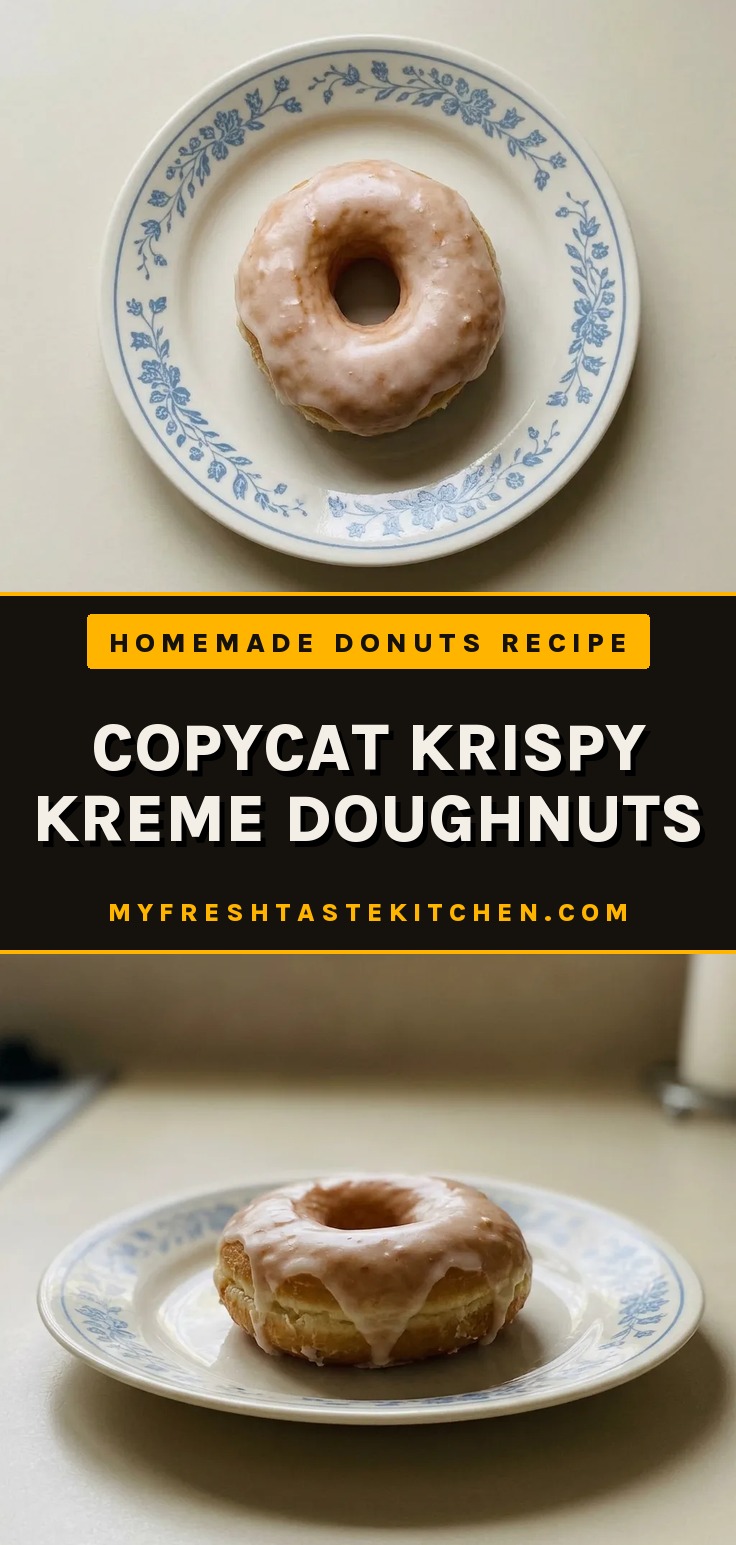
A warm, crackly glaze that shatters when you bite, giving way to a featherlight, airy crumb, that’s the hallmark of a fresh Krispy Kreme. Recreating that texture at home is less about precision and more about feel: the dough should be soft and slightly tacky, not stiff, and the second proof is where the magic happens. These copycat krispy kreme doughnuts capture the essence, even if they won’t pass for factory-made.
The trick is trusting the dough’s hydration and not rushing the rise.
Yeast Activation and Dough Hydration
The foamy layer that forms on the yeast mixture after five minutes tells you the yeast is alive and ready. That bloom ensures the dough will rise properly, creating the airy crumb you want. The balance of milk, eggs, and butter makes the dough soft and slightly tacky, if it’s dry, the doughnuts turn dense.
Resist adding extra flour beyond what’s needed. The right hydration lets the dough puff up during proofing, giving each bite that light, tender texture Krispy Kreme is known for.
Rolling and Second Proof
Rolling the dough to exactly 1/4 inch is important. Thicker doughnuts won’t cook through evenly; thinner ones turn into crackers. After cutting, that second proof of 10 to 15 minutes is what makes them soft.
You’ll see the rings visibly puff up on the baking sheet. Using a doughnut cutter, or two round cutters, gives you uniform shapes that fry at the same rate. The holes are a bonus; they cook faster and make good testers.
Warm Glaze Application
Whisk the confectioners’ sugar, vanilla, and milk until smooth, aim for a consistency that coats the back of a spoon but drips off easily. The key moment comes when the doughnuts are still warm from frying.
Dip the tops; the warmth helps the glaze spread thin and stick. As it cools, the glaze sets into that signature crackly shell. Biting through it gives a slight snap before you hit the soft dough underneath.
That’s the texture that makes these stand out.
Prep: 25 min · Cook: 20 min · Total: 2 hr 30 min · Servings: 16 · Calories: 240 kcal
Ingredient Notes for Light, Airy Doughnuts
Instant Yeast: Use instant, not active dry, so you can skip proofing and add it directly to the flour.
Whole Milk: Warm to about 110°F. Milk that’s too hot kills the yeast; too cold slows the rise.
Unsalted Butter: Soften to room temperature so it creams into the dough without lumps.
All-Purpose Flour: Start with 3 1/2 cups; add more only if the dough is wet after kneading.
Neutral Oil: Use a high-smoke-point oil like canola or vegetable for clean frying without off-flavors.
Frying and Glazing for That Signature Finish
Heat the Oil
Bring oil to 375°F in a heavy pot, an instant-read thermometer is your friend here. Too low, doughnuts absorb grease; too high, they burn outside before the center cooks.
Fry the Doughnuts
Fry in batches, a few at a time, so the oil temperature doesn’t crash. Flip them when the edges turn golden brown, about 1 to 2 minutes per side. The holes cook faster, so pull them after a minute.
Drain and Cool Slightly
Transfer to paper towels or a wire rack. Let them cool just enough that you can handle them, still warm, but not scorching. That warmth is what helps the glaze stick.
Make the Glaze
Whisk confectioners’ sugar, vanilla, and milk until smooth. Aim for a consistency that coats the back of a spoon but drips off easily, adjust milk a tablespoon at a time.
Glaze While Warm
Dip the top of each warm doughnut into the glaze, letting excess drip off. The warm surface thins the glaze so it sets into a crackly shell as it cools. Set on a wire rack.
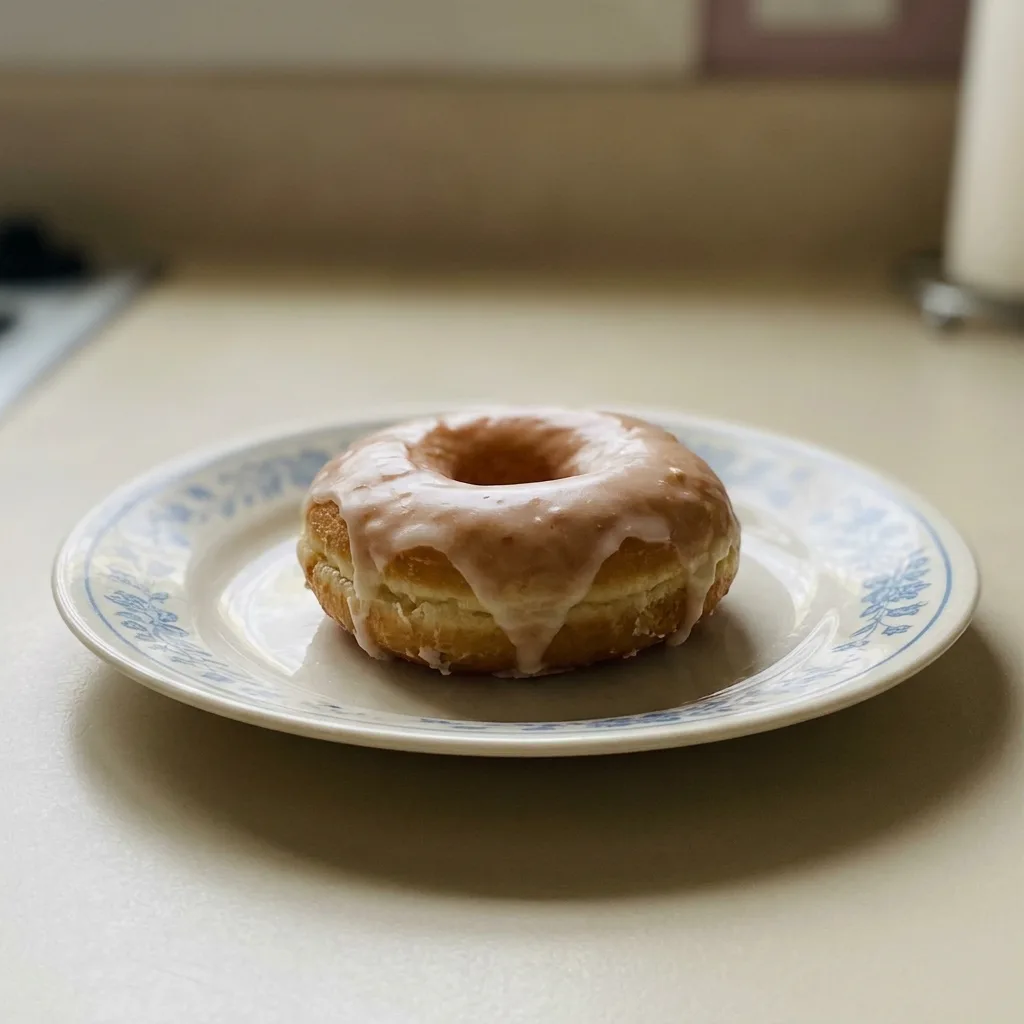
Copycat Krispy Kreme Doughnuts
Ingredients
Method
Activate Yeast:
In the bowl of a stand mixer, stir together the warm water and instant yeast. Allow to sit for roughly 5 minutes until a foamy layer forms on top.Warm Milk:
Warm the milk in a microwave or on the stovetop until it is just warm (not hot to the touch), then let it cool slightly.Mix Wet Ingredients:
To the yeast mixture, add the warmed milk, sugar, salt, eggs, softened butter, and 2 cups of flour. Using the paddle attachment, mix on low until smooth and fully incorporated.Knead Dough:
Switch to the dough hook and slowly incorporate the remaining flour. Knead on medium speed for 5–7 minutes. The dough should be soft and slightly tacky but not wet or overly sticky—if needed, add extra flour one tablespoon at a time.First Rise:
Place the dough into a lightly oiled bowl, turn to coat all sides, and cover loosely. Let it rise in a warm place until doubled in volume, about 1 to 2 hours.Cut Doughnuts:
On a surface dusted with flour, roll the dough to a thickness of 1/4 inch. Using a doughnut cutter or two round cutters of different sizes, cut out doughnuts and holes. Gather scraps, re-roll, and continue cutting.Proof Doughnuts:
Arrange the cut doughnuts and holes on baking sheets lined with parchment. Cover loosely and let proof for 10–15 minutes, until they appear puffed.Fry Doughnuts:
In a large, heavy pot, heat oil to 375°F (190°C). Fry the doughnuts in batches, cooking each side for 1–2 minutes until golden brown. Fry the holes for 1 minute or less. Transfer to paper towels or wire racks to drain.
Make Glaze:
In a bowl, whisk together the confectioners’ sugar, vanilla, and 3–4 tablespoons of milk until the mixture is smooth. Adjust the milk amount to reach the desired consistency.Glaze Doughnuts:
While the doughnuts are still warm, dip the tops into the glaze. Allow excess to drip off, then place on a wire rack so the glaze can set slightly.Serve Immediately:
Serve immediately for the best fluffy texture.
Notes
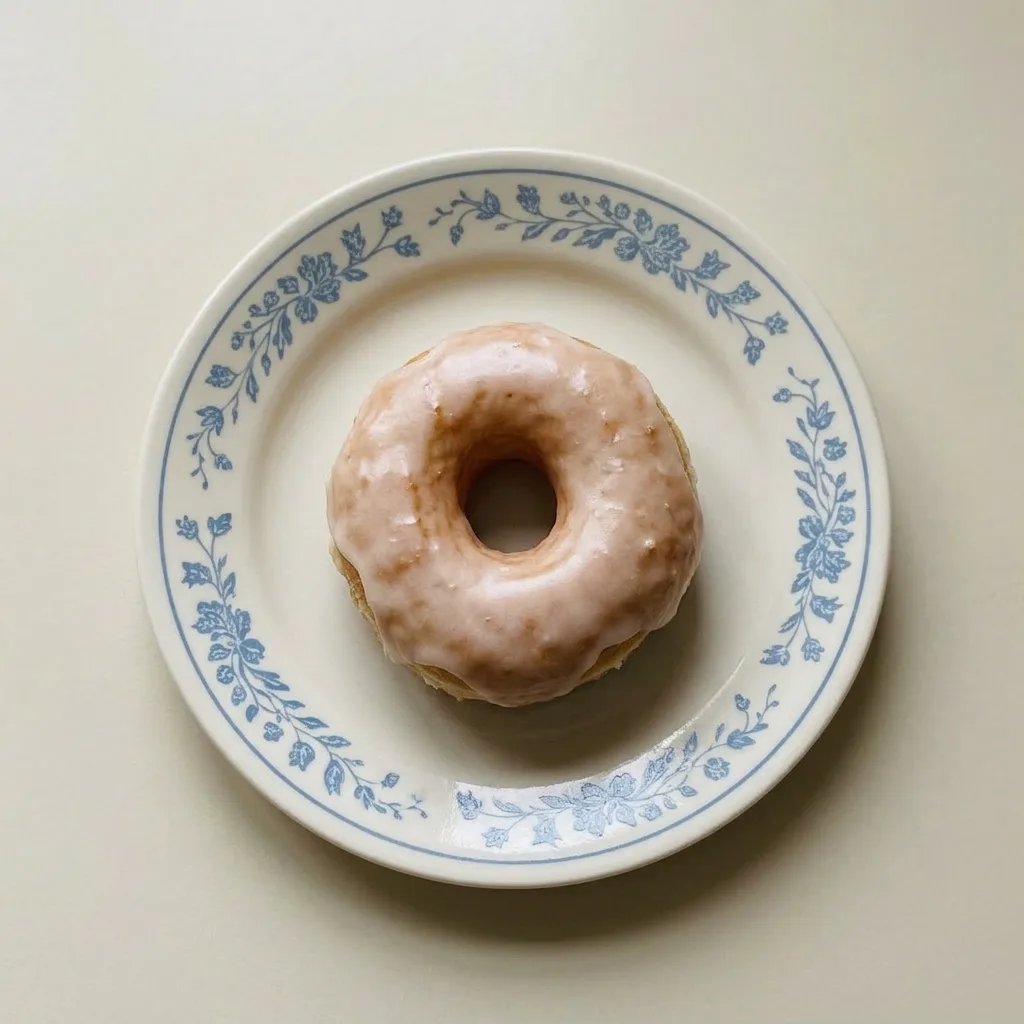
Swapping Milk and Flour Without Losing the Soft Crumb
Whole Milk: Buttermilk (same amount, warmed). Adds a tang and slightly tighter crumb; the acidity can help tenderize, but skip if you want that neutral sweet flavor of the original.
All-Purpose Flour: Bread flour (start with 3 1/2 cups, add more as needed). More chew and structure, less delicate, closer to a brioche doughnut. The dough will feel firmer; expect slightly less rise.
Instant Yeast: Do not substitute active dry yeast without adjusting the method and proofing time, and even then the texture may suffer. Instant yeast mixes directly into flour; active dry needs proofing in warm water. Using active dry here risks a denser dough if not handled carefully.
Stick with instant for the best rise.
Unsalted Butter: Do not replace with oil or margarine; the butter is essential for that tender, rich crumb. Butter provides both fat and water that hydrate the flour and create a soft texture. Oil makes the dough greasy; margarine adds water but not the right structure.
The doughnuts will be less airy and more cake-like.
Tips
- Use a thermometer to monitor oil temperature and adjust heat between batches; if the temperature drops below 360°F, the doughnuts absorb more oil and become greasy, while above 385°F they brown too quickly and remain raw inside.
- Fry only a few doughnuts at a time to avoid overcrowding; adding too many at once drops the oil temperature significantly, leading to uneven cooking and a heavier texture.
Storage and Serving
These doughnuts are at their peak within the first few hours after glazing, when the exterior is crackly and the interior is soft soft. For the best texture, serve them within 4 hours. Store any leftovers in a single layer in an airtight container at room temperature for up to 1 day.
Do not refrigerate; the cold will accelerate staling. After a day, the glaze softens and the dough becomes dense and chewy.
You can revive them briefly in a 300°F oven for 3 to 5 minutes, but they won’t regain that fresh-fried lightness. Freezing is not recommended: the glaze weeps and the dough loses its airy crumb.
If you must freeze, do so before glazing, then reheat and glaze fresh. For make-ahead, you can prepare the dough through the first rise, punch it down, and refrigerate overnight.
The next day, roll, cut, proof, and fry as directed. The glaze must always be applied to warm doughnuts just before serving.
Frequently Asked Questions
Can I make the dough ahead and refrigerate it overnight?
Yes, you can. After the first rise, punch the dough down and refrigerate overnight in a covered bowl. The next day, roll, cut, proof for 10 to 15 minutes, then fry.
The overnight chill slows fermentation, which can deepen flavor, but don’t skip the second proof, the rings need to puff visibly before hitting the oil.
Why did my doughnuts turn out dense instead of light and airy?
Most likely the dough was too dry from extra flour, or the second proof was cut short. After cutting, the rings should look visibly puffier before frying, if they don’t, let them sit longer. Also check your oil temperature: at 375°F they cook quickly and stay light; cooler oil leads to greasy, dense doughnuts.
How do these compare to real Krispy Kreme doughnuts?
These are a home-kitchen version, not a clone. The crumb is airy but slightly more substantial, and the glaze sets into a crackly shell that snaps when you bite. You won’t get the exact factory texture, but the warm glaze and soft interior are in the same family, just with a bit more chew and less cloying sweetness.
