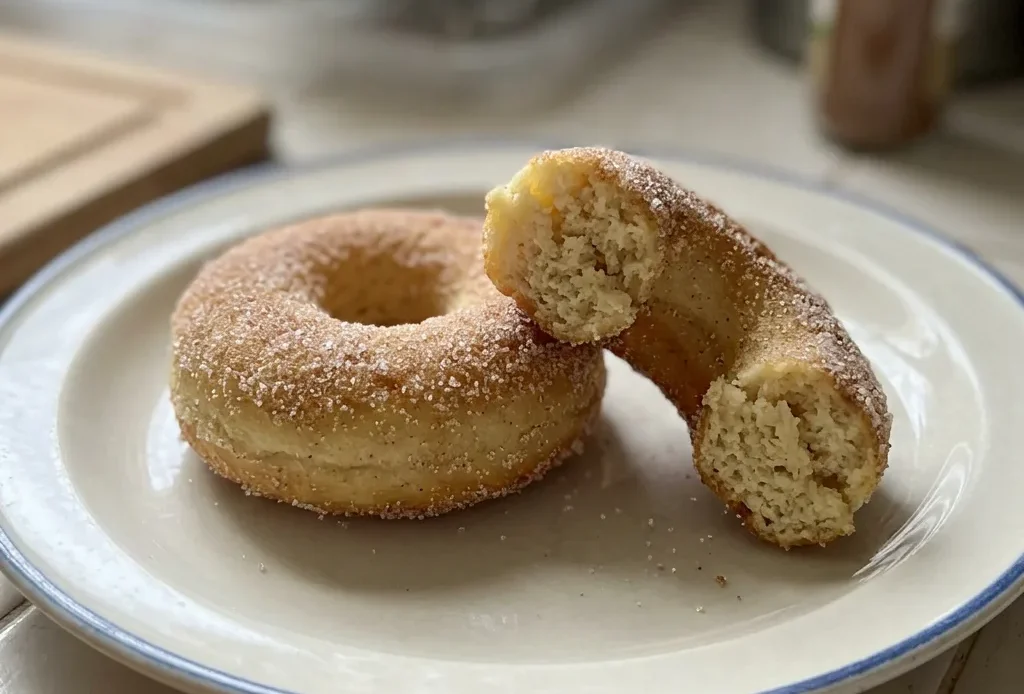
The biggest mistake with baked cinnamon sugar donuts is treating them like muffins, mixing until the batter is smooth, which overdevelops gluten and yields a tough ring instead of a tender crumb. The batter should look shaggy, a few flour streaks still visible, when you stop folding. That’s where the baked donuts recipe wins or loses: the gentler you are, the softer they bake up.
The cinnamon-sugar coating is where the magic finishes, but even the best coating can’t fix a dense base. Get the mixing right, and these baked cinnamon sugar donuts deliver the classic flavor and tender crumb of fried versions with far less mess.
Fold wet into dry gently
Blend the wet and dry ingredients until they just come together. That’s the key.
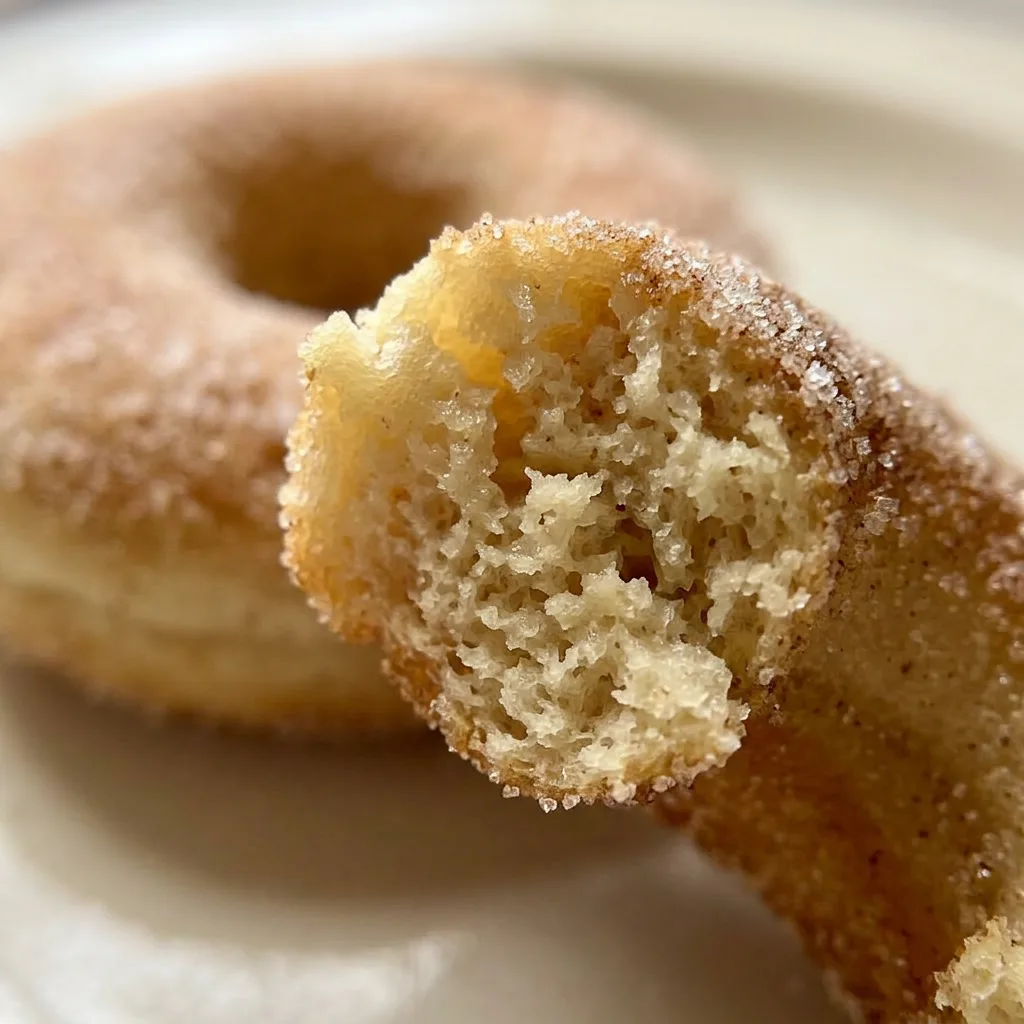
Overmixing develops gluten, the protein network that gives bread chew, but here you want tenderness. A few streaks of flour are fine; they’ll disappear as the batter rests. The result is a soft, airy crumb, not a tough, dense ring.
You’ll feel the difference when you bite, a light donut that almost crumbles, elastic enough to hold its shape without being rubbery. The baked donuts recipe hinges on this single step: handle the batter like you’re folding whipped cream into a mousse, not kneading dough.
Cinnamon in batter, cinnamon in coating
Two separate jobs, two different results. Ground cinnamon in the batter infuses every bite with a subtle warmth, like a background note that lingers. It’s not loud, but it rounds out the sweetness.
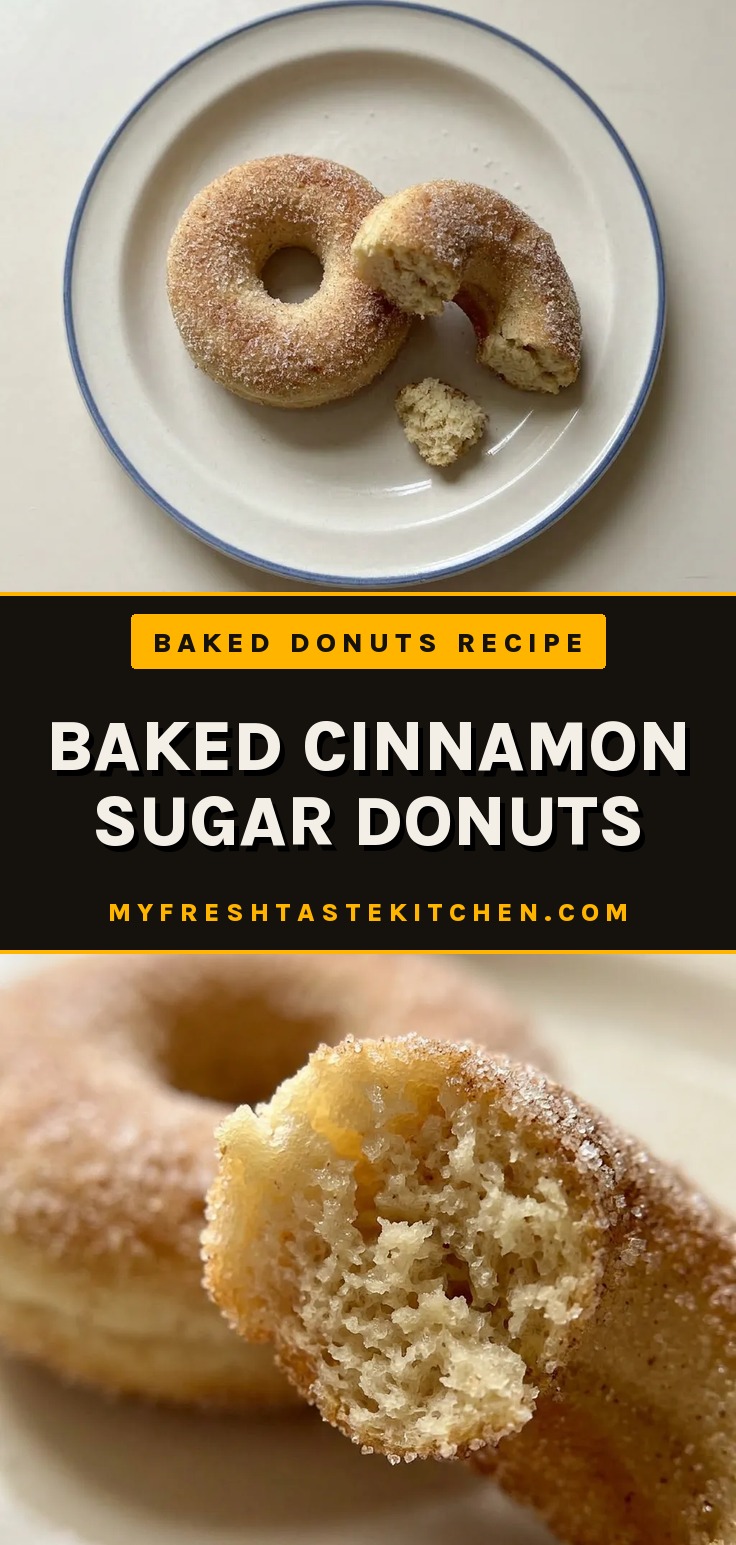
In the coating, that same spice creates a crunchy shell that cracks under your teeth, releasing a concentrated burst of aroma. The contrast, soft interior, crisp exterior, is what makes cake donuts recipe memorable.
One cinnamon works through the whole donut; the other hits you first. Together they build a layered flavor that stays on your tongue.
Brush with butter, then coat
Warm donuts are porous. Melted butter soaks into the surface just enough to make it tacky, so the cinnamon-sugar clings evenly.
Brushing rather than dipping controls how much liquid gets absorbed, too much and the crust turns soggy. A thin film is all you need. The butter also adds richness that complements the spice.
As the sugar sticks and cools, it forms a crisp, even layer that shatters when you bite. No patches of bare dough, no clumps of sugar sliding off. Just a uniform coating that tastes as good as it looks.
Prep: 15 min · Cook: 12 min · Total: 35 min · Servings: 12 · Calories: 180 kcal
What to look for in the ingredients
Flour: All-purpose works fine; half cake flour gives a softer crumb.
Sugar: Up to 25% light brown sugar adds moisture and deeper flavor.
Baking powder: Check freshness or the donuts won’t rise properly.
Cinnamon: Freshly ground cinnamon makes a difference in both batter and coating.
Butter: Unsalted is called for; reduce salt slightly if using salted.
Bake and coat for a crunchy shell
Fill the pan
Spoon or pipe batter into the greased donut pan, filling each cavity three-quarters full. Leave that top quarter empty, too much batter and the donuts will dome over the center hole.
Bake until springy
Bake at 350°F for 10 to 12 minutes. The donuts are done when they’re golden on the bottom and spring back when you press the top. A toothpick should come out clean, if it’s wet, give them another minute.
Brush warm donuts
As soon as they’re out of the pan, brush each warm donut with melted butter. The butter should soak in quickly, making the surface tacky. If it pools, you’ve brushed too much; blot the excess.
Toss in cinnamon sugar
Immediately toss the buttered donuts in the cinnamon-sugar mixture until evenly coated. The sugar should stick in a thin, even layer. If it slides off, the donut cooled too much, reheat gently.
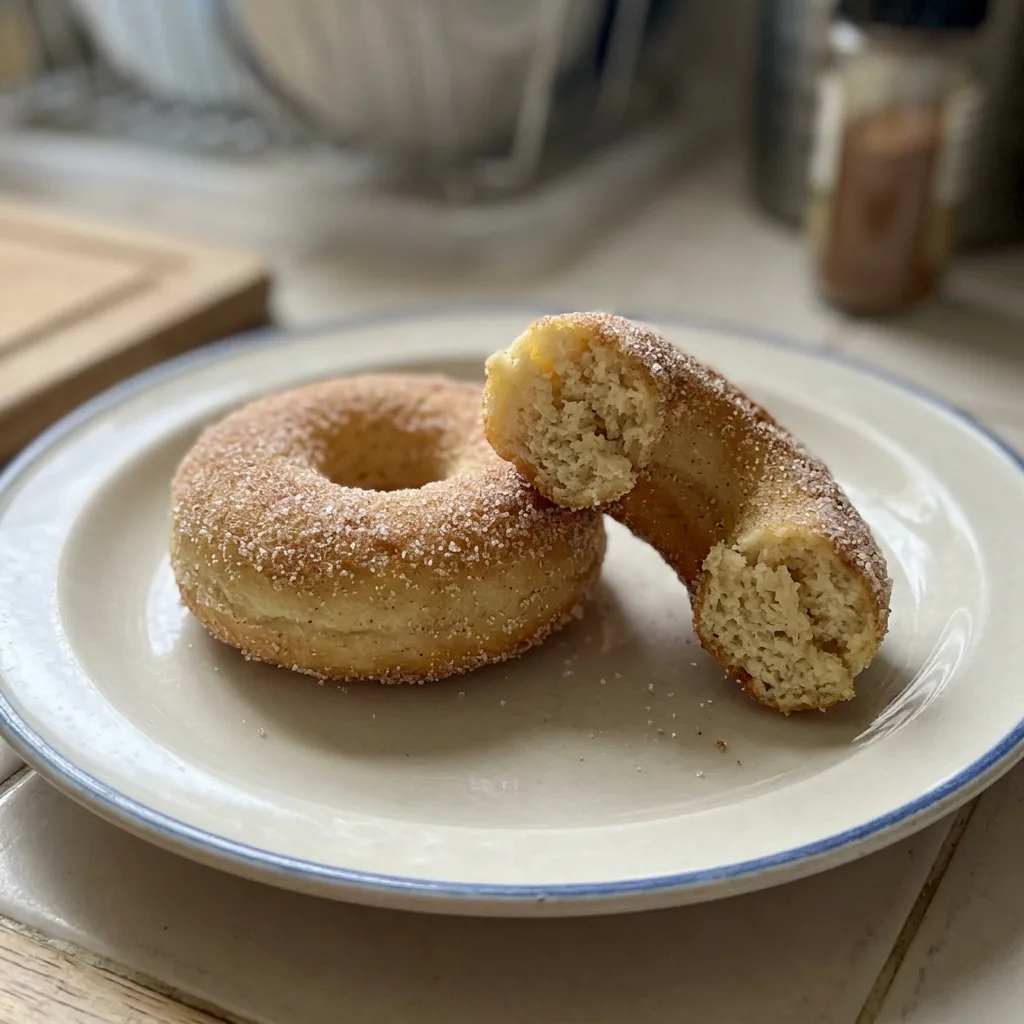
Baked Cinnamon Sugar Donuts
Ingredients
Method
Preheat Oven and Grease Pan:
Preheat the oven to 350°F (175°C) and lightly grease a 12-cavity donut pan or spray with nonstick spray.Whisk Dry Ingredients Together:
Whisk together the dry ingredients (flour, sugar, baking powder, cinnamon, salt) until evenly combined.Whisk Wet Ingredients Together:
Whisk together the wet ingredients (milk, eggs, melted butter, vanilla) until smooth.Fold Wet into Dry:
Fold the wet ingredients into the dry ingredients gently until just combined; avoid overmixing.Fill Donut Pan:
Spoon or pipe the batter into the prepared donut pan, filling each cavity about three-quarters full.Bake Until Golden:
Bake for 10-12 minutes until golden and springy; a toothpick should come out clean.Coat with Cinnamon Sugar:
Brush warm donuts with melted butter and immediately toss in the cinnamon-sugar mixture (1/2 cup sugar + 1 tsp cinnamon) until evenly coated.
Storage and Serving
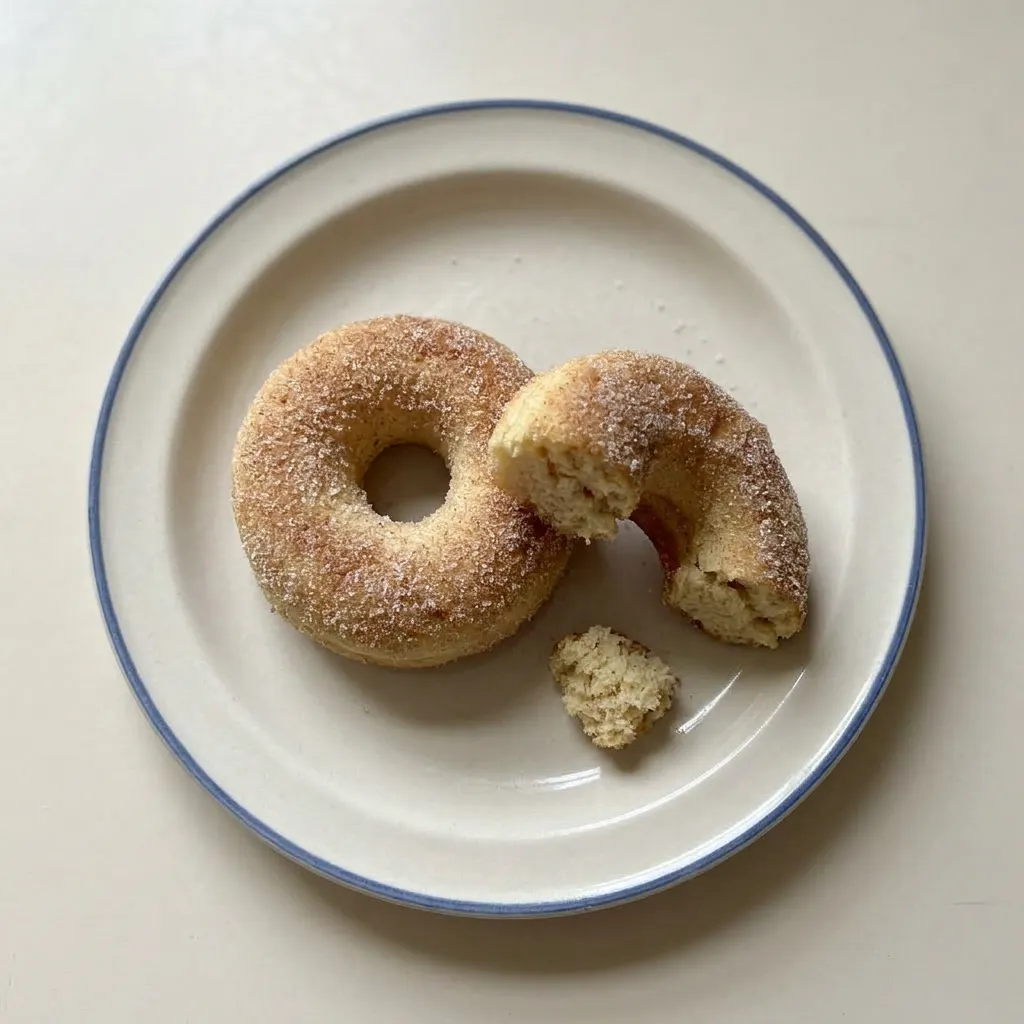
These donuts are best the day they’re made. The cinnamon sugar coating stays crisp for about 6 hours at room temperature.
After that, the sugar begins to absorb moisture from the air and soften. Store leftovers in an airtight container at room temperature for up to 2 days. The coating will become tacky and eventually melt into the surface, but the donut itself stays tender.
Don’t refrigerate them; the cold dries out the crumb and hardens the texture. To revive a day-old donut, warm it in a 300°F oven for 3 to 4 minutes, then toss in fresh cinnamon sugar.
Freezing isn’t recommended; the coating turns gummy upon thawing, and the crumb loses its delicate spring. If you must freeze, do so before coating: wrap uncoated donuts tightly and freeze for up to 1 month.
Thaw at room temperature, then brush with butter and coat fresh.
Two flours, one batter: choosing your base
All-purpose flour: Gluten-free 1-to-1 baking blend (with xanthan gum). Donuts turn slightly more tender and a bit less springy, but hold shape. Use the same amount.
If blend lacks binder, add 1/4 tsp xanthan gum per cup. Don’t substitute almond or coconut flour, they lack structure and the donuts will flatten.
Milk: Buttermilk. Adds tang and a softer crumb. Use the same 3/4 cup.
The acid reacts with baking powder for extra lift, making donuts fluffier. If substituting with non-dairy milk, choose unsweetened, plain almond or oat milk, coconut milk makes them greasy.
Granulated sugar (in batter): Up to 25% light brown sugar. Adds moisture and a faint molasses note that complements cinnamon.
Pack brown sugar firmly when measuring. Beyond 25% makes donuts dense and sticky, the extra moisture throws off the crumb.
Butter (in batter and coating): Vegan butter or coconut oil. Vegan butter works 1:1 in both batter and brushing. Coconut oil makes the coating less buttery and slightly waxy; use refined for neutral flavor.
Melt and cool before adding to batter, hot oil makes the batter thin and greasy.
Tips
- Use a piping bag or zip-top bag with the corner snipped to fill donut cavities cleanly. This avoids dripping batter on the pan and ensures even fill levels without deflating the batter by spooning.
Frequently Asked Questions
Can I make the batter the night before and bake in the morning?
Not really. The baking powder starts reacting as soon as it hits the wet ingredients, so overnight batter will lose its lift.
Donuts will turn out dense and flat. Best to mix and bake right away, the whole thing takes 35 minutes total.
Why did my donuts come out dry?
Most likely overbaked. At 350°F they only need 10 to 12 minutes; check at 10. Overmixing the batter also dries them out, you want just-combined, not smooth.
Also make sure your baking powder is fresh, so the crumb stays light and moist.
Can I use a donut pan without nonstick spray?
You can, but you’ll regret it. The batter sticks hard to ungreased metal, and these donuts are too delicate to pry out in one piece. Grease every cavity well, even if the pan says nonstick, or you’ll be eating crumbs.
How do I know when the donuts are done baking?
Press the top gently, it should spring back, not leave a dent. Golden brown on the bottom is another cue.
A toothpick inserted into the thickest part should come out clean, not wet. At 12 minutes start checking every minute.
What’s the difference between baked and fried donuts in texture?
Baked donuts are cakey and tender, like a muffin that’s shaped like a ring. Fried donuts have a greasy, crisp crust and a chewy interior. Baked ones stay lighter, 180 calories each versus double that for fried, and the cinnamon coating gives a crunchy shell instead.
