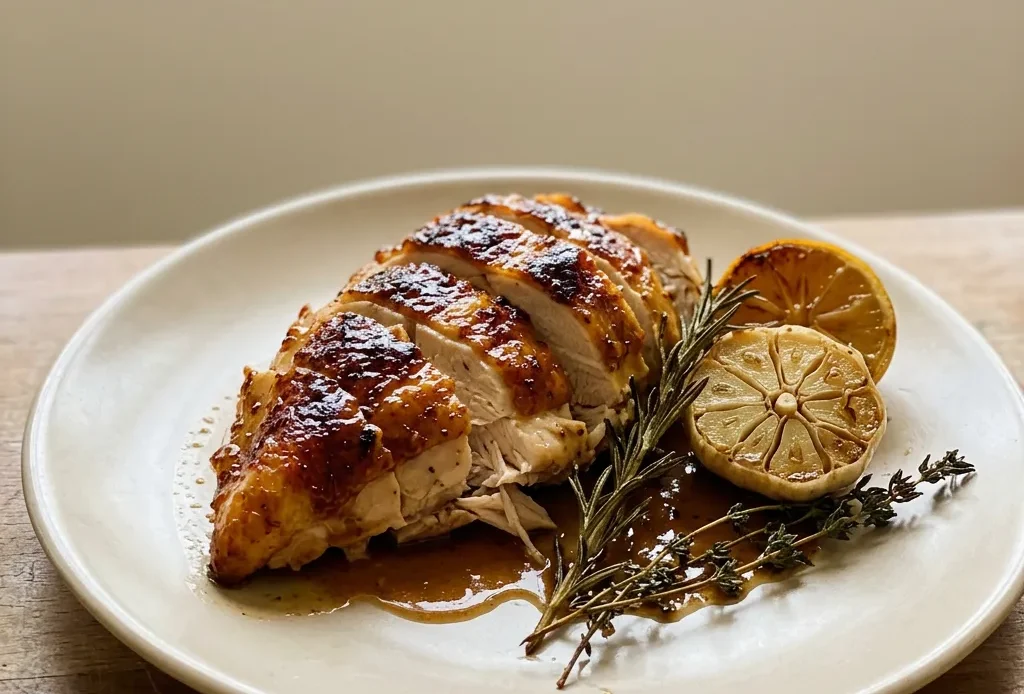
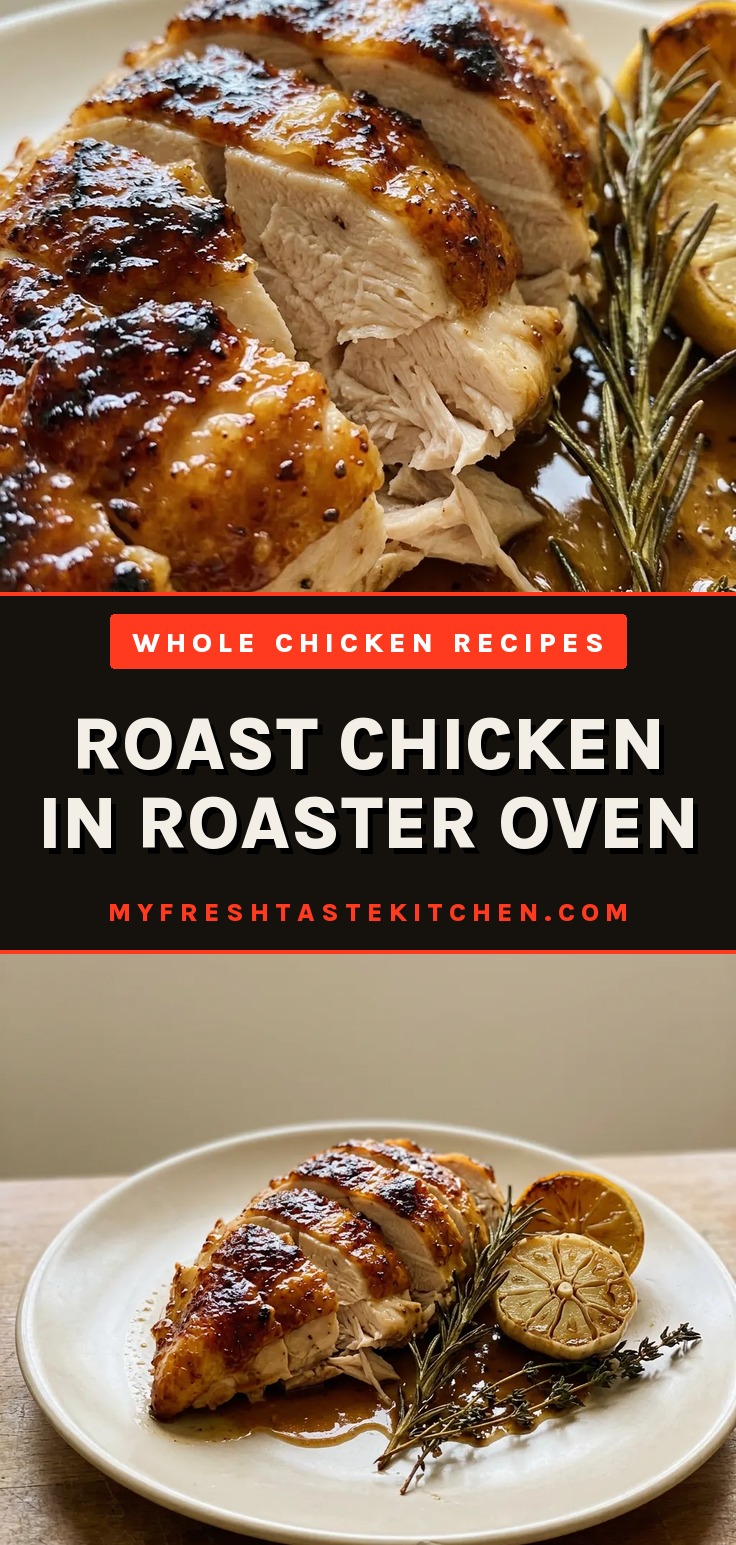
The whole point of a roaster oven chicken is that the skin crackles and the breast stays moist without constant basting. That’s not automatic, it starts with a dry-brined bird and butter slid under the skin, two steps that separate a good roast from an memorable one. This is the roast chicken in roaster oven method that turns those rules into a consistent result, no guesswork required.
Dry-brine for better flavor and texture
Dry-brining with kosher salt draws moisture out of the chicken, then that salted liquid gets reabsorbed deep into the meat. The result is seasoned flesh all the way through, not just on the surface. Leaving the bird uncovered in the fridge lets the skin dry out thoroughly.
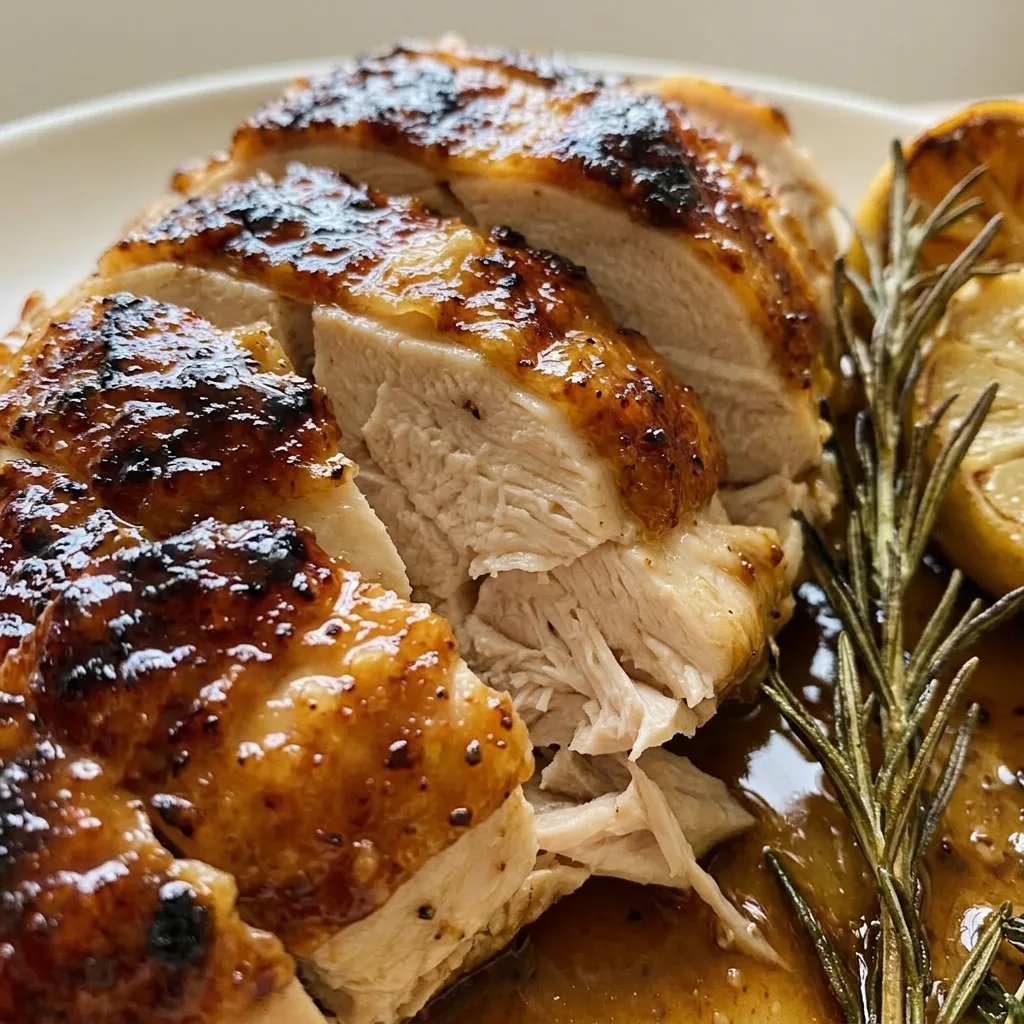
Dry skin is what gives you that crackling crisp finish during roasting. You can see the difference: the skin tightens and turns slightly translucent.
That’s the sign it’ll brown well.
Butter under the skin keeps breast meat moist
Sliding softened butter directly under the breast skin puts fat right where it’s needed most. As the chicken roasts, that butter melts and bastes the lean breast meat from the inside, keeping it from drying out. At the same time, the butter helps the skin render evenly and brown deeply.
You’ll notice the skin turns a rich golden color and stays taut. That’s the butter doing its job, not just sitting on top.
Why a roaster oven gets the job done
A roaster oven traps steam at first, then switches to dry heat for browning. That sealed environment keeps the bird moist while still allowing the skin to crisp. Heat distributes evenly, so you don’t get hot spots or underdone spots like in some conventional ovens.
Plus it uses less energy and frees up your main oven for other dishes. For best roast chicken recipes, this appliance delivers consistent results batch after batch.
Prep: 15 min · Cook: 1 hr 30 min · Total: 1 hr 45 min · Servings: 6 · Calories: 580 kcal
Pick the right bird and seasonings
whole chicken (5-6 lbs), preferably air-chilled: Air-chilled birds have drier skin, which helps them brown and crisp better in the roaster.
unsalted butter, at room temperature: Room temperature butter spreads easily under the skin without tearing it.
fresh rosemary and fresh thyme: Fresh herbs release more aroma than dried; tuck them into the cavity, not on top.
1 head garlic, cut crosswise into slices: Slicing the head exposes the cloves so their flavor infuses the cavity during roasting.
Roast the chicken in the roaster oven until the skin is crisp and the meat is juicy
Dry-brine the bird
Pat the chicken dry and season all over with kosher salt. Refrigerate uncovered for 12 to 24 hours. You’ll see the skin tighten and become slightly translucent over time.
Stuff and truss
Fill the cavity with lemon halves, sliced garlic head, rosemary, and thyme. Tie the legs with twine. This keeps the bird compact for even cooking.
Apply butter under the skin
Slide softened butter under the breast skin, then rub remaining butter all over the outside. The skin will look glossy. This helps the breast stay moist and browns the skin.
Preheat the roaster
Set the roaster oven to its max temperature, usually 450°F. Let it heat fully, the lid should feel hot when you open it. A cold start won’t brown the skin.
Start roasting at high heat
Place the chicken breast-side up on the rack, insert into the roaster, and close the lid. Roast at 450°F for 20 minutes. You’ll see the skin start to color.
Lower heat and finish cooking
After 20 minutes, reduce heat to 350°F (or follow your roaster’s manual). Continue roasting until the breast hits 165°F and thighs reach 175°F. Total time is about 1 hour 30 minutes.
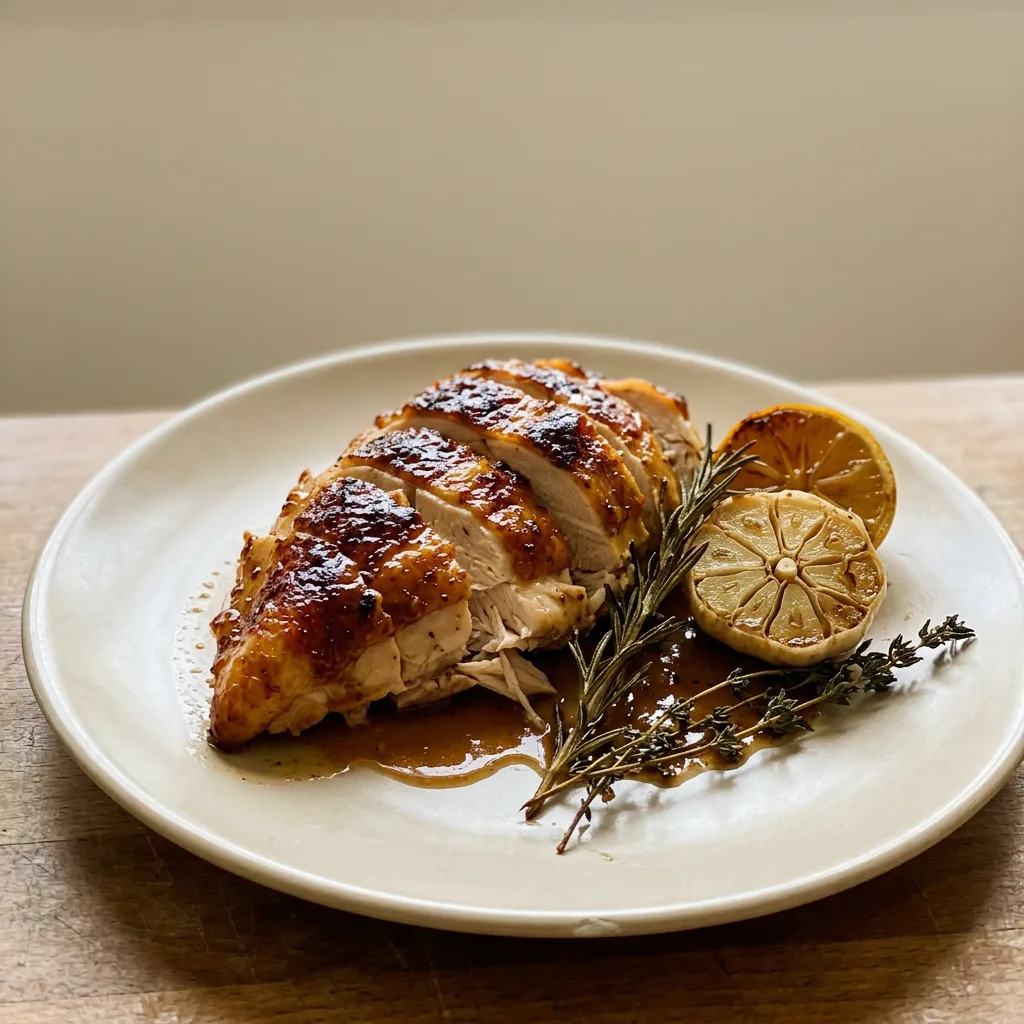
Roast Chicken in Roaster Oven
Ingredients
Method
Dry-Brine Chicken:
Using paper towels, thoroughly dry the chicken’s surface. For optimal outcome, season with kosher salt and refrigerate uncovered for 12–24 hours to dry-brine.Stuff and Truss:
Fill the chicken cavity with lemon halves, sliced garlic head, rosemary, and thyme. Secure the legs with kitchen twine to promote uniform cooking.Apply Butter:
Gently lift the breast skin and spread softened unsalted butter underneath, then coat the entire exterior of the bird with the remaining butter.Preheat Roaster:
Set the electric roaster oven to its maximum temperature, generally 450°F (230°C).Sear at High Heat:
Position the chicken breast-side up on the roasting rack. Insert the rack into the roaster and close the lid right away. Cook at high heat for 20 minutes to brown the skin.Roast Until Done:
Following the initial 20-minute sear, keep roasting (adjust heat as recommended by the roaster’s manual) until an instant-read thermometer reads 165°F (75°C) in the breast and 175°F (80°C) in the thighs. The total roasting time is roughly 1 hour 30 minutes.
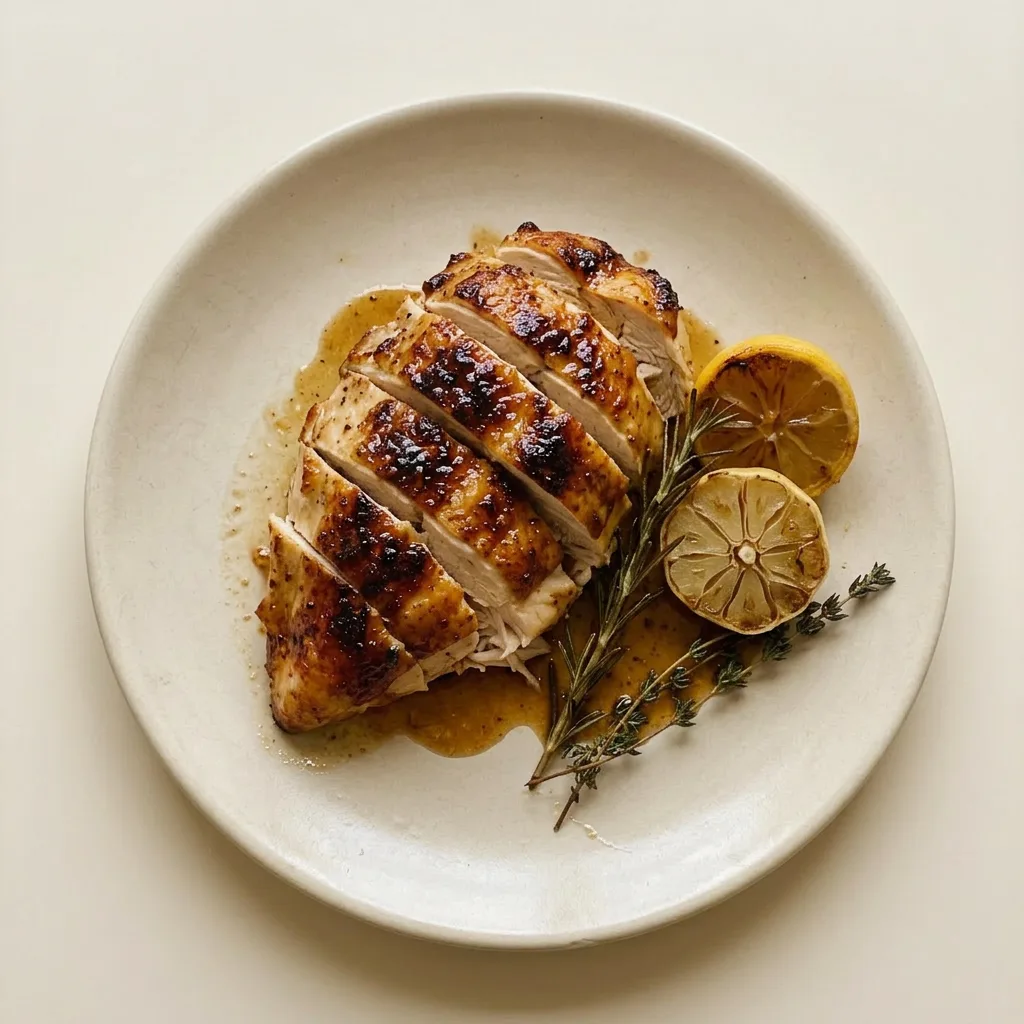
What you can swap without ruining the roast
smoked paprika: Sweet paprika, or simply leave it out. Smoked paprika adds a subtle smokiness; sweet paprika gives color without the smoke. Omit it entirely and you lose a little depth, but the chicken still roasts fine.
unsalted butter: Salted butter. Salted butter works, but cut the kosher salt in half, otherwise the bird will be noticeably salty. The butter’s role (keeping the breast moist and browning the skin) stays the same.
fresh rosemary and fresh thyme: Dried rosemary (1 tsp crushed) and dried thyme (1 tsp). Dried herbs are more concentrated and less aromatic.
The chicken will still taste herby, but the flavor won’t be as bright. Use dried rosemary sparingly, it’s potent.
whole chicken: Gluten-free? This recipe is naturally gluten-free.
Dairy-free? Replace the butter with olive oil or avocado oil. Oil under the skin won’t feel as rich as butter, and the skin may not brown quite as evenly.
Still, the chicken will be moist and edible. For roasted chicken recipes, this is a common workaround.
Storage and Serving
For the best texture, serve the roast chicken within 30 minutes of pulling it from the roaster. The skin stays crisp, the meat remains juicy. Leftovers should be cooled completely, then stored in an airtight container.
Shred or slice the meat off the bones before refrigerating; whole carcasses take too long to cool and dry out in the fridge. Refrigerated chicken keeps for up to 4 days. The skin will soften over time, but the meat stays moist if you keep it sealed.
To revive leftovers, reheat in a 350°F oven for 10 to 15 minutes, covered with foil to prevent further drying. For longer storage, freeze the meat in a freezer bag for up to 3 months.
Thaw overnight in the fridge and reheat as above. Avoid freezing the whole bird; it thaws unevenly and the skin turns rubbery.
Tips
- Insert the thermometer into the thickest part of the breast without touching bone; the breast should read 165°F and the thigh 175°F. Relying on color alone is risky because even well-cooked chicken can look pink near the bone.
- Let the chicken rest for 10 to 15 minutes after roasting. This allows the juices to redistribute, so the meat stays moist when carved, and the carryover cooking can raise the internal temperature a few degrees for safety.
Frequently Asked Questions
Can I skip the dry-brining step if I’m short on time?
You can skip it, but the skin won’t crisp as much and the seasoning won’t penetrate as deep. Without the overnight rest, the skin stays more moist, so it browns less evenly. If you skip it, pat the bird extra dry and salt it right before roasting, you’ll still get a decent roast, just not the shatteringly crisp skin the article describes.
How do I know when the chicken is done without a thermometer?
The most reliable visual cue is the leg joint: when you wiggle the drumstick, it should move easily and the meat near the joint should look opaque, not pink. Also, pierce the thigh with a fork, if the juices run clear, not pink or red, it’s likely done. But a thermometer is far more accurate, especially since this recipe targets 165°F in the breast and 175°F in the thighs.
Can I use this recipe in a regular oven instead of a roaster oven?
Yes, a regular oven works fine. Preheat to 450°F, roast at that temperature for 20 minutes, then reduce to 350°F and continue until the chicken reaches the target internal temperatures.
The main difference is that a regular oven has more airflow, so the skin may crisp even faster, check a bit earlier. The total time will still be around 1 hour 30 minutes.
