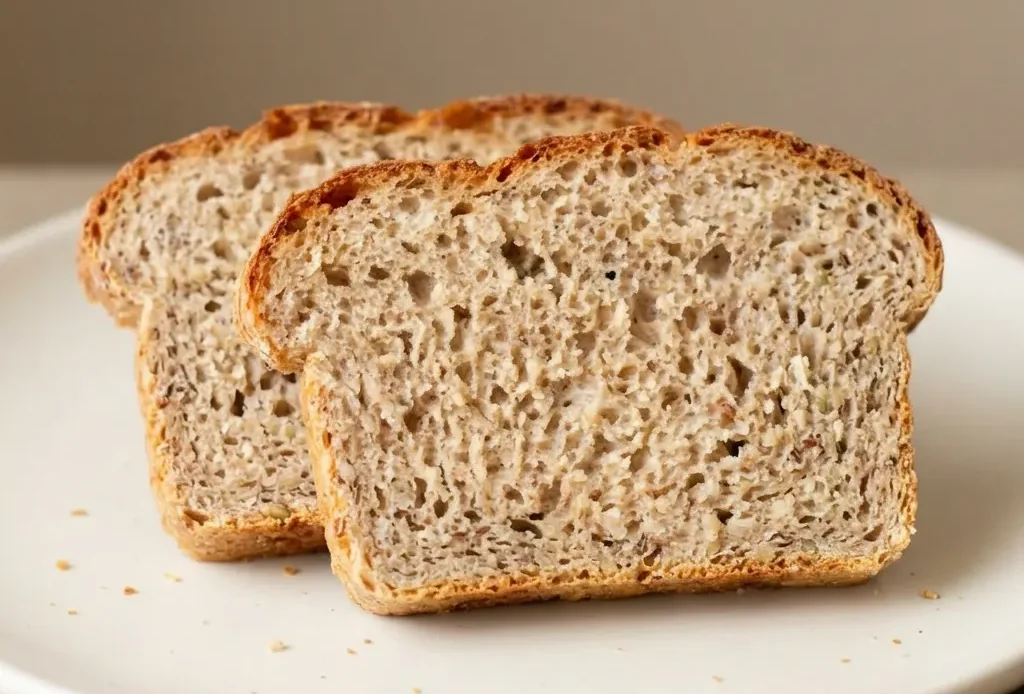
This seeded rye bread is a no-knead loaf, which means the dough stays wet and shaggy, no bench flour, no pushing and pulling. The trade-off is time: a three-hour first rise builds structure without effort, but the wet dough can feel alarmingly loose if you’re used to firm sandwich loaves. That slackness is the whole point.
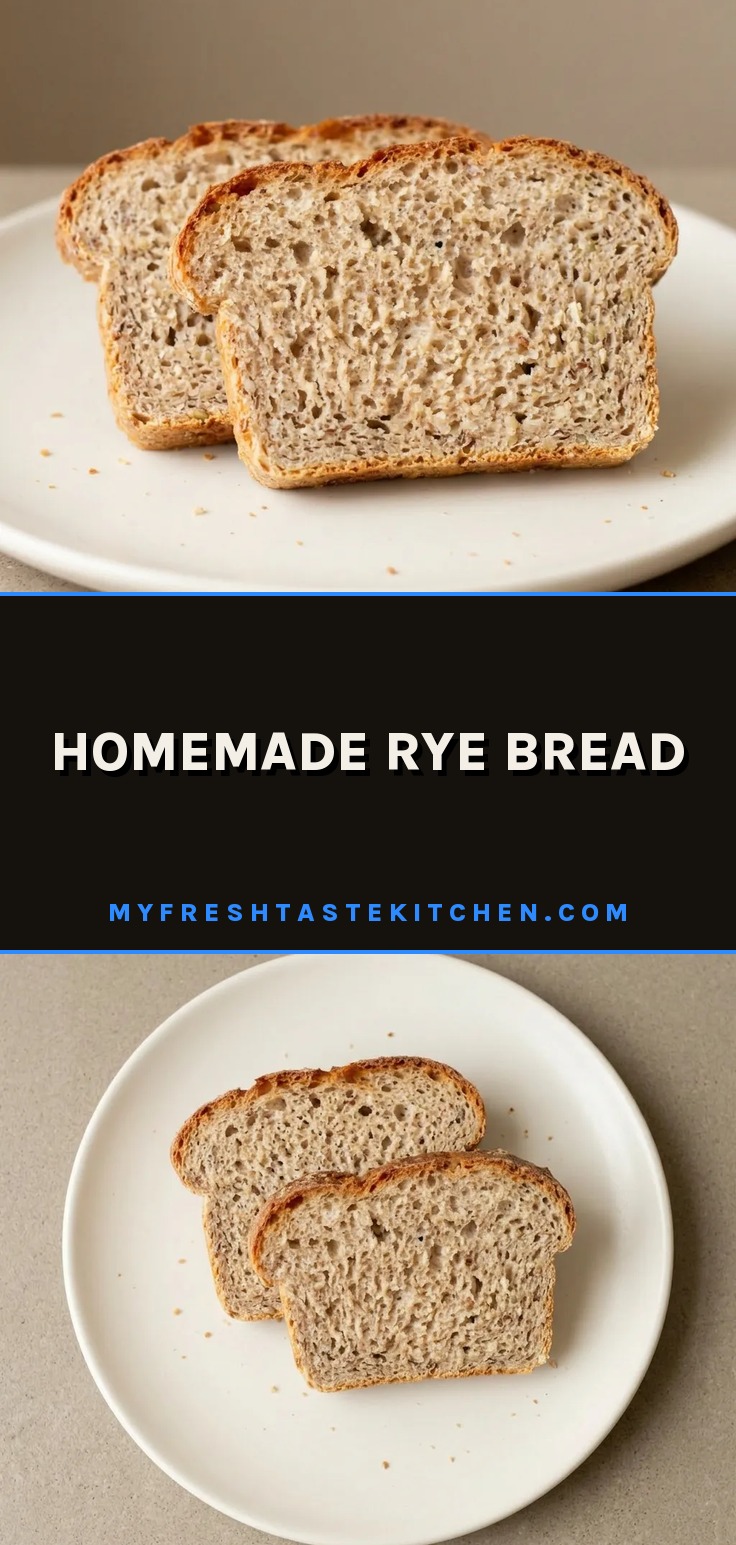
Dark rye flour soaks up water differently than all-purpose, so the dough looks like a thick batter rather than something you’d shape. Once you trust the process, the payoff is a tender, earthy crumb with a crunchy crust that holds up to a swipe of butter or a thick slice of corned beef. This homemade rye bread leans more toward a bakery-style loaf than a deli classic, lighter, less sour, with a nuttiness from the seeds that keeps every bite interesting.
Dark rye flour changes the crumb
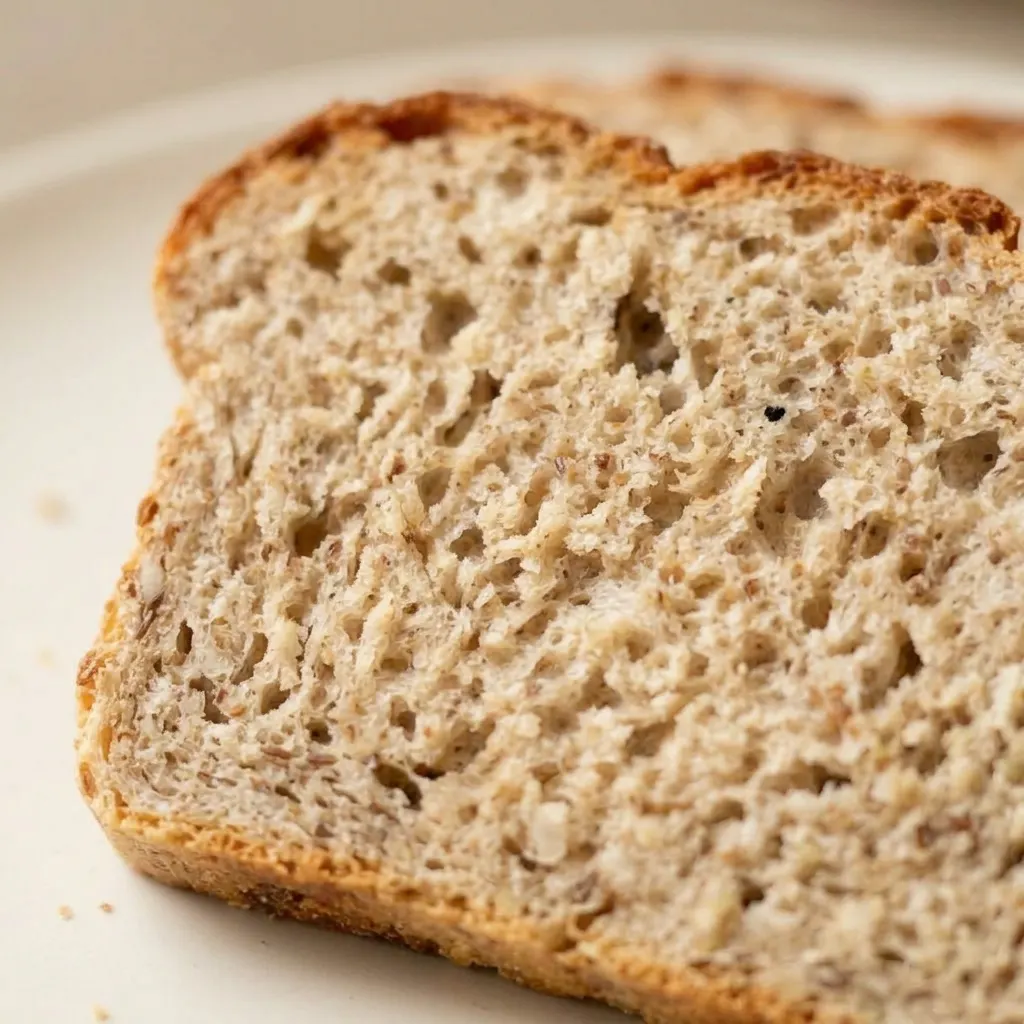
Dark rye flour has less gluten than all-purpose, so the loaf turns out denser than an all-white bread. That density isn’t a flaw, it gives the crumb a tight, substantial chew that holds up to hearty toppings. The flavor is distinctly earthy with a slight tang, which contrasts nicely with the sweet agave and the nuttiness of hemp, flax, or caraway seeds.
This recipe uses a 1:3 ratio of rye to all-purpose flour. That balance gives you enough structure to rise without turning the bread into a brick. You get the character of rye without losing the lift you want in a sandwich slice.
No knead, so why does it rise?
The dough is wet, two cups of water for 480 grams of flour, so it’s too slack to knead. Instead of working the dough by hand, you let time do the job.
During the three-hour rest, the flour hydrates fully and the gluten forms naturally through autolysis. You don’t have to do anything. The result is a tender crumb with an open texture, not the tight, elastic network you’d get from kneading.
This method works because the long fermentation builds strength without effort. Less work, same structure.
A second rise prevents a flat loaf
After you punch the dough down, it needs time to puff up again before it goes into the oven. That second rise in the pan, forty minutes to an hour, builds the volume that gives the bread height and an even crumb. If you skip it, the loaf will come out squat and dense, with a tight band of texture near the bottom.
The dough should reach about an inch above the pan rim before baking. That visual cue tells you the yeast has done its work and the structure is set for an even, tall bake.
Prep: 5 min · Cook: 30 min · Total: 4 hr 35 min · Servings: 14 · Calories: 150 kcal
Dark rye flour and seeds define this loaf
Dark rye flour: Buy dark rye, not light or medium, for the deepest earthy tang and densest crumb.
Seeds (hemp, flax, caraway): Use whole seeds; pre-ground flax or hemp will make the dough gummy and harder to rise.
Instant yeast: Instant yeast is fine here since it mixes directly with the dry ingredients without proofing.
Agave syrup: Agave dissolves easily in warm water and adds subtle sweetness without overwhelming the rye.
Most people pull the trigger too early during the second rise, thinking it’s ready when it’s still flat.
Mix a loose dough, then walk away.
Whisk the dry ingredients
Combine both flours, salt, yeast, and seeds in a large bowl. Get everything evenly distributed, no pockets of yeast or salt hiding in the mix.
Stir in the wet ingredients
Dissolve the agave in warm water, then pour it into the bowl. Stir until no dry flour remains, about 1 minute. The dough will look shaggy and wet, that’s right.
First rise: 3 hours
Cover the bowl with plastic wrap or a towel and let it sit at room temperature. After 3 hours, the dough should have doubled in size and look puffy with bubbles on top.
Deflate and shape
Lightly oil the top of the dough, then punch it down to release the gas. Fold it over itself a few times and form a rough loaf shape. It will be sticky, resist adding more flour.
Second rise: in the pan
Place the dough into a greased or parchment-lined loaf pan. Let it rest 40 minutes to 1 hour. It should rise to about 1 inch above the rim, if it hasn’t, give it more time.
Bake until golden
Bake at 375°F for 30 to 40 minutes. The top should be uniformly golden brown, and the loaf will sound hollow when tapped on the bottom. If the center still feels soft, bake 5 minutes more.
Cool before slicing
Remove the bread from the pan and set it on a wire rack. Let it cool at least 30 minutes before slicing, cutting sooner will yield a gummy, compressed crumb. For storage, cool completely, about 1 to 2 hours.
Homemade Rye Bread
Ingredients
- 3 cups all-purpose flour 360g
- 1 cup dark rye flour 120g
- 2-3 tbsp seeds: hemp, flax, caraway
- 2 tsp instant yeast
- 1 tsp salt
- 2 cups warm water
- 2 tbsp agave syrup
Instructions
Whisk Dry Ingredients:
In a large bowl, whisk together the all-purpose flour, dark rye flour, salt, instant yeast, and seeds until evenly distributed.Mix Wet and Dry:
In a separate container, stir the agave syrup into the warm water until completely dissolved. Add this liquid to the dry mixture and stir until no dry flour remains, roughly 1 minute.Initial 3-Hour Rise:
Wrap the bowl with plastic wrap or a towel and let it sit at room temperature for 3 hours.Deflate and Shape:
After the initial rise, the dough should have doubled in size. Lightly oil the top, then deflate by punching down. Fold the dough over itself several times and form into a rough loaf shape.Second Rise in Pan:
Place the dough into a loaf pan that has been lined with parchment or greased. Allow it to rest for another 40 minutes to 1 hour.Preheat Oven to 375°F:
Heat the oven to 375°F (190°C).Bake Until Golden:
When the loaf has risen to about 1 inch above the pan rim, bake for 30-40 minutes until the top is uniformly golden brown.Cool on Rack:
Take the bread out of the oven and carefully remove it from the pan. Transfer to a wire rack and cool for at least 30 minutes before slicing. For storage, let it cool completely, about 1-2 hours.Enjoy Fresh Bread:
Enjoy!
Storage and Serving
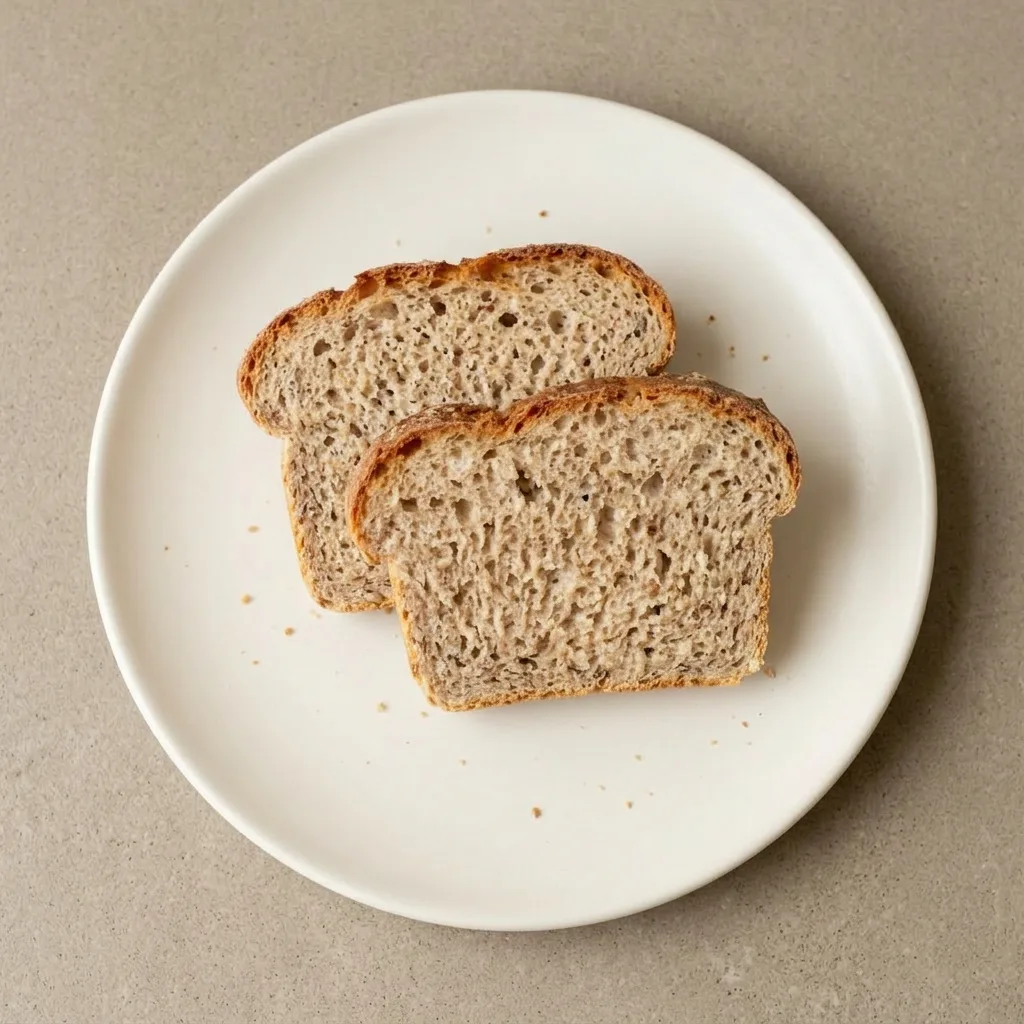
Cool the bread completely, about 1 to 2 hours, before storing. A warm loaf traps moisture and turns the crust soft. Once cool, keep it in a paper bag at room temperature for up to 3 days.
The crust will soften over time, but the crumb stays moist enough for sandwiches. For longer storage, slice the loaf and freeze the slices in a sealed bag for up to 3 months. Thaw at room temperature or toast directly from frozen.
The loaf is best the day it’s made, when the crust is crisp and the crumb tender. By day 2, the texture evens out, still good for toast or grilled sandwiches.
To revive a day-old slice, toast it.
Rye flour and seeds hold this loaf together, here’s what you can change
Dark rye flour: Whole wheat flour or spelt flour. Swap dark rye 1:1 for whole wheat or spelt.
The loaf will be less earthy and tangy, with a milder grain flavor. Whole wheat gives a similar density; spelt is slightly lighter and nuttier.
The crumb stays tight because both flours have less gluten than all-purpose.
Agave syrup: Honey or maple syrup. Use the same 2 tbsp amount. Honey adds floral notes; maple brings woody sweetness.
Both work because they dissolve in warm water and feed the yeast the same way. The final bread will be slightly darker from honey or maple.
Seeds (hemp, flax, caraway): Swap individual seeds, but keep the total 2, 3 tbsp. Leave out flax if you don’t want a slightly gummy crumb (flax absorbs moisture and creates a dense gel). Hemp can be replaced with sunflower seeds; caraway with fennel seeds for a different aromatic.
The seeds are key for texture, skipping all of them makes the bread one-note. Different seeds change the crunch and flavor. Sunflower seeds are crunchier than hemp; fennel seeds are sweeter and milder than caraway.
The bread will still rise and taste good, but the signature seed-studded bite disappears.
Tips
- To check if the dough is ready for the second rise, flour your finger and press it about 1/2 inch into the dough. If the indentation slowly springs back, it’s ready. If it springs back quickly, let it rise longer. If it doesn’t spring back, it has overproofed.
- Use a digital scale to measure the flours for consistency. The recipe’s volume measurements (cups) can vary; weighing ensures the correct hydration and reliable results every time.
Frequently Asked Questions
Can I let the dough rise longer than 3 hours?
Yes, you can extend the first rise up to 4 or 5 hours, but beyond that the dough may overproof and collapse. The dough should double in size and look puffy with bubbles on top; if it starts to deflate or smell sour, it’s gone too long. For best texture, stick close to the 3-hour mark.
Why is my rye bread so dense and gummy?
Dense and gummy usually means it was underbaked or cut too soon. The loaf needs to reach an internal temperature around 190°F, if it’s still soft in the center, bake 5 minutes more. Also, let it cool at least 30 minutes before slicing; cutting warm compresses the crumb into a gummy texture.
Can I make the dough the night before and bake it in the morning?
You can, but the rise will be slower in the fridge. After mixing, cover the bowl and refrigerate for up to 12 hours, then let it come to room temperature for about an hour before shaping.
The second rise will take longer, watch for the dough to reach 1 inch above the pan rim before baking. The flavor will be slightly tangier.
How do I know when the bread is fully baked?
The top should be uniformly golden brown, and the loaf will sound hollow when tapped on the bottom. If the center still feels soft, bake 5 minutes more. For accuracy, an instant-read thermometer inserted into the center should read 190, 200°F.
Is this bread supposed to be as dense as store-bought rye?
No, this one is lighter than most store-bought rye because of the 3:1 ratio of all-purpose to rye flour and the long no-knead rise. It’s still denser than plain white bread, but it will have a more open crumb and a less compact feel than a classic deli rye. The texture is tender with a substantial chew.