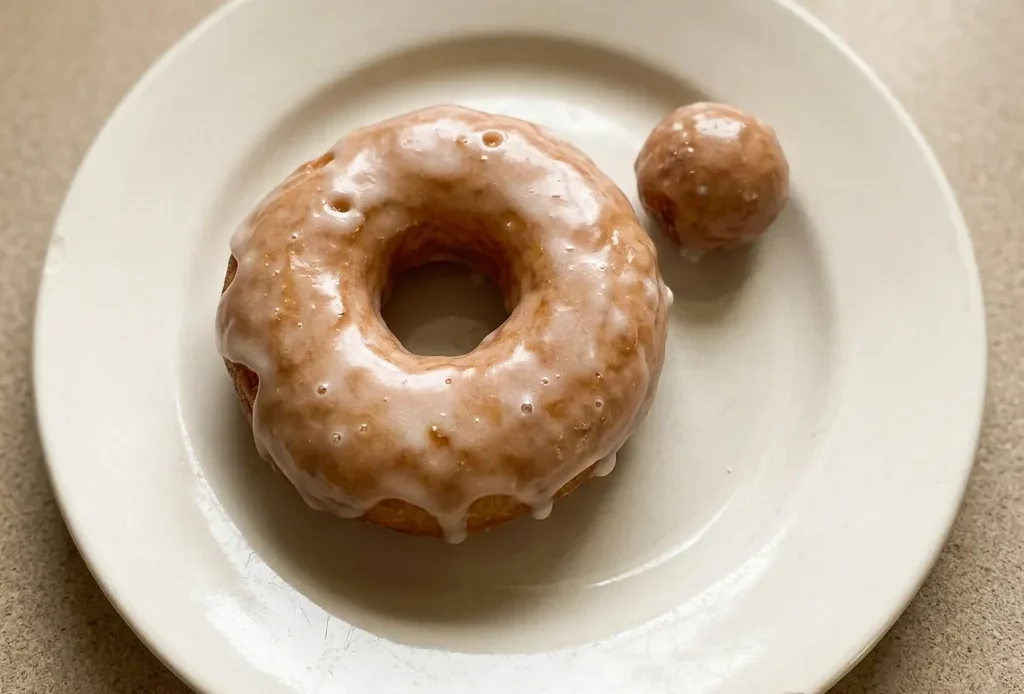
The most common mistake with eggless yeast donuts is treating the dough like a standard enriched dough. Without eggs, the dough needs more moisture and a gentler hand, over-flouring or under-kneading turns them dense. These eggless yeast donuts get their airy crumb from a flaxseed gel and a patient two-stage rise, not from a boxed substitute.
Flaxseed Gel as Egg Replacer
Flaxseed meal and water form a gel that mimics egg’s binding properties. That gel also adds moisture to the dough without altering its flavor. The mixture must sit 5 to 10 minutes to thicken before you add it to the flour.
When it’s ready, it feels tacky and cohesive, like a loose paste. This step is why the dough holds together and stays tender even without eggs.
Warming Milk and Butter for Yeast
Instant yeast doesn’t need proofing, but it does need warm liquid to activate quickly. Whole milk and melted butter heated to 110°F provide that warmth.
The liquid should feel warm like baby bath water, not hot. If it’s too cool, the rise stalls; too hot kills the yeast.
Whole milk adds fat for tenderness, and melted butter enriches the dough, so these donuts stay soft.
Why Two Rises Matter for Fluff
A two-stage rise gives you fluffy, airy donuts. The first bulk rise develops gluten and flavor; dough doubles in volume.
After shaping, the second rise ensures each donut puffs up properly during frying. A cold overnight rise in the refrigerator yields even fluffier texture, the yeast works slowly, building more complex flavor.
The result is a lighter crumb with better structure.
Oil Temperature Control While Frying
Maintaining oil at 350°F is essential. If it’s too hot, the exterior browns before the interior cooks, leaving a raw center.
If too low, the donuts absorb excess oil and turn greasy. A frying thermometer is your best friend here.
Fry only two donuts at a time to keep the temperature steady. The payoff is a crisp, golden crust with a fully cooked, tender inside.
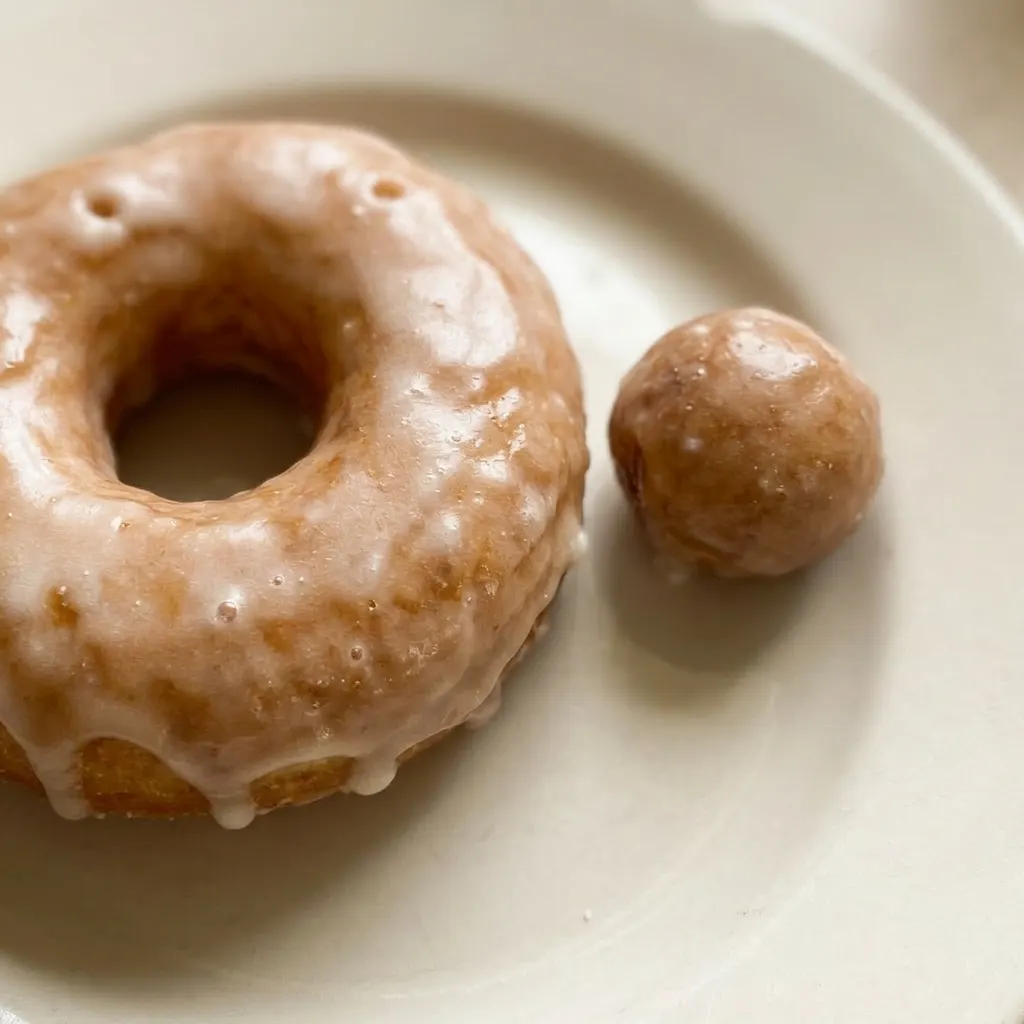
Prep: 3 hr 30 min · Cook: 6 min · Total: 3 hr 36 min · Servings: 6 · Calories: 430 kcal
Ingredient Choices for Tender, Egg-Free Dough
Golden flaxseed meal: Buy golden for a neutral color; brown works but darkens the dough slightly.
All-purpose or bread flour: Bread flour gives more chew; all purpose yields a softer donut. Weigh for accuracy.
Instant yeast: Use instant, not active dry. It mixes directly with dry ingredients and speeds the rise.
Whole milk: Whole milk adds richness. Lower fat milk will make the dough less tender.
Unsalted butter: Melted butter enriches the dough. Use unsalted so you control the salt level.
Most people swear they know how hot oil should be, then end up with donuts that are either burnt on the outside and raw inside or soaked in grease.
Work the Dough Until It’s Smooth and Slightly Tacky
Make the flaxseed gel
Stir flaxseed meal and water until combined. Let sit 5 to 10 minutes. When it’s ready, it feels tacky and cohesive, like a loose paste.
Mix dry ingredients
Whisk flour, baking powder, instant yeast, sugar, and salt. The baking powder gives extra lift; don’t skip it.
Warm the milk and butter
Heat milk and butter to 110°F. It should feel warm like baby bath water. Too hot kills the yeast; too cool stalls the rise.
Combine and knead
Add warmed liquid and flax gel to dry ingredients. Knead 5 to 8 minutes in a mixer or 10 by hand until the dough is soft, smooth, and slightly tacky. If it’s sticky, add flour 1 tablespoon at a time; resist over-flouring.
First rise
Place dough in a greased bowl, cover, and let rise 1.5 to 2 hours until doubled. For overnight, refrigerate 8 to 12 hours; the cold rise builds flavor and fluff.
Shape the donuts
Roll dough to 1/2-inch thickness. 5-inch cutter. Gather and re-roll scraps once.
Place each donut on parchment to make second-rise handling easier.
Second rise
Cover shaped donuts and let rise 30 to 45 minutes until slightly puffed. If your kitchen is cool, put them in a warm oven (200°F, turned off) with the door cracked.
Heat the oil
Pour oil into a heavy pot and heat to 350°F. Use a thermometer.
Line a tray with paper towels. Fry only two donuts at a time to keep oil temperature steady.
Fry the donuts
Gently lower donuts into hot oil. Cook 45 seconds to 1 minute per side until deep golden brown. If the oil is too hot, the outside browns before the inside cooks; too low, they soak up grease.
Glaze and finish
Whisk powdered sugar, milk, and vanilla until smooth. Dip warm donuts into glaze, coating both sides. Place on a rack to let excess drip off.
The glaze sets in a few minutes.
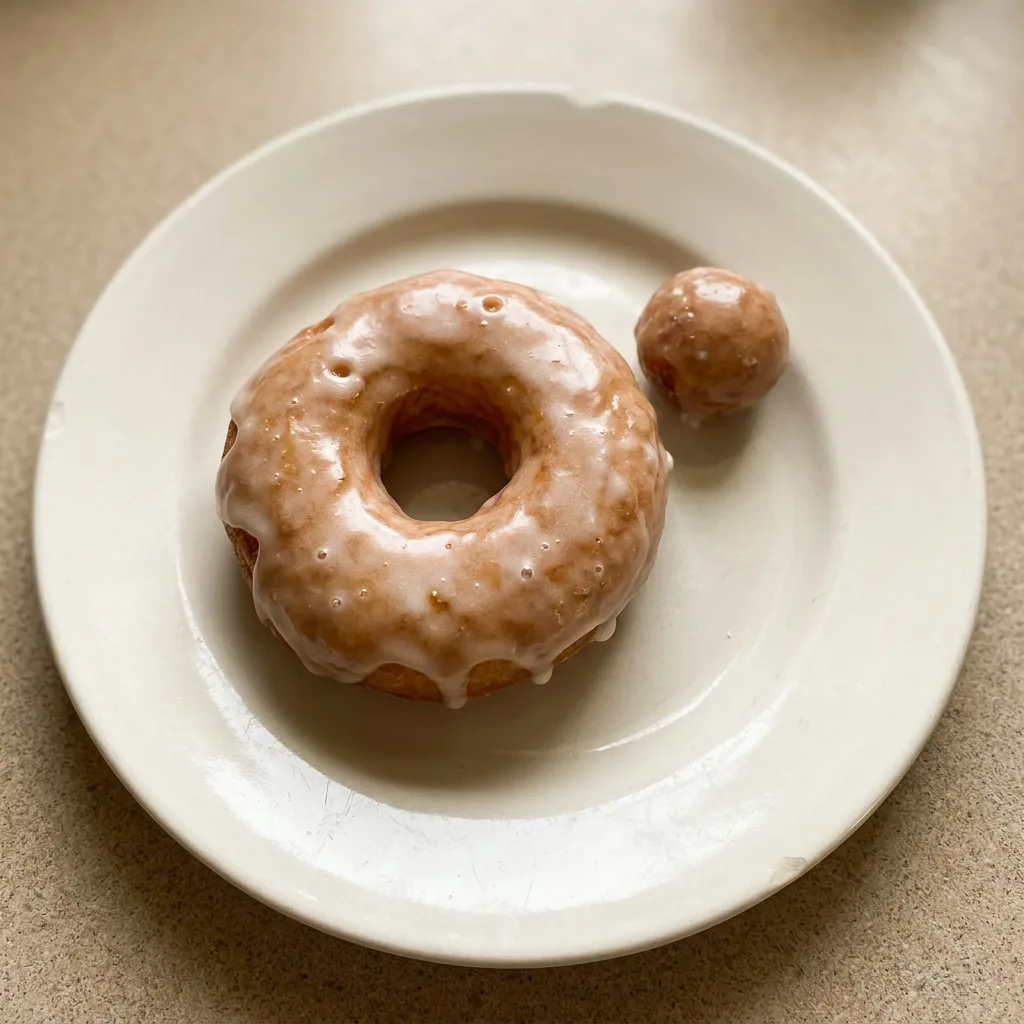
Best Easy Eggless Yeast Donuts
Ingredients
Method
Mix flaxseed gel:
In a small bowl, stir together the golden flaxseed meal and water until thoroughly combined. Allow to sit for 5–10 minutes until thickened.Whisk dry ingredients:
In a large bowl, whisk together the flour, baking powder, instant yeast, sugar, and salt until evenly distributed.Warm milk and butter:
Combine the milk and melted butter in a microwave-safe bowl. Heat in 30-second bursts until the mixture reaches approximately 110°F (45°C), which typically takes about 1 minute. The liquid should feel warm like baby bath water, not hot; using a kitchen thermometer is advised.Combine wet and dry:
Create a well in the center of the dry ingredients. Pour in the warmed milk-butter mixture and the flaxseed mixture. Stir on low speed until just combined.Knead the dough:
If using a stand mixer, attach the dough hook and knead on medium speed until a soft, smooth ball forms, about 5–8 minutes. For hand kneading, work the dough for approximately 10 minutes. If the dough is too sticky, add flour 1 tablespoon at a time until it pulls away from the bowl sides; avoid over-flouring—the dough should remain slightly tacky.
First rise:
Lightly coat a clean bowl with cooking spray and transfer the dough into it. Cover with plastic wrap or a clean kitchen towel. Let it rise in a warm spot for 1.5–2 hours until puffy and doubled in volume. Alternatively, refrigerate for 8–12 hours; an overnight cold rise yields fluffier donuts.
Deflate dough:
After the first rise, turn the dough out onto a floured surface. Gently knead to release trapped air.Roll and cut donuts:
With a rolling pin, roll the dough to 1/2-inch thickness. Using a 3–3.5-inch doughnut cutter, cut out 6 donuts. If necessary, gather and re-roll scraps once to cut additional donuts. Without a doughnut cutter, use a 3-inch round cookie cutter for the outer shape and a 1-inch cutter for the holes; retain the holes.
Place on parchment:
Place each cut donut and hole on individual pieces of parchment or waxed paper, then set them on a cookie sheet. This step is optional but facilitates handling after the second rise.Second rise:
Loosely cover with a clean kitchen towel and let rise for 30–45 minutes until slightly puffed. If your kitchen is cool, preheat the oven to 200°F (95°C), turn it off, then place the sheet inside with the door slightly ajar to create a warm environment.
Heat oil:
About 20 minutes before the second rise ends, pour oil into a heavy-bottomed pot or Dutch oven and heat over medium flame to 350°F (175°C). Also, line a large baking sheet or plate with paper towels.Fry donuts:
Gently lower donuts into the hot oil, two at a time. Once the bottoms turn deep golden brown, after 45 seconds to 1 minute, flip using a slotted spoon and cook until evenly deep golden. Transfer to the paper-towel-lined plate. Repeat with remaining donuts, adjusting heat to maintain 350°F (175°C). Use a frying thermometer; if the oil is too hot, the exterior will brown before the interior cooks.
Make glaze:
Whisk together all glaze ingredients until smooth.Glaze donuts:
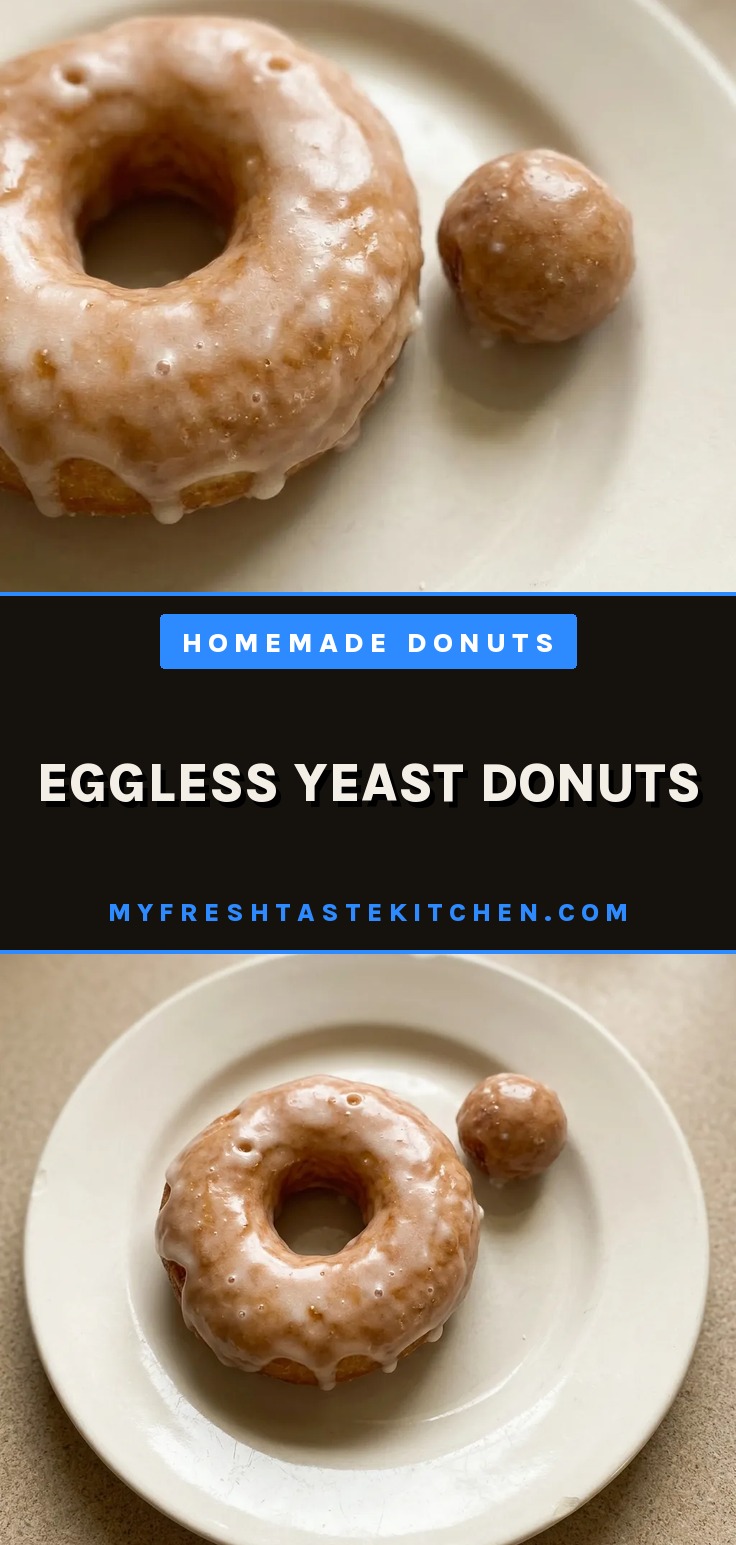
Dip each warm donut into the glaze, coating both sides. Place on a cooling rack to allow excess glaze to drip off. After a few minutes, the glaze will set. Serve right away.
Swapping Flour and Milk for Your Dietary Needs
All-purpose or bread flour: For a gluten-free version, use a 1:1 gluten-free flour blend that contains xanthan gum. The donuts will be more delicate and less chewy; they may brown faster, so watch the fry time.
Whole milk: Replace with oat milk, soy milk, or another plant-based milk (avoid low-fat or thin milks like almond). Lower fat content reduces tenderness; oat or soy milk gives the closest richness to whole milk.
Unsalted butter: Use vegan butter (like Earth Balance) for a dairy-free version. Vegan butter has a lower melting point, so the dough may feel softer; handle gently. Flavor remains buttery.
Golden flaxseed meal: No direct swap works here. Do not replace with a commercial egg replacer; the flax gel provides moisture and binding that commercial powders lack. Other replacers dry out the dough or fail to bind, leading to greasy, flat donuts.
Tips
- For a more even fry, let the shaped donuts rest on the parchment squares for the second rise; the parchment makes it easy to lift them without deflating the dough.
Storage and Serving
For the best texture, serve glazed donuts within 2 hours of glazing. The glaze sets in a few minutes and stays crisp for a short window; after that, it softens. Store leftovers in a single layer in an airtight container at room temperature for up to 1 day.
After that, the glaze becomes sticky and the crumb turns stale. Do not refrigerate; cold dries them out. To reheat, microwave a donut for 10 to 15 seconds to restore some softness, but the glaze will melt slightly.
Freezing is not recommended for glazed donuts; the glaze weeps and the texture suffers. If you must freeze, freeze unglazed donuts in a sealed bag for up to 1 month. Thaw at room temperature, then refresh in a 350°F oven for 3 to 4 minutes before glazing and serving immediately.
Frequently Asked Questions
Can I make the dough ahead and fry the donuts the next day?
Yes. After the first rise, refrigerate the dough for 8 to 12 hours.
The cold rise actually builds more flavor and a fluffier texture. Next day, let the dough come to room temperature for about 30 minutes before shaping and proceeding with the second rise. Do not shape the dough before refrigerating, shape after it warms up.
Why did my donuts turn out dense and not fluffy?
Most likely the dough wasn’t kneaded enough or the oil temperature dropped too low. The dough should be smooth and slightly tacky after 5 to 8 minutes of mixer kneading, under-kneaded dough won’t trap enough air.
For oil, if it stays below 350°F, the donuts absorb grease and become heavy. Use a thermometer and fry only two at a time to keep the temperature steady.
How do I know when the oil is at the right temperature without a thermometer?
Drop a small piece of dough into the oil. If it immediately sizzles and floats to the surface, the oil is around 350°F.
If it sinks and barely bubbles, the oil is too cold. If it browns in less than 30 seconds, the oil is too hot. A thermometer is far more reliable, but this test gives you a rough check.
What’s the difference between these eggless donuts and traditional yeast donuts with eggs?
These donuts rely on flaxseed gel to bind and moisten the dough, so the crumb is slightly more tender and less chewy than egg-based ones. The flax gel doesn’t add any noticeable flavor. The dough also includes baking powder for extra lift, which helps compensate for the missing eggs’ structure.
The result is a lighter, softer donut that still has a good crust from frying.
