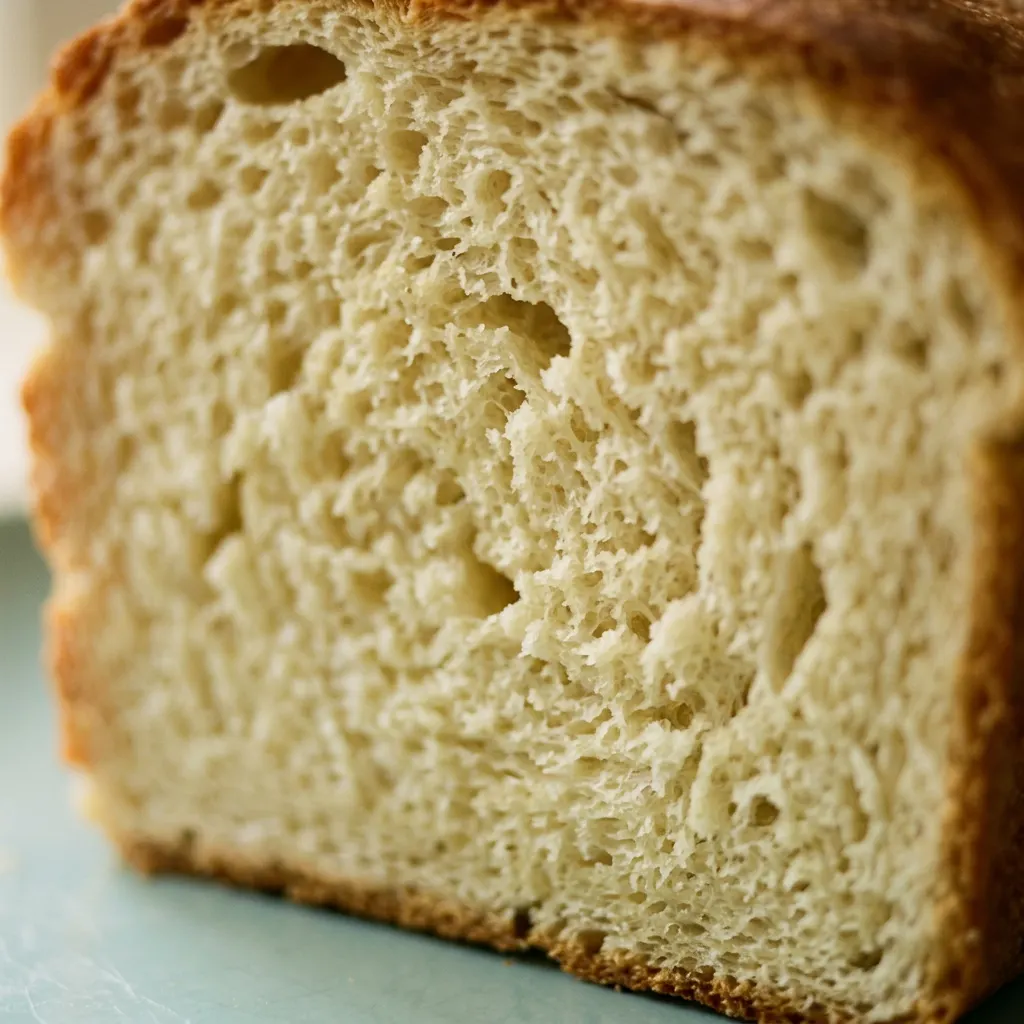
The most common mistake with Sally Lunn batter bread is treating it like a standard yeast dough, kneading it until smooth, which ruins the tender, cake-like crumb this bread is known for. This old-fashioned Southern bread uses a batter method instead: you stir the soft, wet dough just until it comes together, leaving the gluten strands short. The result is a loaf that pulls apart in soft, almost fluffy slices, with a deep golden crust from the tube pan’s even heat.
Skip the kneading and you’ll get that signature texture that sets Sally Lunn batter bread apart from any other yeast bread.
Why a tube pan for batter bread
A tube pan isn’t just for angel food cake. For Sally Lunn batter bread, the central tube lets heat reach the middle of the loaf, so the crumb bakes evenly from inside out. That matters because this dough is wet, almost a batter, and without that center heat, the loaf would dome and crack before the interior sets.
The high sides of the pan also support the soft rise, preventing it from slumping flat. And the ring shape maximizes surface area, so you get more deep golden crust per slice. That crust is where a lot of the flavor lives.
If you’ve ever had a loaf that was pale on the sides and dark on top, you know the difference even baking makes.
The double rise builds the crumb
Two rises do different things. The first rise, after mixing, lets the yeast work through the dough and builds a gluten network strong enough to trap gas. That’s structure.
Then you stir it down, that redistributes yeast and sugar, giving the yeast a fresh start. Now I set a timer for the second rise and watch for when the batter just reaches the rim of the pan, then bake immediately.
That second rise in the pan fills the shape and creates an evenly porous crumb. If you skip it, you get a dense, uneven loaf.
The airy, almost cake-like texture of Sally Lunn comes from that pause.
Stirred, not kneaded, here’s why
This dough has high hydration and a lot of fat from butter and eggs. Kneading would develop gluten too far, making the bread tough. Stirring is gentler: it brings the flour just into cohesion enough to support the yeast’s gas, but it leaves the gluten strands short.
The result is a tender, cake-like crumb that pulls apart easily. You can feel it when you stir, it’s slack, not springy. That’s the texture you want.
Compare that to a lean dough where you knead until smooth: that would give you a chewy sandwich bread, not this light, rich loaf.
Butter, eggs, and milk: what each does
Butter coats the gluten, shortening its strands so the crumb stays tender. You taste that richness in every bite.
Eggs add structure, the proteins set as the loaf bakes, giving the crumb lift and a golden interior. They also deepen the color of the crust.
Milk brings moisture and lactose, which caramelizes during baking for a soft, browned crust. Together they make a bread that’s rich but not heavy, with a fine, even crumb. If you’ve ever had a plain white loaf and wondered why this one tastes almost like cake, it’s this combination.
Prep: 15 min · Cook: 30 min · Total: 2 hr 45 min · Servings: 16 · Calories: 250 kcal
A few things about the ingredients
Active dry yeast: Proof in water at 110 to 115°F. If it doesn’t foam after 5 minutes, the yeast is dead. Start over.
Butter: Salted butter, softened but not melted. It should be soft enough to smear but still hold its shape.
All-purpose flour: Use 5 1/2 cups (688g) of all-purpose flour. Spoon and level to avoid packing too much into the cup.
How to make Sally Lunn Batter Bread step by step
Proof the yeast
Stir yeast into 110°F water with a pinch of sugar. After 5 minutes, look for a thick, creamy foam on top. If nothing happens, the yeast is dead, start over.
Mix the wet base
In a large bowl, whisk warm milk, softened butter, sugar, salt, and eggs until the butter breaks into small flecks. Then stir in the foamy yeast. The mixture should look creamy, not curdled.
Add the flour in two stages
Stir in 3 cups flour until no dry spots remain, the batter will be thick and sticky. Then add the remaining 2½ cups and stir until a soft, shaggy dough forms. It should feel slack, not springy.
First rise
Cover the bowl and let the dough sit in a warm spot until doubled, about 60 minutes. When ready, the surface will be puffy and domed, and the dough will jiggle if you shake the bowl.
Stir down and pan
Stir the dough once to deflate it, you’ll feel it collapse. Spoon it into the prepared tube pan and spread evenly. The batter should fill the pan about halfway.
Second rise
Let the dough rise until it reaches the rim of the pan, about 60 minutes. Don’t let it overflow. The surface should be rounded but not domed above the rim.
Bake and test
Bake at 400°F for 25 to 30 minutes. The loaf is done when the crust is deep golden brown and tapping the top sounds hollow. If it sounds dull, give it 3 more minutes.
Cool and release
Cool in the pan for 10 minutes. Place a small bowl under the tube, then gently push the sides down. Lift the loaf off the tube and cool completely on a rack before slicing.
Sally Lunn Batter Bread
Ingredients
Method
Activate Yeast Mixture:
In a small bowl, dissolve the yeast in the warm water. Add the 1/8 teaspoon sugar. Set aside for 5 minutes until foamy.Combine Wet Ingredients:
In a large bowl with a wooden spoon (or in a stand mixer with the dough hook), combine the warm milk, softened butter, 1/4 cup sugar, salt, eggs, and the foamy yeast. Mix well.Add First Flour Portion:
Slowly add 3 cups of flour and mix until fully incorporated.Knead Remaining Flour:
Stir (or knead with the dough hook) the remaining 2 1/2 cups flour to form a soft dough. Continue to stir or knead for 3-4 minutes.First Rise:
Cover the bowl with plastic wrap and let rise in a warm, draft-free place until doubled, about 60 minutes.Fill Tube Pan:
Stir the dough down and spoon it evenly into a 10-inch tube pan liberally sprayed with baking spray.Second Rise:
Let the dough rise again in a warm, draft-free place until doubled, about 60 minutes.Preheat Oven:
Preheat oven to 400°F (205°C).Bake Until Golden:
Bake for 25-30 minutes, until the bread sounds hollow when tapped and the crust is deep golden brown.Cool in Pan:
Remove from oven and cool for 10 minutes.Release Pan Sides:
Place a small bowl under the tube pan and gently allow the sides of the pan to fall away from the bread.Continue Cooling:
Continue cooling for 20-30 minutes.Remove and Cool Completely:
Gently lift the loaf from the tube portion of the pan and cool completely.
Storage and Serving
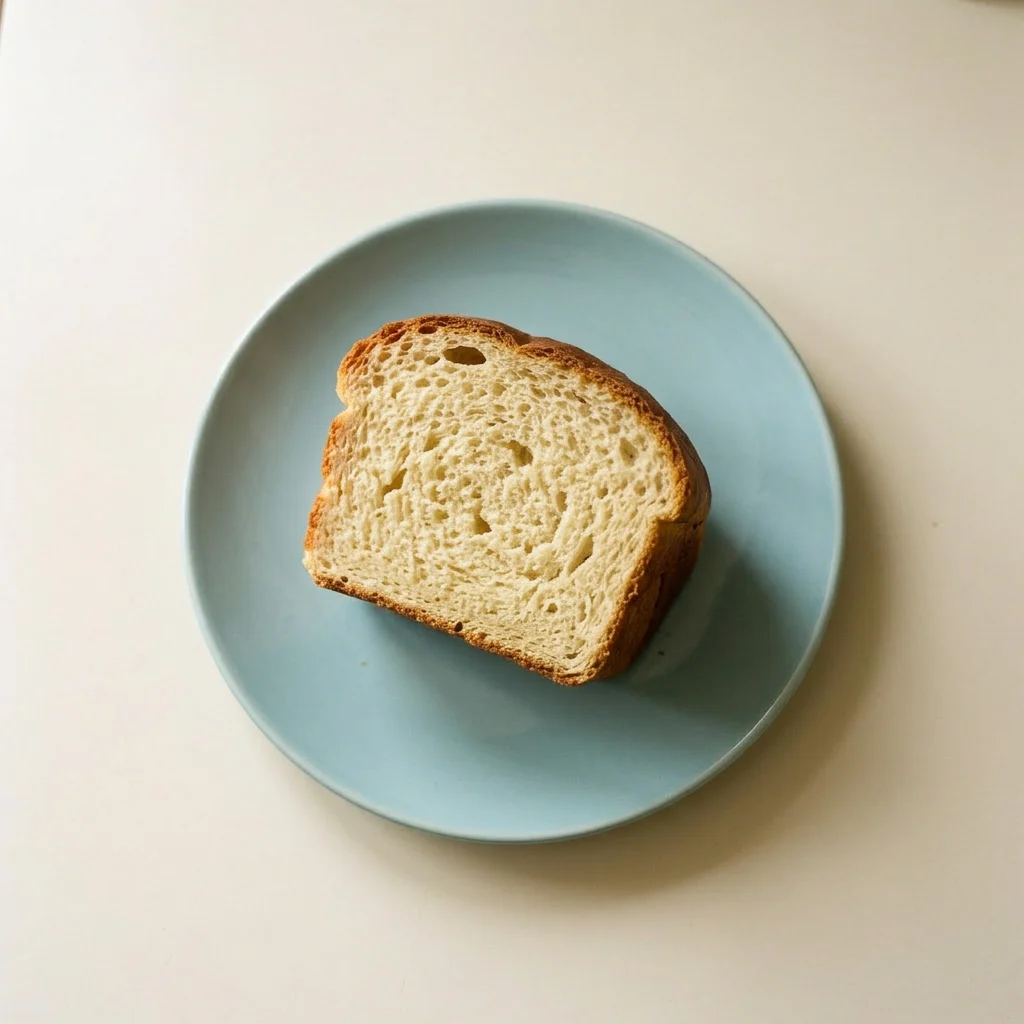
Wrap the cooled loaf tightly in plastic wrap and store at room temperature. The bread stays moist for about 3 days; after that the crumb starts to dry.
Do not refrigerate it: the cold air pulls moisture out of the bread, making it stale faster. For longer storage, wrap well and freeze for up to 3 months.
Thaw wrapped at room temperature, then uncover and warm slices in a 300°F oven for 5 minutes to restore the crust. This bread is best the day it’s baked, when the crust is crisp and the crumb is tender.
If you must make it ahead, bake it early the same day and serve within 6 hours of cooling. Any butter or spread goes on right before eating, not before storing.
Swapping butter for oil in Sally Lunn changes the crumb
Butter: Neutral oil like canola or vegetable, same volume (½ cup). The bread will be less tender and less rich. Butter shortens gluten strands; oil doesn’t coat flour the same way, so the crumb firms up.
Flavor flattens, too, butter’s dairy notes vanish. If you swap, expect a more bready, less cake-like texture.
All-purpose flour: Bread flour, same weight (688g). Bread flour has more protein, so the gluten develops further even with gentle stirring.
The loaf will rise taller but feel chewier, not as tender. If you want a softer crumb, stick with AP. If you don’t mind a sturdier slice, bread flour works.
Eggs or milk: No swap, these are essential. Eggs provide the structure that sets the crumb; without them, the loaf collapses.
Milk adds moisture and the sugars that brown the crust. Water or a non-dairy milk won’t give the same lift or color.
Leave both in.
Tips
- If the yeast doesn’t foam after 5 minutes, the water may be too hot or too cold. Use an instant-read thermometer to confirm 110 to 115°F before adding yeast.
- The foam should be thick and creamy, not just a few bubbles. If it’s thin or sparse, the yeast is weak and the bread won’t rise properly.
Frequently Asked Questions
Can I make Sally Lunn batter bread ahead of time?
Best the day it’s baked, within 6 hours of cooling. You can bake early same day and serve later, but the crust softens over time. For longer, wrap cooled loaf tightly and freeze up to 3 months.
Why did my bread collapse after baking?
Most likely the second rise went too long, the batter rose above the pan rim, then the structure couldn’t support itself. Next time, bake as soon as it reaches the rim. Another possibility: you opened the oven door too early, which let cold air hit the loaf before the crumb set.
How is Sally Lunn bread different from regular yeast bread?
It’s stirred, not kneaded, so the gluten stays short and the crumb turns out tender, almost cake-like. The high amounts of butter, eggs, and milk make it rich and soft, with a fine, even crumb you pull apart, not slice. Regular yeast bread has a chewier, more elastic crumb from kneading.
Can I freeze this bread for later?
Yes, wrap the cooled loaf tightly in plastic wrap and freeze for up to 3 months. Thaw wrapped at room temperature, then unwrap and warm slices in a 300°F oven for 5 minutes to restore the crust’s crispness.