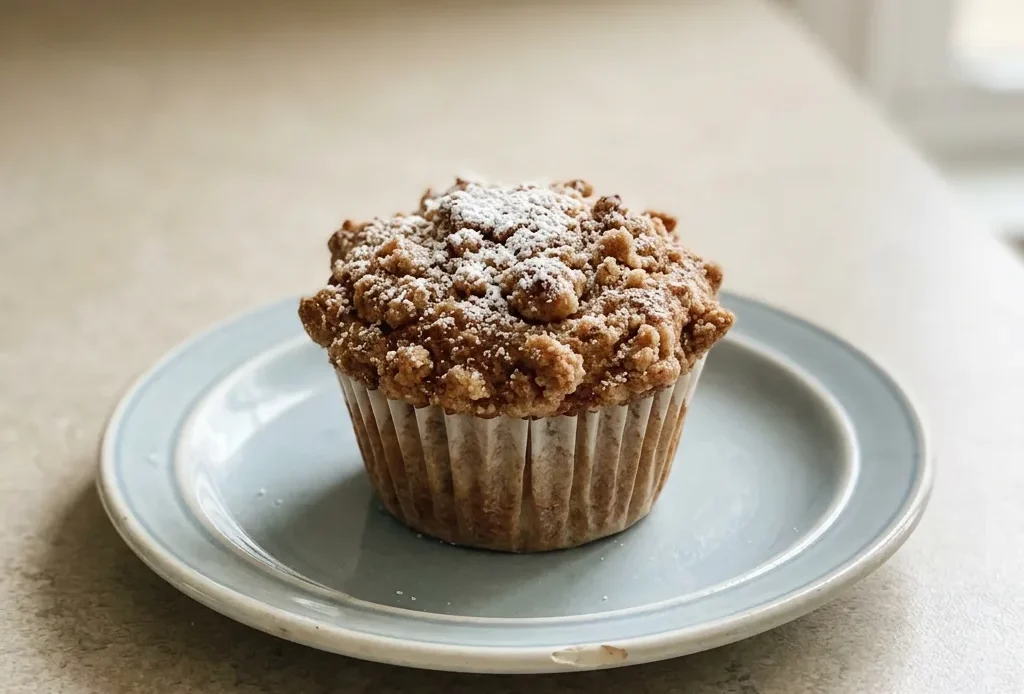
The streusel on these muffins stays crunchy because you work cold butter into the dry mix until it looks like coarse crumbs, not sandy, not pasty. That texture is the difference between a topping that shatters and one that melts into the batter.
Most recipes stop there, but these cinnamon streusel muffins also use double the usual baking powder, which gives the crumb enough lift to hold that heavy streusel without sinking. The margin for error is narrow: overmix the batter once and you lose the tender interior; use room-temperature butter in the streusel and you lose the crunch. Get both right, and you get a muffin that tastes like it came from a bakery case.
Crunchy topping, soft crumb
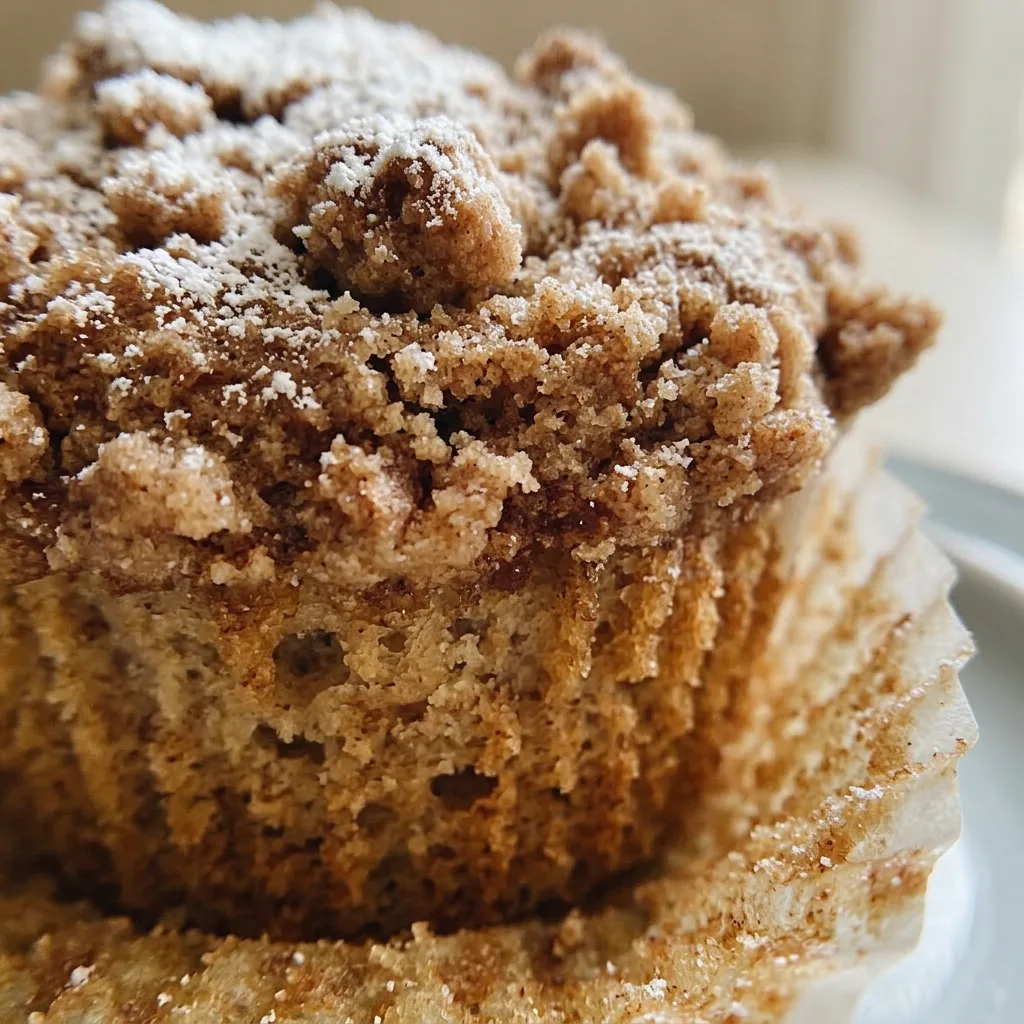
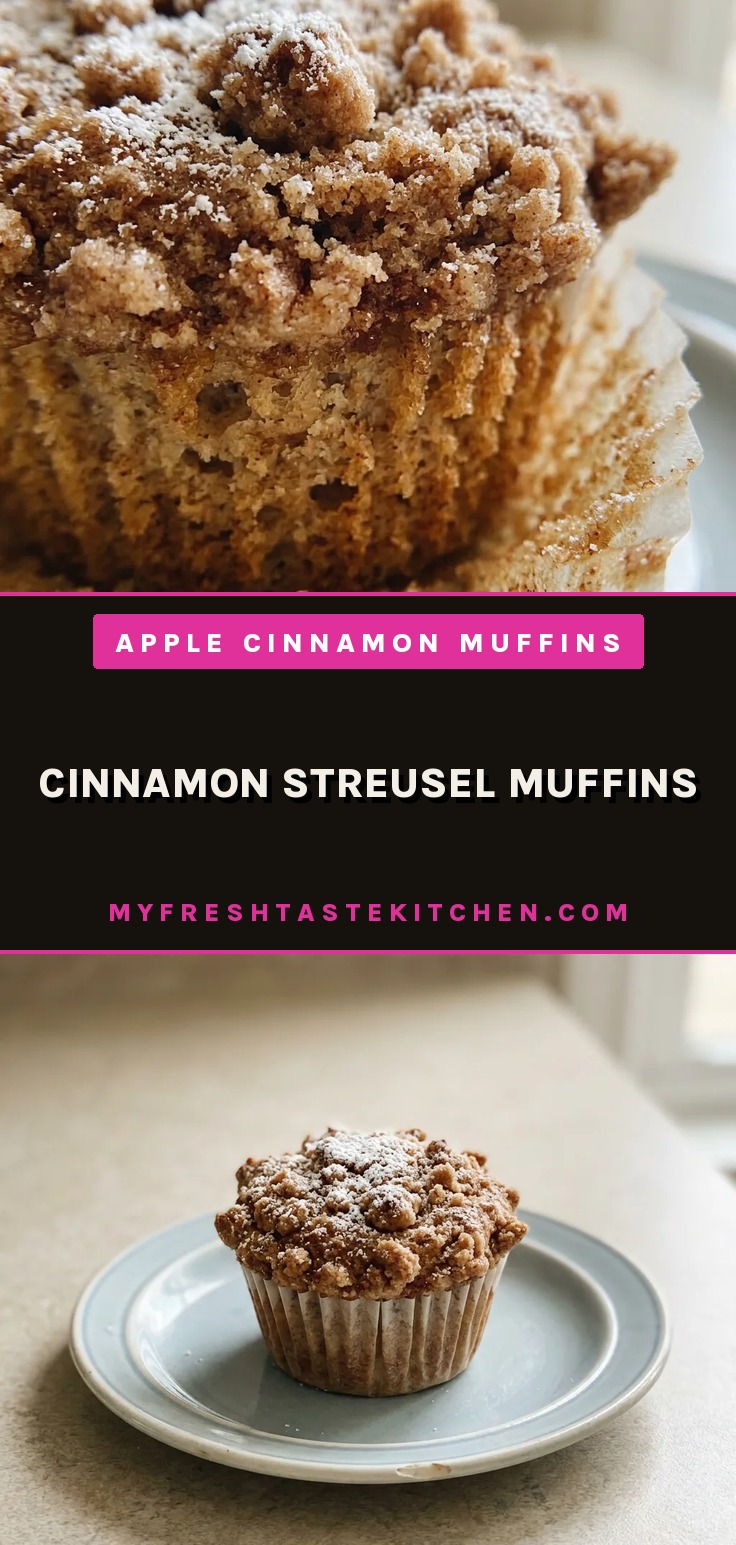
The streusel is what makes these muffins memorable. It sits on top, so you taste it first: a buttery, sandy crunch that shatters against your teeth. That contrast, crisp against tender, is the whole point.
Cold butter in the streusel is the trick; it stays in little chunks even after mixing, so during baking it melts and leaves air pockets, creating a crumbly, not soggy, topping. Brown sugar and cinnamon in the streusel caramelize on the muffin’s surface, adding a toasted, warm sweetness that balances the muffin’s simpler sweetness. You get two textures and two depths of flavor in one bite.
That’s what a good streusel does.
Moist crumb without overworking
Tender muffins come from knowing when to stop stirring. The wet ingredients, melted butter, egg, milk, are all liquid fat and moisture; they coat the flour proteins and keep the crumb soft. But if you stir too much after combining wet and dry, gluten develops and the muffins turn tough.
You want to mix just until the flour disappears; a few lumps are fine. The batter will be thick but not pasty.
That short mixing window gives you a light, tender interior, not a rubbery one. For cinnamon crunch muffins, the crumb matters as much as the topping.
Two tablespoons for a tall rise
You might wonder why a muffin recipe calls for 2 tablespoons of baking powder. That’s a lot, and it’s deliberate. Standard muffins use about 1 teaspoon per cup of flour; here, it’s double.
That extra leavener creates a strong initial lift in the hot oven, pushing the batter up quickly before the structure sets. The result is a domed top and a fluffy, airy crumb, not dense or flat. Just make sure the baking powder is fresh and evenly whisked into the dry ingredients.
If it clumps in one spot, you’ll get a pocket of bitter taste or a lopsided rise. For cinnamon strudel muffin recipes, that lift is essential to support the heavy streusel topping.
Prep: 10 min · Cook: 20 min · Total: 30 min · Servings: 12 · Calories: 200 kcal
The ingredients that matter most
Butter (streusel): Cold butter is key. Straight from the fridge, cut into small cubes so it stays in distinct pieces.
Cinnamon: Use fresh, fragrant cinnamon. Old cinnamon loses its warmth and can taste flat.
Baking powder: Make sure it’s fresh. 2 tablespoons is a lot, so expired powder won’t give the lift you need.
Milk: Whole milk works best. Buttermilk is a fine substitute, just expect a slightly tangier crumb.
Brown sugar: Dark or light brown sugar both work. Dark gives a more pronounced molasses flavor in the streusel.
Build the streusel first, then the batter
Make the streusel
Cut cold butter into the flour, brown sugar, and cinnamon until it looks like coarse crumbs. Pinch a bit: it should hold together when squeezed, then break apart easily.
Mix dry ingredients
Whisk flour, sugar, baking powder, and salt until evenly combined. The powder should be fully dispersed, no white streaks, so every muffin rises evenly.
Combine wet ingredients
Stir melted butter, egg, milk, and vanilla until smooth. The mixture should look emulsified, not separated; if the butter clumps, your milk was too cold.
Fold wet into dry
Pour the wet mix into the dry and stir just until no flour streaks remain. The batter will be thick and lumpy, stop there. Overmixing makes tunnels and toughness.
Fill and top
Divide batter among 12 lined muffin cups, filling each about two-thirds full. Sprinkle streusel generously over each, press it lightly so it sticks during baking.
Bake and cool
Bake at 400°F for 18 to 20 minutes. The tops should be golden brown and a toothpick inserted in the center should come out clean. Cool in the pan for 5 minutes, then transfer to a rack.
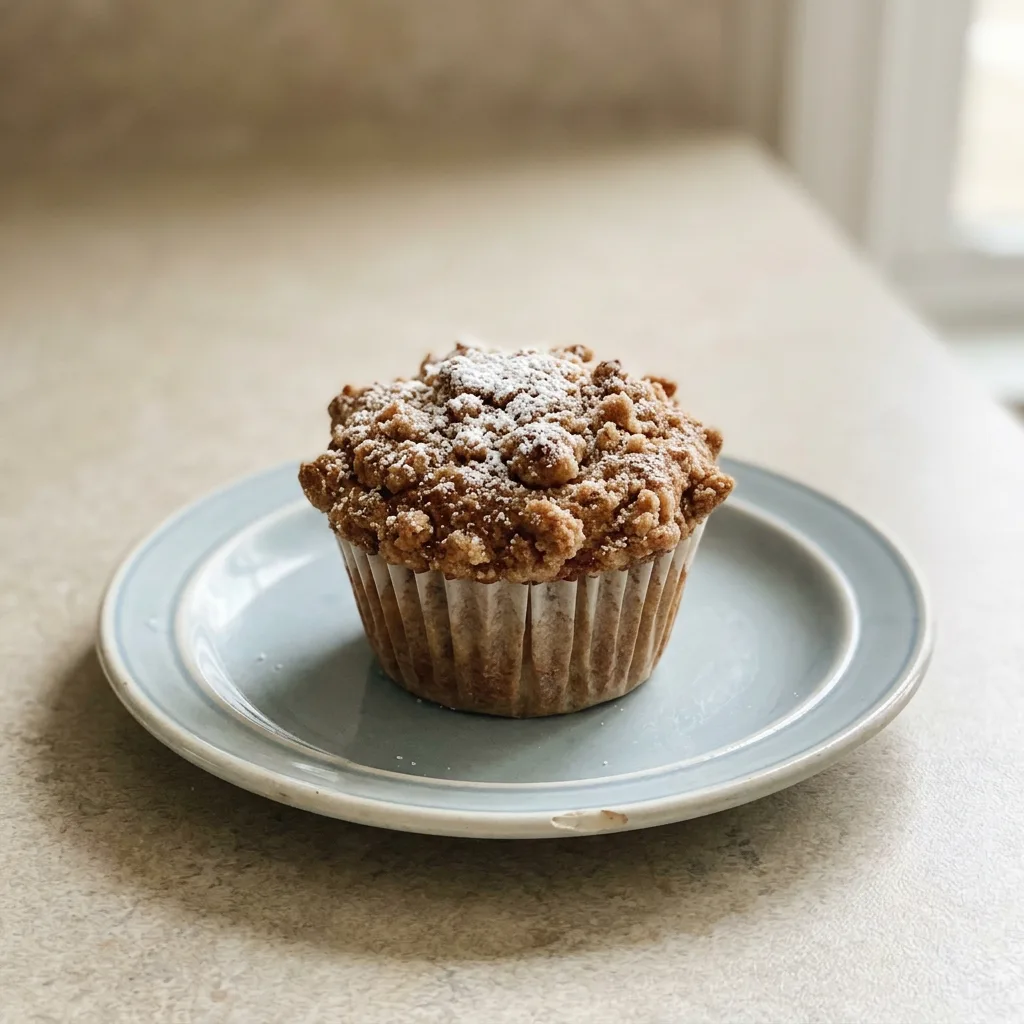
Cinnamon Streusel Muffins
Ingredients
Method
Preheat Oven and Prep Pan:
Heat oven to 400°F (205°C). Insert paper liners into a muffin tin or coat generously with grease.Whisk Dry Ingredients:
Combine flour, granulated sugar, baking powder, and salt in a large bowl, whisking thoroughly.Blend Wet Ingredients:
In a separate bowl, blend melted butter, egg, milk, and vanilla extract until the mixture is smooth.Combine Wet and Dry:
Add the wet mixture to the dry ingredients, stirring just until incorporated.Make Streusel Topping:
In a small bowl, mix streusel flour, brown sugar, and cinnamon. Incorporate cold butter using a pastry cutter until the mixture resembles coarse crumbs.
Fill Muffin Cups:
Spoon batter into muffin cups, filling each about two-thirds full.Add Streusel Topping:
Evenly distribute the streusel topping over each muffin.Bake Muffins:
Bake for 18-20 minutes, until tops are golden and a toothpick inserted in the center emerges clean.Cool Muffins:
Let muffins rest in the pan for 5 minutes, then move them to a wire rack to cool completely.
Storage and serving
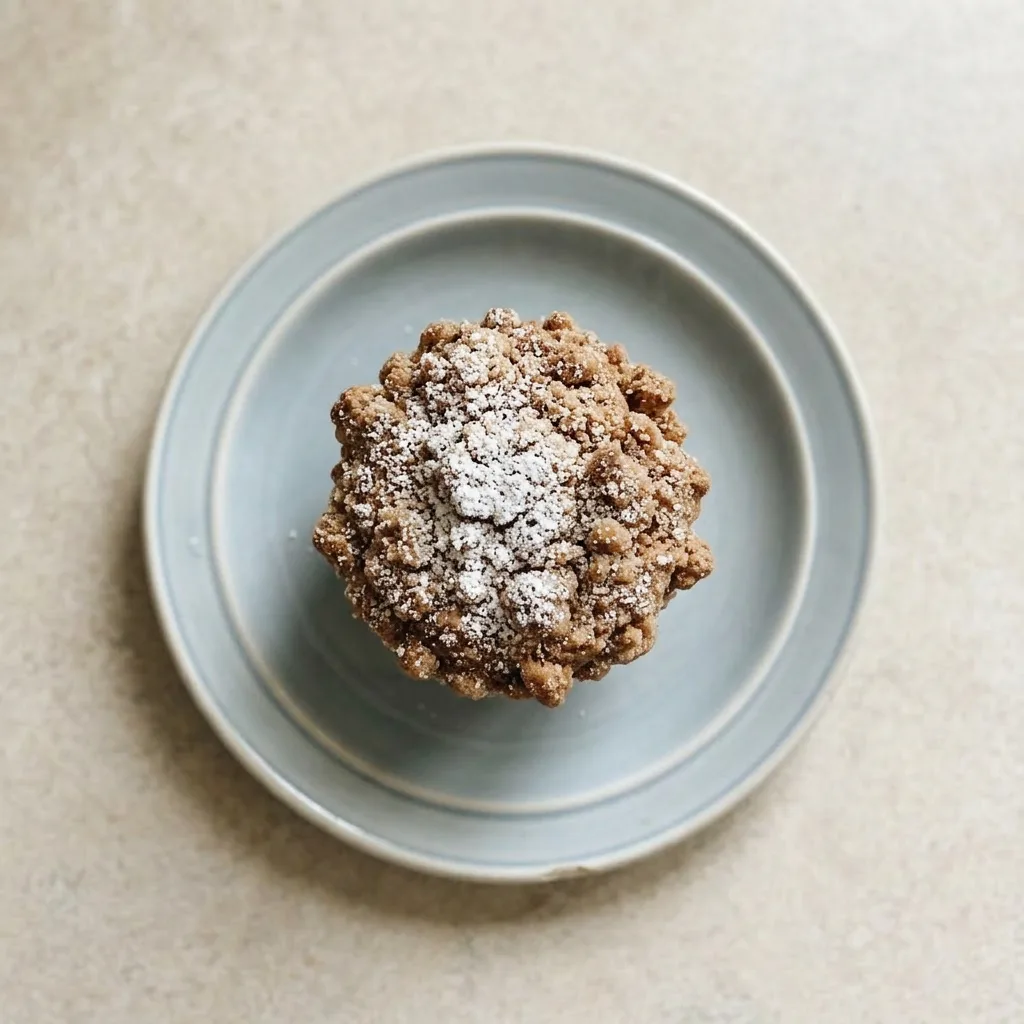
These muffins are best the day they’re baked, when the streusel is crisp and the crumb is tender. For serving, let them cool completely on a rack, about 30 minutes, then eat within 4 hours for the crunchiest topping.
After that, the streusel softens from moisture in the muffin. To store leftovers, place them in an airtight container at room temperature for up to 3 days. The crumb stays moist, but the streusel will lose its crunch.
To bring it back, reheat a muffin in a 350°F oven for 5 minutes or in a microwave for 10 seconds, then let it rest a minute. For longer storage, freeze the muffins without the streusel; wrap each cooled muffin in plastic wrap, then foil, and freeze for up to 3 months.
The streusel does not freeze well, as it turns soggy upon thawing. To serve frozen muffins, unwrap and reheat directly in a 350°F oven for 10 minutes. If you want the streusel crunch, make a fresh batch of streusel and sprinkle it on after reheating.
Three swaps that work, one that doesn’t
All-purpose flour: Gluten-free all-purpose flour blend (1:1 by weight). The crumb will be slightly more tender and a bit more delicate; handle the batter gently. The streusel can use the same gluten-free flour for a similar crunch.
Granulated sugar: Brown sugar (same amount). Adds a deeper, molasses-like sweetness and a touch more moisture. Expect a darker crumb and a slightly softer texture.
The streusel already uses brown sugar, so the muffin itself will echo that flavor.
Milk: Buttermilk (same amount). Makes the crumb tangy and even more tender. The acidity helps keep the muffins moist, but the rise may be a tad less domed.
If you use buttermilk, skip any extra acid in the batter.
Streusel flour: Regular all-purpose flour (same amount). Works fine.
The streusel will be slightly more dense, but still crumbly. No need to buy a specialty flour for this.
Tips
- After mixing the streusel, chill it for 10 minutes before topping the muffins. Cold streusel stays in distinct clumps during baking rather than melting into the batter, preserving that crunchy texture.
- Use a cookie scoop to portion the batter. It prevents overmixing from spooning and ensures even muffin sizes, which helps all 12 muffins bake at the same rate despite the heavy streusel topping.
Frequently Asked Questions
Can I make the batter ahead of time and bake later?
No, bake right after mixing. The batter uses 2 tablespoons of baking powder, which starts reacting as soon as it hits the wet ingredients.
If you let it sit, the bubbles escape and the muffins won’t rise properly, you’ll get flat, dense tops instead of domed ones. Mix, fill, and bake immediately for the best texture.
Why did my streusel sink into the muffins instead of staying on top?
Most likely the batter was too thin or the cups were overfilled. Fill each cup only two-thirds full, that leaves room for the streusel to sit on top. Also, press the streusel lightly into the batter so it adheres.
If the batter was overmixed, it becomes runny and can’t support the topping.
How do I know when the muffins are done without a toothpick?
Look for a golden-brown top and a springy feel: press the center gently with a finger; if it bounces back, they’re done. The edges will also start pulling away from the liners. At 18 to 20 minutes in a 400°F oven, the streusel should be fragrant and lightly caramelized.
What makes these different from regular cinnamon muffins?
Two things: a double dose of baking powder for a tall, airy crumb, and a streusel made with cold butter that stays crunchy on top. Regular cinnamon muffins often have cinnamon mixed into the batter, so you taste it throughout. Here, cinnamon is mostly in the streusel, giving you a concentrated burst of toasted warmth against a tender, plain muffin base.
