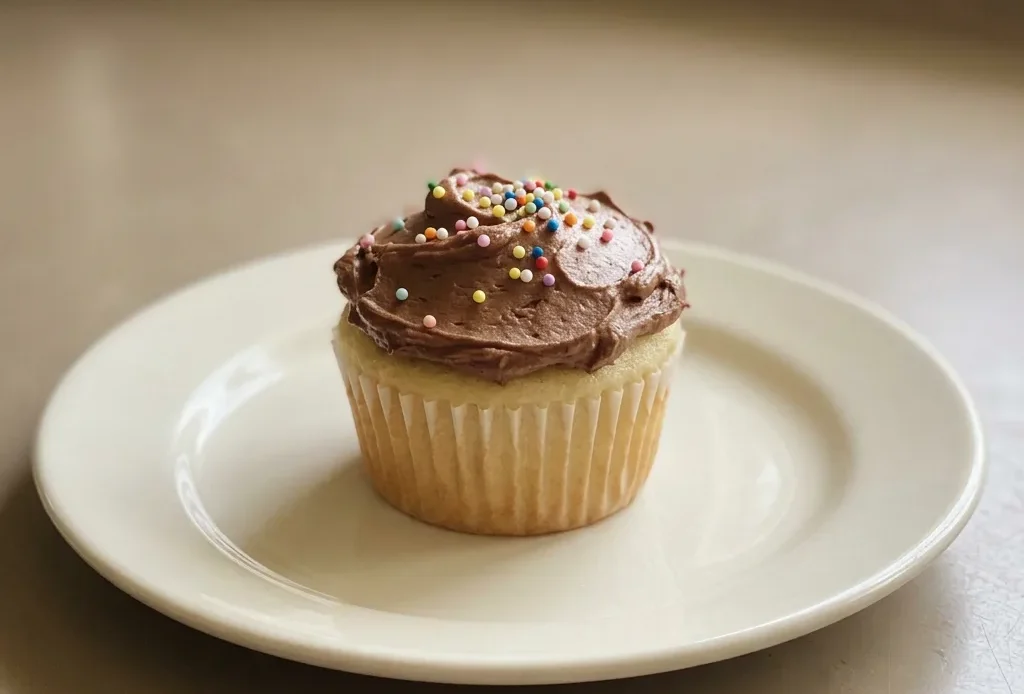
You want a yellow cupcake that tastes like it came from a bakery, not a box. The secret isn’t one ingredient, it’s two working together: cake flour for a delicate, fine crumb, and sour cream for extra moisture without making the batter heavy. That combination gives you a cupcake that’s tender, silky, and sturdy enough to hold a mound of frosting without falling apart.
Getting it right means paying attention to technique, room temperature ingredients, careful mixing, but the payoff is a cupcake that feels special without being fussy. These yellow birthday cupcakes deliver that nostalgic yellow-cake flavor with a texture that’s noticeably softer and lighter than what you get from all-purpose flour.
Once you’ve made them, you’ll understand why bakery cupcakes taste different.
Use cake flour for a tender crumb
Cake flour is the backbone of a delicate cupcake. Its lower protein content means less gluten forms when you mix, so the crumb stays soft and fine, not tough or bready. This recipe calls for 1 and 3/4 cups, which gives structure without weight.
Sour cream adds extra moisture and fat, further tenderizing the texture. The result is a cupcake that feels light and airy, almost silky, with a tight crumb that holds together without being dense.
You can taste the difference: a yellow cupcake made with all-purpose flour comes out coarser and chewier, while cake flour keeps it tender.
Bring ingredients to room temperature for a smooth batter
Room-temperature ingredients are important here. Butter, eggs, sour cream, and milk all need to be at room temp so they blend seamlessly. When butter is soft, it creams easily with sugar, trapping air that lifts the cupcakes.
Cold eggs or milk will shock the mixture, causing the batter to curdle or separate, you’ll see a grainy, broken look instead of a smooth, emulsified one. Sour cream, in particular, incorporates best when it’s not cold, so it doesn’t make the batter stiff. Warm ingredients create a unified, pourable batter that bakes evenly, giving you a consistent crumb from top to bottom.
Fill liners only two-thirds full for domes
A cupcake’s shape starts in the pan. Fill the liners to about two-thirds full, this leaves enough room for the batter to rise and dome neatly.
Overfill, and you get flat tops that spill over the liner edges, or worse, a mushroom that droops sideways. The recipe yields about 14 cupcakes, so you’ll need a second pan with two extra liners.
This way, all cupcakes bake evenly without crowding. When you pull them from the oven, the tops should be golden and slightly rounded, a sign that the batter had just the right space to expand.
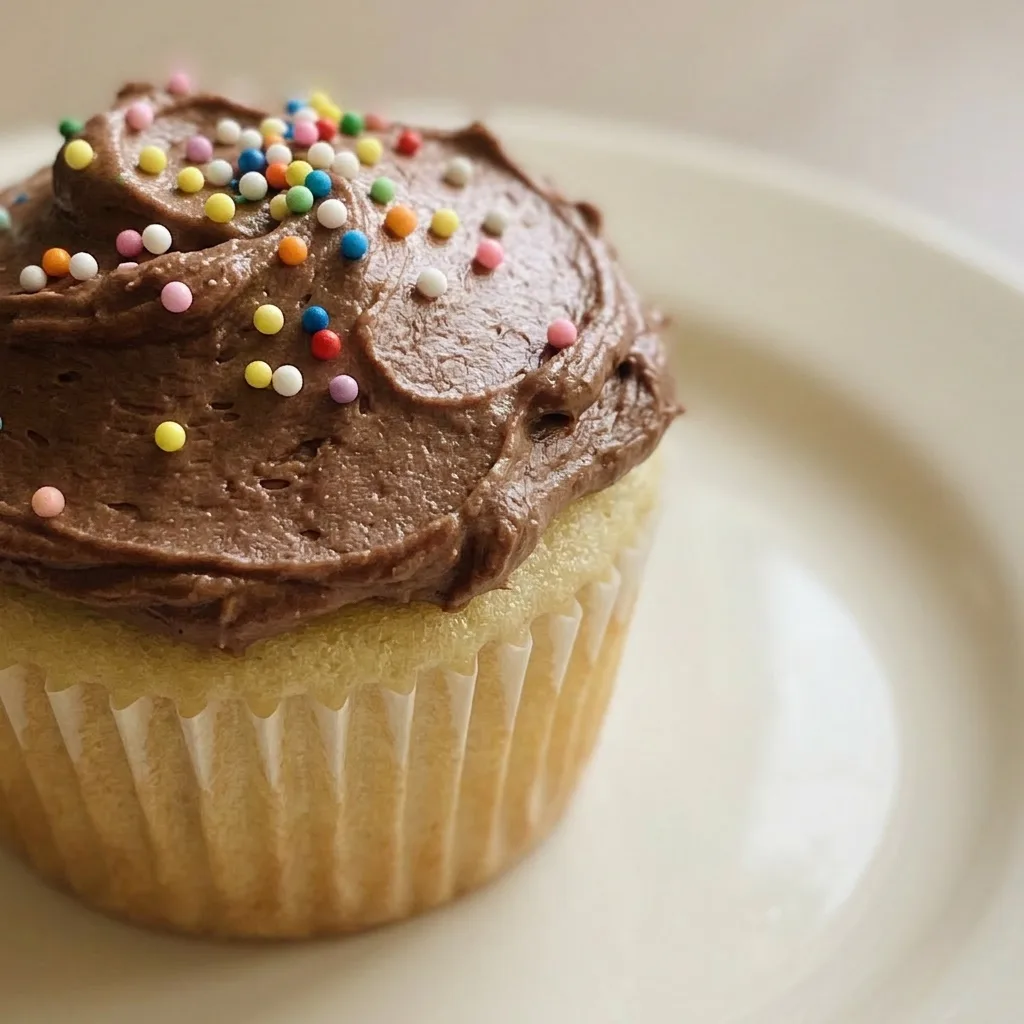
Prep: 25 min · Cook: 20 min · Total: 3 hr · Servings: 12
A few ingredient details before you start
Cake flour: Cake flour gives a tender crumb. Spoon and level it, don’t scoop directly from the bag.
Unsalted butter: Softened butter creams best. Leave it out for about an hour until it yields to gentle pressure.
Sour cream: Use full fat sour cream at room temp so it blends smoothly into the batter.
Whole milk: Whole milk adds richness. Lower fat milk will make the cupcakes less tender.
I once filled the liners nearly to the top, and they mushroomed into ugly, flat-topped blobs. Now I know the 2/3 rule is important.
Cream butter and sugar until light and fluffy for lift
Cream butter and sugar
Beat softened butter and granulated sugar on high until the mixture looks pale, fluffy, and almost doubled in volume, about 2 minutes. Scrape the bowl well. If it looks oily or separated, you didn’t beat long enough.
Add eggs and sour cream
Beat in eggs one at a time, then vanilla and room-temperature sour cream. The batter should look smooth and glossy, not curdled. If it looks grainy or broken, your ingredients were too cold, warm them next time.
Alternate dry and wet ingredients
Mix dry ingredients into the butter mixture on low until just combined, you’ll still see a few flour streaks. Slowly pour in the milk while mixing. Stop as soon as the batter comes together; it should be slightly thick and smooth.
Over-mixing makes the crumb tough.
Fill and bake
Spoon batter into liners to about two-thirds full. Bake at 350°F for 19 to 22 minutes.
A toothpick inserted in the center should come out clean, and tops will spring back when lightly pressed. Let cool completely before frosting.
Yellow Birthday Cupcakes
Ingredients
Vanilla Cupcakes
- 1 and 3/4 cups cake flour 207g (spooned & leveled)
- 2 teaspoons baking powder
- 1/4 teaspoon salt
- 1/2 cup unsalted butter 8 Tbsp; 113g, softened to room temperature
- 1 cup granulated sugar 200g
- 2 large eggs at room temperature
- 1/3 cup sour cream 80g, at room temperature
- 2 and 1/2 teaspoons pure vanilla extract
- 3/4 cup whole milk 180ml, at room temperature
Frosting
- frosting: chocolate buttercream and sprinkles for garnish, or any of these frostings
Instructions
Vanilla Cupcakes
Preheat Oven and Prep Pans:
Preheat the oven to 350°F (175°C). Line a 12-count muffin pan with cupcake liners. Line a second pan with 2 liners—this recipe makes about 14 cupcakes. Set aside.Whisk Dry Ingredients Together:
Whisk the cake flour, baking powder, and salt together. Set aside.Cream Butter and Sugar:
Using a handheld or stand mixer fitted with a paddle attachment, beat the butter and sugar together on high speed until smooth and creamy, about 2 minutes. Scrape down the sides and up the bottom of the bowl with a silicone spatula as needed. Add the eggs and vanilla extract. Beat on medium-high speed until combined, then beat in the sour cream. Scrape down the sides and up the bottom of the bowl as needed. With the mixer on low speed, add the dry ingredients until just incorporated. With the mixer still running on low, slowly pour in the milk until combined. Do not over-mix. The batter will be slightly thick.Fill Liners and Bake:
Pour/spoon the batter into the liners. Fill only 2/3 full to avoid spilling over the sides. Bake for 19-22 minutes, or until a toothpick inserted in the center comes out clean. For around 30 mini cupcakes, bake for about 11-13 minutes, same oven temperature. Allow the cupcakes to cool completely before frosting.Frost Cupcakes:
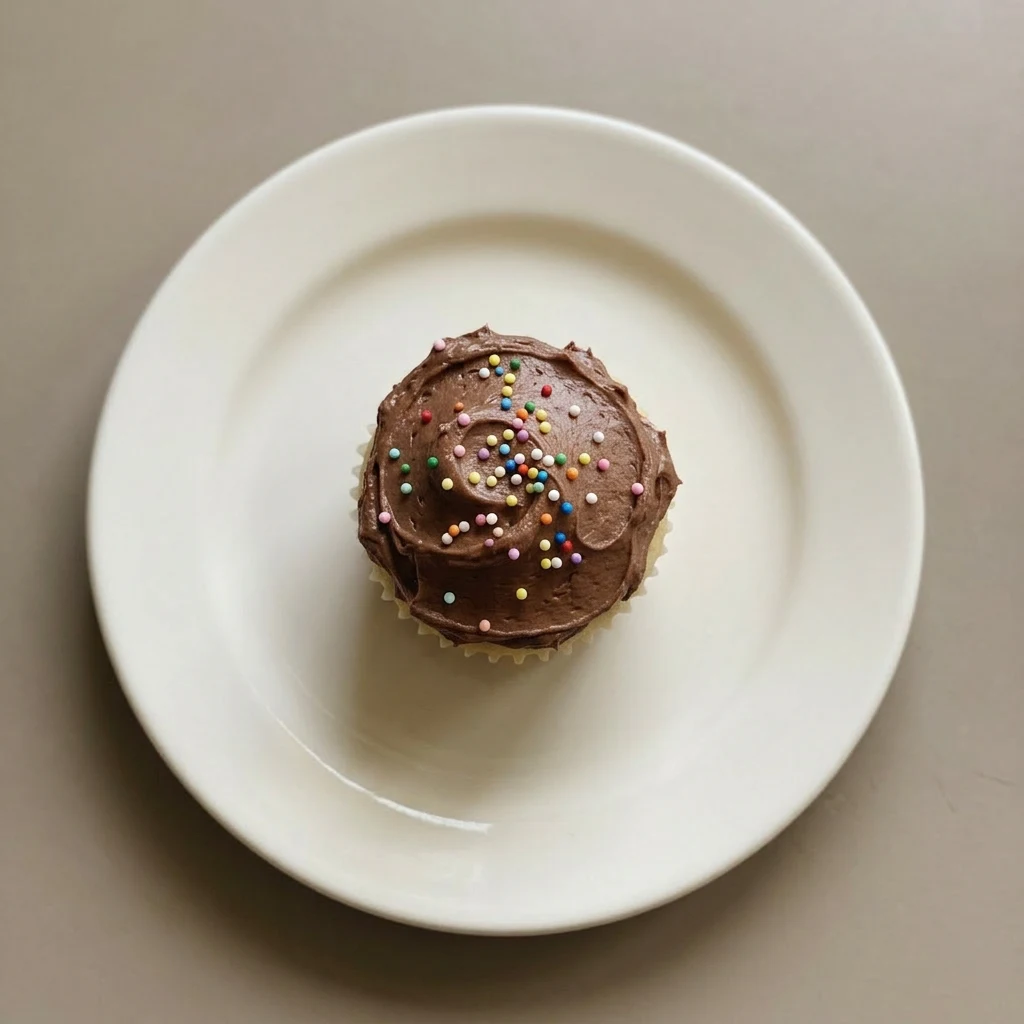
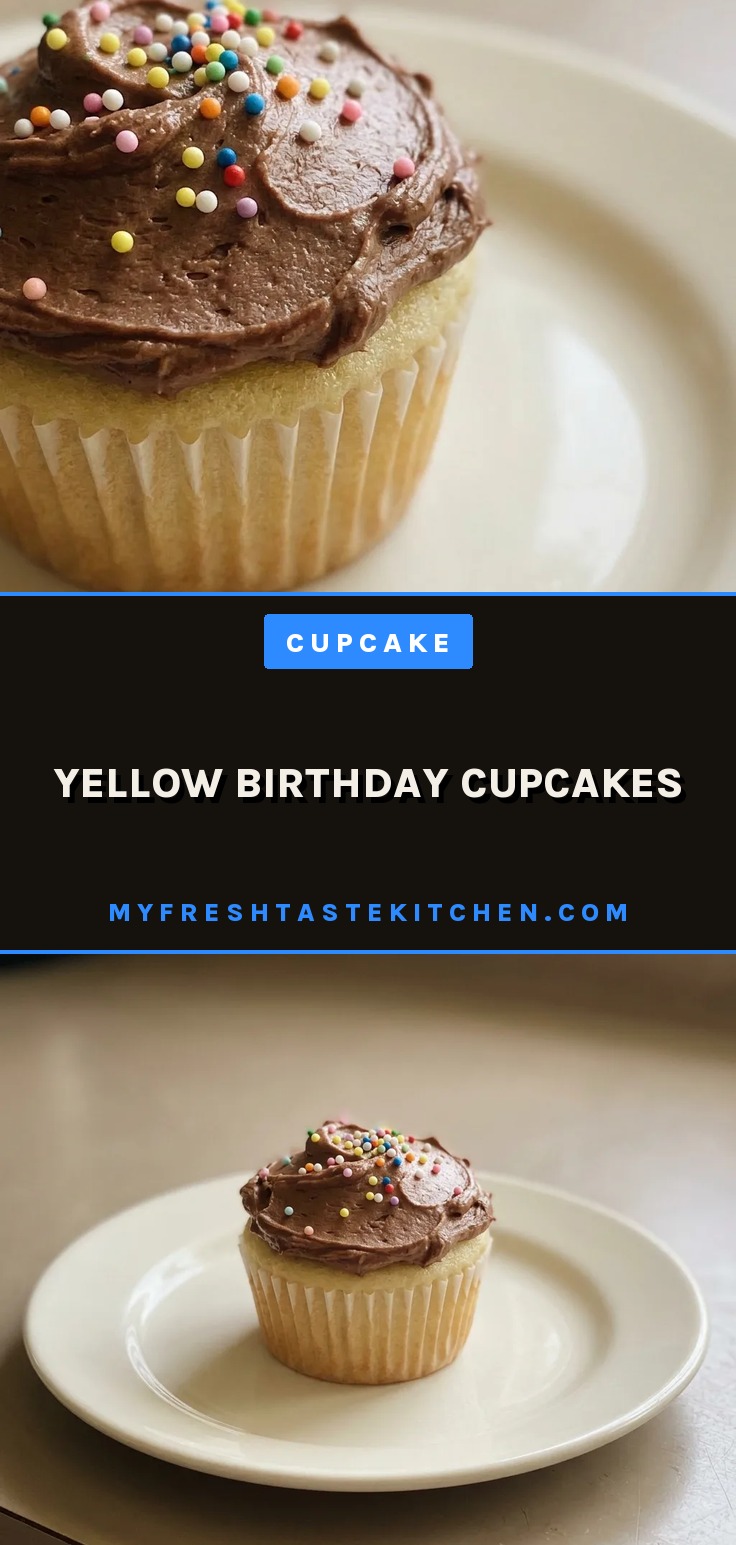
Frost cooled cupcakes with chocolate buttercream. I used Ateco 849 piping tip. Top with sprinkles, if desired.
Frosting
Store Leftovers:
Leftover cupcakes keep well covered tightly in the refrigerator for 3 days.
Substitute carefully for a tender crumb
Cake flour: All-purpose flour with cornstarch. Use 1 1/2 cups all-purpose flour plus 1/4 cup cornstarch, whisked together. The crumb will be slightly denser and less silky than with cake flour, but still tender.
Do not use straight all-purpose flour without adjusting the liquid, the batter will be stiffer and the cupcakes will turn out tough and dry.
Sour cream: Full-fat plain yogurt or buttermilk. Swap equal amounts. Yogurt keeps the same moisture and tang, but the crumb may be a touch less tender.
Buttermilk makes a slightly thinner batter, so the cupcakes might dome less and feel a bit lighter. Either works, but use full fat for best richness.
Unsalted butter: Salted butter (reduce added salt). If using salted butter, skip the 1/4 teaspoon salt in the recipe. The texture stays identical, salt only affects seasoning, not structure.
Whole milk: 2% or oat milk. Lower fat milk (2% or skim) makes a less tender crumb and slightly drier cupcakes. Oat milk works for dairy-free, use unsweetened; the texture will be a bit sturdier.
Start with the same amount. For both, expect a less rich flavor and a crumb that’s not as soft.
How to Store Frosted Cupcakes
Store frosted cupcakes in an airtight container in the refrigerator for up to 3 days, as noted in the recipe. The fridge keeps the buttercream firm and prevents the crumb from drying out.
For the best texture, bring refrigerated cupcakes to room temperature before serving, about 30 minutes. This restores the soft, tender crumb and softens the frosting so it’s creamy, not stiff.
Avoid leaving them out longer than 2 hours at room temperature, especially if frosted with dairy-based buttercream. If you plan to serve them within a few hours, hold at room temperature uncovered, then add sprinkles or other garnishes just before serving to keep them crisp. For longer storage, freeze unfrosted cupcakes up to 2 months: wrap each individually in plastic wrap, then foil.
Thaw at room temperature, then frost and garnish. Frosted cupcakes do not freeze well because the frosting can weep or become grainy upon thawing.
Tips
- Check that your baking powder is fresh by stirring 1/2 teaspoon into 1/4 cup hot water. If it bubbles vigorously, it’s active; if not, buy a new container or your cupcakes will be dense and flat.
- When measuring cake flour, spoon it into the cup and level with a straight edge. Scooping directly compacts it, adding up to 20g extra flour, which yields dry, heavy cupcakes.
Frequently Asked Questions
Can I make these cupcakes a day ahead?
Yes. Bake the cupcakes, cool completely, and store them unfrosted in an airtight container at room temperature overnight. Frost them the next day, then refrigerate if needed.
The crumb stays tender because cake flour and sour cream keep it moist.
Why did my cupcakes turn out dense instead of light and fluffy?
Most likely the batter was over-mixed after adding the milk, which develops too much gluten. Mix on low just until the flour disappears, a few streaks are fine. Another cause is under-creaming the butter and sugar; it should look pale and fluffy, about 2 minutes on high.
What’s the difference between yellow cupcakes and vanilla cupcakes?
Yellow cupcakes use whole eggs, including the yolks for color and fat, and often all-purpose flour for a sturdier crumb. Vanilla cupcakes like these rely on cake flour and sour cream for a tender, silky texture, with a cleaner vanilla flavor. The crumb is finer and less chewy than yellow.