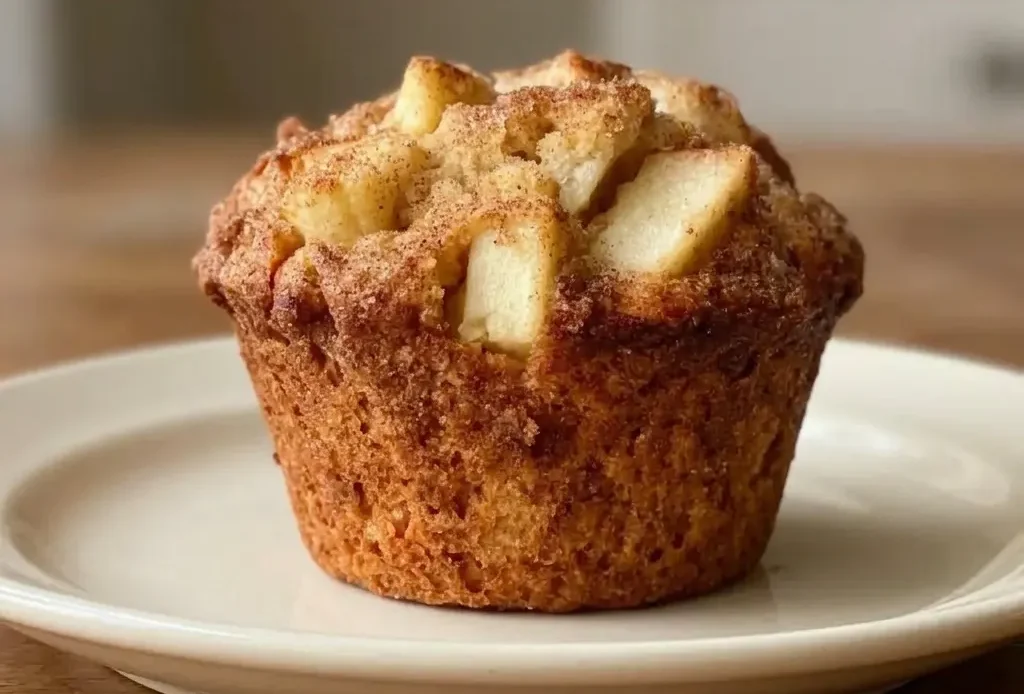
Most apple muffins turn out with all the fruit sunk in a sad layer at the bottom, leaving the top half plain. That’s why these apple muffins with fresh apples use a flour-and-cinnamon coating to keep the chunks suspended throughout the batter. The result is consistent apple in every bite, not just the last one.
Even when I’m rushing, I still toss those apple cubes in the extra flour and cinnamon before folding them in. It feels like an unnecessary extra bowl, but it’s the only way they stay suspended.
Coating apples keeps them afloat
Why do some apple muffins end up with all the fruit sunk in a layer at the bottom? Density and moisture. Raw apple chunks are heavier than the batter, so gravity pulls them down.
The fix is a quick toss in a mix of flour and cinnamon. That flour coating clings to the wet apple surface, creating friction that helps suspend the pieces throughout the batter as it bakes.
The cinnamon does double duty: it sticks to the flour and seasons the fruit evenly. You use 2 teaspoons flour plus 1/2 teaspoon cinnamon for that coating.
Without it, you’d see a gap between fruit and crumb; with it, every bite holds apple.
A crunchy crust needs post-bake butter
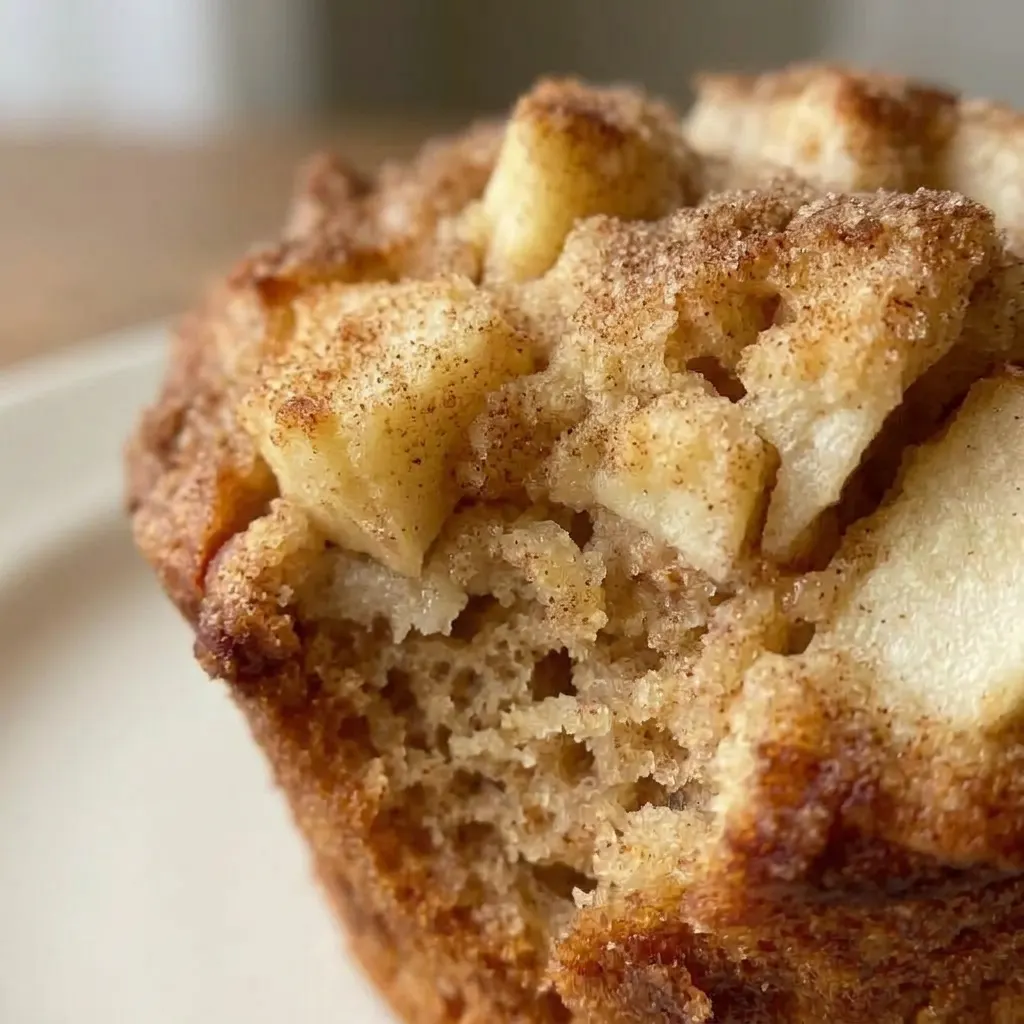
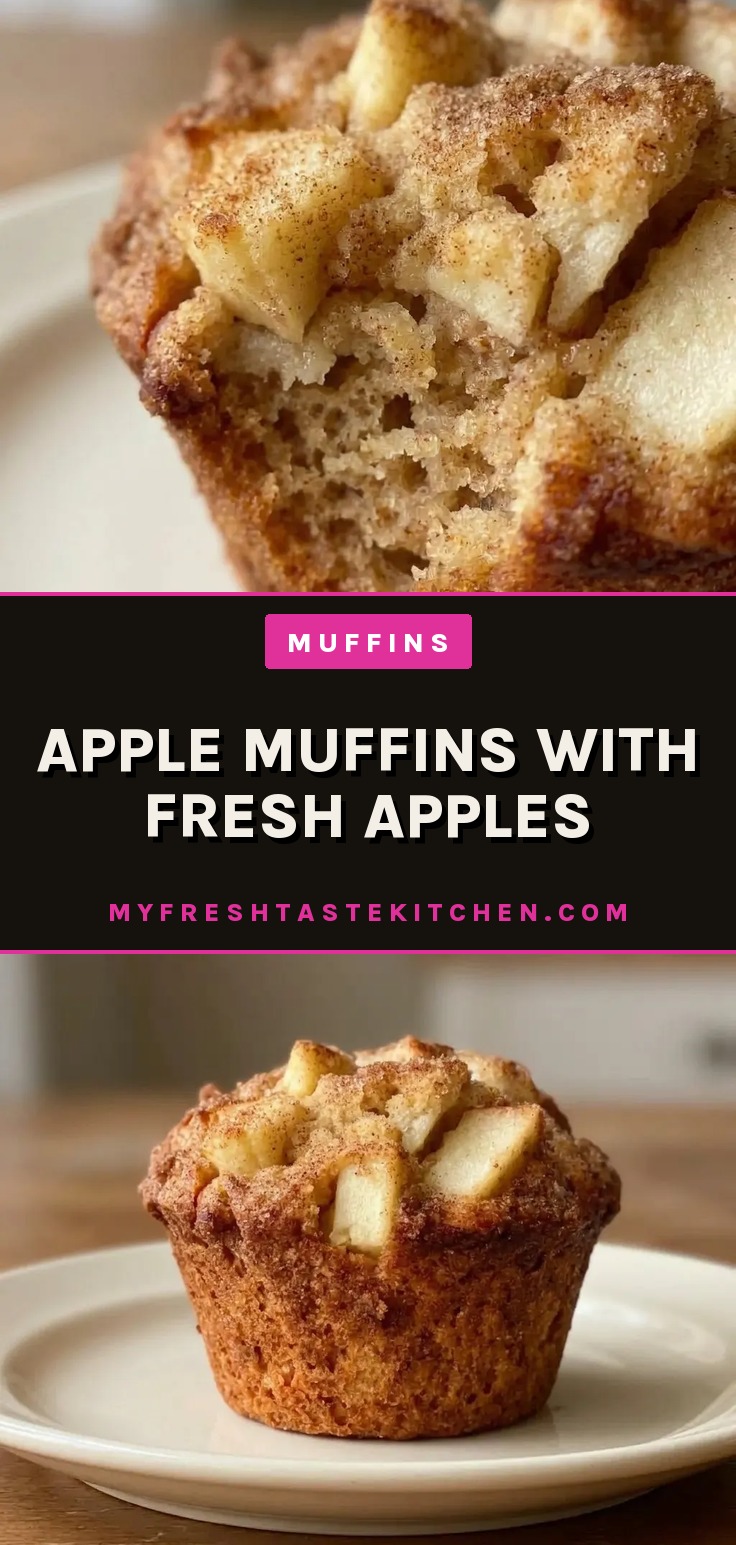
The topping on these apple coffee cake muffins isn’t a streusel or a pre-bake sprinkle. You apply it after baking, which changes how it sticks and tastes. Melted butter soaks into the warm muffin top, then the cinnamon-sugar clings to that buttery surface.
The ratio matters: 1/2 cup butter to 1/4 cup each sugar and cinnamon. That’s enough butter to saturate the surface without making it greasy, and enough sugar to form a crackly layer as it cools. You get a crunchy, sugary crust that shatters against the tender crumb inside.
The contrast is clear from the first bite.
Room-temperature ingredients emulsify properly
Cold butter and eggs won’t cream smoothly. When you beat room-temperature butter with sugar, the fat softens and traps air, creating a light, fluffy base, about 3 minutes of beating gets it pale and aerated.
Cold eggs can cause that emulsion to break, leaving a curdled-looking batter. With everything at room temperature, the fat and liquid combine evenly, so the batter bakes into a tender, even crumb, not a dense one. You can see the difference: a smooth, glossy batter versus one that looks separated.
The texture of these homemade muffins depends on that initial blend.
Prep: 5 min · Cook: 30 min · Total: 35 min · Servings: 12 · Calories: 340 kcal
Choose the right apple for texture
Apples: Use a firm, tart apple like Granny Smith so they hold their shape and don’t going soggy in the batter.
Butter (for muffins): Unsalted butter at room temperature creams properly. Let it sit out for about an hour before starting.
Butter (for topping): Melted butter for the topping should be warm, not hot, to soak into the muffin without pooling.
Cinnamon (for topping): Use a generous 1/4 cup cinnamon for the topping mix. It may seem like a lot, but it balances the sugar.
Bake until the tops spring back
Prepare the batter
Beat the butter and sugar until pale and fluffy, about 3 minutes. The mixture should look light and airy, not dense and greasy. Add eggs one at a time, mixing well after each.
If the batter looks curdled, it’s too cold, warm the bowl slightly.
Fold in apples
Alternate folding dry ingredients and milk into the butter mixture, stopping when no streaks remain. Then fold in the flour-coated apples. The batter will be thick but not stiff.
Overmixing makes muffins tough, stop as soon as the flour disappears.
Fill and bake
Divide batter among greased muffin cups, filling each about 2/3 to 3/4 full. Bake at 375°F until a toothpick inserted in the center comes out clean, around 30 minutes. The tops should be golden and spring back when pressed lightly.
Apply the crust
Let baked muffins cool in the pan for a few minutes until just warm to the touch. Brush or dip each top in melted butter, then roll in the cinnamon-sugar mix.
The butter should soak in quickly, if it pools, the muffin is too hot. The sugar sticks and forms a crackly layer as it cools.
Apple Muffins with Fresh Apples
Ingredients
Muffins
- 2 cups all-purpose flour 250 g
- 2 teaspoons all-purpose flour for coating apples
- 1½ teaspoons baking powder
- ½ teaspoon kosher salt
- 2 teaspoons ground cinnamon
- 1/2 teaspoon ground cinnamon for coating apples
- 2 cups diced apples
- ½ cup unsalted butter 113 g, room temperature
- 1 cup granulated sugar 200 g
- 2 large eggs room temperature
- 2 teaspoons vanilla extract
- ½ cup milk 120 ml
Topping
- 1/2 cup butter 113 g, melted
- 1/4 cup granulated sugar 50 g
- 1/4 cup ground cinnamon
Instructions
Muffins
Preheat Oven and Grease Pans:
Heat oven to 375°F (190°C). Grease muffin pans with baker’s spray or thoroughly coat with shortening or butter and flour, tapping out any extra flour after coating.Sift Dry Ingredients:
Sift 2 cups flour, baking powder, salt, and 2 teaspoons cinnamon together in a medium bowl. Set aside.Toss Apples with Cinnamon:
Combine 2 teaspoons flour and 1/2 teaspoon cinnamon in a separate bowl. Add diced apples and toss until evenly coated. Set aside.Cream Butter and Sugar:
Beat 1/2 cup unsalted butter and 1 cup sugar until pale and fluffy, roughly 3 minutes. Add eggs one by one, mixing well after each addition. Stir in vanilla.Combine Batter and Bake:
Fold dry ingredients into the butter mixture in batches, alternating with milk, until just combined. Fold in the coated apples. Divide batter among prepared muffin cups, filling each about 2/3 to 3/4 full. Bake until a toothpick inserted in the center comes out clean, around 30 minutes.
Topping
Prepare Cinnamon-Sugar Topping:
While muffins bake, prepare the topping: melt 1/2 cup butter and allow to cool slightly. Pour into a small bowl. In another bowl, whisk together 1/4 cup sugar and 1/4 cup cinnamon.Coat Muffins with Topping:
Remove baked muffins from the oven and let them cool briefly in the pan. Take each muffin out, brush or dip the top in melted butter, then roll in the cinnamon-sugar mixture. Transfer to a plate to cool completely.
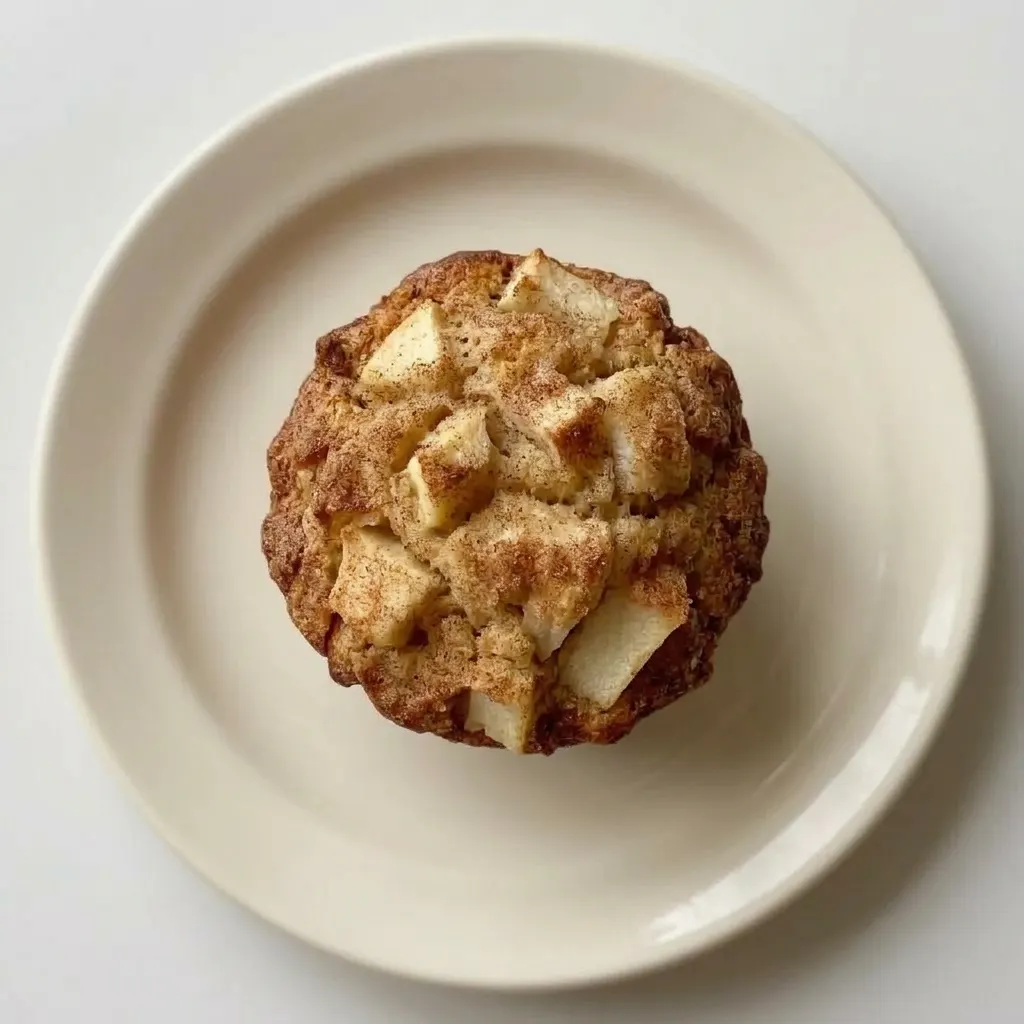
Keep the cinnamon-sugar ratio intact when swapping
All-purpose flour: Gluten-free all-purpose blend (cup-for-cup). The muffins will be slightly more tender and may dome less.
Use a blend with xanthan gum for structure, or add 1/2 teaspoon xanthan gum if your blend lacks it. The crumb holds together but is more delicate, handle gently when dipping in butter.
Unsalted butter: Coconut oil (solid, room temperature) for the muffin batter; melted coconut oil for the topping. Coconut oil creams less aerobically than butter, so the batter won’t get as fluffy, expect a denser, slightly chewier muffin. The topping will still form a crunchy crust, but the flavor shifts to coconut.
Use the same amounts by volume (½ cup for batter, ½ cup for topping). No other liquid adjustment needed.
Milk: Any plant-based milk (unsweetened almond, oat, or soy). Oat milk gives the closest texture and neutral flavor. Almond milk may make the crumb slightly drier; soy milk works fine.
Use same amount (½ cup). The batter will be slightly less rich but still tender.
Cinnamon (for topping): Apple pie spice or pumpkin pie spice (same volume, ¼ cup). The topping will have warm spice notes from cloves and nutmeg.
The sugar-to-spice ratio stays balanced, do not reduce the spice amount or the crust won’t form properly. The muffins taste spiced, not just cinnamon.
Tips
- Use a cookie scoop to portion batter evenly into the muffin cups; it keeps you from overworking the batter by scooping multiple times and ensures uniform muffin size for consistent baking.
Storage and Serving
These muffins are best eaten the day you make them, within a few hours of applying the cinnamon-sugar coating. The topping stays crunchy at room temperature but softens in the fridge. Store leftovers in an airtight container at room temperature for up to 3 days; after that, the crumb dries out.
If you need to keep them longer, freeze the muffins without the topping. Wrap each cooled, uncoated muffin tightly in plastic wrap, then place in a freezer bag. Freeze for up to 3 months.
To serve, thaw at room temperature, then reheat in a 350°F oven for 5 minutes. Brush with melted butter and roll in cinnamon-sugar just before serving. The topping won’t stick well to cold muffins, so apply it after reheating.
Frequently Asked Questions
Can I use whole wheat flour instead of all-purpose?
Yes, but the muffins will be denser and less tender. Whole wheat flour absorbs more liquid, so the batter may feel stiffer. The crumb won’t dome as high, and the texture will be heartier.
If you try it, use a light whole wheat pastry flour for a closer result.
How do I keep the muffins from getting soggy after adding the topping?
Apply the butter and cinnamon-sugar while the muffins are still warm but not hot, just a few minutes out of the oven. If the muffin is too hot, the butter pools instead of soaking in, and the sugar can dissolve into a wet layer.
Let them cool until you can handle them comfortably, then dip. The topping stays crackly for several hours at room temperature.
Can I make the batter ahead of time and bake later?
Not really, the leavening starts reacting once mixed, so the muffins won’t rise as well if the batter sits. You can freeze the uncoated baked muffins for up to 3 months, then thaw, reheat, and apply the topping fresh. That keeps the crust crunchy.
Why did my apples sink to the bottom even though I coated them?
The coating might not have stuck well if the apples were too wet. Pat them dry before tossing with the flour and cinnamon.
Also, if the batter was too thin, it can’t support the fruit. Make sure you didn’t overmix or add extra liquid.
The recipe’s 2 teaspoons flour and 1/2 teaspoon cinnamon should cling if the apples are dry.