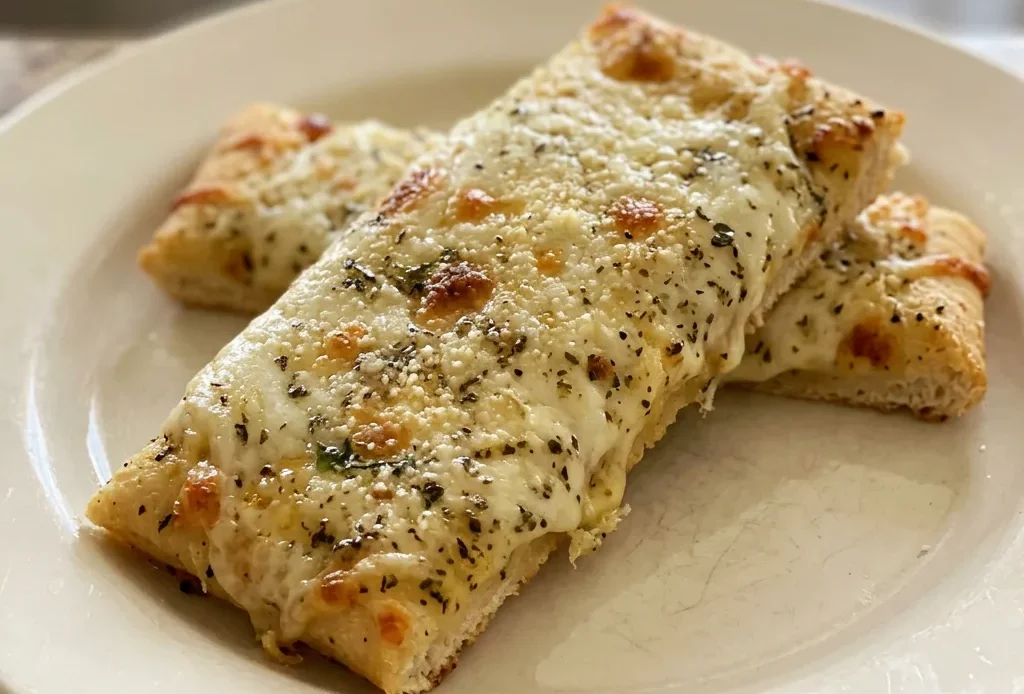
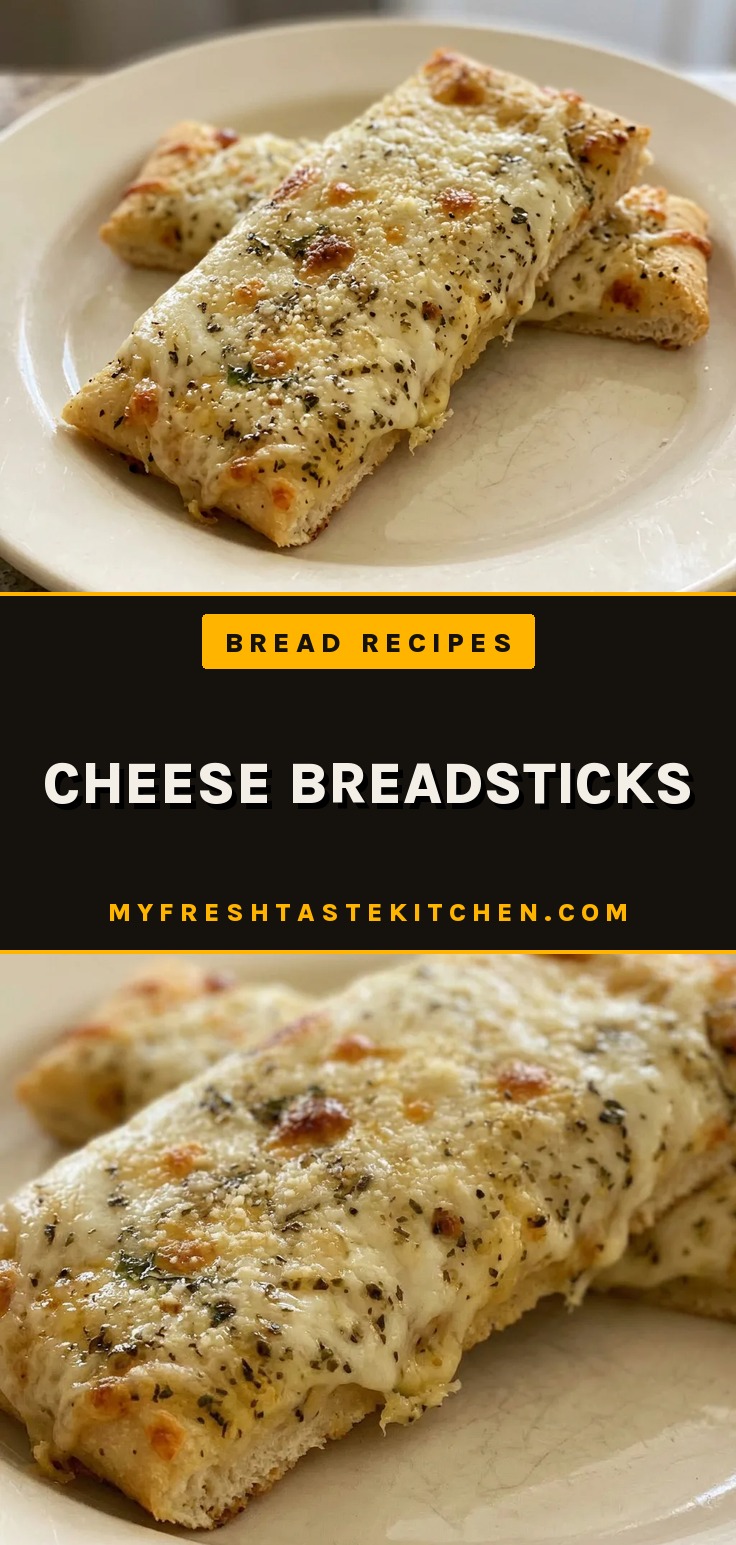
The best cheese breadsticks balance a soft, chewy interior with a browned, almost crispy cheese top, but that balance is easy to miss. Brush pizza dough with garlic butter before adding cheese, and you get a cleanly cooked crust, not a pale, soggy bottom.
The butter barrier does it, letting the cheese melt and brown without turning the dough into a wet mess. These are the kind of cheese breadsticks you pull apart and see the layers: tender bread, salty cheese, a hint of garlic. The hardest part?
Waiting for them to cool before you eat half the pan.
I once forgot the garlic butter entirely and just dumped cheese on top. The breadsticks came out like wet cardboard. The next time I brushed butter first by accident and it was good.
Brush garlic butter before the cheese
Cheese breadsticks often turn out soggy because moisture from the cheese soaks into the dough during baking. Brushing the dough with garlic butter first creates a fat barrier that blocks that moisture, keeping the crust crisp underneath.
The garlic powder mixed into the butter also matters: it stays suspended in the fat, so every bite of breadstick carries garlic flavor all the way through, not just on top. And because the butter gets a chance to soak into the dough slightly before the cheese goes on, the texture ends up more tender inside, less dense. You’ll see the difference when you pull apart a breadstick: the bottom should be browned and firm, not pale or wet.
This is why these easy cheese bread recipes work.
Why mozzarella needs Parmesan alongside it
Use only mozzarella and you get a stretchy, mild melt that browns unevenly and can make the breadsticks greasy. Add Parmesan and everything changes. Mozzarella gives the pull people want, but Parmesan brings salt and a nutty, savory edge that deepens the flavor.
It also browns faster and more evenly, so the top of each breadstick gets those golden patches without overbaking the crust. The ratio matters: two cups mozzarella to one-third cup Parmesan.
That’s enough Parmesan to boost browning and cut greasiness, since Parmesan has less moisture than mozzarella, without overwhelming the melt. For savory bread recipes, this combo hits the balance between gooey and crisp.
Shape the dough into a rectangle for even strips
Round dough looks natural, but it makes uneven breadsticks: the center strips get more cheese, the edges less, and they bake at different rates. A rectangle solves that. Roll or stretch the dough into a 12×10-inch shape, roughly the size of a standard baking sheet.
That gives every breadstick similar thickness and cheese coverage, so they all bake in the same 12 to 15 minutes. And because you cut them after baking, the exact shape doesn’t need to be; uneven edges just mean some sticks have a slightly crustier end. This is a quick bread recipes trick that saves hassle.
You get uniform sticks every time, no fussing with dough into rounds.
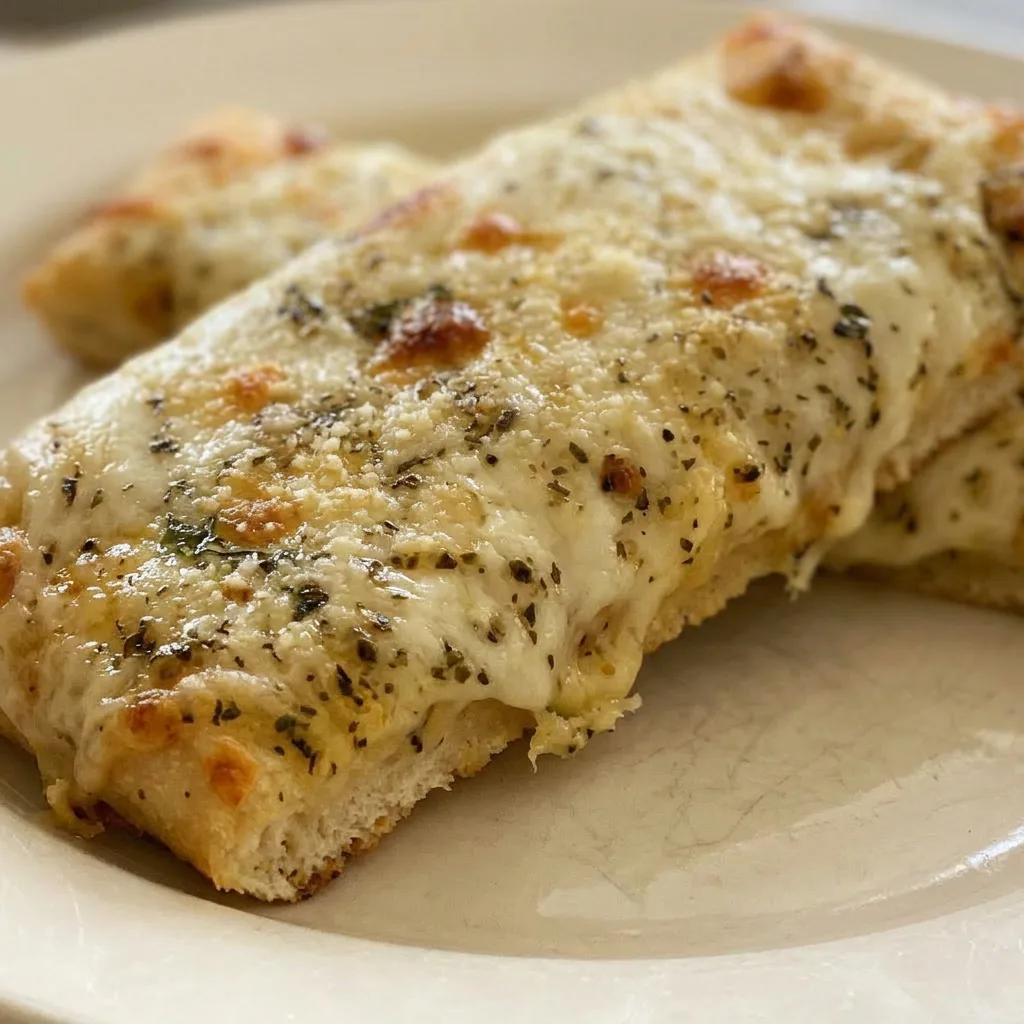
Prep: 15 min · Cook: 15 min · Total: 30 min · Servings: 16 · Calories: 190 kcal
What to know about the cheese and dough
Pizza dough: Go with a standard dough, not a thin-crust style, so it holds up under the cheese without getting doughy inside.
Mozzarella cheese: Buy a block of low-moisture mozzarella and grate it yourself; pre-shredded has anti-caking powders that hurt melt and texture.
Parmesan cheese: Finely grated Parmesan from a shaker works fine here; its dry, salty texture helps balance the mozzarella’s moisture.
Dried herbs: Use dried basil and oregano, not fresh, because fresh herbs will wilt and turn soggy under the heat of the oven.
Garlic butter comes first, cheese second
Set up and shape the dough
Preheat the oven to 425°F. Grease a baking sheet.
Stretch or roll the dough into a 12×10-inch rectangle, if it pulls back, let it rest five minutes. The shape doesn’t need to be; uneven edges just mean some breadsticks get a crustier end.
Brush with garlic butter
Mix melted butter with garlic powder and brush it evenly over the dough. You should see a glossy sheen. The butter soaks in slightly, creating a barrier that keeps the crust crisp underneath when the cheese melts.
Add the cheeses and herbs
Sprinkle mozzarella and Parmesan evenly over the buttered dough, then dust with basil, oregano, and optional salt. Don’t pile cheese too thick in one spot, it’ll slide off. The Parmesan will help the top brown in golden patches.
Bake until golden and bubbly
Bake for 12 to 15 minutes. The crust should be deep golden brown on the bottom and the cheese fully melted with brown spots. If the cheese browns too fast, the crust may still be pale underneath; let it finish baking until the bottom is firm.
Cut into breadsticks
Let the breadsticks cool on the pan for a minute, then slice them with a pizza cutter or sharp knife. Cut straight down, don’t saw.
You should hear a crisp crack. Serve with pizza sauce if you like.
Cheese Breadsticks
Ingredients
- 1 lb pizza dough, homemade or store-bought 454g
- 2 tbsp butter, melted
- 1 tsp garlic powder
- 2 cups shredded mozzarella cheese 225g
- 1/3 cup grated Parmesan cheese 40g
- 1/2 tsp dried basil
- 1/4 tsp dried oregano
- 1/4 tsp salt optional
Instructions
Preheat oven and prep pan:
Set oven to 425°F (220°C). Lightly coat a baking sheet, pizza stone, or pizza pan with grease; put aside.Shape dough into rectangle:
Shape the dough into a 12×10-inch rectangle by rolling or stretching (perfect shape not required).Brush with garlic butter and add cheese:
Mix melted butter with garlic powder; brush this mixture over the dough. Then layer on mozzarella, Parmesan, basil, oregano, and salt (if desired).Bake until golden and serve:
Bake for 12-15 minutes until the crust turns golden and the cheese is fully melted. Cut into breadsticks and offer with pizza sauce if wanted.
Storage and Serving
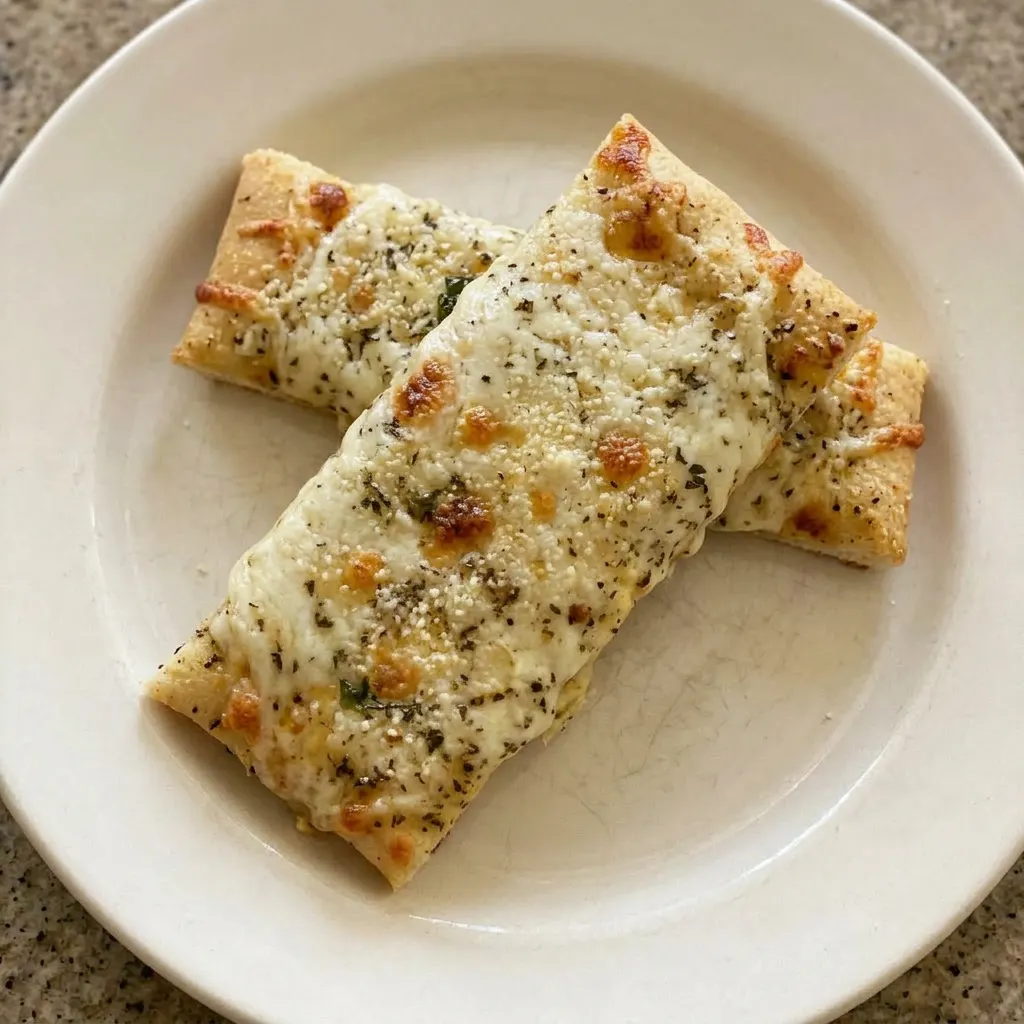
These breadsticks are best served within 30 minutes of baking while the cheese is stretchy and the crust is crisp. For leftovers, let them cool completely on a wire rack before storing to prevent condensation, which softens the crust. Place them in a single layer inside an airtight container lined with paper towels, and add another paper towel on top; change the towels daily to absorb moisture.
They’ll keep at room temperature for up to 2 days, but the crust loses crispness after day one. For longer storage, freeze the baked breadsticks on a tray until firm, then transfer to a freezer bag; they hold for up to 3 months.
Reheat directly from frozen on a baking sheet at 350°F for 5 to 7 minutes until hot and the crust re-crisps. Avoid microwaving, which makes them chewy and soft. If you make the dough ahead, it can be refrigerated for up to 24 hours before shaping and baking.
Swap the cheeses, but keep the dough
Mozzarella cheese: Provolone or dairy-free mozzarella. Provolone melts similarly but with a sharper, tangier flavor; dairy-free mozzarella (look for one made with coconut or potato starch) will melt but won’t stretch as much and may brown differently, watch the oven.
Parmesan cheese: Pecorino Romano or nutritional yeast. Pecorino is saltier and more pungent, so use the same amount but skip the optional salt; nutritional yeast gives a cheesy, savory flavor but won’t brown, top with a little paprika for color.
Pizza dough: Gluten-free pizza dough. Gluten-free doughs are often stickier and less elastic; you’ll need to press it into the rectangle with oiled hands or a wet spatula, and the baked texture will be more cakey than chewy.
Tips
- Let the dough rest at room temperature for 30 minutes before shaping. Cold dough is stiff and elastic; it pulls back when you try to stretch it. A 30 minute rest relaxes the gluten so the dough rolls or stretches into a rectangle without springing back, saving you time and frustration.
- Use a pizza stone preheated in the oven for 20 minutes. The stone’s intense heat transfers directly to the dough’s bottom, setting the crust quickly and preventing it from becoming soggy from the cheese. If you don’t have a stone, flip a baking sheet upside down and preheat that instead.
Frequently Asked Questions
Can I make these breadsticks ahead of time and reheat them?
Yes, but they’re best within 30 minutes of baking. For leftovers, cool completely on a wire rack, then store in an airtight container with paper towels at room temperature for up to 2 days. Reheat on a baking sheet at 350°F for 5 to 7 minutes to re-crisp the crust; avoid microwaving, which turns them chewy.
Why did my breadsticks turn out soggy in the middle?
Most likely the dough wasn’t brushed with garlic butter before adding cheese. That butter layer blocks moisture from the cheese soaking into the dough. If you did brush, the dough might have been too thick or the oven not hot enough, check that the bottom is deep golden brown and firm before pulling them out.
How do I get the cheese to brown nicely without burning the crust?
The Parmesan in the recipe is key, it browns faster and more evenly than mozzarella alone. If the cheese is browning too quickly, the crust underneath might still be pale; let it bake until the bottom is firm, not just the top golden. You can also move the pan to a lower rack for the last few minutes.
Can I use pre-shredded cheese from a bag?
You can, but the anti-caking powders in pre-shredded mozzarella prevent it from melting smoothly and can leave a gritty texture. Grating your own low-moisture mozzarella from a block gives a better melt and stretch. The Parmesan from a shaker is fine since it’s already dry.
What’s the difference between these and classic garlic bread?
Classic garlic bread is usually sliced bread or a split loaf topped with garlic butter and broiled. These start with pizza dough, so the texture is chewier and more breadstick-like. They also have a full layer of mozzarella and Parmesan melted on top, making them richer and more substantial.