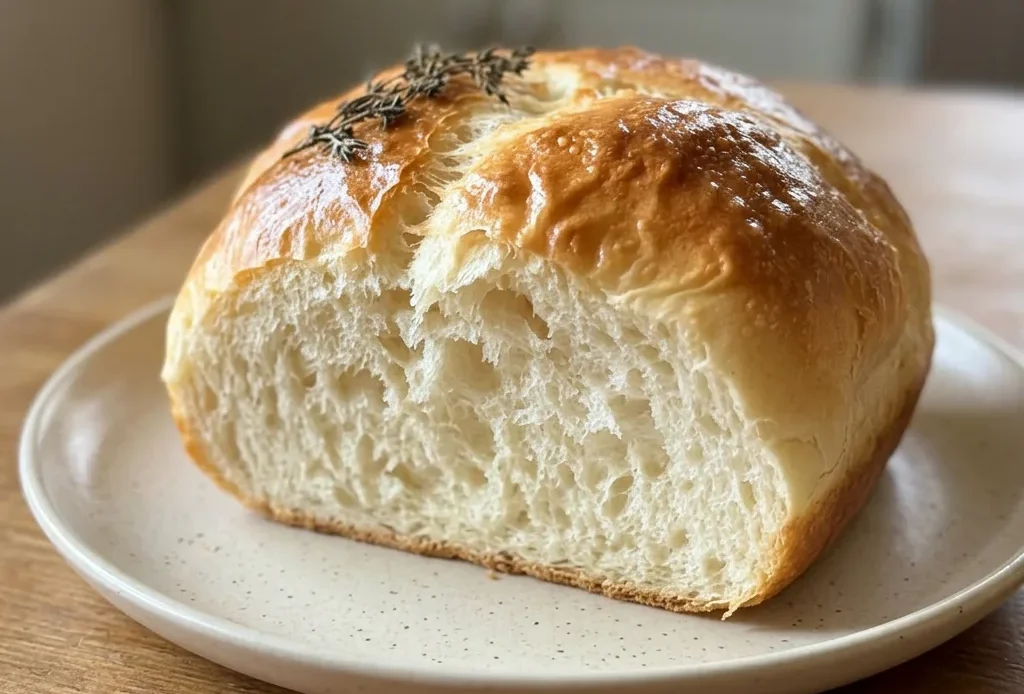
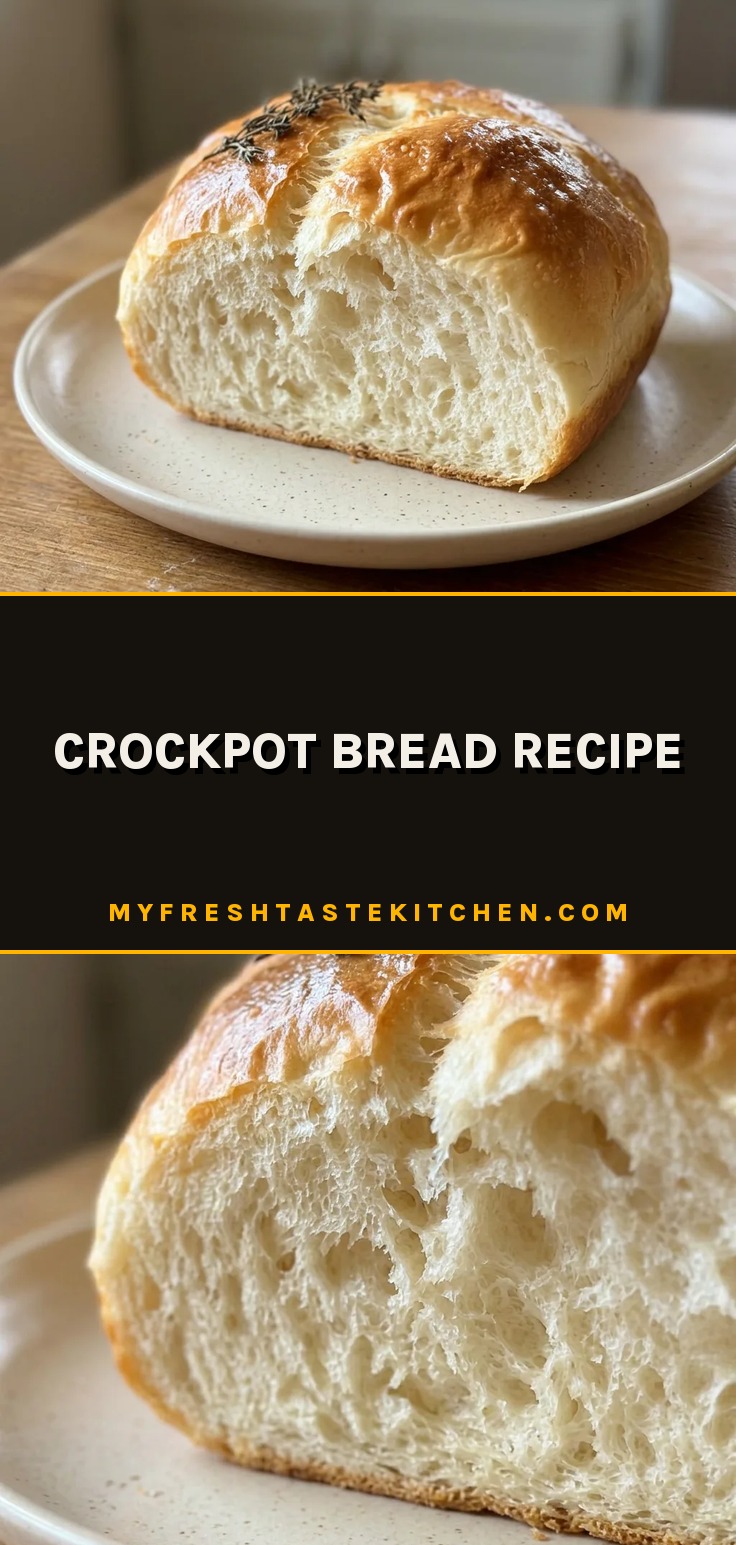
A slow cooker does what a dry oven can’t: it steams the loaf from start to finish. That trapped moisture keeps the crust flexible and the crumb tender, no crust-cracking or dry interior to fight. The catch is that a crockpot can’t crisp a crust, so you trade that crackle for a soft, sandwich-style loaf that’s a little forgiving on the shaping side, the dough stays sticky, not stiff.
This crockpot bread recipe works because it leans into the appliance’s weakness (no high heat) and turns it into the whole point: a gentle, even bake that leaves you with a uniformly moist loaf. The margin for error is wider than oven bread, as long as you proof the yeast first. That’s the only important.
The first time I made this, I poured in water straight from a rolling boil, killed the yeast, and ended up with a sad, dense brick. I felt pretty stupid staring at that flat lump in the crockpot.
Why does slow cooker bread have such a soft, tender crumb?
The crockpot’s enclosed, moist environment traps steam produced as the dough bakes. That steam surrounds the loaf, so the crust stays soft rather than forming the hard shell you’d get in a dry oven.
Because the slow cooker heats evenly and stays relatively low (high on most models is around 300°F), the interior cooks gently without the intense blast of a 425°F oven. The result is a uniformly tender crumb with a pliable crust, not a crackling one. If you’ve ever had bread that was crusty outside but dry inside, you’ll notice the opposite here: the moisture stays in the loaf, and the crust remains supple.
It’s a different texture from oven-baked bread, softer, almost sandwich-bread-like, and that’s exactly what this method delivers.
What’s the point of activating the yeast before mixing?
You want to confirm the yeast is alive before you commit it to flour. Warm water (110°F) wakes the yeast, and the sugar gives it a quick meal. Within 5 to 7 minutes you should see a thick, bubbly foam, that’s the yeast respiring, releasing carbon dioxide that will later raise the dough.
If nothing happens, your yeast is dead, and you’d waste flour and time if you mixed it in. Now I always use a thermometer to make sure the water is exactly 110°F before adding the yeast, so I get that frothy bloom. Without that proof, a crockpot’s low heat may not provide enough energy to get a sluggish yeast going, and you’d end up with a dense brick.
The froth guarantees a vigorous rise, even in the slow cooker’s gentle environment.
Why keep the dough slightly sticky rather than adding more flour?
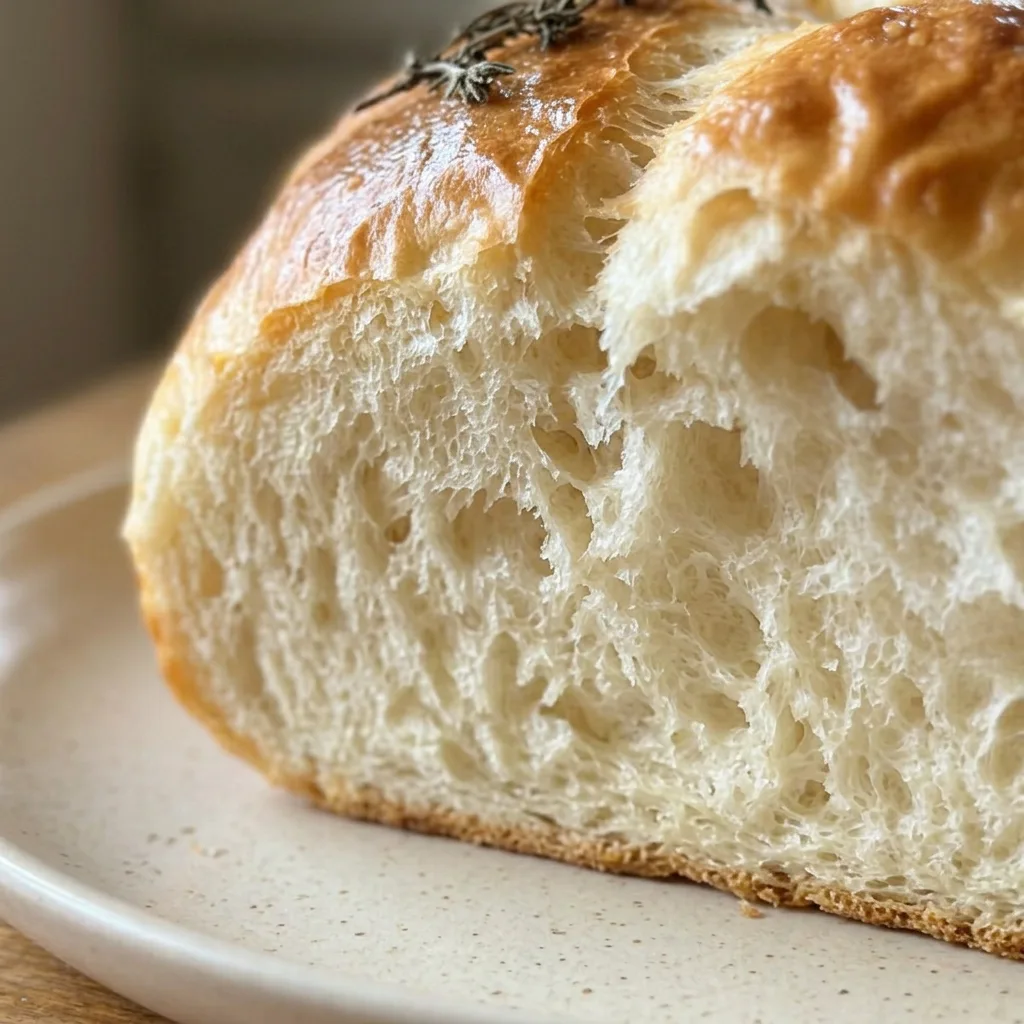
A sticky dough (not a wet batter, but tacky to the touch) holds more water. That water turns to steam in the crockpot, which helps the dough rise and keeps the crumb airy and moist.
Add too much flour and you tighten the gluten network, making the bread dense and dry. In the slow cooker, there’s no violent oven spring to open up a stiff dough, so you need that extra moisture to allow expansion.
You can tell the dough is right when it clings to your finger but releases cleanly when pulled, it shouldn’t stay stuck in a blob. The steam from that hydration is what gives the soft, open texture you’re after. If it feels dry and smooth, you’ve gone too far.
Prep: 15 min · Cook: 1 hr · Total: 1 hr 15 min · Servings: 8 · Calories: 150 kcal
What to know about the ingredients for crockpot bread
Flour: Bread flour gives more chew; all-purpose keeps it tender. Either works, just don’t swap whole wheat cup for cup.
Yeast: Active dry, not instant. Proof it in warm water first to confirm it’s alive before mixing the dough.
Sugar: Just a tablespoon feeds the yeast for a good rise. Not enough to make the bread sweet.
Olive oil or melted butter: Adds richness and softness. Use a mild olive oil so it doesn’t overpower the bread’s flavor.
Step by Step: Making Crockpot Bread
Proof the yeast
Stir the sugar and yeast into warm water until dissolved. After 5 to 7 minutes, you should see a thick, bubbly foam on top. If not, the yeast is dead, start over with fresh yeast.
Mix the dough
Add flour, salt, and oil to the yeast mixture. Stir until a shaggy, slightly sticky dough forms. It should cling to your finger but release cleanly, add no extra flour.
Shape and place in crockpot
Grease the crockpot insert lightly with oil. Scrape the dough in and spread it evenly to the edges. The surface will be bumpy, don’t smooth it, that’s fine.
Cook on high
Cover and cook on high for 2 hours. The bread will rise and turn golden. To check doneness, insert a toothpick in the center, it should come out clean.
Remove and cool
Lift the bread out with parchment or a spatula. Set it on a rack and let it cool 10 to 15 minutes before slicing. The crust will soften as it sits.
Crockpot Bread Recipe – No Oven Needed
Ingredients
- 3 cups all-purpose flour 375 grams
- 1 packet active dry yeast 2 1/4 teaspoons or 7 grams
- 1 tablespoon sugar
- 1 teaspoon salt
- 1 cup warm water 110°F (45°C) or 43°C
- 2 tablespoons olive oil or melted butter
Instructions
Activate yeast mixture:
In a large bowl, combine warm water, sugar, and yeast; whisk together and let sit until frothy, 5-7 minutes.Mix dough ingredients:
Into the yeast mixture, add flour, salt, and olive oil; stir and fold until a cohesive, slightly sticky dough forms.Grease crockpot insert:
Coat the crockpot’s ceramic insert lightly with olive oil to prevent sticking.Spread dough in crockpot:
Place the dough into the greased crockpot; use a spatula or your hands to spread it evenly across the bottom.Cook bread on high:
Put the lid on and cook on high until the bread has risen and turned golden, about 2 hours. To test for doneness, insert a toothpick or knife into the center; it should come out clean, and the exterior should be golden and slightly crisp.Remove bread from crockpot:
Using parchment paper or a spatula, carefully lift the bread from the crockpot and move it to a cooling rack.Cool bread before slicing:
Allow the bread to cool for 10-15 minutes before slicing to let internal moisture stabilize and prevent crumbling.
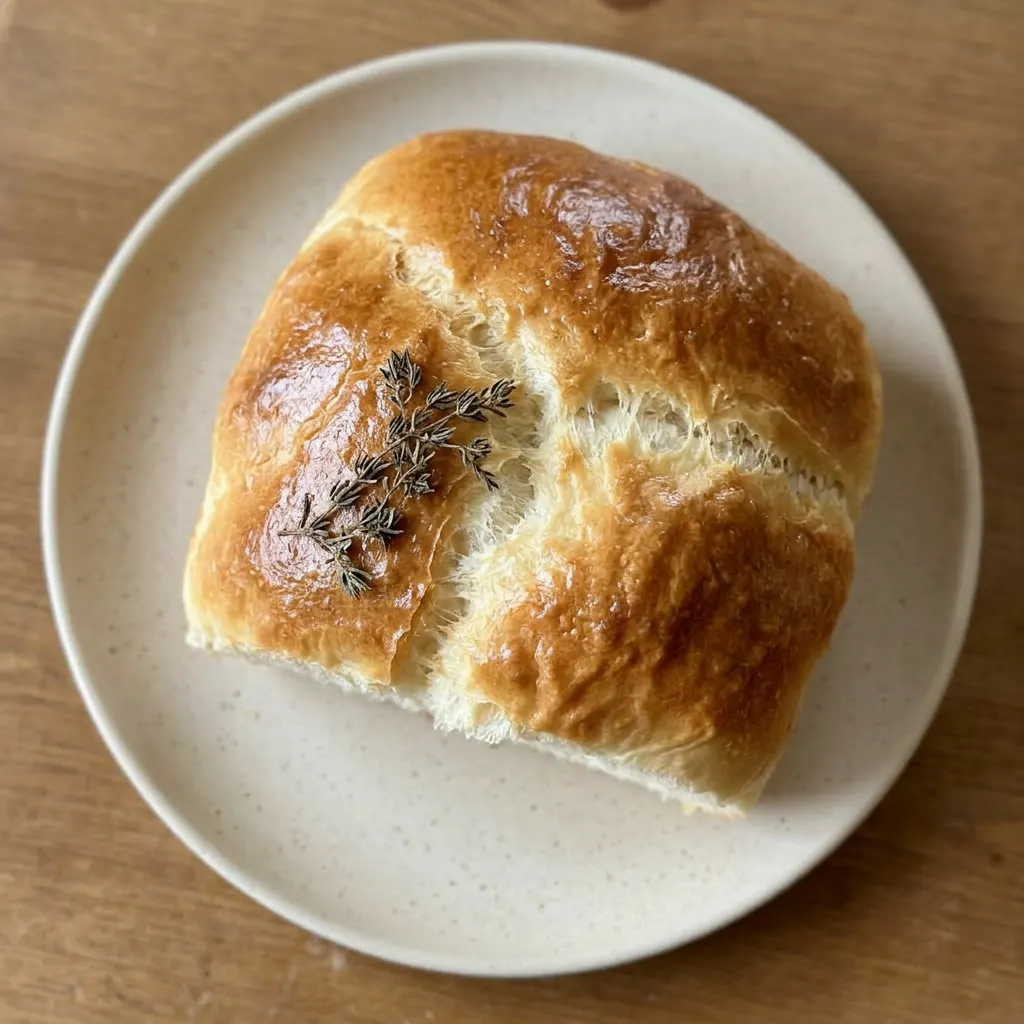
Storing and Serving Crockpot Bread
Cool the bread completely before storing, about 30 minutes after it comes off the rack. For the softest crust, keep it in a paper bag at room temperature for up to 2 days. A plastic bag will trap moisture and make the crust soggy.
If you want to extend its life, wrap the cooled loaf tightly in plastic wrap and then foil, and freeze for up to 3 months. Thaw at room temperature, still wrapped, to prevent condensation. Reheat slices in a toaster or a 350°F oven for 5 minutes to restore a slight crust.
The bread is best the day it’s made, when the crumb is most tender. Leftovers will firm up slightly but remain pleasant for sandwiches or toast. Don’t refrigerate; it speeds staling.
The bread does not need any finishing touch beyond cooling before slicing.
Tips
- Use a kitchen thermometer to confirm the water is exactly 110°F (43°C); water that is too hot (above 130°F) will kill the yeast, and water that is too cool (below 100°F) will not activate it fully, leading to a dense loaf.
3 swaps that actually work for slow cooker bread (and 1 that doesn’t)
All-purpose flour: Bread flour (same volume or weight). Bread flour has more protein, which builds stronger gluten. You’ll get a chewier crumb with slightly more height, but the crust stays just as soft.
Active dry yeast: Instant yeast (same amount, skip proofing step). Instant yeast doesn’t need proofing; you can mix it directly with the flour.
But if you still proof it in warm water, it will work, just don’t wait for foam, it’s not necessary. The rise will be slightly faster.
Olive oil: Melted butter (same amount). Butter adds a richer, slightly savory flavor and a softer crumb.
Use unsalted to control salt. The bread will be a bit more tender and the crust a touch more golden.
All-purpose flour: Whole wheat flour (replace no more than 1 cup, add 1 tablespoon extra water). Whole wheat absorbs more liquid and weakens gluten.
The bread will be denser, less airy, and taste nuttier. Replace only part of the white flour and add a little water to keep it from drying out.
Frequently Asked Questions
Can I use bread flour instead of all-purpose flour?
Yes. Bread flour’s extra protein builds a chewier crumb, and the loaf may rise a hair taller.
The crust stays just as soft because the crockpot traps steam. If you prefer a more tender, sandwich-style texture, stick with all-purpose.
My bread didn’t rise much in the crockpot, what went wrong?
Most likely the yeast was dead before it went in. That frothy layer after 5 to 7 minutes is your only guarantee it’s alive.
If the water was too hot (over 130°F) it killed the yeast; too cool (under 100°F) and it never woke up. Next time, use a thermometer to hit 110°F exactly.
Can I make this bread ahead and reheat it?
Yes, but it’s best the day it’s made. Cool completely, then store in a paper bag at room temperature for up to 2 days. To revive, toast slices or warm them in a 350°F oven for 5 minutes.
Freeze the cooled loaf wrapped tightly for up to 3 months, then thaw wrapped at room temperature.
How is crockpot bread different from oven-baked bread?
The crockpot’s moist, enclosed environment steams the loaf, so the crust stays soft and pliable instead of crisp and crackling. The gentle, even heat (around 300°F on high) bakes the interior without the dry blast of a hot oven, giving a uniformly tender, almost sandwich-bread-like crumb. You get no hard crust or dry interior, just a soft, moist loaf from edge to center.