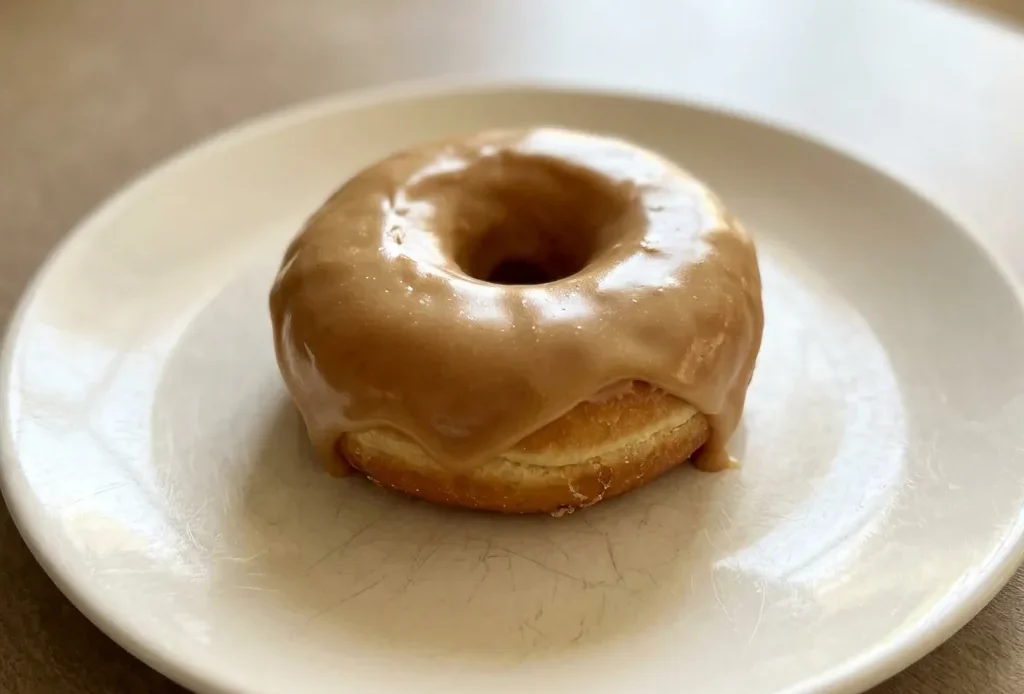
This is not a drizzle that disappears into the dough. It’s a glossy, set coating that clings to the surface and stays soft. The butter-to-syrup ratio is the hinge: too little fat and the glaze turns grainy as it cools.
For a maple glaze for donuts recipe, that balance means the difference between a smooth, shiny finish and a crystallized mess.
Why does the butter-to-syrup ratio matter?
Butter supplies fat that stops sugar from crystallizing as the glaze cools. Without enough fat, the glaze would turn grainy or seize up. Maple syrup brings its own sugars and water; that water thins the glaze, while the sugars help it set.
Too little syrup and the glaze stiffens into a paste. Too much and it runs off the donut.
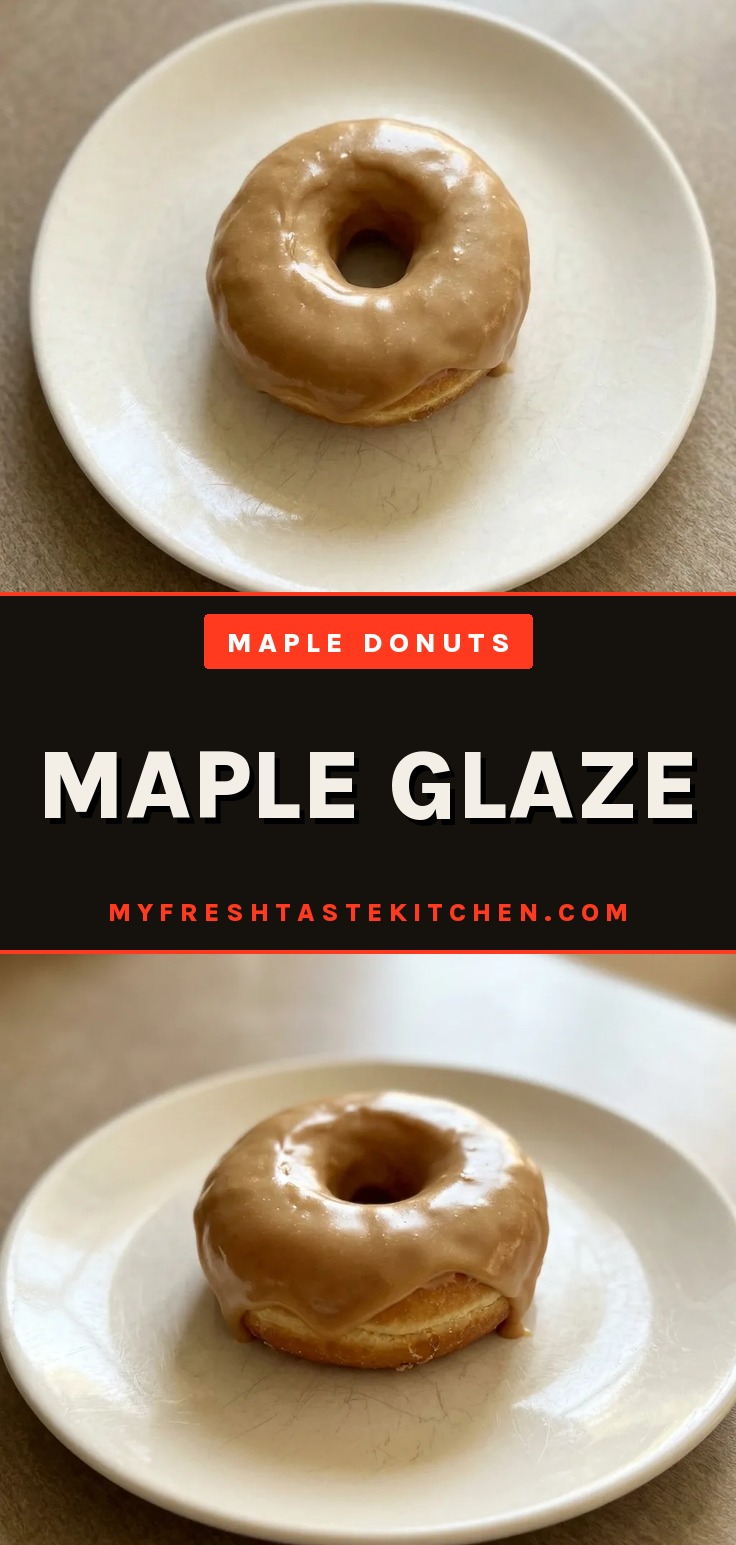
The balance here, 3 tablespoons butter to 1/3 cup syrup, keeps the glaze fluid enough to pour but thick enough to cling in a thin, even coat. You’ll see it settle into a smooth, glossy layer that doesn’t drip off the sides.
How maple syrup grade changes the glaze flavor
For maple donuts, the syrup grade shifts how the glaze tastes. Grade A light amber gives a mild, delicate maple note, good if you want a subtle backdrop.
Grade A dark amber (once called Grade B) packs a stronger, almost caramelized punch. Very Dark (the old Grade B) pushes into bold, molasses-like territory. The powdered sugar’s sweetness stays constant, so a darker syrup makes the glaze taste less sweet overall because its assertive maple flavor masks the sugar.
Taste the syrup alone, then imagine it cut with sugar and butter to decide which intensity you want on your donuts.
Why powdered sugar instead of granulated?
Powdered sugar contains a small amount of cornstarch, which helps thicken the glaze without needing heat. It dissolves instantly in the warm butter-syrup mix, giving a silky-smooth texture.
Granulated sugar would stay gritty unless you heated the mixture enough to dissolve it completely, and even then the glaze might turn out thinner or require longer cooking. The cornstarch also helps the glaze set into a soft, opaque coating rather than a hard crackly shell. You get a glaze for donuts that flows over the surface and stays pliable when it dries.
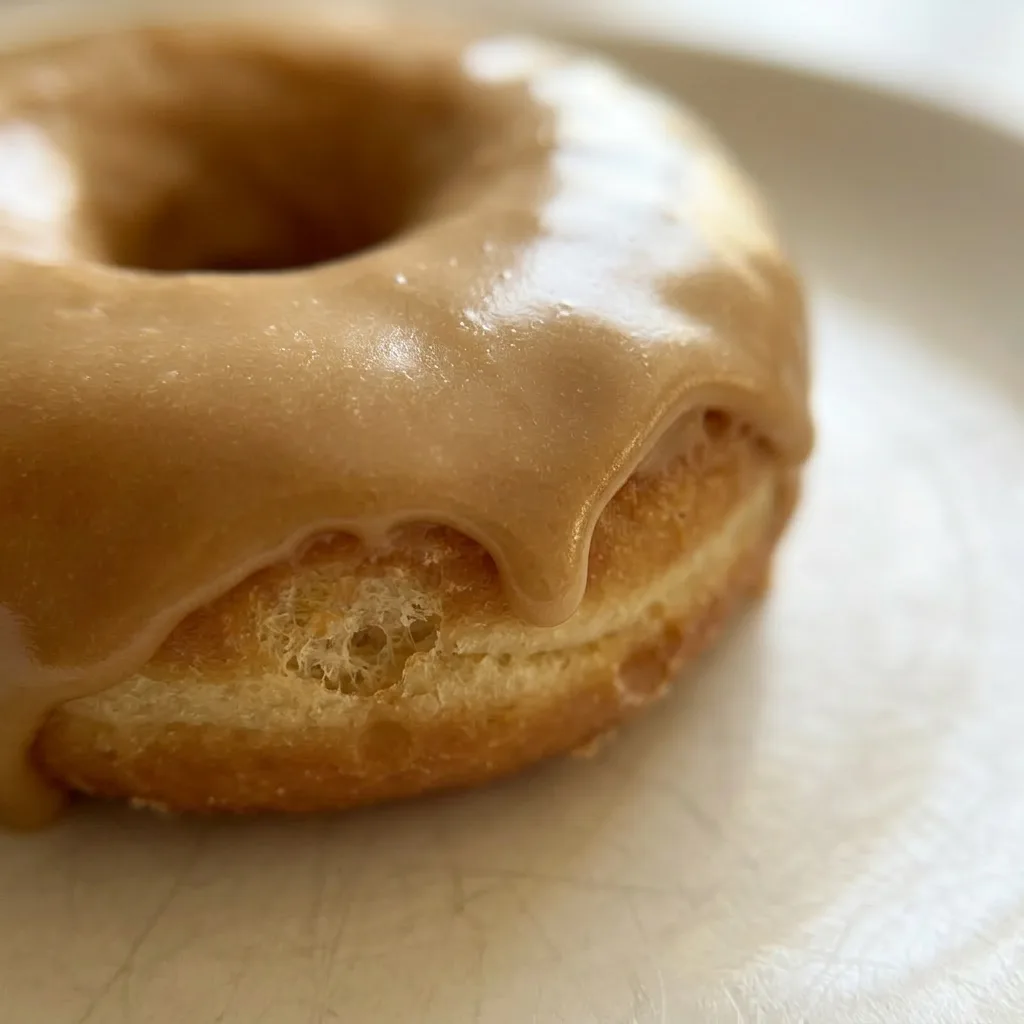
Prep: 2 min · Cook: 3 min · Total: 5 min · Servings: 12 · Calories: 110 kcal
Butter grade and form
Butter: Use unsalted butter to control the salt level; salted butter can make the glaze taste noticeably salty.
Maple syrup: Avoid imitation maple syrup; it has a corn syrup base that thins the glaze and tastes artificial.
Powdered sugar: Do not substitute with granulated sugar; the cornstarch in powdered sugar is key for the glaze’s smooth set.
How to tell when the glaze is ready
Melt the butter
Set the pan over medium heat and swirl as the butter melts. Stop as soon as it’s fully liquid, before it browns. You just want it liquefied, not foaming or nutty-smelling.
Whisk in the maple syrup
Pour the syrup into the melted butter and whisk until the mixture looks uniform, about 15 seconds. It should be glossy and fluid, not separated. Take the pan off the heat immediately.
Add vanilla, then sugar
Stir in the vanilla, then add the powdered sugar a few tablespoons at a time. After each addition, whisk until no lumps remain. The glaze will look thin at first, then thicken as you add more sugar.
Adjust the consistency
You want a glaze that flows off the whisk in a thick ribbon and holds a slight mound for a second before flattening. If it’s too thin, whisk in more powdered sugar a tablespoon at a time. Too thick?
Add maple syrup drop by drop.
Glaze the donuts
Pour the warm glaze over donuts set on a wire rack, or dip each donut directly into the saucepan. Lift and let excess drip off, then flip right-side up. The glaze will set in about 10 minutes into a soft, opaque coat.
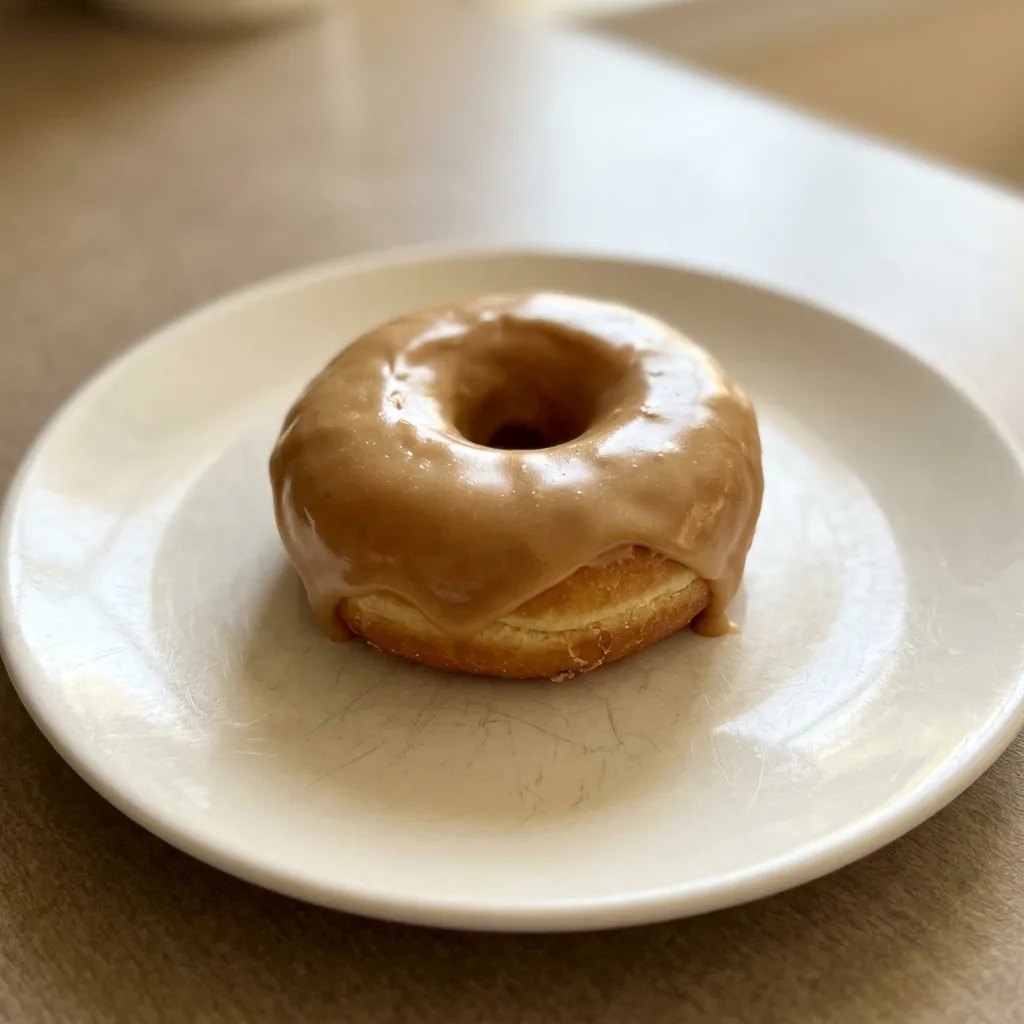
Maple Glaze for Donuts Recipe
Ingredients
Method
Liquefy the butter:
In a small saucepan set over medium heat, liquefy the butter.Whisk in maple syrup:
Add the maple syrup and stir with a whisk until fully incorporated, then take the pan off the heat.Mix in vanilla and sugar:
Mix in the vanilla extract, gradually add the powdered sugar, and incorporate the salt, stirring until the mixture is smooth.Glaze baked items:
Pour the glaze over baked items of your choice or submerge donuts directly into it.
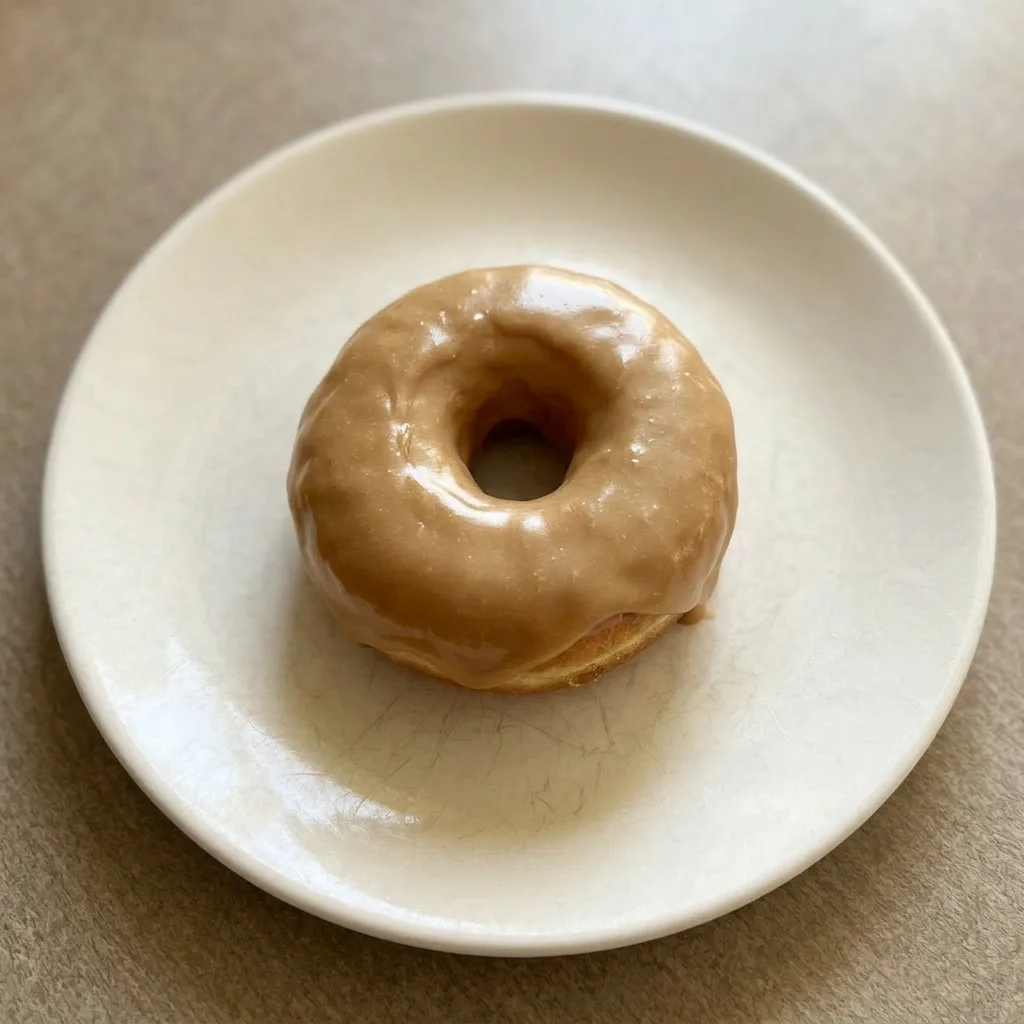
Storing and Serving Maple Glaze
Use leftover glaze within a week. Refrigerate it in an airtight container; the glaze thickens as it cools, turning into a spreadable paste. To restore its pourable consistency, reheat gently in a saucepan over low heat or in short bursts in the microwave, whisking until smooth.
If it seems too thick after warming, stir in a teaspoon of maple syrup or milk. The glaze sets on baked goods in about 10 minutes, so glaze donuts or pastries just before serving for the glossiest finish. Once glazed, eat within a few hours; the coating stays soft and pliable, but over time it can absorb moisture from the air and become sticky.
Do not freeze the glaze; the texture breaks when thawed. If you have leftover unglazed donuts, freeze them and glaze after thawing.
What to swap (and what to leave alone) in maple glaze
Maple syrup: Honey or agave syrup. Honey gives a floral sweetness that overpowers the maple; the glaze tastes like honey, not maple. Agave is milder and thinner, making the glaze runnier, you’ll need more powdered sugar to thicken it back up.
Butter: Vegan butter or coconut oil. Vegan butter works one-for-one; the glaze sets the same.
Coconut oil (refined, solid at room temp) also works, but the glaze will taste faintly of coconut and may feel slightly greasy. Use the same amount by weight.
Powdered sugar: Homemade powdered sugar (1 cup granulated + 1 tbsp cornstarch, blended). Blend until fine and powdery. The cornstarch is important, without it the glaze won’t thicken properly and will turn grainy.
Start with 1 cup of the blend and adjust up.
Tips
- Dip a metal spoon into the warm glaze and hold it horizontally: the glaze should fall in a continuous ribbon that folds back into the surface after a second. If it drips off in separate drops, whisk in more powdered sugar a tablespoon at a time.
- If the glaze thickens too much while you work, set the saucepan back over low heat for 5 to 10 seconds and stir; do not microwave the whole batch, as uneven heating can cause the butter to separate.
Frequently Asked Questions
Can I make this glaze ahead of time and reheat it?
Yes, refrigerate it in an airtight container for up to a week. When you reheat, warm it gently over low heat or in short microwave bursts, whisking until smooth, it will thicken as it cools, turning into a spreadable paste, but returns to pourable consistency with gentle heat. If it seems too thick after warming, stir in a teaspoon of maple syrup or milk.
Why did my maple glaze turn out grainy or crystallized?
Most likely you used granulated sugar instead of powdered sugar, the cornstarch in powdered sugar prevents crystals from forming. If you used the right sugar, the butter-to-syrup ratio might be off: too little butter means less fat to stop crystallization as the glaze cools. Reheat it gently with a tablespoon of butter and whisk until smooth, then use it right away.
How thick should the glaze be for dipping donuts vs. drizzling over cake?
For dipping donuts, aim for a glaze that flows off the whisk in a thick ribbon and holds a slight mound for a second before flattening, it should coat the back of a spoon without dripping rapidly. For drizzling over cake, thin it slightly by adding a drop or two of maple syrup until it flows smoothly off the spoon in a steady stream. Adjust with a tablespoon of powdered sugar to thicken or a drop of syrup to thin.
