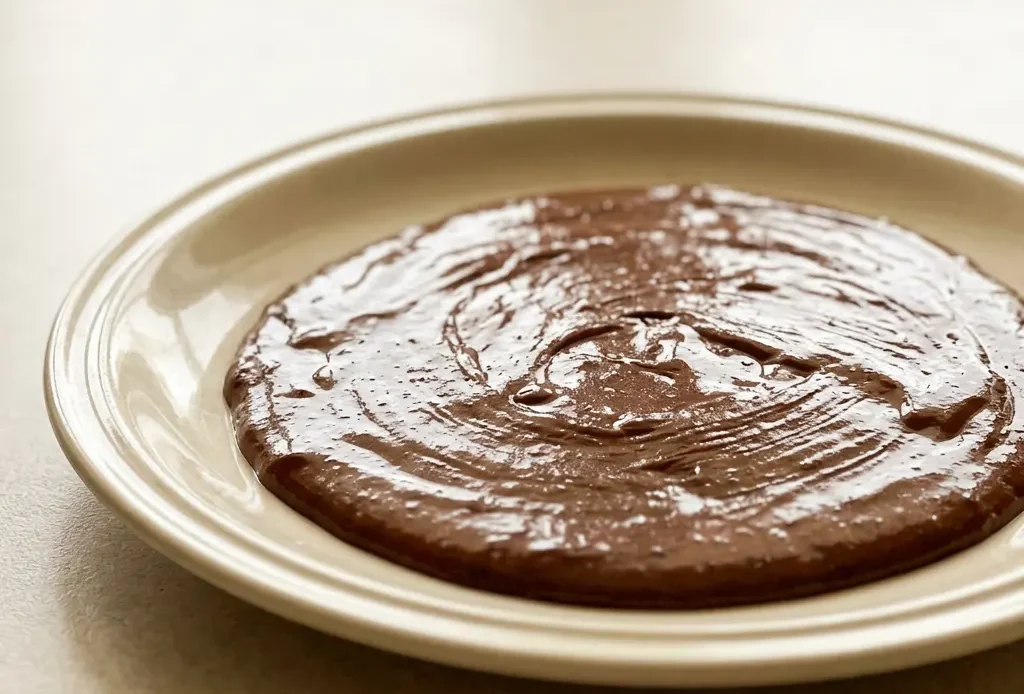
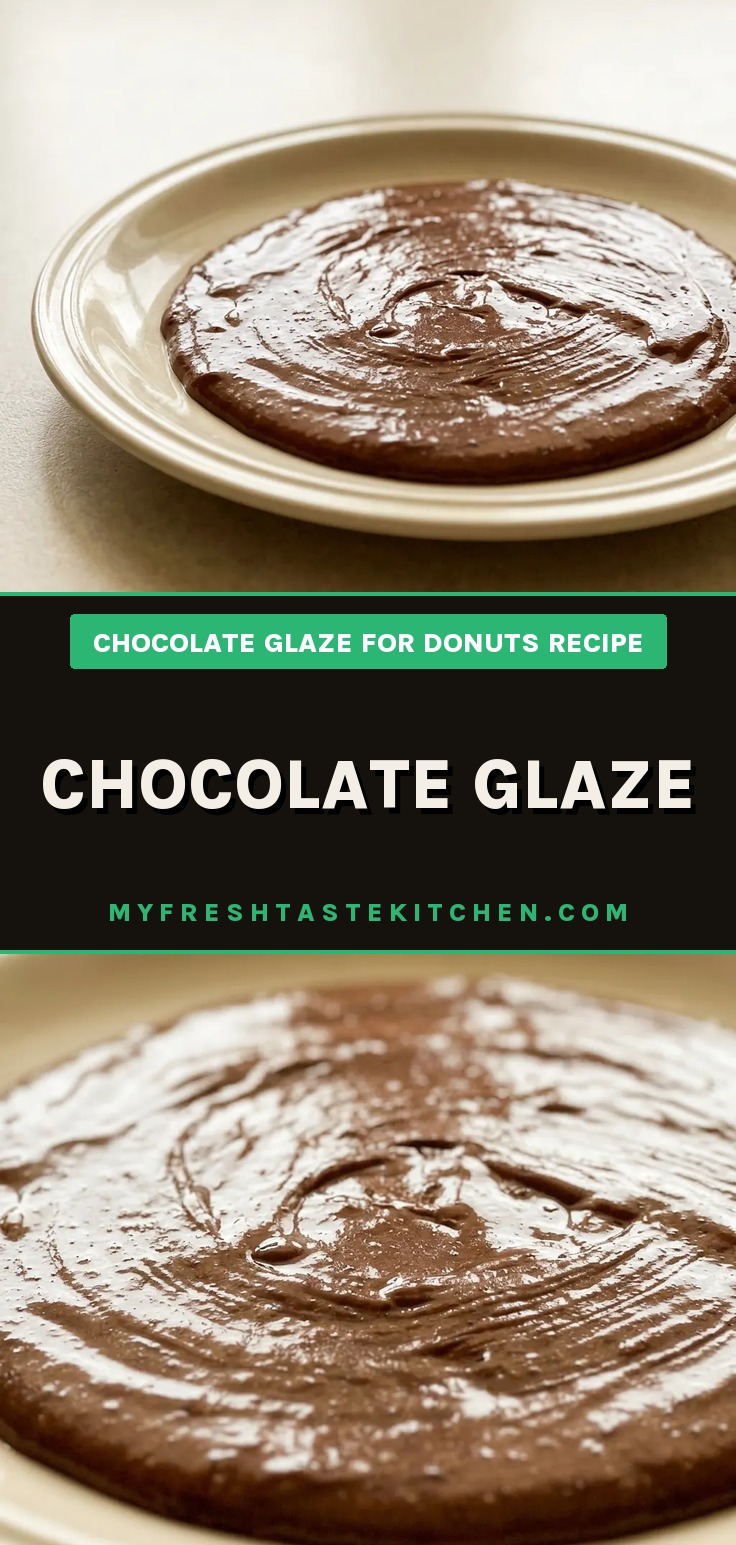
This isn’t a ganache, it’s a 5-minute whisked glaze that sets glossy and firm, no heat required. The trick is the fat-to-sugar ratio: heavy cream gives it body, and sifting keeps it smooth. One wrong pour of liquid and you’ll be fighting thinness or grit, but when it’s right, this chocolate glaze coats a donut with a candy-like shell that looks like you fussed for hours.
Why is sifting powdered sugar and cocoa powder so important?
Powdered sugar clumps from moisture or sitting on the shelf, and cocoa powder has its own stubborn lumps. If you skip sifting, those lumps stay in the glaze, no matter how much you whisk. You’ll feel them on your tongue, a gritty texture that ruins an otherwise silky finish.
Sifting breaks them down before any liquid hits, so the glaze stays smooth from the start. The motion is quick, but the payoff is a uniform, lump-free consistency you can see as you stir.
How heavy cream versus milk changes the glaze
Heavy cream gives a richer mouthfeel and a thicker body right from the whisk. The fat content means less liquid is needed, so the glaze sets up with a dense, silky coat.
Milk, being thinner, requires more volume, 4 to 6 tablespoons, and you skip the extra water to keep the texture right. The result is a lighter glaze, still pourable but less rich.
For a chocolate glaze for donuts recipe where you want that glossy, clingy layer, cream is the go-to; milk works but gives a leaner finish.
What makes this glaze for dipping and drizzling?
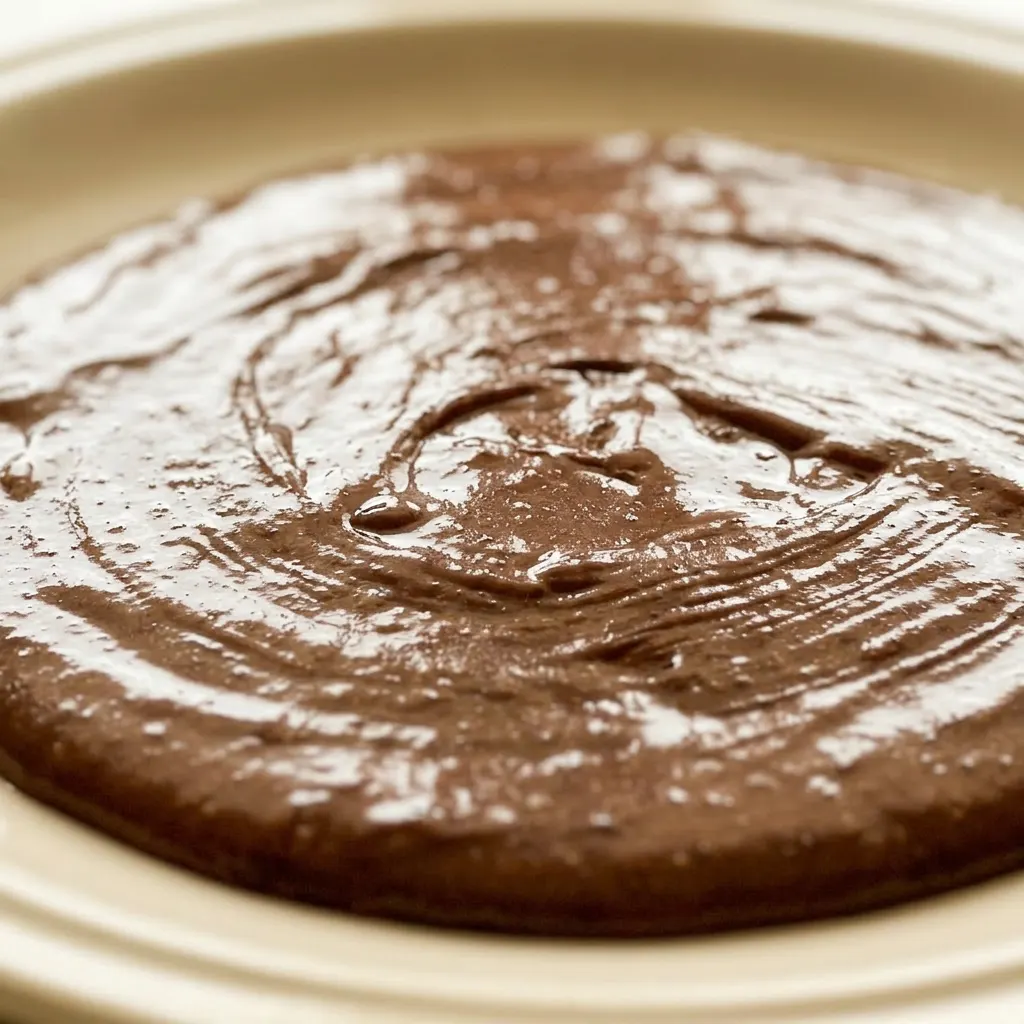
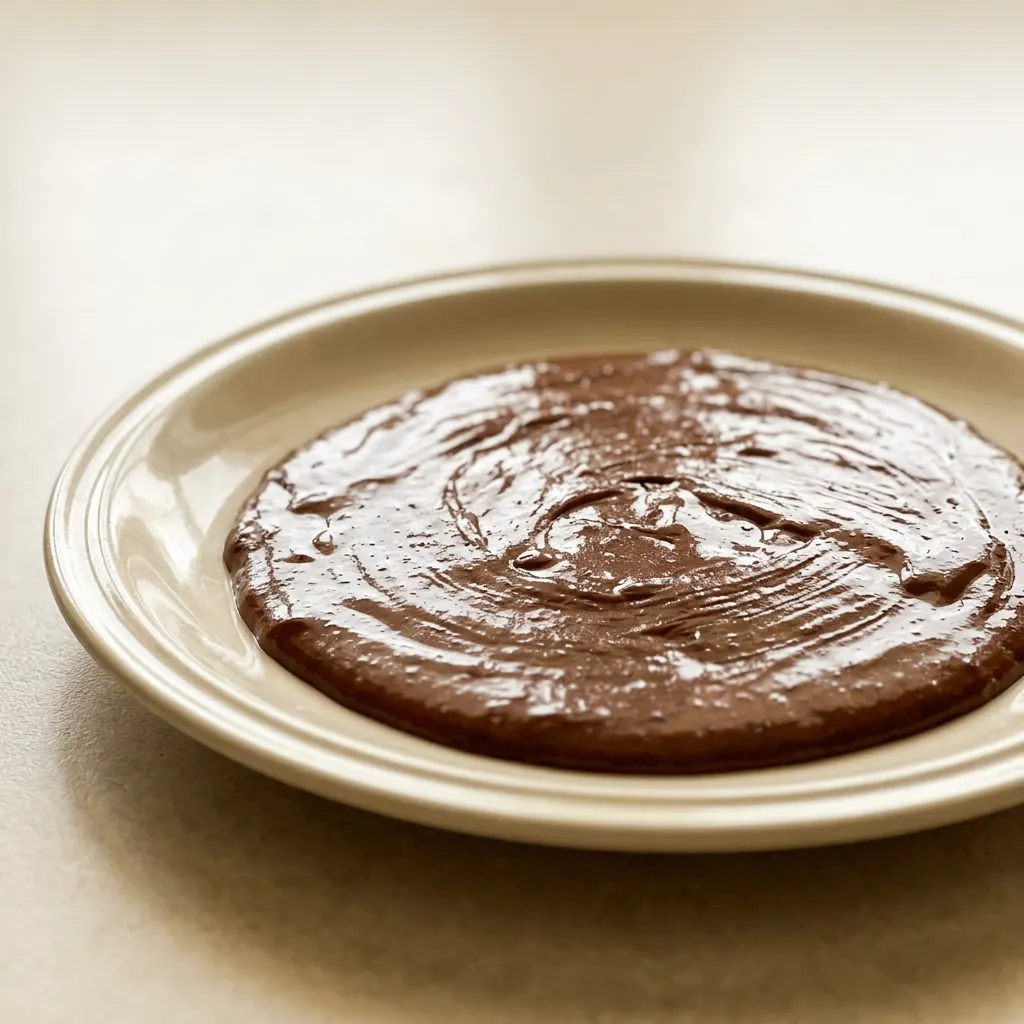
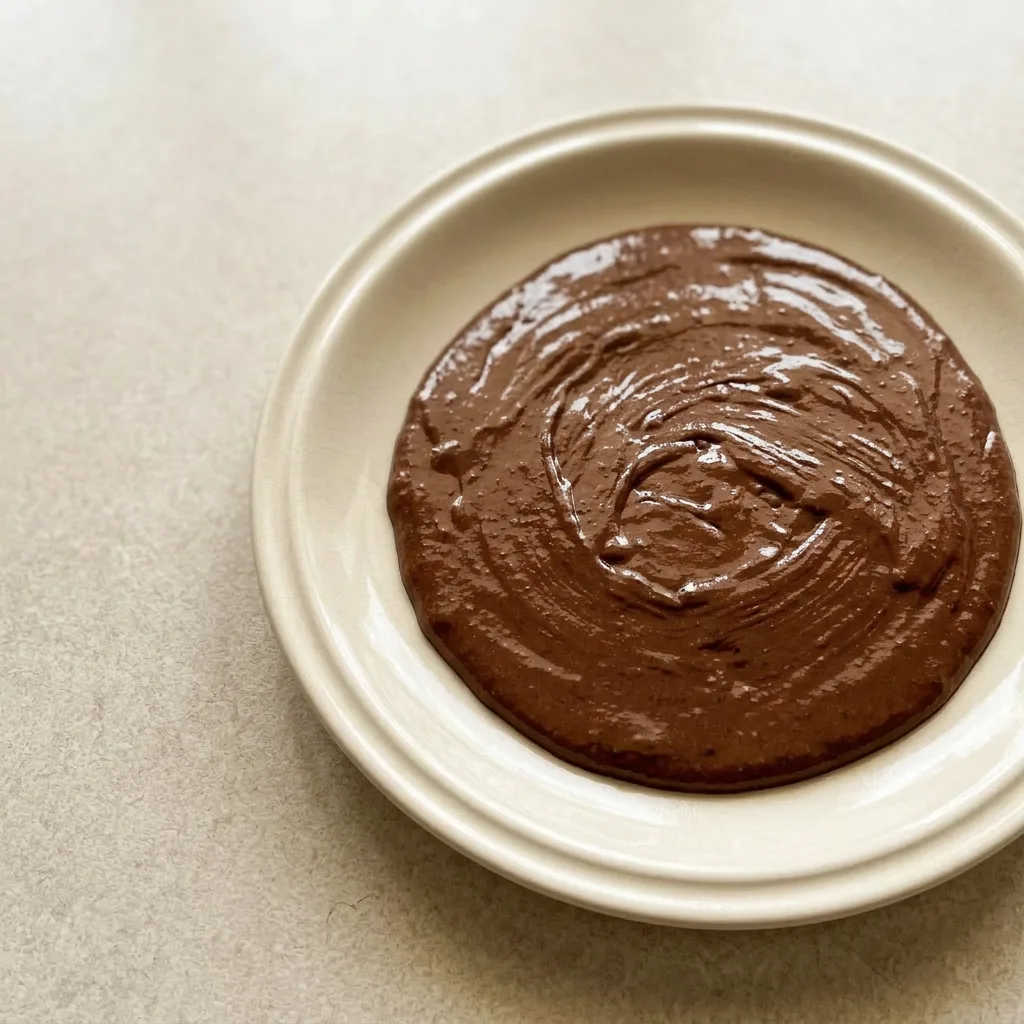
The glaze pours like thick cream and coats a donut evenly, then sets to a smooth, shiny surface that doesn’t slide off. That balance comes from the ratio of sugar to liquid, it’s thick enough to cling, but fluid enough to level out.
For drizzling over cookies or muffins, you can thin it with a teaspoon of water to make it run slower and neater. The finish stays glossy, not chalky, so it looks as good as it tastes.
It’s a versatile texture that works on anything from a cake to a batch of glazed donuts.
Prep: 5 min · Total: 5 min · Servings: 1
What to know about the ingredients for this glaze
Powdered sugar: Buy a fresh box; stale sugar picks up off flavors from the pantry.
Cocoa powder: Natural or Dutch process both work; Dutch gives a darker, more mellow chocolate taste.
Heavy cream: Use heavy cream, not half and half; you need the fat for richness and body.
Vanilla extract: Pure vanilla extract, not imitation, for a clean, round flavor.
Making the Chocolate Glaze
Sift the dry ingredients
Sift powdered sugar and cocoa together into a bowl. No lumps should remain; if you see any, press them through the sieve.
Add cream and vanilla
Pour in the cream and vanilla, whisking steadily. The mixture will look clumpy at first, then smooth out as you stir.
Adjust the consistency
Add water or milk a tablespoon at a time until the glaze runs off the whisk in a thick, steady ribbon. It should coat the back of a spoon but still flow.
Check for thickness
For dipping donuts, the glaze should cling and not drip off too fast. For drizzling, thin with another teaspoon of water until it falls in a fine stream.
Chocolate Glaze (for Donuts, Cake & More)
Ingredients
Method
Sift dry ingredients:
Using a sifter or fine-mesh sieve, combine the powdered sugar and cocoa powder in a medium bowl to eliminate lumps.Whisk glaze to consistency:
Gradually incorporate the cream and vanilla while whisking continuously until a silky, pourable glaze develops. Add water (or milk) as needed. If substituting milk for cream, use 4 to 6 tablespoons of milk and omit the water. For a thicker glaze, adjust with an additional teaspoon of water until it’s smooth and thick. Ideal for dipping donuts or drizzling over cookies, muffins, or cake. Yields enough for a minimum of 12 donuts.
How to swap the liquid and keep the glaze silky
Heavy cream: Milk (any percentage), use 4 to 6 tablespoons and omit the water. The glaze turns out thinner and less rich. It still pours and sets, but the coating feels lighter and less silky on your tongue.
Heavy cream & water: Full-fat coconut cream (canned, solid part), use 60 ml total, thin with water if needed to match the recipe’s liquid volume. You get a dairy-free glaze that’s still thick and glossy. The coconut flavor is subtle but present; if that bothers you, use a neutral dairy-free creamer instead.
Heavy cream & milk: Any plain unsweetened dairy-free milk (like oat or almond), use 4 to 6 tablespoons and skip the water. Works, but expect a thinner, less clingy glaze.
It won’t set as firmly and may soak into cake or donuts more. For a thicker result, reduce the liquid or add a spoonful of melted coconut oil.
Tips
- Let cream and vanilla sit out for 15 minutes before mixing: cold cream makes the glaze seize up and turn matte instead of glossy.
- Use a metal bowl for mixing: plastic bowls can hold static that attracts powdered sugar dust, creating dry spots that dull the shine.
Storing and Serving Chocolate Glaze
This glaze is best used right after making: it pours smoothly and sets with a glossy sheen. If you need to store leftover glaze, transfer it to an airtight container and keep at room temperature for up to 2 days.
The glaze will thicken as it sits, so before using, reheat it gently in the microwave in 10-second bursts, stirring until it returns to a pourable consistency. Do not refrigerate; cold temperatures will cause the sugar to crystallize and the texture to become grainy. Freezing is not recommended: the dairy and sugar separate upon thawing, leaving a broken, watery glaze that won’t re-emulsify.
For best results, make only what you need and serve immediately. If you have leftover glaze, plan to use it within the same day or the next for the smoothest finish.
Frequently Asked Questions
Can I make this glaze ahead of time?
Yes, but it’s best made fresh. If you must, store it airtight at room temperature up to 2 days. It will thicken; reheat gently in 10-second microwave bursts, stirring until pourable again.
Do not refrigerate, cold crystallizes the sugar into grains. Freezing breaks the emulsion, leaving a watery mess.
Why did my glaze turn out too thick or too thin?
Too thick usually means you added too little water or milk, the recipe calls for up to 2 tablespoons of water (or milk if using cream). Too thin means you added too much liquid; the glaze should run off the whisk in a thick, steady ribbon. For a fix: thin with a teaspoon of water at a time, or thicken by whisking in a little more sifted powdered sugar.
How is this chocolate glaze different from a classic ganache?
Ganache is melted chocolate and cream, set by cooling. This glaze uses powdered sugar and cocoa, so it’s ready instantly with no heating, just whisk.
It sets by evaporation, not fat solidification, giving a glossy, candy-like shell rather than a soft, fudgy layer. The texture is lighter and more like a poured fondant.
