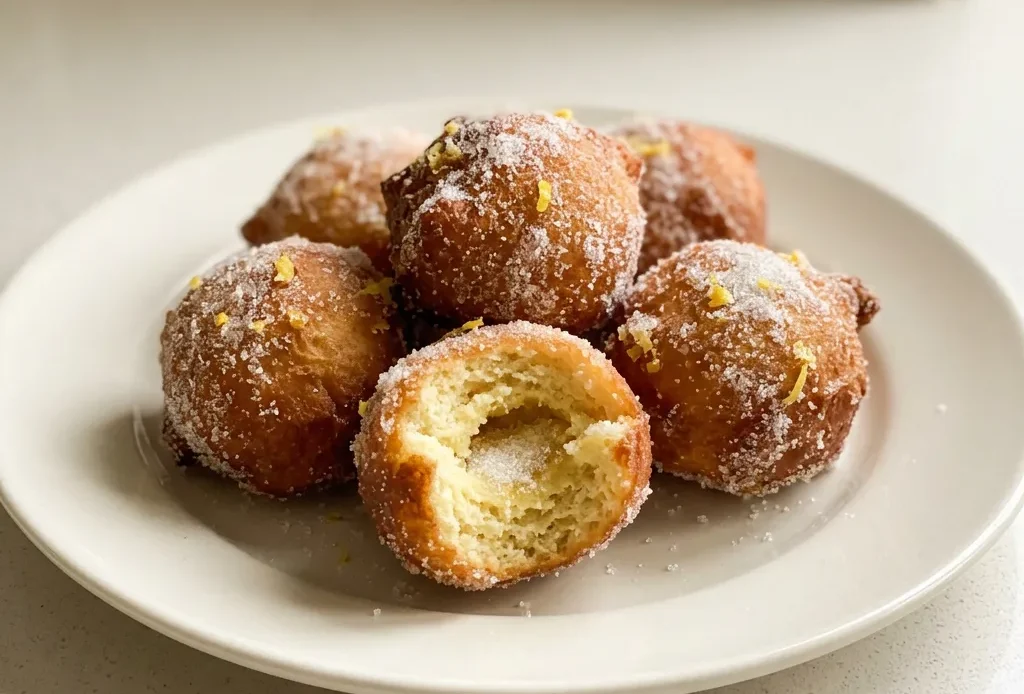
These are not the fluffy, yeast-risen donuts from the bakery. They’re a tangy, cake-like shortcut that skips proofing, kneading, and complicated ingredients. The trick is self-rising flour, which already carries the leavening and salt, so the only variable is the lemonade you choose.
Too sweet or too tart will show in every bite, so pick a bottle you’d drink straight. The dough comes together in seconds, and the frying takes minutes. Neither ingredient is forgiving: swap the flour and you risk density, swap the lemonade for a sugar-free version and the crust won’t brown.
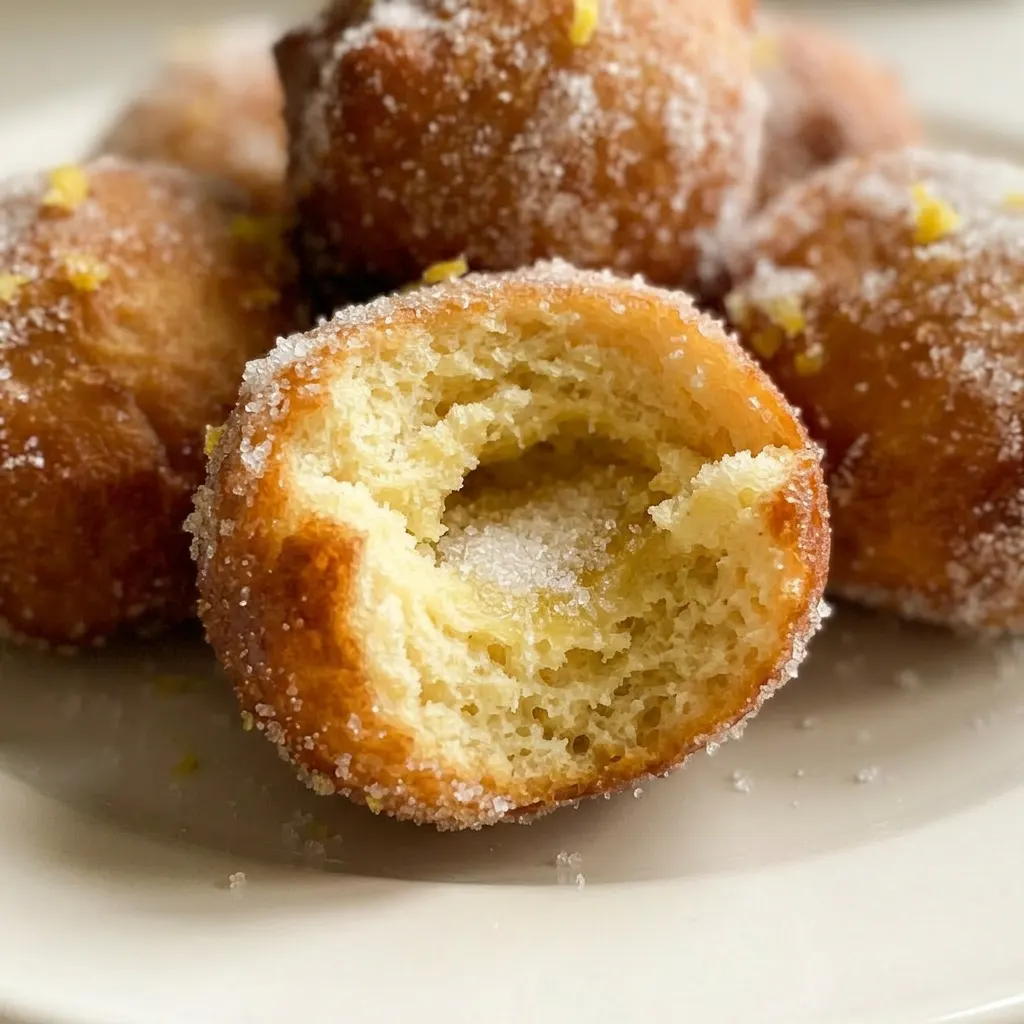
But get it right, and these 2 ingredient lemon donuts deliver a bright, tender crumb with a crisp shell that’s all about the sugar from the drink caramelizing in the oil. No glaze required, but it doesn’t hurt.
Self-rising flour does the heavy lifting
Self-rising flour is already blended with baking powder and salt. That means you don’t need to add any extra leavening or seasoning. The baking powder gives the donuts their lift, producing a light, tender crumb.
The salt balances the sweetness from the lemonade. This simplifies the recipe down to two ingredients. When you bite into one, you’ll taste a slight tang from the acid reacting with the baking powder, which also helps the crumb stay soft.
No chemical aftertaste, just a clean, fluffy donut.
Lemonade pulls double duty
The lemonade brings both moisture and flavor. It hydrates the flour into a workable dough, but it also adds sugar. That sugar is what gives the donuts their golden-brown crust during frying.
The acidity from the lemon juice reacts with the baking powder in the self-rising flour, creating tiny gas bubbles that make the crumb tender. You taste a bright, tangy sweetness that’s distinct from plain sugar and water.
It’s the only flavoring, so choose a lemonade you actually like drinking.
Prep: 5 min · Cook: 10 min · Total: 15 min · Servings: 14 · Calories: 40 kcal
Two ingredients, zero guesswork
Self-rising flour: Buy it pre-mixed, not DIY; the baking powder and salt are already balanced for lift and flavor.
Lemonade: Pick a brand you’d drink straight; its sugar and acidity determine the crust color and tang.
Fry them in small batches for even browning
Heat the oil to 335 to 350°F
Clip a thermometer to the saucepan. When the oil hits 335°F, it shimmers but doesn’t smoke. If you drop a pinch of flour in, it should sizzle immediately.
Mix the dough until just combined
Stir flour and lemonade with a spatula until no dry streaks remain. The dough will look shaggy and feel sticky.
If it clings to the scoop but drops cleanly, you’re good. Too wet? Add a teaspoon more flour.
Portion with a 1-tbsp cookie scoop
Scoop the dough and level it off. The balls should hold their shape but feel tacky. Drop them gently into the oil; overcrowding drops the temperature and makes greasy donuts.
Fry until deep golden brown
Fry 4-5 at a time, turning once. The first side takes about 90 seconds; you’ll see the edges turn golden.
Flip and fry another minute. The crust should be crisp and uniformly tan, not pale or scorched.
Drain on paper towels
Transfer the donuts to a paper towel-lined plate. They’ll release excess oil quickly. If the towels soak through, swap them out so the bottoms don’t steam and soften.
Glaze while warm (optional)
If you want a glaze, whisk powdered sugar with a splash of lemon juice or milk. Dip each warm donut halfway and let the excess drip off. The glaze sets in about 5 minutes.
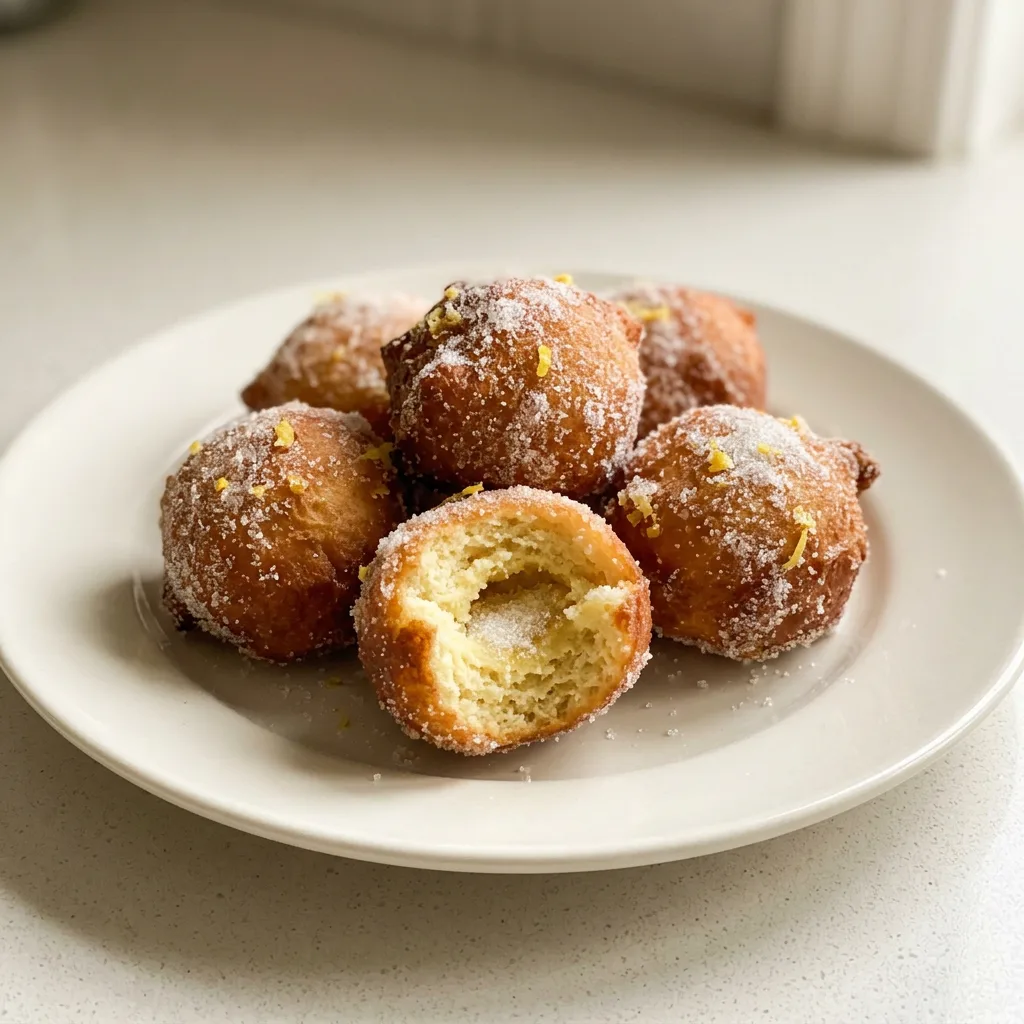
2 Ingredient Lemon Donuts
Ingredients
Method
Heat oil:
Pour oil into a medium saucepan to a depth of 2 inches. Heat until it reaches 335-350°F (168-177°C).Mix dough:
In a medium bowl, mix together flour and lemonade using a spatula until a cohesive dough forms with no dry flour. The dough should be sticky yet easy to scoop with a cookie scoop. If it’s too wet, incorporate a bit more flour; if too dry, add a splash more lemonade.Fry donuts:
When the oil is hot, use a 1 tbsp cookie scoop to portion the dough. Level the scoop with a spatula and carefully drop the dough balls into the oil. Fry in batches, turning once, until both sides are golden brown. Transfer to a plate lined with paper towels to remove excess oil.Add glaze:
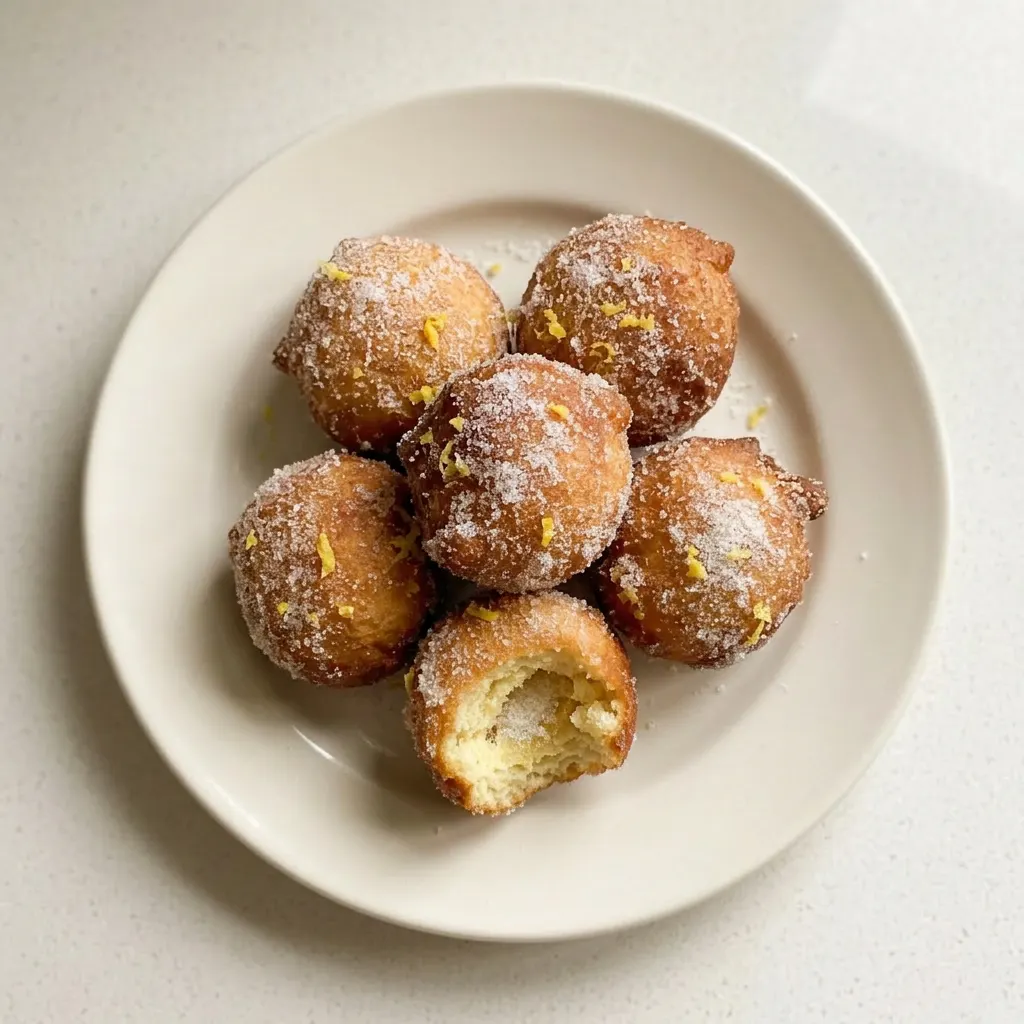
Once the donuts have cooled enough to handle, apply an optional lemon glaze or any desired topping.
Don’t swap the flour, but play with the lemonade
Self-rising flour: All-purpose flour plus baking powder and salt. Skip it. The flour’s built-in leavening and salt are precisely dosed for this dough.
Making your own risks a dense or salty donut. Stick with the real thing.
Lemonade: Another carbonated citrus soda (Sprite, 7-Up, or citrus sparkling water). Works fine.
Less tangy than lemonade, so the donuts will be milder. If you use a sugar-free soda, the crust won’t brown as deeply and the texture may be less tender. Start with the same 3 fl oz and adjust with flour if needed.
Lemonade: Lemon juice mixed with sugar and water (no carbonation). Still works but the dough will be denser. The carbonation from lemonade helps create a lighter crumb.
Use 3 fl oz lemon juice + 2 tablespoons sugar dissolved. Expect a slightly less airy donut, but still good.
Self-rising flour: Gluten-free self-rising flour blend (with xanthan gum). Possible, but the dough will be more fragile. Use a cup-for-cup blend.
The donuts may spread more during frying and the crumb will be more tender, almost delicate. Handle gently and fry at the lower end of the temperature range.
Storage and Serving
These donuts are at their best within an hour of frying, when the crust is still crisp and the interior is fluffy. The optional glaze should be applied just before serving, as it softens the crust over time. Store leftover glazed or unglazed donuts in an airtight container at room temperature for up to 2 days.
They will lose their crispness and become denser as they sit. To revive, reheat in a 350°F oven for 3 to 4 minutes, which restores some crunch.
Do not refrigerate; the cold accelerates staling and makes the texture gummy. Freezing is not recommended because the high moisture content from the lemonade leads to a soggy thawed donut.
Tips
- If the oil temperature drops below 335°F after adding dough, wait for it to come back up before frying the next batch. Cold oil soaks into the dough instead of cooking it, making greasy donuts.
- Use a slotted spoon or spider skimmer to flip the donuts and remove them from the oil. Tongs can squeeze the dough and deflate the crumb.

Frequently Asked Questions
Can I make these donuts ahead of time and reheat them?
Yes, but they’re best within an hour of frying. Store leftovers in an airtight container at room temperature for up to 2 days, then reheat in a 350°F oven for 3 to 4 minutes to restore some crunch. Don’t refrigerate, it speeds up staling, and don’t freeze, as thawing turns them soggy.
Why did my donuts turn out dense instead of fluffy?
Most likely the oil wasn’t hot enough, so the donuts absorbed oil before setting. Use a thermometer and keep oil at 335 to 350°F.
Another possibility: the dough was overmixed. Stir just until no dry flour remains; overworking develops gluten and makes them tough.
How are these different from traditional yeast-raised donuts?
These use self-rising flour’s baking powder for lift, not yeast, so there’s no proofing time. The dough comes together in seconds and fries immediately.
The texture is tender and cake-like, not the airy, chewy crumb of yeast donuts. They’re also smaller and cook in about 2 minutes total.
