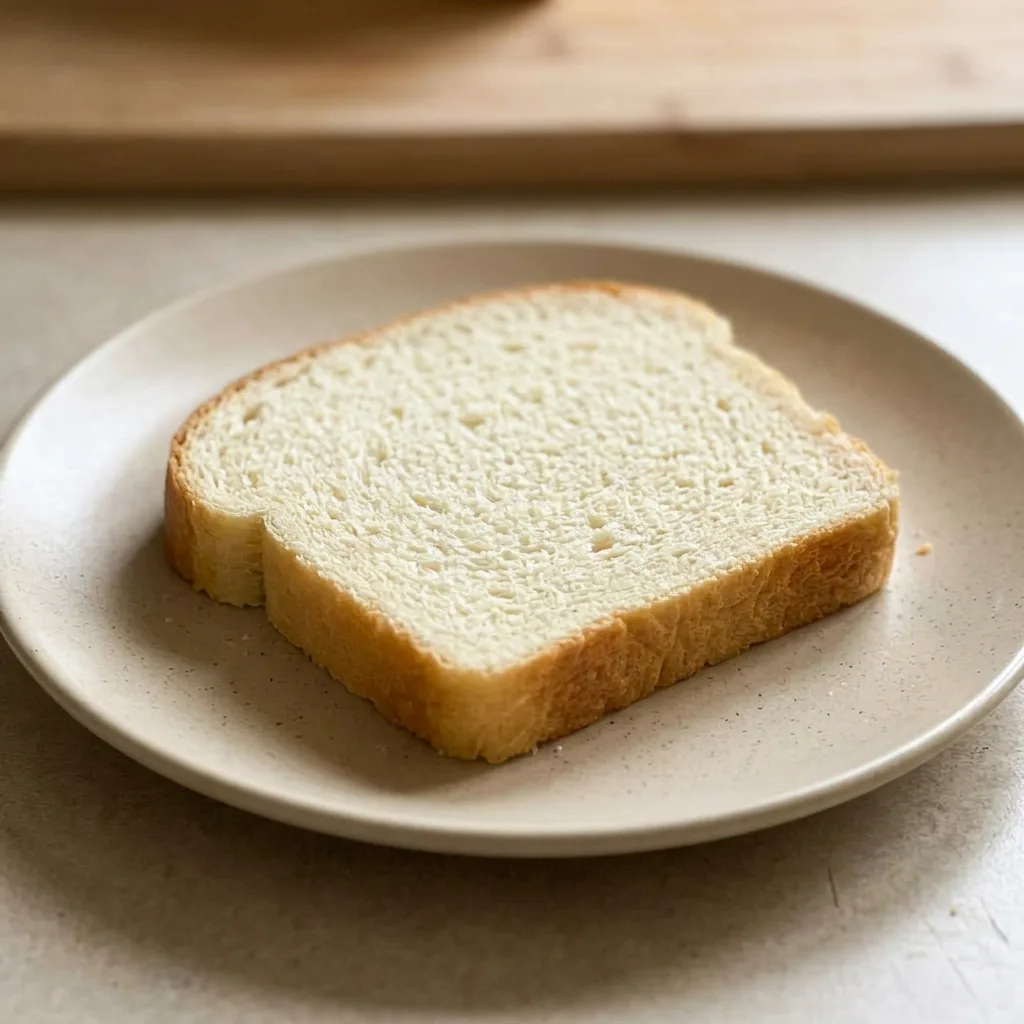
Proof the Yeast:
Pour 240 mL (1 cup) lukewarm water into a stand mixer bowl. Dissolve 11 g honey (2 1/4 tsp) in the water, then scatter 7 g active dry yeast (2 1/4 tsp) over the surface and stir gently. Allow to rest in a warm spot for roughly 15 minutes until the mixture becomes frothy and active (if the yeast was frozen, this may take longer; if no bubbles form, the yeast is expired and should be discarded).Mix Dry Ingredients:
Add 553 g all-purpose flour (4 1/3 cups), 120 mL (1/2 cup) lukewarm water, 1 1/4 tsp sea salt, 22 g honey (1 tbsp), 1/4 tsp citric acid (or 1/2 tbsp white vinegar, optional), and 30 g unsalted butter (2 tbsp, melted) to the proofed yeast. Combine using a dough whisk or spatula until a shaggy dough forms.Knead the Dough:
Fit the mixer with the dough hook and knead at low speed for 2-5 minutes until the dough gathers into a ball. Raise the speed to 3-4 (KitchenAid) and continue kneading for 12-15 minutes until the dough is smooth and elastic. Inspect periodically: the dough will start very sticky and wet, then gradually become smoother. After roughly 10 minutes, test by increasing the speed to 5-6 for 1-2 minutes. If the dough clings to the sides, it is too wet; sprinkle in flour a little at a time. If the dough is tacky but mostly releases from the sides (adhering only at the bottom), the consistency is correct. If the dough does not stick to the bottom, it is too dry; add water in 1/2 tsp increments. The finished dough should be smooth, soft, and slightly tacky.First Rise:
Detach the dough hook, then fold the dough over itself several times by hand to shape it into a smooth ball. Transfer to a lightly oiled bowl, cover with plastic wrap, and let rise for about 1 hour until at least doubled in volume.Prepare Loaf Pans:
While the dough is rising, prepare the loaf pans: grease one 9x5-inch pan for an extra-large loaf, or two 8.5x4.5-inch pans for smaller loaves. Set aside.Divide the Dough:
Turn the proofed dough out onto a lightly floured surface and gently flatten it. If making two smaller loaves, divide the dough in half using a sharp knife or bench scraper (weigh for precision). Refrigerate one portion while shaping the first.Shape the Loaf:
Press the dough into a rectangle of even thickness, with the short side measuring about 8-8.5 inches (slightly less than the pan length). Starting from the short side, roll the dough tightly, pinching the edge as you go. After rolling, pinch the seam to seal, then tuck in the sides and pinch those seams as well. Ensure all seams are on one side (bottom) and the opposite side is smooth (top).Second Rise:
Place the shaped dough seam-side down into the prepared pan, pressing it evenly into the bottom. Loosely cover with plastic wrap and let rise again in a warm spot for 45 minutes to 1 hour until doubled. Repeat with the second portion if making two loaves.Test Proofing:
Test the proofing: lightly press the top with a finger to create a 1/2 cm deep indent. If the indent stays or rebounds only slightly, the dough is ready. If it springs back almost completely, it needs more proofing time.Preheat Oven:
During the final 30 minutes of the second rise, preheat a conventional oven to 375°F (190°C). Ensure the oven has been at temperature for at least 20 minutes before baking.Bake the Bread:
Position the loaf pans in the center of the oven, leaving at least 2 inches between them for air circulation. Bake for 35-45 minutes. The bread is done when tapping the top produces a hollow sound or the internal temperature reaches 195°F (90°C).Cool the Loaf:
Take the pans out of the oven and keep them in a warm area away from drafts. After about 10 minutes, remove the bread from the pans and let it cool completely on a wire rack. Optionally, brush the hot top with melted butter for extra flavor.Store the Bread:
Store the loaf in a bread box at room temperature for up to 4-5 days, or slice and freeze for up to 1 month.